
The 1KD-FTV has a split reputation. Some owners talk about Prados that have crossed 400,000 km on the original engine, while others tell you about a Hilux that knocked a hole through a piston at 140,000 km. Both stories are true, and the gap between them usually comes down to the injectors and the maintenance behind them. Most 1KD engine problems start small, give off clear warning signs, and only turn expensive when nobody acts on them. This guide walks through what fails on Toyota’s 3.0-litre diesel, why it fails, and the checks that separate a good used 1KD from one that will drain your account.
Table of Contents
Where the 1KD Comes From, and Why the Year Matters
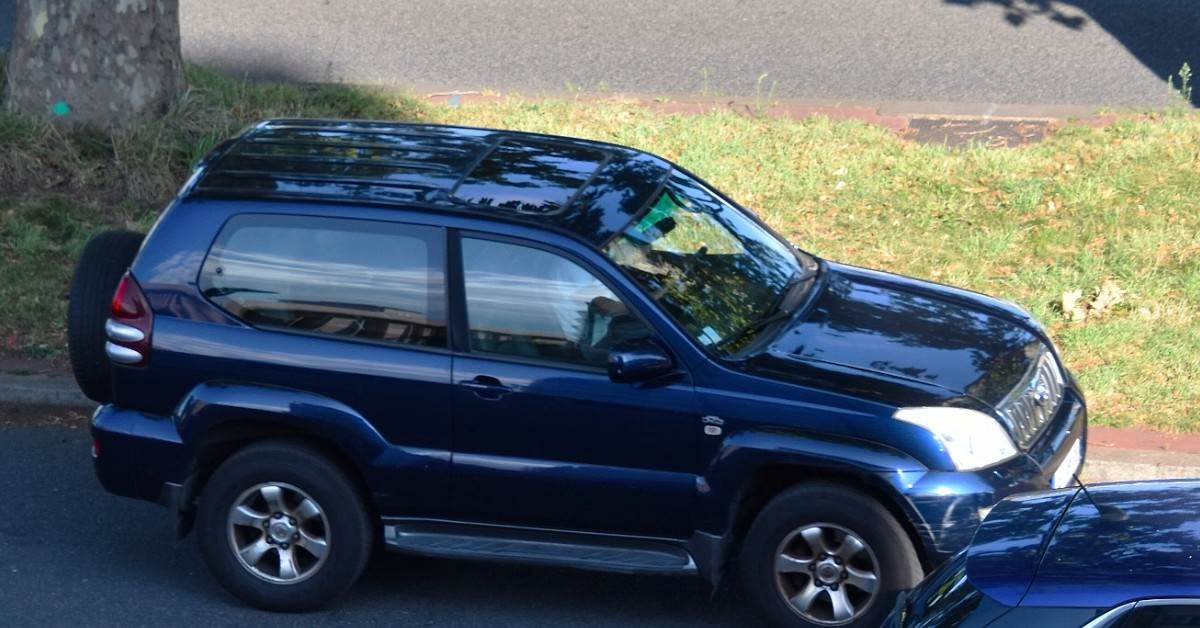
Toyota developed the KD series in August 2000, according to Toyota’s own engine history, and the 3.0-litre 1KD went straight into the 90-series Prado. Over the next fifteen years it powered the 120 and 150 Prado, the seventh-generation Hilux, the first Fortuner and the Hiace, alongside its smaller 2.5-litre sibling, the 2KD. That long run is the first thing to understand about the engine, because a 1KD from 2004 and one from 2012 share a name but not all of their parts or their weaknesses.
Three Generations Under One Engine Code
Toyota kept updating the 1KD to meet tighter emissions rules, and mechanics tend to split it into three broad eras. The early engines, built until around 2006, were the simplest. From about 2006 to 2009, engines built to Euro 4 rules got a revised combustion chamber and piston design, and this is the batch most associated with cracked pistons. From around 2009 the engine received updated injectors and stronger pistons, and these later cars have a noticeably better record.
The changeover dates weren’t the same everywhere, because different markets moved to new emissions rules at different times. Treat the years as a guide, not a guarantee, and let the service history and a scan tool tell you the rest. A later engine that has been neglected is still a bigger risk than an early one that has been looked after.
The Big Three 1KD-FTV Problems
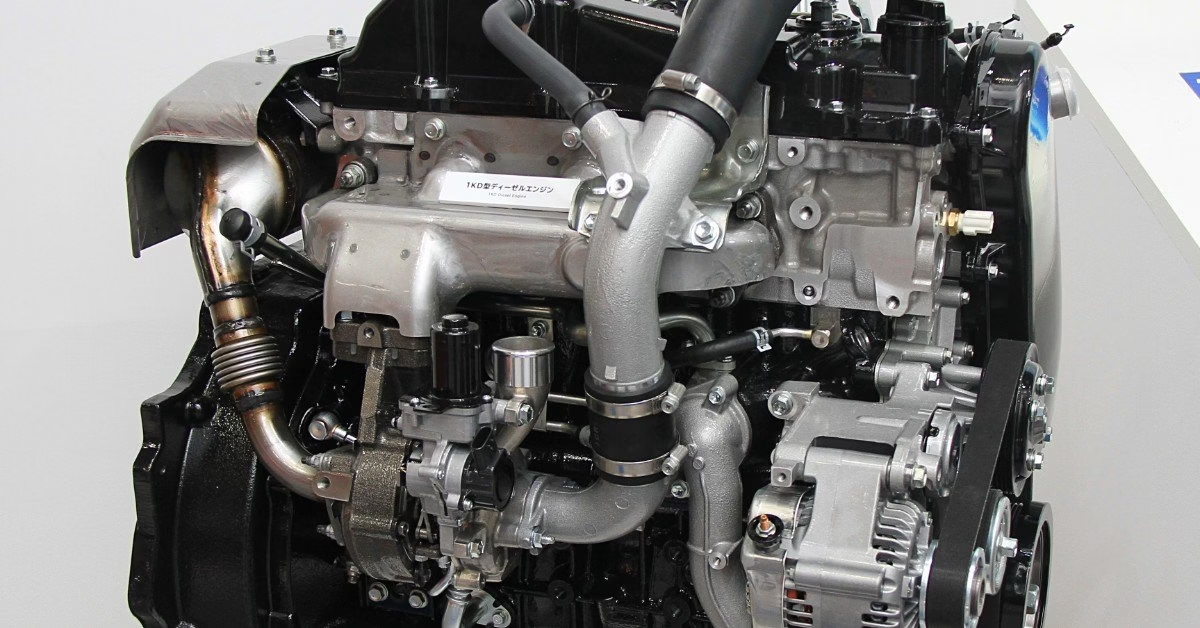
Ask mechanics about 1KD-FTV problems and the same three come up again and again. They’re linked, which is the important part. One small fault in the injection system can set off the other two, so it’s worth understanding how they connect before you look at any car.
Leaking Injector Seals and the “Black Death”
Each injector sits on a small copper washer that seals it against the cylinder head. When that washer stops sealing, hot combustion gas forces its way past the injector and up into the space under the rocker cover. It carries soot with it, and the soot mixes with the engine oil to form a thick black sludge. Owners and mechanics call it the black death, and the name is earned.
The real damage happens out of sight. The sludge settles in the sump and clogs the mesh screen on the oil pickup, so the oil pump starts to starve. The turbo and the crankshaft bearings are the first parts to suffer, and an engine can go from a faint warning to a seized bottom end surprisingly fast. Early warning signs include a puff of smoke and a ticking or chuffing sound from the top of the engine on a cold start, a faint smell of exhaust under the bonnet, and an oil warning light that flickers at idle once the engine is hot.
The fix is cheap if you catch it early. The washers themselves cost very little, and replacing them during any injector service is standard practice. If sludge has already formed, a proper repair means dropping the sump, cleaning the pickup screen and flushing the engine, and that’s the minimum before trusting the car again.
Worn Injectors, the Root of Most 1KD Injector Problems
Most 1KD injector problems come from plain wear. A common-rail injector opens and closes thousands of times a minute under enormous pressure, and over time its internal parts wear until it delivers more fuel than it should or dribbles fuel instead of spraying it as a fine mist. Many specialists see this from around 100,000 to 150,000 km, sooner on cars that have run on dirty fuel or skipped fuel filter changes.
A worn injector shows itself as a rough idle, a knock or rattle when cold, harder starting, more smoke than usual, and fuel economy that slowly gets worse. One sign is easy to miss: an oil level that rises between services. That means diesel is washing past the piston rings into the sump, thinning the oil exactly when the engine needs it most. Because the injectors wear as a set, most specialists recommend replacing all four together rather than chasing one at a time.
The 1KD Cracked Piston Problem
This is the failure that gives the engine its worst headlines. A 1KD cracked piston usually starts at the edge of the bowl machined into the piston crown, where the fuel spray lands. Heat and pressure concentrate there, and if an injector is over-fuelling, that cylinder runs hotter than the rest until the crack opens up. In the worst cases the piston breaks through completely.
Toyota revised the 1KD piston several times, and it’s the Euro 4 engines from roughly 2006 to 2009 that have the weakest record. Later pistons are stronger, though a badly worn injector can still damage one. When a piston cracks, you’ll typically notice a sudden knock, the engine running unevenly as if it has lost a cylinder, lots of smoke, and heavy fumes coming out of the oil filler when you remove the cap. At that point the engine needs to come apart. Once one piston has gone, a sensible rebuild replaces all four with the latest Toyota design, along with a fresh set of injectors.
The pattern across all three is the same: injectors and their seals are the starting point. Keep them healthy and the 1KD’s most expensive failures become far less likely.

The Smaller Faults That Add Up
Beyond the big three, the 1KD has a handful of lesser faults. None of them is likely to destroy the engine on its own, but they rob it of power, raise fuel use, and on an older car they tend to arrive together.
EGR Valve and Intake Soot
The exhaust gas recirculation, or EGR, system feeds some exhaust back into the intake to cut emissions. Over time that exhaust leaves a tar-like layer of soot inside the EGR valve, the intake manifold and the intake ports, and the problem gets worse on cars that spend their lives in slow traffic. The car feels flat, smokes more under load and may throw a check engine light. A thorough intake clean usually restores most of the lost performance.
Sticking Turbo Vanes
Many 1KD engines use a variable-geometry turbo, which adjusts a ring of small vanes to give boost at low engine speeds. Soot can make those vanes stick, and the actuator that moves them can fail with age. The usual symptom is a car that suddenly loses power and drops into limp mode, often with a check engine light. Sometimes a clean frees the vanes. If the actuator or the turbo itself is worn, it needs a proper repair or replacement.
Suction Control Valve
The suction control valve, or SCV, sits on the high-pressure fuel pump and controls how much fuel the pump lets into the rail. When it wears or gets contaminated, rail pressure starts to wander. You’ll notice a stutter or surge at light throttle, hesitation, or stalling as the car slows to a stop. It’s a relatively cheap part, and contaminated fuel is the usual reason it fails early.
The Timing Belt Nobody Remembers
Unlike the newer GD engines, which use a chain, the 1KD runs a timing belt. Many Toyota service schedules put the change at around 150,000 km, but check the book for your car’s market, and if there’s no record of a change, assume it’s due. A snapped belt on a 1KD can cause serious internal damage, so this is one bill to pay straight away on any car without paperwork.
Is the 1KD Engine Reliable?

After a list like that, you might wonder why anyone still buys one. The honest answer to “is the 1KD engine reliable” is yes, with conditions. The basic engine, meaning the block, crankshaft and cylinder head, is tough. Most of the trouble starts in the fuel system, and the fuel system responds well to good maintenance.
What a Healthy 1KD Can Do
A 1KD that gets clean fuel, regular oil changes, fuel filters on schedule and injector attention at the right time can comfortably pass 300,000 km, and plenty of high-mileage Prados and Hilux pickups prove it. Owners who keep their 1KD long-term tend to share the same habits: they change oil more often than the book suggests, they buy fuel from busy stations, they replace injector washers whenever the injectors come out, and they listen for changes in how the engine sounds on a cold morning.
When to Walk Away
The 1KD stops being reliable when it’s cheap and has no history. An engine past 150,000 km with no record of injector work, sludge under the oil filler cap, and a knock on a cold start is a car to leave behind, however good the body looks. The repair bill on a worn 1KD can wipe out whatever you saved on the purchase price.

What to Check Before You Buy a 1KD

You can catch most 1KD trouble in an hour if you know where to look. Arrange to see the car with a stone-cold engine, bring a torch and a rag, and if possible bring a mechanic with a diagnostic tool. Here’s what to do, in order.
Start It Cold and Listen
Ask the seller not to start the car before you arrive, then put your hand on the bonnet to make sure. A cold start shows what a warm engine hides. Watch the exhaust and listen at the top of the engine. A brief puff of smoke is normal on an old diesel. Heavy smoke that lingers, a chuffing or ticking near the injectors, or a hard metallic knock that doesn’t settle are all signs of the injector and seal faults described above.
Open the Oil Cap and Pull the Dipstick
With the engine idling, remove the oil filler cap. A little vapour is normal. Strong puffs of smoke or fumes pushing out of the opening point to excessive blow-by, which can mean worn rings or a cracked piston. Then switch off and look under the cap and on the dipstick. Thick black sludge is a serious warning, and oil that smells of diesel or sits above the full mark suggests fuel is leaking into the sump.
Get the Injectors Scanned
This is the check that tells you the most. A Toyota-capable diagnostic tool can read the injector compensation values, which show how much the engine computer is adjusting each injector to keep the engine running smoothly. On a warm engine at idle, most specialists want those values within plus or minus 3.0 cubic millimetres. If any injector falls outside that range, plan for a full set. It’s a five-minute test for a mechanic with the right equipment, and it’s money well spent before you hand over a deposit.
Check the Paperwork and the Model Code
Ask for receipts for injector work, washer replacement and the timing belt. Then confirm the car is what it claims to be. A 1KD Prado normally carries a KDJ model code, and a 1KD Hilux carries KUN, so match the code on the paperwork to the engine number on the block. If the model year falls between about 2006 and 2009, ask directly whether the pistons have ever been replaced, because a rebuilt engine with the later parts can be a better buy than an untouched original.
Frequently Asked Questions (FAQ)
What are the most common 1KD engine problems?
The most common faults are leaking injector seat washers, worn injectors and, on Euro 4 engines from roughly 2006 to 2009, cracked pistons. EGR and intake soot, sticking turbo vanes and a worn suction control valve are smaller but common issues on older engines.
Is the 1KD engine reliable?
Yes, if it has been maintained. The block, crank and head are strong, and a 1KD with healthy injectors, regular oil changes and clean fuel can pass 300,000 km. Neglected engines with worn injectors are where the expensive failures happen.
Which 1KD years have the cracked piston problem?
The Euro 4 engines built from roughly 2006 to 2009 have the weakest record. Toyota revised the piston more than once, and engines from around 2009 onwards are stronger, although a badly worn injector can still damage any piston.
How do I know if my 1KD injectors are bad?
Common signs are a rough idle, a cold knock or rattle, harder starting, more smoke and worse fuel economy. A diagnostic scan of the injector compensation values gives a clearer answer, and most specialists replace the full set if any value falls outside plus or minus 3.0 cubic millimetres.
What is the black death on a 1KD?
It’s the sludge that forms when a leaking injector washer lets combustion gas and soot into the engine oil. The sludge can block the oil pickup screen and starve the engine of oil, which damages the turbo and bearings.
Buy the History, Not the Badge
The 1KD earned its place in so many Prados and Hilux pickups because it pulls hard, cruises easily and, when treated well, lasts. Its weak spots are well known and mostly predictable: injector seals, worn injectors, the Euro 4 pistons, and the soot that builds up around them. That predictability works in your favour. A 1KD with a full service record, clean oil, healthy injector readings and a recent timing belt is still one of the smartest used diesel buys around. One without those things is a gamble, and it’s the seller who should take it, not you. When the GD engine eventually replaced it, Toyota said the KD would be phased out gradually, and many owners are in no hurry to let theirs go.