

Buying a used car in the US can save thousands over a new one, but only if we know what we’re doing before we hand over a deposit. The used market moves fast, and a car that looks clean in photos can hide a rebuilt title, a failing transmission, or an odometer that doesn’t match its wear.
This guide walks through how to buy a used car the right way: deciding where to buy, budgeting for the real cost of ownership, checking a vehicle’s history and VIN, running a proper inspection, spotting common scams, and negotiating with real numbers instead of guesses. Whether we’re buying from a dealer, a private seller, or an online marketplace, the process below applies.
Table of Contents
Decide Where to Buy: Dealer, Private Seller, or Online Marketplace

Where we buy changes the entire process. A franchise dealer typically charges more but offers financing on-site, sometimes a limited warranty, and a paper trail if something goes wrong. Independent dealers vary widely in quality and are worth researching individually before visiting.
Private sellers are usually cheaper since there’s no dealer markup, but there’s no warranty and less recourse if the car has undisclosed problems. CarMax and Carvana offer a no-haggle price and standardized inspections, which trades a lower ceiling on savings for convenience and consistency. Facebook Marketplace and Craigslist can turn up good deals but carry the highest scam risk of any channel, since anyone can list anything with no verification.
Certified Pre-Owned vs. Standard Used
A certified pre-owned, or CPO, vehicle has passed a manufacturer-backed inspection and usually comes with an extended warranty. It costs more than a comparable non-certified used car, but for buyers who want warranty protection without paying new-car prices, it’s worth the premium on higher-mileage vehicles specifically.
Estimate the Real Cost of Ownership, Not Just the Purchase Price

The purchase price is the smallest ongoing cost. Insurance, fuel, maintenance, and depreciation add up over the years we own the car, and they vary enormously by model.
Before falling in love with a specific car, we recommend getting an insurance quote using the actual VIN, since premiums can differ by hundreds of dollars a year between models that look similar on paper. Checking the manufacturer’s recommended maintenance schedule also tells us whether a timing belt, transmission service, or other major expense is coming up soon after purchase.
Set a Budget That Covers More Than the Sticker Price
Sales tax, registration, title fees, and a pre-purchase inspection typically add several hundred to a couple thousand dollars on top of the purchase price, depending on the state. A car priced at $12,000 in a state with 8% sales tax plus dealer fees can easily land closer to $13,200 once everything is added in, which matters if we’re shopping near the $20k ceiling and don’t want fees quietly pushing us past it.
Used car loan rates run higher than new car loan rates, and the gap widens for older vehicles. Getting pre-approved through a bank or credit union before we start shopping gives us a real number to negotiate against, instead of relying on dealer financing offers that can bury markup inside the monthly payment.
Narrow Down Models Before We Start Browsing Listings
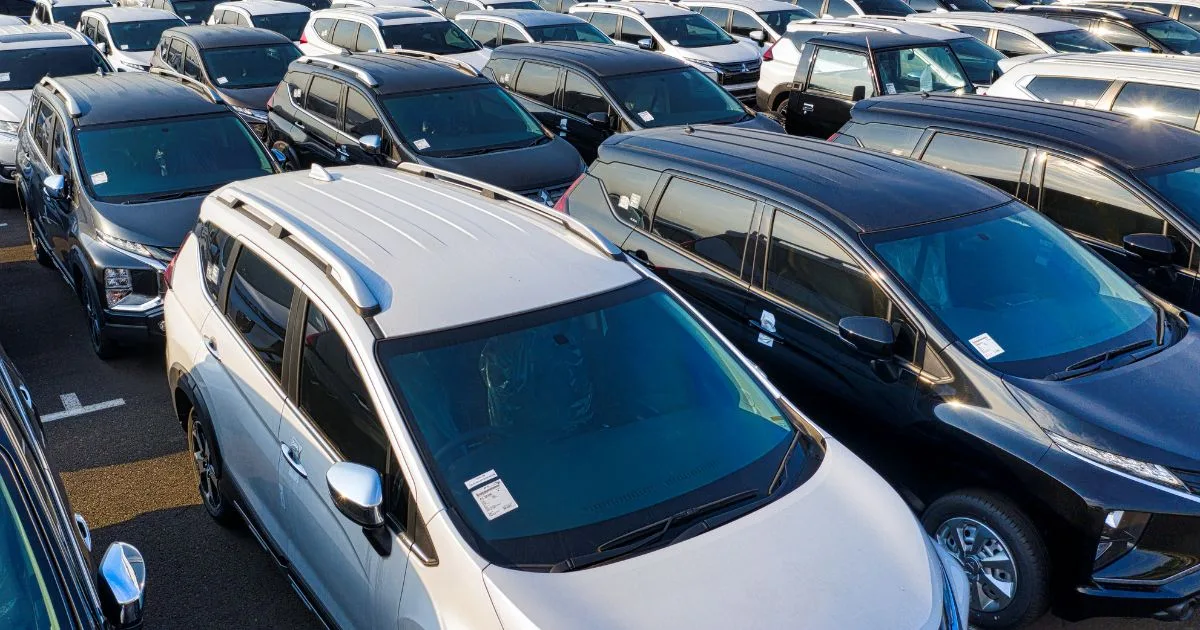
Shopping without a shortlist leads to decision fatigue and impulse buys. Before browsing listings, we should have two or three target models based on reliability data, not just looks.
A new driver working with a tight budget is chasing a different car than someone replacing a paid-off daily driver, so the shortlist should reflect that. We’ve already done the legwork on which models actually hold up for new drivers on a budget, cross-referencing reliability scores so the guesswork is out of it before we start browsing listings.
Where Reliability Data Actually Comes From
Consumer Reports surveys owner-reported problems across hundreds of thousands of vehicles each year to score reliability by model. J.D. Power runs a separate dependability study based on three-year-old vehicles, measured in problems per 100 vehicles. Neither source is perfect, but cross-referencing both gives a far more accurate picture than forum anecdotes or a single YouTube review.
Check the Fair Market Value Before Contacting the Seller
Kelley Blue Book and Edmunds both publish fair market value ranges based on condition, mileage, and location. Pulling this number before we ever message a seller means we walk into every conversation already knowing whether a listing is priced fairly, and it saves time on cars that are overpriced from the start.
Check the Vehicle History, VIN, and Open Recalls
Before we go see a car in person, a vehicle history report from Carfax can rule out major problems in minutes. Look for:
- Title status (clean, salvage, rebuilt, or flood)
- Accident history and reported damage severity
- Number of previous owners
- Odometer discrepancies
A vehicle history report isn’t the same as service records. It shows what’s on public record, not whether oil changes, transmission fluid, or timing belt service actually happened on schedule. A well-documented maintenance folder from the seller is worth more than a clean history report alone, especially past 80,000 miles.
The VIN itself should match across the dashboard, the driver’s door jamb, the title, and the history report. A mismatch is a serious red flag. It’s also worth running the VIN through NHTSA’s recall lookup tool, since many buyers never check for open recalls that the current owner simply never had fixed.
A salvage or rebuilt title isn’t automatically disqualifying, but it should come with a steep discount and a more thorough inspection than a clean title car.
Inspect the Car Cold, Then Get It Inspected Again

Try to see the car before it’s been driven that day. A warm engine can mask startup smoke, a rattling timing chain, a lifter tick, or a weak battery, all of which are far more obvious on a cold start.
Separate what we’re looking at into two categories. Cosmetic issues, like paint scratches, worn seats, or faded trim, affect negotiation but not safety. Mechanical issues, like transmission behavior, engine noise, cooling system condition, steering feel, and suspension, are the ones that actually matter for whether the car is worth buying.
A pre-purchase inspection from an independent mechanic, separate from the seller, typically runs $100 to $200 and can surface what a proper inspection actually checks for that would cost far more to discover after the sale.
The Test Drive
Drive on a mix of surface streets and highway if possible. Listen for unusual noises under acceleration and braking, check that the transmission shifts smoothly, and confirm the AC and heat both work. Small issues found here are negotiating leverage.
Know the Red Flags and Common Scams
Some issues are repairable. Others mean the car isn’t worth the asking price, or that the listing isn’t legitimate at all.
Sellers who refuse an independent inspection, titles that don’t match the seller’s name, prices significantly below market value, and pressure to decide immediately are all signs worth taking seriously.
A few specific scams show up often enough to name directly. Title washing moves a salvage or flood title through a state with looser disclosure rules so it comes back looking clean. Odometer rollback, while harder with digital odometers, still happens on older vehicles. VIN cloning uses a legitimate VIN from a similar car to disguise a stolen or salvage vehicle.
Fake escrow scams are common on out-of-state listings that seem too good to be true, where a buyer is asked to wire money before ever seeing the car. Familiarizing yourself with the scams that show up most often takes ten minutes and can save thousands. A legitimate seller has no reason to rush any part of this process.
Negotiate With Actual Numbers, Not Guesses

Walking into a negotiation with a printed or screenshotted valuation range gives us a concrete anchor, rather than negotiating off the seller’s asking price alone. As a general guide, dealer prices typically have 3% to 8% of room built in before hitting their real floor. Private sellers vary more depending on how motivated they are to sell quickly.
If the inspection turned up issues, specific repair estimates, not vague complaints, give us a defensible number to deduct from the offer.
Finalize the Paperwork
Requirements vary by state, so it’s worth checking the DMV site for the state where the car will be registered before finalizing anything. At minimum, expect to handle the signed title, a lien release if the previous owner had a loan, a bill of sale, proof of insurance, and, in some states, emissions documentation before the car can be registered. Ask for temporary tags if the plates won’t transfer immediately.
A Realistic Timeline From Research to Signing
Most buyers move through this process over four to seven days rather than in one sitting. Research and shortlisting a model, pulling a history report, scheduling an inspection, negotiating, and finalizing paperwork each tend to take at least a day, and rushing any single step is where buyers usually end up with regrets.
Frequently Asked Questions (FAQ)
What’s the best time of year to buy a used car?
Late fall and December tend to have softer pricing as dealers clear inventory for year-end, though the difference is usually a few hundred dollars rather than a dramatic discount.
How many miles is too many on a used car?
It depends more on maintenance history than the number itself. A well-maintained car with 100,000 miles can outlast a neglected one with 60,000 — see what actually counts as high mileage for a full breakdown by vehicle type.
Should I buy from a dealer or a private seller?
Private sellers are often cheaper but offer no warranty and less recourse if something goes wrong. Dealers charge more but typically offer some inspection standard and, in some cases, a limited warranty.
Is a vehicle history report enough, or do I still need an inspection?
Both. A history report shows what’s on record. It won’t catch a failing water pump or worn brakes, which only a physical inspection finds.
Is certified pre-owned worth the extra cost?
For buyers who want warranty coverage on a higher-mileage car, yes. For a low-mileage car already under manufacturer warranty, the premium is harder to justify.
What paperwork do I need to finalize the purchase?
A bill of sale, the signed title, a valid ID, and proof of insurance before driving off. Requirements vary slightly by state, so it’s worth checking the DMV site for the state where the car will be registered.