
The 2KD-FTV rarely gets the attention its bigger brother does, yet it has probably covered more kilometres than any other Toyota diesel of its era. It powers vans that work from dawn to midnight, pickups that carry more than they should, and family MPVs that do the school run and the long weekend trip. That kind of life exposes every weakness an engine has. Most 2KD engine problems are the same fuel system faults that trouble the 3.0-litre, but the way the 2.5 is built, and the way it gets used, changes which ones you’re likely to meet. This guide covers what fails, why, and how to buy a good one.
Table of Contents
Where You’ll Find a 2KD, and How It Differs From the 1KD
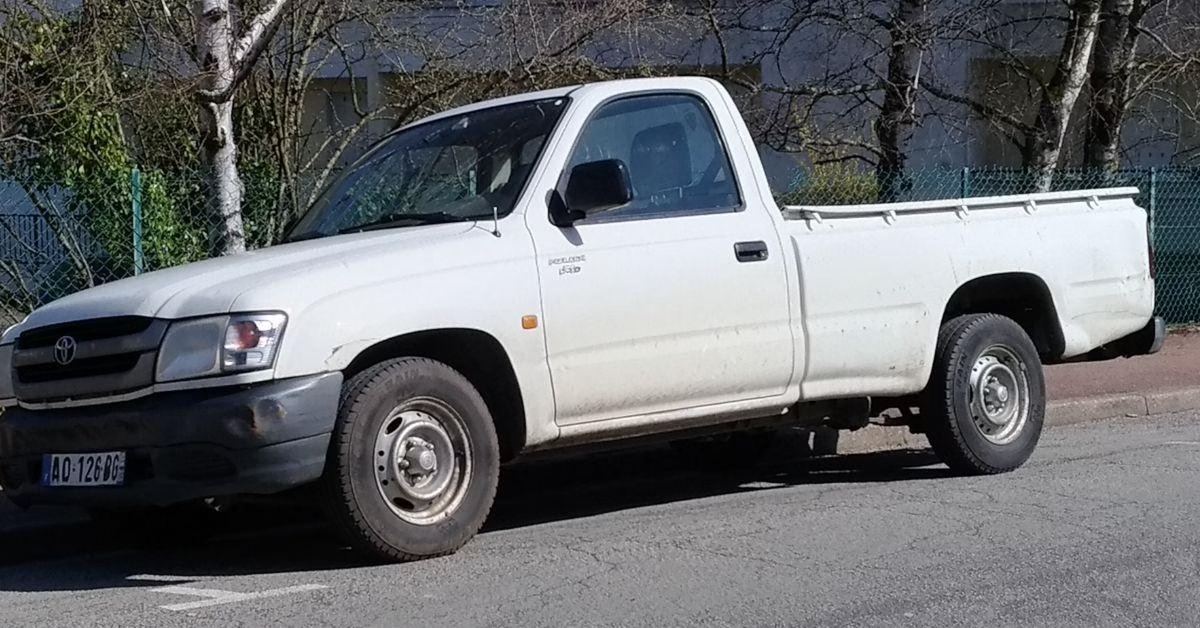
Toyota developed its KD series of common-rail diesels in August 2000, according to Toyota’s engine history, and the 2.5-litre 2KD followed the 3.0-litre 1KD into production in late 2001. It went on to power the Hiace, the Hilux, the Innova, the Fortuner in some markets and the Dyna light truck. If you’re looking at a 2.5 diesel Toyota built before about 2016, this is almost certainly the engine under it.
Same Family, Shorter Stroke
The 2KD is a close relative of the 1KD rather than a separate design. Both use a cast-iron block, an aluminium head, four valves per cylinder and the same basic common-rail layout. The 2KD displaces 2,494cc from a 92mm bore and a 93.8mm stroke, which makes it smaller and slightly less stressed than the 3.0-litre. Many of its parts, including the copper washers that seal the injectors into the head, are shared between the two engines, and that matters when we get to the faults.
Low-Output and High-Output Versions
Not every 2KD is the same engine in practice. The basic versions, common in vans and early pickups, use a simple turbocharger with a wastegate and no intercooler, and make roughly 75 kW with about 260 Nm of torque. Later high-output versions, built for markets such as Thailand and Japan, added an intercooler and a variable-geometry turbo, and pushed output to around 106 kW and 343 Nm. The basic engine is slower but has less hardware to fail. The high-output one drives far better but inherits some of the turbo trouble that affects the 1KD.
The 2KD-FTV Problems That Matter Most
When mechanics talk about 2KD-FTV problems, three come up far more than the rest. Two of them start in the fuel system, and the third is the one buyers fear most even though it’s less common on the 2.5 than on the 3.0. Knowing how they connect helps you judge a car quickly.
Leaking Injector Washers
The 2KD uses the same injector seat washer as the 1KD, and it fails the same way. When the copper washer under an injector stops sealing, combustion gas and soot leak past it into the top of the engine. The soot mixes with the oil and turns into a thick black sludge that can block the oil pickup screen in the sump and starve the turbo and bearings of oil.
Listen for a chuffing or ticking sound near the injectors on a cold start, and look for black, tar-like deposits around the injector bodies and under the oil filler cap. The washers cost very little, and fitting new ones whenever the injectors come out is cheap insurance. Leaving a leak alone is how a small job becomes an engine rebuild.
Worn and Contaminated Injectors
Most 2KD injector problems come from wear and dirty fuel. Common-rail injectors work at very high pressure through tiny nozzle holes, so water and dirt in the fuel do damage quickly, and a vehicle that keeps buying fuel from questionable sources can wear out a set long before its time. Signs include a rough idle, a knock on cold mornings, harder starting, smoke, falling fuel economy and an oil level that creeps up between services as diesel leaks past the rings into the sump.
Fuel filters are the 2KD’s first line of defence. Changing them on time, and draining the water separator when the warning light comes on, protects the injectors far better than any additive. When injectors do need replacing, most specialists fit a full set of four rather than one at a time, because the others are usually close behind.
Cracked Pistons, Less Common but Possible
The cracked piston problem that made the 1KD notorious can happen on a 2KD too. A worn injector over-fuels its cylinder, the piston crown overheats at the edge of its combustion bowl, and a crack grows until the cylinder loses compression. Some sources link the risk mainly to engines built before about 2011, and most agree the 2.5 has a better record than the 3.0, partly because it makes less power and runs cooler. Symptoms are the same: a sudden knock, rough running, smoke and heavy fumes from the oil filler. The cause is usually an injector that was ignored, which is why injector health matters more than the engine’s age.

The Wear That Comes With Hard Work
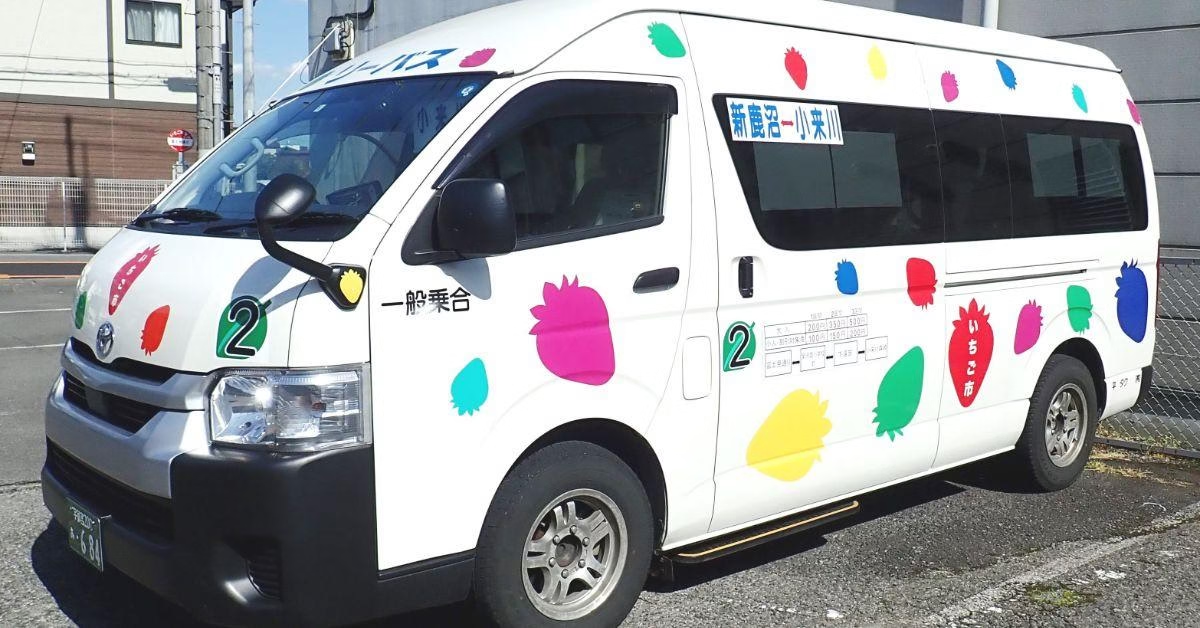
A large share of 2KD engines have lived as working engines. In East Africa, the Hiace is the classic matatu, and a matatu can run long hours every day, fully loaded, idling at stages and stopping every few hundred metres. That life brings its own set of faults on top of the fuel system ones.
Turbo Wear and Oil Seals
The wastegate turbo on basic 2KD engines is simple and tough, but it depends completely on clean oil. Stretched oil changes and long idling wear its bearings and seals, and once the seals go, oil escapes into the intake or exhaust. Watch for blue-grey smoke under acceleration, oil inside the intake pipes and a whining or siren-like sound as the turbo spins up. On high-output engines with a variable-geometry turbo, soot can also make the vanes stick, which shows up as sudden power loss and limp mode.
Oil Consumption
A high-mileage 2KD that uses oil is common, and the cause isn’t always the turbo. Piston rings can stick with carbon after years of short trips and idling, and worn valve stem seals and leaking gaskets add to the loss. Ask the owner how often they top up between services. A car that needs a litre every week or two needs a proper diagnosis before you buy it.
EGR and Intake Soot
Engines built to Euro III and later rules use a cooled exhaust gas recirculation system, which feeds some exhaust back into the intake. Constant stop-start running is exactly what makes that system coat the EGR valve and intake with soot. The engine feels flat, smokes more under load and may light the check engine warning. A proper intake and EGR clean usually brings most of the performance back.
Timing Belt and Valve Clearances
Like the 1KD, the 2KD uses a rubber timing belt. Check the service book for your car’s market, and if there’s no record of a change, budget for one immediately, because a snapped belt causes serious damage. Valve clearances also deserve attention. The 2KD sets its clearances with fixed-size lifters rather than screw adjusters, so correcting them means replacing lifters, and that makes it a job that often gets skipped. Clearances that are out of spec can cause rough idling and lost power.
Is the 2KD Engine Reliable?
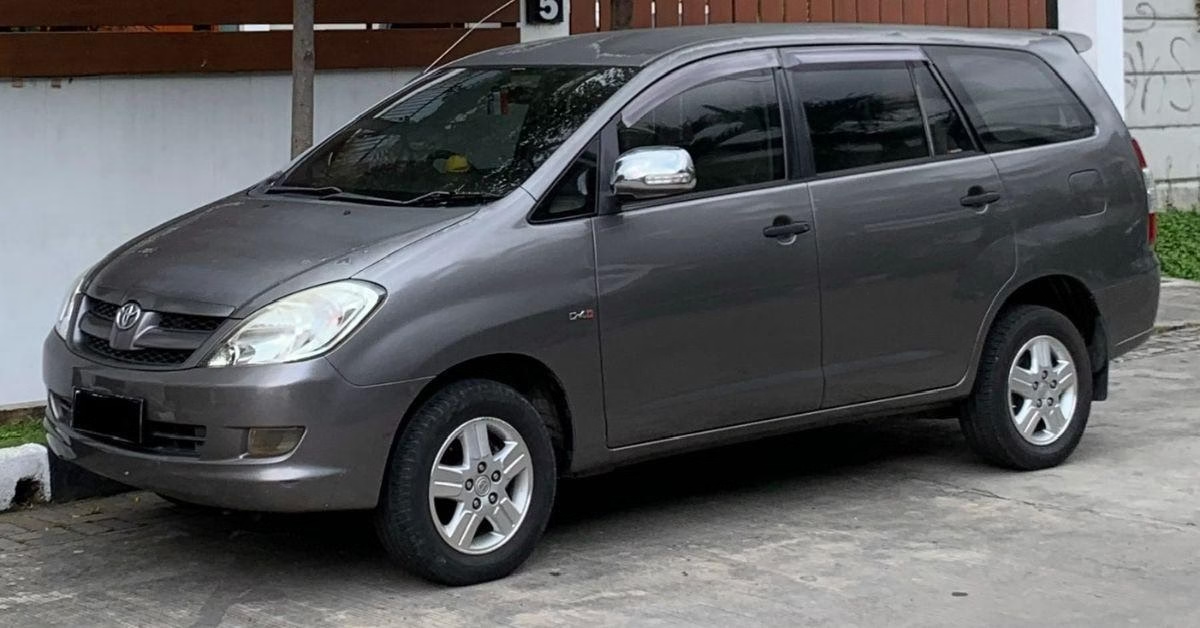
So, is the 2KD engine reliable? On balance, yes, and in some ways more than the 1KD. Its faults are real, but they’re well understood and mostly preventable, and the engine itself is strong enough to keep going long after the fuel system has been put right.
Why It Often Outlasts the 1KD
The 2KD makes less power from a similar design, so its pistons, injectors and turbo work under less heat and stress. The basic versions also skip the variable-geometry turbo and intercooler, which removes two common sources of trouble. A well-serviced 2KD can pass 300,000 km, and some fleet engines go well beyond that with fuel system work along the way. Toyota eventually replaced it with the 2.4-litre 2GD from 2015, which tells you how long the 2.5 stayed in service.
Where Its Bad Reputation Comes From
Most 2KD horror stories come from engines that were worked hard and serviced cheaply. A van that has spent ten years carrying passengers on old oil and questionable fuel isn’t a fair test of the design, but it is the kind of engine many used buyers end up with. That’s the real risk with a 2KD: not the engine itself, but what it has been through.
2KD vs 1KD: Which Should You Buy?
The 2KD vs 1KD question usually comes down to the vehicle and the load. Here’s how they compare in broad terms, with outputs varying by market and version.
| 2KD-FTV | 1KD-FTV | |
|---|---|---|
| Displacement | 2,494cc | 2,982cc |
| Typical output range | About 75 to 106 kW | About 100 to 130 kW |
| Turbo | Wastegate on basic versions, variable geometry on high-output versions | Variable geometry on most versions |
| Where it shines | Vans, light loads, fleet work, lower running costs | Heavier 4x4s, towing, highway pace |
| Biggest risk on a used one | Hard working life and skipped servicing | Injector-related piston damage |
Choose the 2KD If…
Pick the 2.5 if the vehicle will spend most of its time on tarmac with moderate loads, if fuel cost matters more than overtaking speed, or if you’re buying a Hiace or Innova for work. A simpler, lower-stressed engine with cheaper parts suits that kind of use well.
Choose the 1KD If…
Pick the 3.0 if you’re buying a heavier 4×4 such as a Prado, tow regularly, or spend long days at highway speed fully loaded. A 2KD in a heavy vehicle has to work harder to keep up, and an engine that’s always working hard wears faster.

What to Check Before You Buy a 2KD
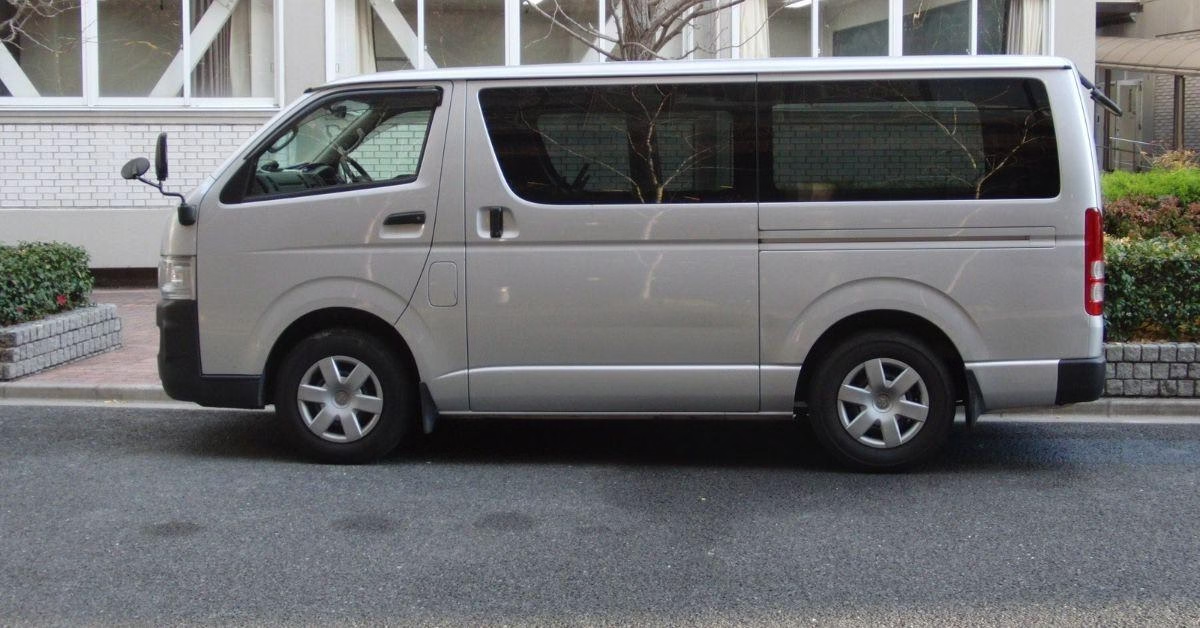
Checking a used 2KD takes less than an hour and costs far less than getting it wrong. See the car with a cold engine, take a torch, and if you can, bring a mechanic with a diagnostic tool. These are the checks that matter most.
Find Out How It Has Been Used
Ask directly whether the vehicle has worked as a fleet, delivery or passenger vehicle. Worn pedal rubbers, a sagging driver’s seat, heavy wear on the sliding door runners and a replaced steering wheel cover all hint at a harder life than the odometer suggests. A former working vehicle isn’t automatically a bad buy, but it should be priced like one.
Start It Cold and Check the Oil
Make sure the engine hasn’t been run before you arrive, then watch and listen as it starts. A short puff of smoke is normal on an old diesel. Lingering smoke, a chuffing sound around the injectors or a knock that doesn’t settle are warning signs. With the engine idling, lift the oil filler cap and look for heavy fumes pushing out. Then check under the cap and on the dipstick for black sludge, and smell the oil for diesel.
Have the Injectors Scanned
A Toyota-capable scan tool can read each injector’s compensation value, which shows how hard the engine computer is working to keep that injector in line. Most specialists want those values within plus or minus 3.0 cubic millimetres on a warm engine at idle. One injector well outside that range means you should price in a full set before agreeing on a figure.
Confirm the Engine Code
2.5 and 3.0 versions of the same vehicle can look identical, so check the model code on the paperwork. On a Japanese-market Hiace, a KDH200 code points to the 2.5, while KDH201 and KDH221 point to the 3.0. On the seventh-generation Hilux, a KUN25 is generally the 2.5 and a KUN26 the 3.0. Then match that to the engine number stamped on the block, and ask for receipts for injectors, washers and the timing belt.
Frequently Asked Questions (FAQ)
What are the most common 2KD engine problems?
Leaking injector seat washers, worn or contaminated injectors and, less often, cracked pistons. High-mileage engines also suffer turbo and oil seal wear, oil consumption, EGR soot and overdue timing belts.
Is the 2KD engine reliable?
Yes, when it has been serviced properly. It makes less power than the 1KD and runs under less stress, and a well-maintained 2KD can pass 300,000 km. Most bad examples come from hard fleet use with cheap servicing.
What is the difference between the 2KD and 1KD?
The 2KD is a 2.5-litre version of the same KD family, with a shorter stroke and less power. Basic 2KD versions use a simpler wastegate turbo, while most 1KD engines use a variable-geometry turbo. They share many parts, including the injector seat washers.
What causes 2KD injector problems?
Mostly wear and fuel contamination. Water and dirt in the fuel damage common-rail injectors quickly, so regular fuel filter changes and draining the water separator matter. Leaking injector washers are a separate but related fault.
Which Hiace has the 2KD engine?
On a Japanese-market H200 Hiace, the KDH200 model code indicates the 2.5-litre 2KD, while KDH201 and KDH221 indicate the 3.0-litre 1KD. Always confirm against the engine number on the block.
Simpler, Slower and Usually Tougher
The 2KD will never win a drag race against a 1KD, and it was never meant to. Its job was to keep vans, pickups and family carriers moving for as little money as possible, and it has done that for over two decades. Its weak spots are the same injectors and washers as its bigger sibling, plus the wear that comes from a hard working life. Buy one with a clear history, healthy injector readings and a recent timing belt, and it can still give years of honest service. When Toyota announced the GD engines in 2015, it said the KD family would be phased out gradually, and plenty of 2KDs are still earning their keep today.