
The 1GD-FTV replaced the 1KD with a smaller engine that Toyota said was stronger, cleaner and more efficient, and Toyota still fits it to the latest Hilux and Land Cruiser Prado. Yet early owners met a fault the 3.0 never had: an exhaust filter that clogged, smoked and eventually put Toyota on the losing side of a long-running Australian class action. Most 1GD engine problems trace back to that emissions hardware, though not all of them. This guide covers what has actually gone wrong on the 1GD and the 2.4-litre 2GD, what Toyota did about it, and what to check before you buy one.
Table of Contents
Where the 1GD and 2GD Fit
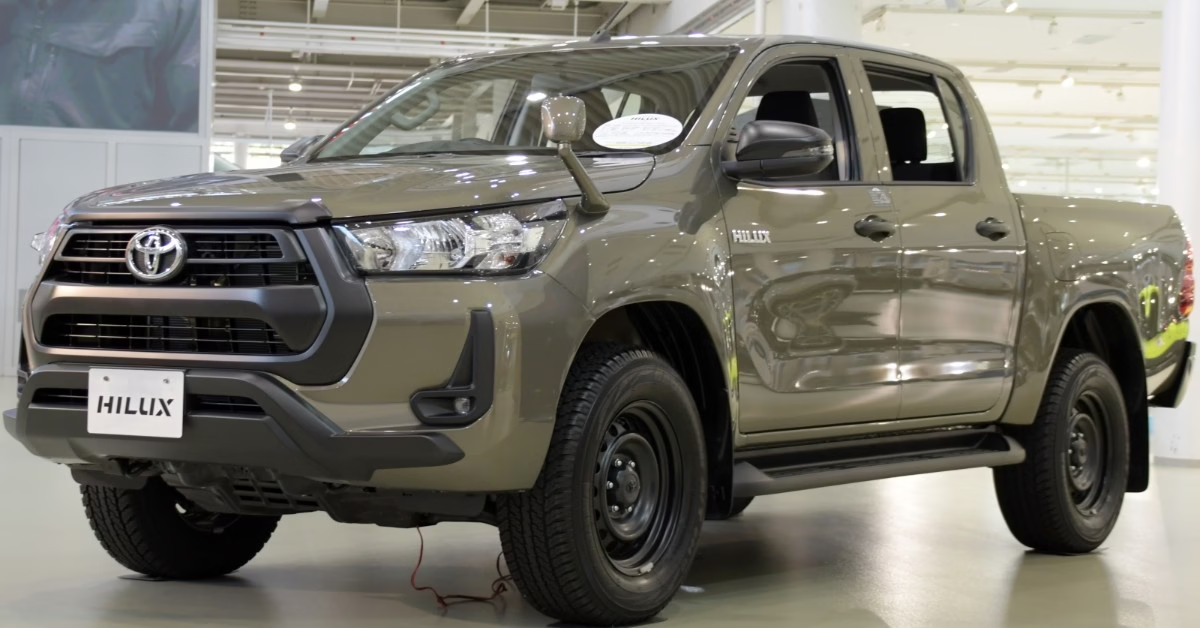
Toyota launched the GD family in 2015 as the replacement for the KD engines, and the two versions you’ll meet most often are the 2.8-litre 1GD and the 2.4-litre 2GD. Before getting into what fails, it helps to know how closely the two are related, and why two GD Toyotas that look the same can carry very different hardware under the floor.
Two Engines, One Design
The 1GD-FTV and 2GD-FTV share a 92mm bore, a 15.6:1 compression ratio and the same basic layout. The 1GD’s longer stroke gives it 2,754cc against the 2GD’s 2,393cc, and at launch Toyota rated them at 130 kW and 450 Nm and 110 kW and 400 Nm respectively. Both use a variable-geometry turbocharger that Toyota builds in-house, and both drive their camshafts with chains rather than the rubber belt the KD engines used.
The 1GD went on sale first, in the Hilux launched in Thailand in May 2015 and the Prado launched in Japan that June. It has since spread to the Fortuner, the Hiace and the Land Cruiser 70. The 2GD took over from the 2.5-litre 2KD in lower-spec Hilux and Fortuner models, and it’s the engine in the eighth-generation Hilux that Toyota sold in Japan from 2017, which makes it common among Japanese imports.
Not Every GD Has the Same Exhaust Hardware
The engine is global, but the emissions equipment bolted to it depends on the market. Toyota Australia fitted a diesel particulate filter, or DPF, to meet the Euro 5 rules Australia adopted, and Toyota said at launch that its urea SCR system, which cuts nitrogen oxides with a urea solution, was for European and Japanese specifications. The Prado Toyota launched in Japan in 2015 used it, which is why some Japanese imports carry a urea tank that needs topping up.
For a buyer, the point is simple. Two GD Toyotas that look identical from the kerb can have different exhaust systems, so before you worry about DPF faults, confirm whether the car in front of you actually has a DPF.
1GD DPF Problems: What Actually Went Wrong
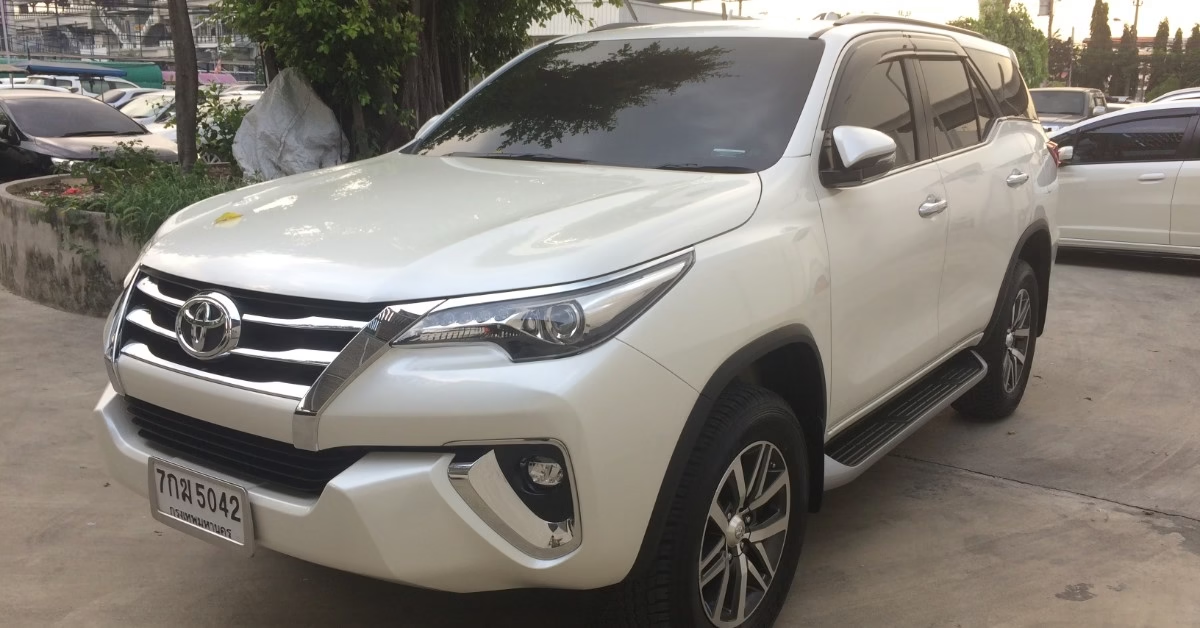
The DPF fault is the GD problem most buyers have heard about, and it’s also the one most often explained wrongly. The clearest account comes from Australia’s Federal Court, which ruled on it in 2022, and its findings don’t match the usual story that the trouble came only from short trips and city traffic.
How a GD’s DPF Is Meant to Work
On these vehicles the DPF shares a housing with a diesel oxidation catalyst. The filter traps soot, and every so often the engine computer burns it off by adding small amounts of fuel to the exhaust to raise its temperature. Toyota’s DPF guide for the Hilux, Fortuner and Prado says this regeneration happens roughly every 250 to 300 km and can take up to 30 minutes. While it runs, the idle speed rises, the exhaust smells different and a small amount of white smoke is normal.
Toyota’s guide also lists what gets in the way: low speeds, long idling and frequent stopping and starting. If the car idles for about five minutes without moving, it postpones the burn until it’s driving again. When the filter gets too full, the dash asks the driver to drive above 60 km/h for about 30 minutes or run a manual regeneration, and if the warnings are ignored the engine can drop into limp mode with reduced power.
The Defect the Court Found
The case covered 264,170 Hilux, Prado and Fortuner vehicles with a 1GD or 2GD engine supplied in Australia between 1 October 2015 and 23 April 2020. The court found the DPF system wasn’t designed to work in all reasonably expected driving conditions. Deposits built up on the face of the oxidation catalyst, which stopped the filter from regenerating properly, and the design fault lay in both the hardware and the software that controlled it.
Here’s the part that surprises people. According to the Full Court’s judgment, the key trigger was regular continuous driving at about 100 km/h. The consequences included heavy white smoke and foul-smelling exhaust during regeneration, repeated DPF warnings, a partly or fully blocked filter, carbon blocking the extra fuel injector that feeds the exhaust, and higher fuel use. Toyota knew of the complaints from February 2016 and tried several countermeasures, but only the fix it introduced from May 2020 worked, and new vehicles carried it from June 2020. In October 2026, Toyota Australia agreed to settle the class actions for A$750 million, subject to court approval.
What This Means If You Drive Mostly in Town
There are really two DPF problems. One is the design defect, which showed up on highway runs and affected Australian-market vehicles until they received the 2020 fix. The other is the ordinary limit of any DPF: short trips, crawling traffic and long idling don’t give it the heat it needs, and Toyota argued in court that many complaints came from exactly that kind of driving. A car that lives in town needs regular runs at a steady speed, or a manual regeneration when the dash asks for one.
Toyota made a manual regeneration switch standard on its Australian-market diesels built from June 2018. To use it, park in an open, well-ventilated spot away from grass, select Park or neutral, apply the handbrake and leave the engine running, then press the switch (press and hold on Hilux and Fortuner built from May 2020 and Prado built from August 2020). The process can take up to 30 minutes, and pressing the accelerator cancels it. Keep in mind that the court findings and the 2020 fix relate to Australian-market vehicles, so for a car built for another market, ask a Toyota dealer what applies to that chassis.
Fuel and Oil Matter More on a GD
A DPF-equipped GD is fussier about what goes into it than a KD ever was. Toyota’s DPF guide calls for diesel with 10 ppm of sulphur or less, and for low-ash engine oil: ACEA C2 0W-30 on Hilux and Fortuner built up to May 2020 and Prado up to July 2020, and ACEA C5 0W-20 on later ones. The ash point matters because ash left by oil additives doesn’t burn off during regeneration. It stays in the filter, so a general heavy-duty diesel oil that suits an older engine is the wrong choice here.
Fuel quality isn’t always in the owner’s hands. Kenya’s diesel standard sets a 10 ppm sulphur limit, but in May 2026 the government temporarily allowed diesel with up to 50 ppm for six months to protect supply. For GD owners, that’s a reason to keep a closer eye on DPF warnings and regeneration frequency than the service book alone would suggest.
Other 1GD-FTV Problems Worth Knowing
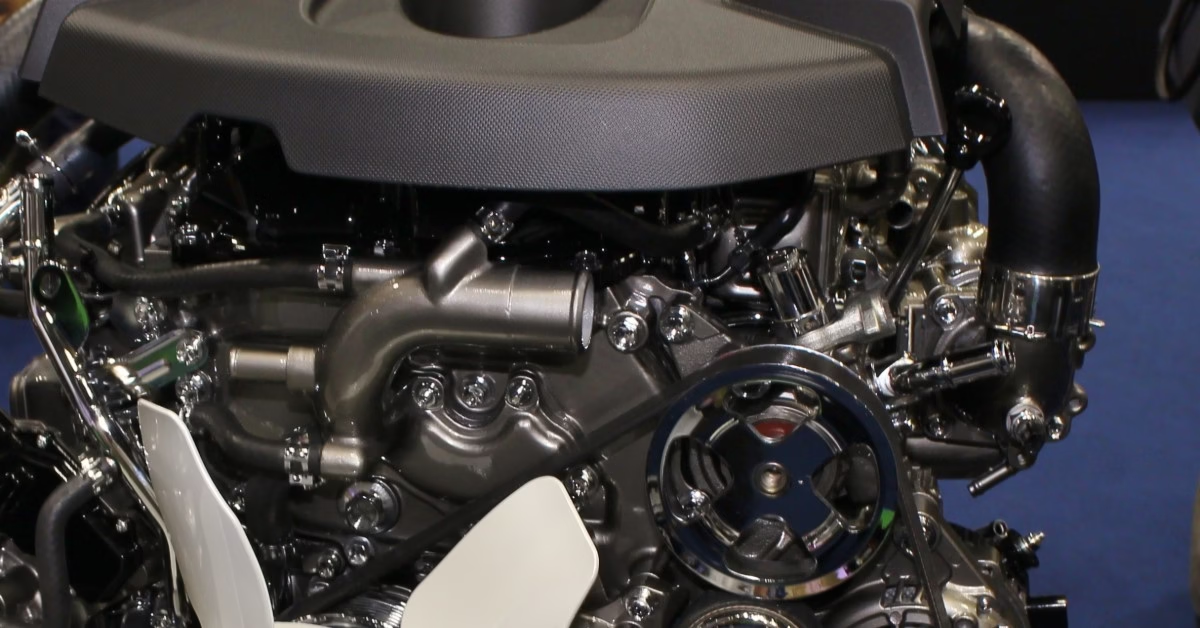
The DPF dominates the conversation, but it isn’t the only fault with paperwork behind it. These are the other 1GD-FTV problems worth asking about, each with a known fix.
Camshaft and Rocker Arm Wear
Toyota issued a technical service bulletin, EG-00162T-TME, covering excessive wear of the camshafts and rocker arms on the 1GD. Rough idling is one of the symptoms it describes, and the fix is to replace the camshafts and rockers with revised parts. Engine specialists list Hilux, Fortuner and Prado built up to 2020 as the vehicles to watch. On a high-mileage car from those years, ask whether the work has been done and get a mechanic to listen to the top end before you commit.
The 2019 Fuel Pipe Recall
In Australia, Toyota recalled 2,714 Prado and HiAce vehicles from 2019 under campaign UGG45. The fuel inlet pipe that feeds the common rail may not have been tightened to the correct torque, which could let diesel leak and cause the engine to stall. It’s a quick dealer job, but it’s the kind of thing that gets missed on an imported car. On a 2019 Prado or Hiace from any market, ask a Toyota dealer whether a fuel pipe campaign applies to that chassis number.
Warning Lights You Shouldn’t Ignore
Many expensive DPF repairs start as a warning someone drove past. On the GD Hilux, Fortuner and Prado, Toyota’s warnings escalate in stages. A steady DPF light means the filter is partly full, and a sustained drive above 60 km/h usually clears it. A flashing light, or a DPF Full message, means stop somewhere safe and run a manual regeneration. A DPF warning with the check engine light means the driver can no longer fix it and the car needs a dealer, and carrying on risks limp mode. Ask the seller how often each of these has appeared.
2GD Engine Problems: How the 2.4 Compares
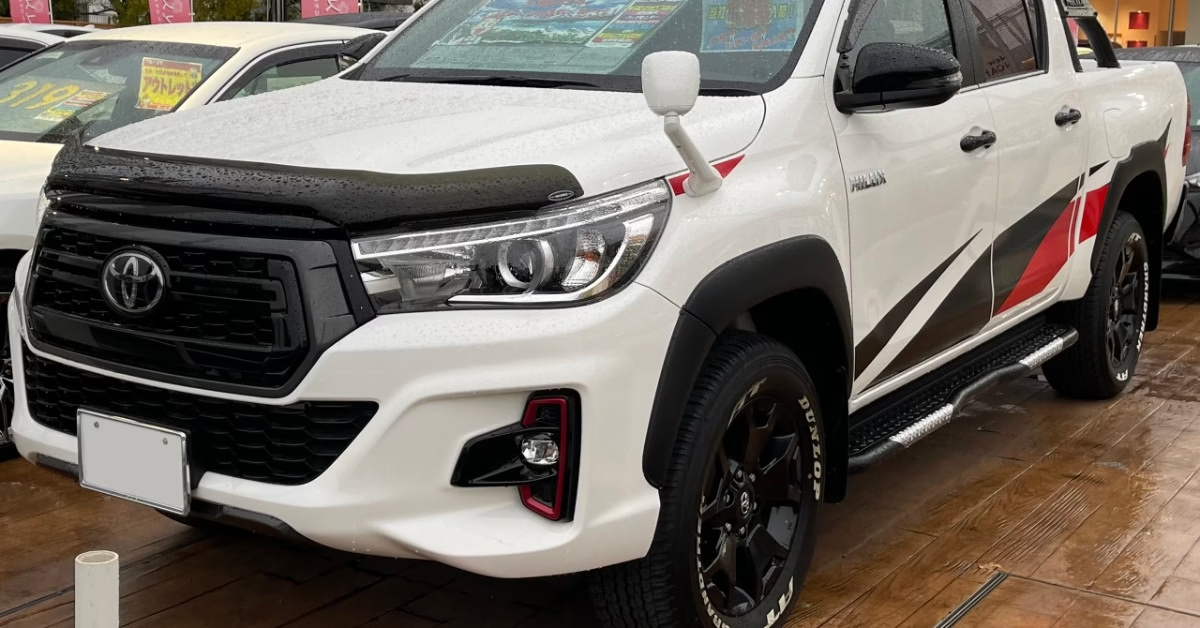
Because the 2GD is a shorter-stroke version of the same design, most 2GD engine problems are the same ones covered above. What changes is where you’ll find it and what it’s suited to.
Same DPF Story, Smaller Engine
The Australian ruling covered the 2.4 and the 2.8 together, and nothing in its findings treated the smaller engine differently. Toyota’s DPF guide gives 2GD Hilux owners the same regeneration advice, and when Toyota added the manual regeneration switch in 2018, it went on both the 2.4 and 2.8 Hilux. If you’re buying a 2GD with a DPF, ask the same questions you would of a 1GD.
Where You’ll Meet a 2GD
The most common route into East Africa is the Japanese-market Hilux. Toyota sold that truck in Japan from 2017 with only the 2GD, rated at 110 kW and 400 Nm and paired with a six-speed automatic, and its model code is GUN125, often with a QDF or 3DF prefix. You’ll also find the 2GD in 2.4-badged Fortuner and Hilux models built in Thailand for other markets.
Choosing Between the 2.4 and 2.8
At launch the 2GD made 50 Nm less than the 1GD, and later versions of the 1GD were tuned well beyond that, with the Japanese-spec Land Cruiser 70 rated at 150 kW and 500 Nm. For a pickup carrying moderate loads on tarmac, the 2.4 has enough. For towing, heavy loads or a large SUV like the Prado, the 1GD’s extra torque means the engine works less hard for the same job.

Is the 1GD Engine Reliable?
So, is the 1GD engine reliable? On the evidence, yes, as long as its emissions system is healthy and it gets the fuel and oil it was designed for. The faults on record are real, but each has a published fix, and Toyota’s own choices say a lot about its confidence in the engine.
What the Record Shows
The best-documented faults are the DPF defect, the camshaft and rocker wear bulletin and the 2019 fuel pipe recall, and Toyota has a fix for all three. More than a decade after launch, Toyota still uses the 1GD in the Land Cruiser Prado, the Land Cruiser 70 and the new-generation Hilux that went on sale in 2026. The risk with a used 1GD lies less in the design than in the history of the car you’re looking at: whether its DPF was looked after, whether the fixes were applied and what went into its tank and sump.
1GD vs 1KD: What You’re Trading
Moving from a 1KD to a 1GD swaps one set of worries for another. The 1KD’s weak spots are its injectors, its injector seat washers and the cracked pistons that follow when those are neglected, plus a timing belt that needs changing on schedule. The 1GD drops the belt for chains and brings more torque from less fuel, but a DPF-equipped one asks for low-sulphur diesel, low-ash oil and a driving pattern that lets the filter clean itself. If you can’t guarantee those, an older KD car with good records may cost you less, even though it’s the older design.

What to Check Before You Buy a 1GD or 2GD
A GD car needs a slightly different inspection from a KD car. The engine itself is younger, so the questions shift from wear towards the emissions system, the fixes Toyota has published and how the car has been fuelled and serviced.
Confirm the Engine and the Exhaust Hardware
Start with the model code on the paperwork. A GDJ150 Prado has the 1GD, and a Japanese-market GUN125 Hilux has the 2GD. Then match the code to the engine number on the block. Finally, find out what’s on the exhaust: whether there’s a DPF, a manual regeneration switch on the dash and a urea filler. Each one changes what the car will need from you.
Ask About the DPF History
Ask how often DPF warnings have appeared, how often the owner runs a manual regeneration and whether the filter has ever been cleaned or replaced. On an Australian-market car from 2015 to 2020, ask whether the 2020 fix was applied. A car whose DPF has been removed or disabled may show no warnings at all, but it no longer matches the specification it was built to, and Toyota’s own guidance says not to modify the exhaust.
Scan It and Read the Paperwork
Have a mechanic scan the engine computer for stored codes. P2463, the generic code for soot build-up in the DPF, is the one to look out for. Then go through the service records for the oil grade used, the camshaft and rocker work on pre-2021 1GD engines and any recall campaigns. A car serviced on the wrong oil, or one with no records at all, should be priced as if the DPF will need attention.
Frequently Asked Questions (FAQ)
What goes wrong most often on the 1GD?
The diesel particulate filter system, especially on vehicles from 2015 to 2020. Toyota has also published a fix for camshaft and rocker arm wear, and recalled some 2019 Prado and HiAce vehicles over a fuel pipe that could leak.
Does every 1GD have a DPF?
No. Toyota fits emissions equipment to suit each market. Australian-market GD vehicles have a DPF, and European and Japanese specifications also use urea SCR. Check the car itself rather than assuming.
Is the 1GD engine reliable?
Yes, if its emissions system is healthy and it gets low-sulphur diesel and low-ash oil. Its documented faults have published fixes, and Toyota still uses the engine in its newest Hilux and Land Cruiser models.
What is the difference between the 1GD and 2GD?
The 1GD is a 2.8-litre engine and the 2GD a 2.4-litre version of the same design, with a shorter stroke. At launch the 1GD made 130 kW and 450 Nm and the 2GD 110 kW and 400 Nm. They share the same DPF issues.
What oil does a 1GD with a DPF need?
Toyota specifies low-ash oil: ACEA C2 0W-30 for Hilux and Fortuner built up to May 2020 and Prado up to July 2020, and ACEA C5 0W-20 for later vehicles. Check the owner’s manual for your exact car.
Cleaner, Stronger and Fussier
The GD engines did what Toyota built them to do. They make more torque than the KDs, use less fuel and run cleaner, and Toyota trusts the 1GD enough to keep it in its newest trucks. The price is an emissions system that needs the right fuel, the right oil and the right kind of driving, and an early DPF design that failed Australian owners until Toyota fixed it in 2020. Buy a 1GD or 2GD with a clear DPF history, the published fixes done and records showing the correct oil, and you’re getting one of the best mid-size diesels Toyota has made. Buy one without them, and you’re taking on its weakest point.