
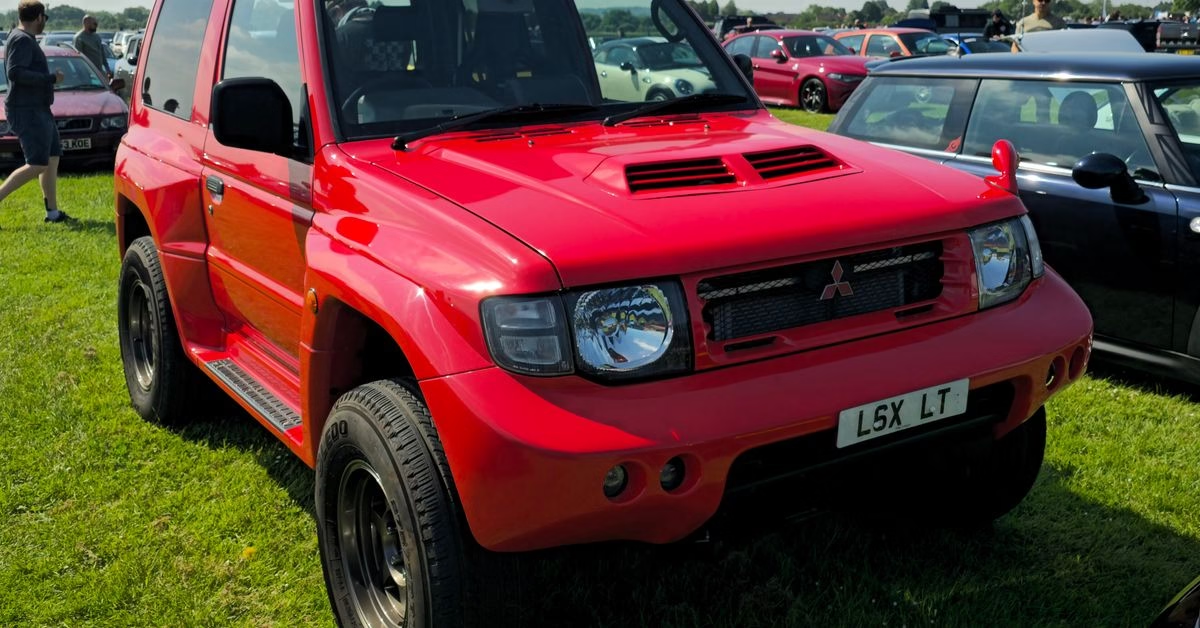
Short wheelbase 4x4s are lighter, turn tighter and crest ridges that leave longer trucks stranded on their bellies. Most people still buy the long version, which is half the reason the short ones are so much fun to own. A quick note on names: Americans call this shape a 2 door SUV, while buyers in the UK and across Africa say three-door, because the tailgate counts as a door. Same cars. We’ve ranked 15 of the best on three tests: how hard each one is to find, how hard it is to keep running and how extreme it gets on or off the road. The more a car asks of you, the further down the list it sits.
Table of Contents
The Ranking at a Glance
Here’s how the 15 stack up before we get into each one. The ratings compare these cars with each other, not with everything on sale, and the countdown runs from the easiest to own at 15 to the most demanding at number one.
| Rank | Car | Hard to find | Hard to keep running | Extremity |
|---|---|---|---|---|
| 15 | Toyota RAV4 three-door | Low | Low | Low |
| 14 | Suzuki Grand Vitara three-door | Low | Low | Medium |
| 13 | Suzuki Jimny | Medium | Low | Medium |
| 12 | Jeep Wrangler two-door | Medium | Medium | Medium |
| 11 | Ford Bronco two-door | High | Medium | Medium |
| 10 | Toyota Land Cruiser Prado three-door | Medium | Low | Medium |
| 9 | Mitsubishi Pajero SWB | Medium | Medium | Medium |
| 8 | Isuzu Trooper and Bighorn SWB | Medium | High | Medium |
| 7 | Nissan Patrol Y61 SWB | Medium | Medium | High |
| 6 | Toyota Land Cruiser 70 SWB | High | Low | High |
| 5 | Land Rover Defender 90 | Medium | High | High |
| 4 | Mercedes-Benz G-Class SWB | High | High | High |
| 3 | Range Rover Classic two-door | Extreme | High | Medium |
| 2 | Toyota FJ40 Land Cruiser | Extreme | High | High |
| 1 | Mitsubishi Pajero Evolution | Extreme | Extreme | Extreme |
15. Toyota RAV4 Three-Door
| Years | 1994–2005 (three-door) |
| Engines | 2.0 petrol (1.8 petrol on two-wheel-drive versions) |
| 4×4 hardware | Permanent 4WD on 2.0 models, no low range |
| Find one | Used, widely available |
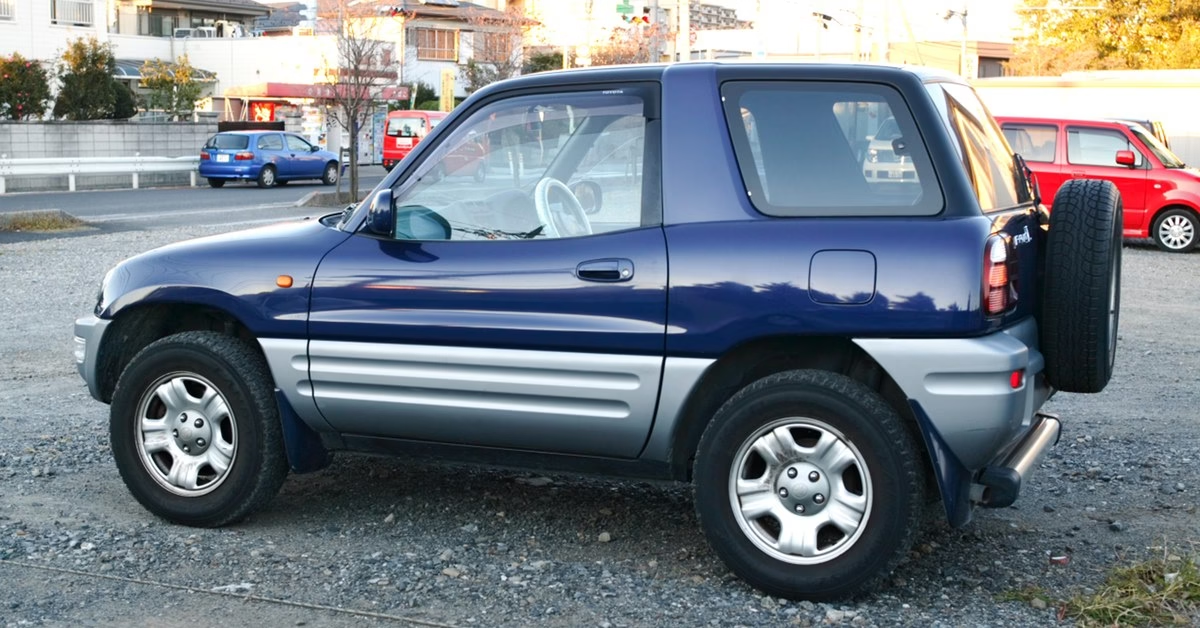
The RAV4 is the car that taught the world a 4×4 could be cheeky. Toyota launched it in 1994 as a three-door built on a platform that borrowed from the Carina and Corolla, and the original is tiny, riding on a wheelbase of about 2.2 metres. From 1997 there was even a soft-top version, and Toyota kept a three-door in the range until the second generation ended.
It’s the most sensible car on this list because almost nothing about owning one is hard. Toyota parts are everywhere, the 2.0-litre petrol is unstressed and any garage can service it. What you give up is capability. This is a car-based soft-roader with no low range, so gravel roads and wet grass are its natural limit, not rock steps.
Buy on condition rather than mileage. Check the sills and rear arches for rust, and on four-wheel-drive cars listen for clunks or binding from the drivetrain at full lock.
14. Suzuki Grand Vitara Three-Door
| Years | 1998–2015 (two generations) |
| Engines | 1.6 and 2.0 petrol, turbodiesels |
| 4×4 hardware | Ladder frame and low range to 2005; built-in frame after, with low range on all but the 1.6 petrol |
| Find one | Used, widely available |
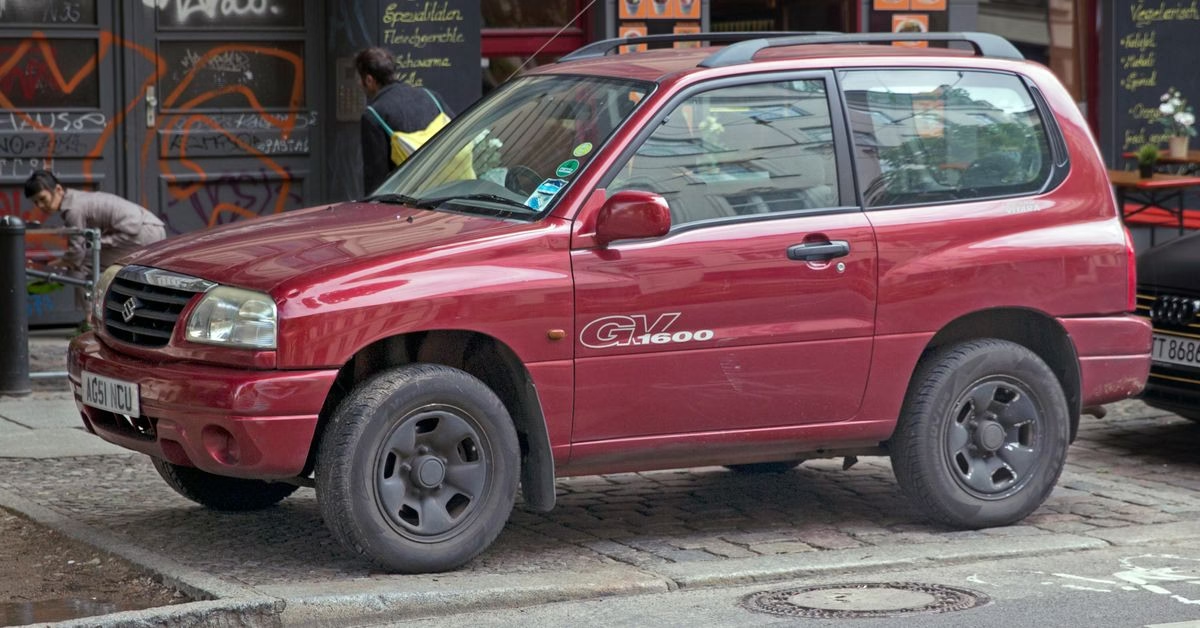
The Grand Vitara looks like a soft-roader but often isn’t, and which version you buy decides everything. The 1998 to 2005 car rides on a full ladder-frame chassis with a low-range gearbox, and the three-door hardtop joined the range in 2000. That’s proper 4×4 hardware in a body small enough to park anywhere.
The 2005 replacement swapped the separate chassis for a monocoque body with a ladder frame built into it, which made it far better on tarmac. The catch is that the entry 1.6-litre petrol three-door has no low range at all. Turbodiesel three-doors, which arrived in 2007 in some markets, kept the dual-range system and its lockable centre differential.
If you want an off-roader, buy the older ladder-frame car or a later diesel, and skip the 1.6 petrol unless it’ll never leave the road. Either way, running costs sit close to an ordinary hatchback’s.
13. Suzuki Jimny
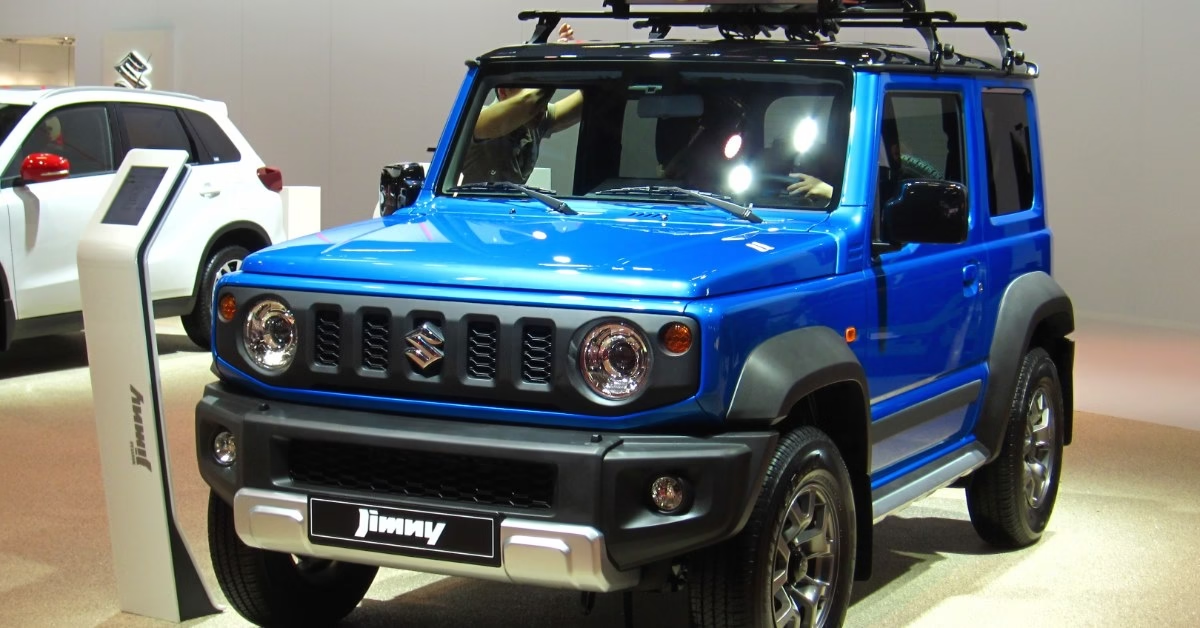
| Years | 2018–present (current generation) |
| Engines | 1.5 petrol (660cc turbo kei version in Japan) |
| 4×4 hardware | Ladder frame, solid axles, low range |
| Find one | New with waiting lists in some markets; used prices stay high |
The current Jimny is the rare new car that buyers will wait years for. It keeps the formula that made its ancestors legends: a ladder frame, solid axles, low range and a body narrow enough to slip between trees that stop bigger trucks.
Getting one is the hard part. Suzuki withdrew the Jimny from Europe ahead of 2025 emissions limits, while in Australia the three-door went back on sale for 2026 after a safety update. In Japan, demand for the longer five-door Jimny Nomade pushed the waiting list to about four years before Suzuki reopened orders in January 2026. That scarcity keeps used prices stubbornly high almost everywhere.
Living with one is easy. The mechanicals are shared with a huge global fleet and fuel use is modest. What you trade is space and motorway comfort, because the Jimny feels busy at highway speeds and the rear seats suit children or luggage, not adults.
12. Jeep Wrangler Two-Door
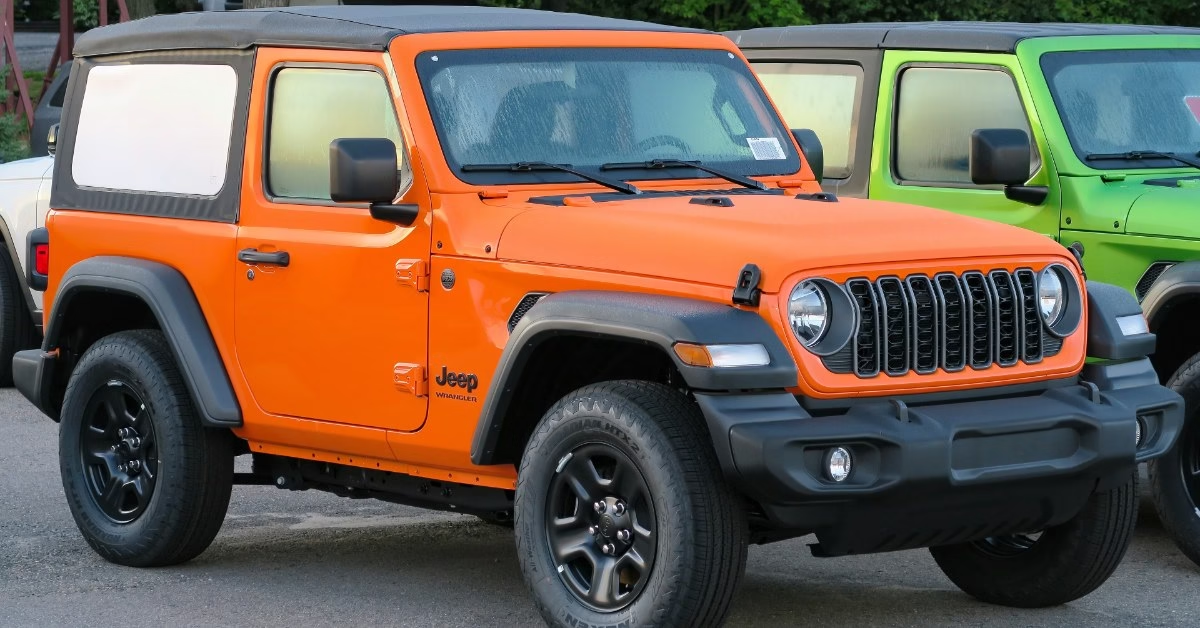
| Years | 2018–present (JL generation) |
| Engines | Turbo four-cylinder and V6 petrol, varying by market |
| 4×4 hardware | Body-on-frame, solid axles, low range |
| Find one | New in North America; limited trims elsewhere |
For American buyers, the two-door Wrangler is the default answer to the short 4×4 question, and Jeep still builds it for 2026. The two-door seats four, against five in the four-door Unlimited, and keeps everything that makes a Wrangler a Wrangler: body-on-frame construction, solid axles, removable doors and a fold-down windscreen.
It ranks above the Jimny because it asks more of you. The two-door is the minority choice even in the US, and outside North America the range thins quickly. Jeep Australia’s 2026 line-up, for example, offers the Rubicon in two-door and four-door forms and nothing else, so parts and know-how are plentiful in America and much patchier elsewhere.
The reward is the most modifiable vehicle on this list. Jeep’s own performance parts catalogue and the wider aftermarket mean a two-door Wrangler can be built into almost anything.
11. Ford Bronco Two-Door
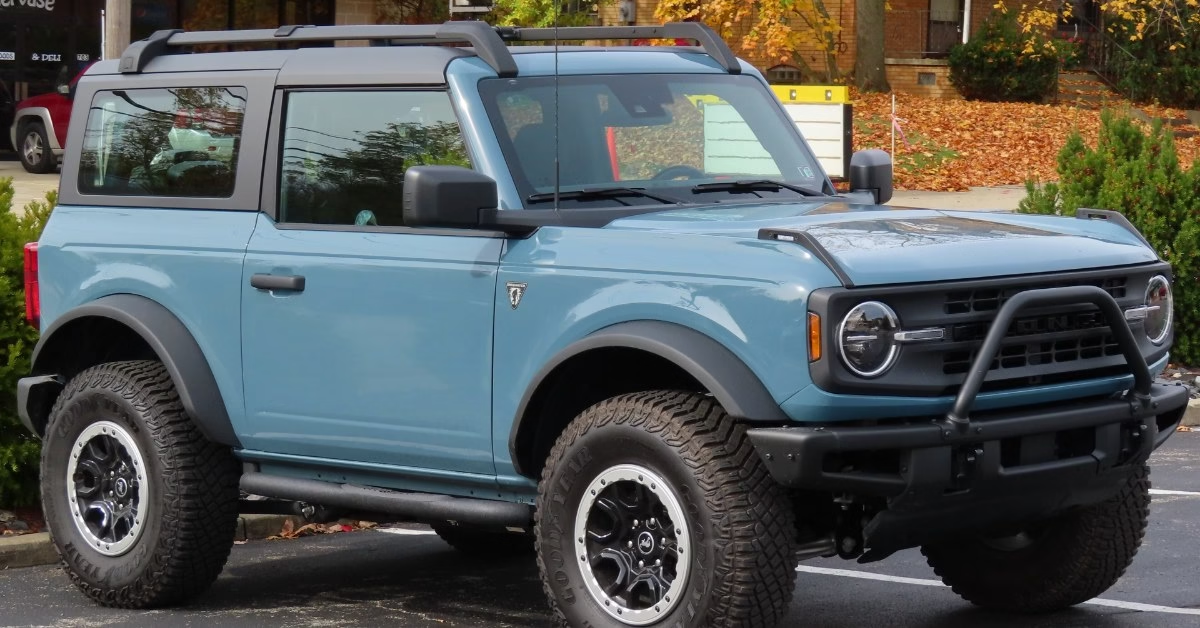
| Years | 2021–present |
| Engines | Turbo four-cylinder and V6 petrol |
| 4×4 hardware | Body-on-frame, low range, removable doors and roof |
| Find one | New in North America; rare elsewhere |
Ford revived the Bronco for 2021 after a 25-year break, and the two-door is the version that looks most like the 1960s original. Like the Wrangler, it lets you take the doors and roof off, and it seats four.
For 2026, Ford has narrowed the two-door to just the Base and Badlands trims, so the choice is basic or the hardcore off-road spec with nothing in between. That suits enthusiasts, because the Badlands is the one to want for trail work anyway.
Its ranking comes down to findability. In the US it’s an easy buy with strong resale values. Anywhere else it’s a rare import, which turns parts, servicing and finance into a project of their own.
10. Toyota Land Cruiser Prado Three-Door
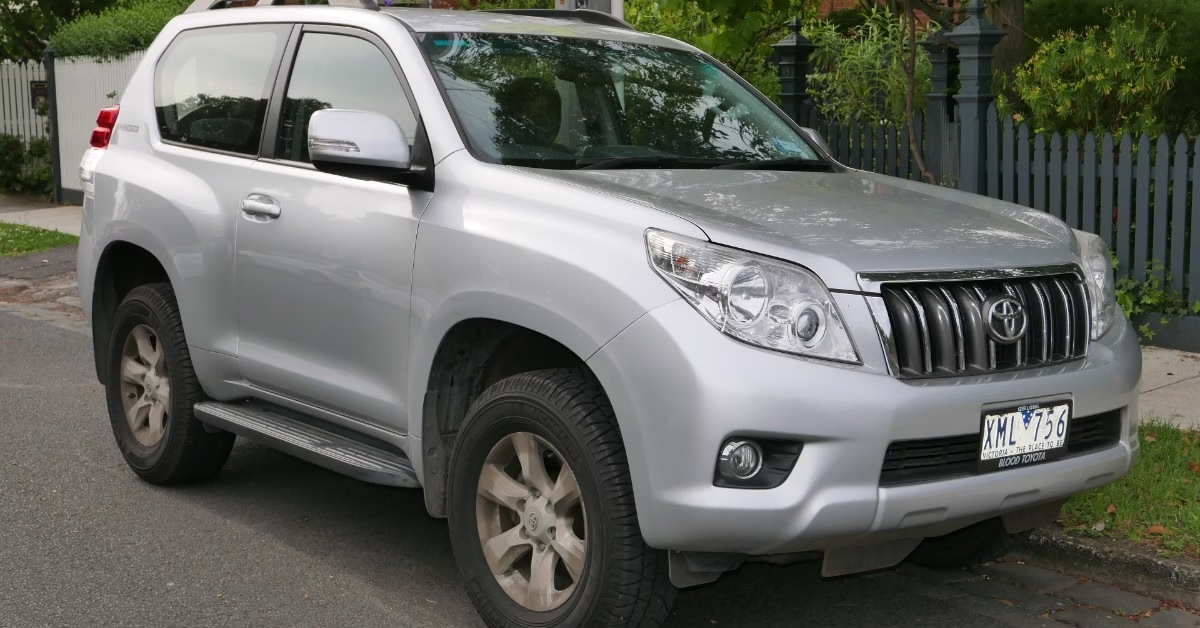
| Years | 1996–2013 (90, 120 and 150 Series) |
| Engines | 1KZ-TE and 1KD-FTV diesels; 2.7, 3.4 and 4.0 petrol |
| 4×4 hardware | Ladder frame, low range, independent front, live rear axle |
| Find one | Used, but far rarer than the five-door |
Three generations of Prado came in a short three-door body, and each is a different buy. The 90 Series arrived in May 1996 with a 2,370 mm wheelbase and a choice of a 3.4-litre V6, a 2.7-litre four-cylinder petrol or the 1KZ-TE turbodiesel. Toyota’s own Land Cruiser Prado history records that the diesel gained an intercooler for the 90 Series and gave way to the common-rail 1KD-FTV in July 2000.
The 1KZ-TE is loved but has a reputation for overheating and cracked cylinder heads, so check the cooling system history before you buy. The 120 Series three-door, the KDJ125, came with the 1KD-FTV in Europe, and the 150 Series kept a three-door in markets such as Australia until 2013. On any 1KD car, read up on the 1KD-FTV’s weak spots before handing over money.
It ranks this high because Toyota parts support is outstanding almost everywhere. The three-door’s only real problem is that far fewer were built than five-doors, so good ones take some finding.

9. Mitsubishi Pajero SWB
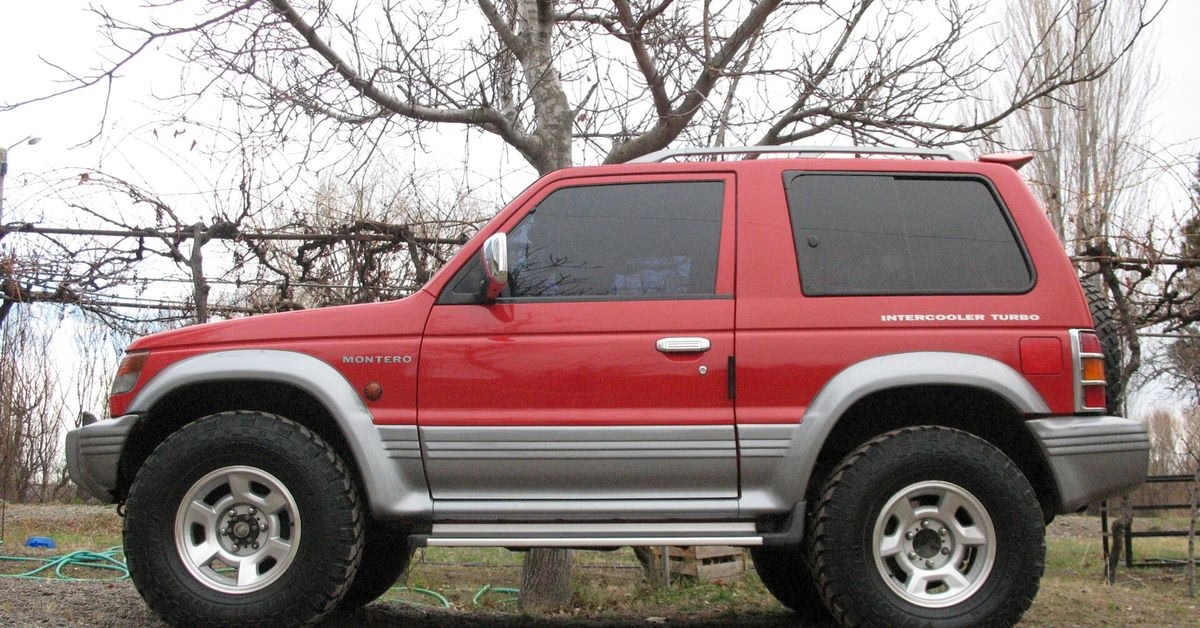
| Years | 1991–2021 (second to fourth generations) |
| Engines | Turbodiesel fours and petrol V6s, by generation |
| 4×4 hardware | Low range on every generation |
| Find one | Used only; production ended in 2021 |
Mitsubishi built the Pajero in short and long wheelbases, as three-doors and five-doors, from the very start. The SWB three-door earned a strong reputation for crossing dunes and rough tracks, and it was still on sale in South Africa as late as 2014.
The trouble is time. Mitsubishi ended Pajero production in 2021 and closed the Sakahogi plant that built it, which was later sold to a paper manufacturer. There won’t be another generation, so the parts supply gets a little harder every year.
That makes generation choice important. Later cars are more refined and safer, while earlier ones are simpler to fix far from a workshop. Whichever you pick, buy from a seller with service records, check that low range engages cleanly and budget for sourcing parts from specialists rather than a dealer counter.
8. Isuzu Trooper and Bighorn SWB
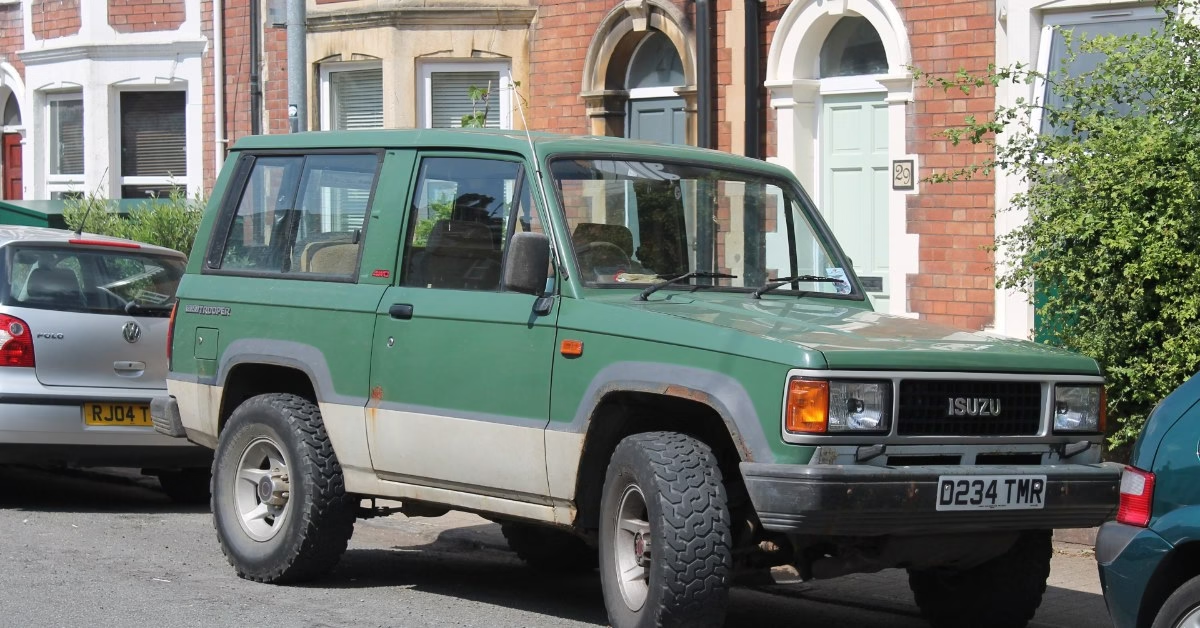
| Years | 1981–2002 |
| Engines | Turbodiesel fours and petrol V6s, by market |
| 4×4 hardware | Ladder frame, low range |
| Find one | Used and cheap, but parts are scarce |
The Trooper is the forgotten one, and that’s both its appeal and its problem. Across two generations it wore a surprising number of badges: Isuzu Bighorn in Japan, Holden Jackaroo in Australia, Vauxhall or Opel Monterey in Europe, Honda Horizon and even Acura SLX. Short wheelbase versions are common on the second-hand market, often more common than long ones.
On the trail, owners describe it as nearly unstoppable. The trouble starts when something breaks. Isuzu stopped selling passenger cars in Japan in 2002 and left the US consumer market in 2009, and without a dealer network behind them, many Trooper-specific parts have become hard to find. Overlanders who know the model warn that spares in remote areas will be very limited.
That’s why it sits this low despite modest prices. Buy one only if you can find a specialist or a donor car.
7. Nissan Patrol Y61 SWB
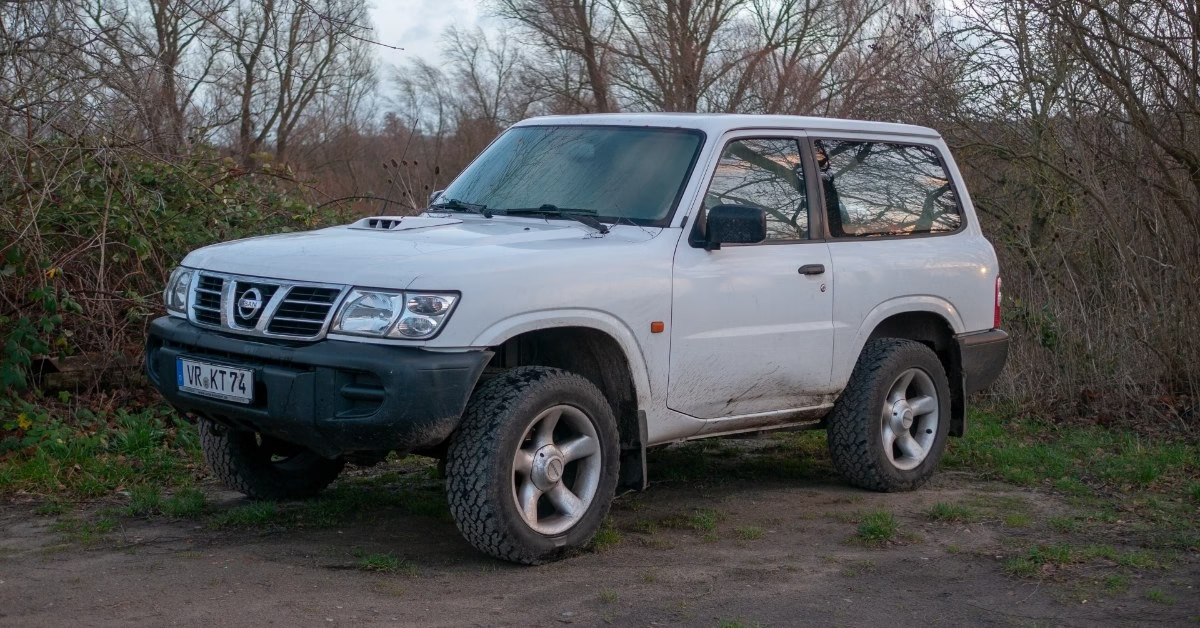
| Years | 1997–2016 (Y61) |
| Engines | TD42 and ZD30 diesels; TB45 and TB48 petrol |
| 4×4 hardware | Ladder frame, solid axles front and rear, low range |
| Find one | Used |
The Y61 is the last full-size Patrol with solid axles at both ends, and the short wheelbase version is a properly serious 4×4 in a compact package. Engine choice decides almost everything about owning one.
The 4.2-litre TD42 turbodiesel built the Patrol’s reputation. It’s big, unstressed and widely regarded as the pick of the range, though it came only with a five-speed manual. The 3.0-litre ZD30, introduced in 2000, is the one to approach with care. It developed a reputation for piston failure when it ran too hot, and Nissan made things worse by originally specifying too little engine oil, which led to oil starvation.
Many ZD30s ran happily for years, so buy one only with proof of careful maintenance and cooling upgrades. Get the engine right and the Y61 SWB is one of the toughest short-wheelbase trucks on this list.
6. Toyota Land Cruiser 70 SWB
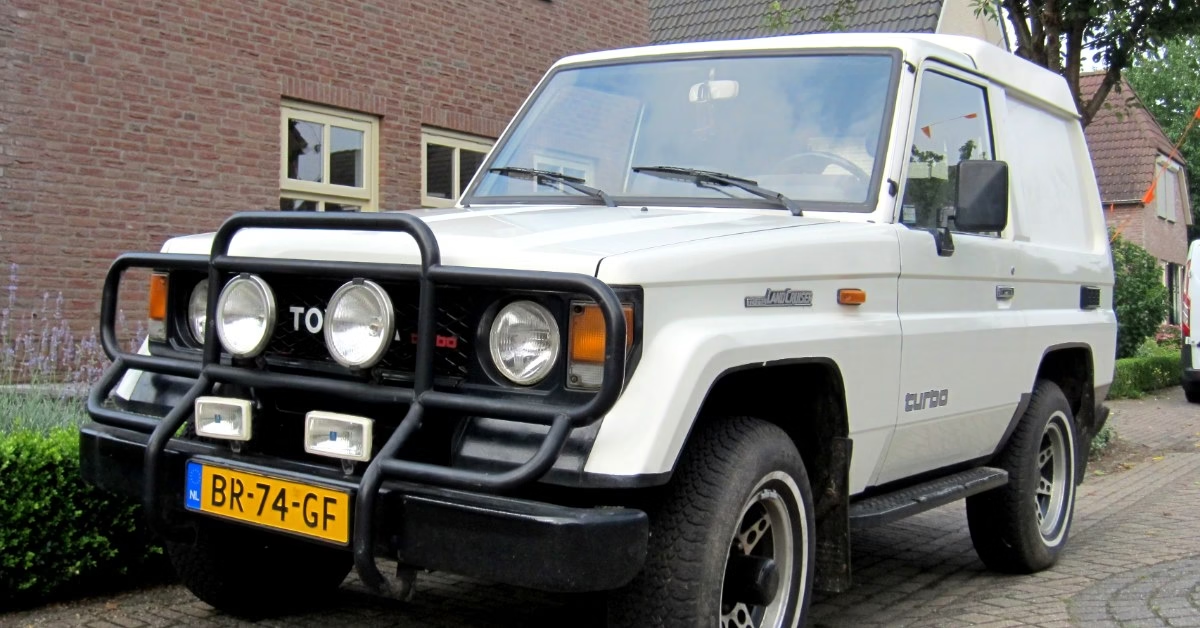
| Years | 1984–present (71 Series three-door) |
| Engines | Varied over its life; the current UAE model uses a 4.0 V6 petrol |
| 4×4 hardware | Ladder frame, solid axles, low range |
| Find one | New in the UAE; older examples are scarce |
The short 70 Series, officially the 71 Series, is simple, mechanical and nearly unbreakable. It ranks this far down not because it’s fragile but because it’s hard to find. Toyota Australia last sold the three-door in 1992, and for years it was missing from most markets.
Then Toyota brought it back. With the late-2023 facelift, the three-door went on sale new in the United Arab Emirates on a 2,310 mm wheelbase, shorter than a Kia Picanto’s. The Gulf version uses the 4.0-litre 1GR-FE petrol V6 with 170 kW and a six-speed automatic, with no diesel offered. Since many used 4x4s reach East Africa through the Gulf, the new shorty isn’t as out of reach as it sounds.
Older 71s are agricultural to drive, but the mechanical simplicity is the point. Check for chassis rust and signs of hard off-road use, then enjoy a truck that could outlive its owner.
5. Land Rover Defender 90
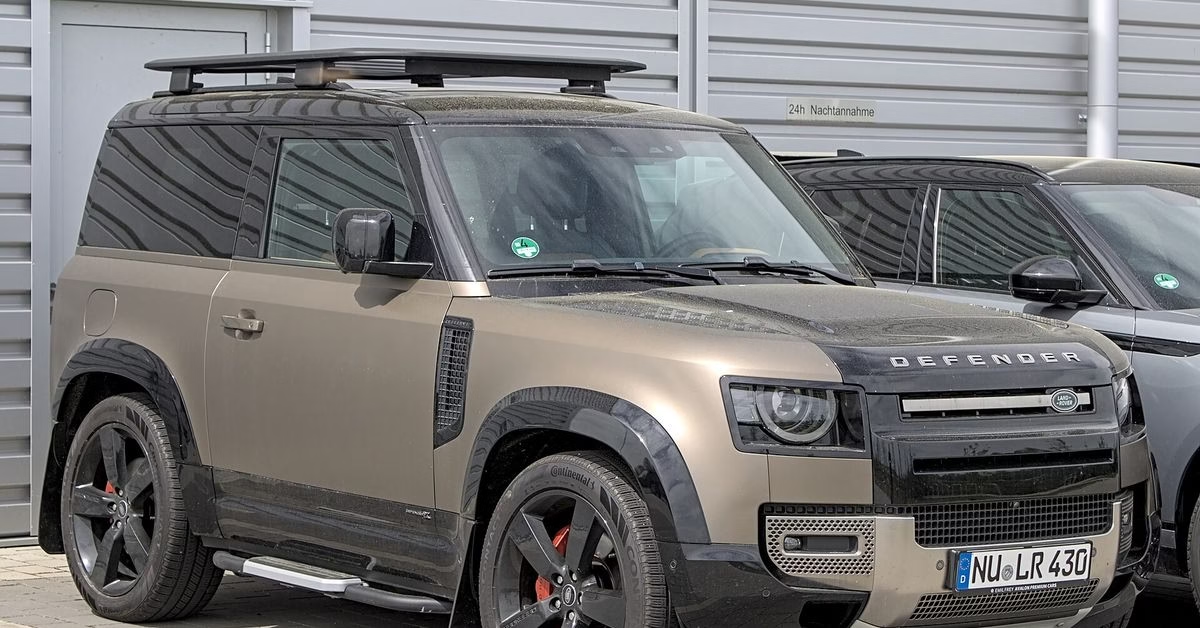
| Years | 1983–2016 (classic); 2020–present (new) |
| Engines | Classic: diesels including Td5 and TDCi; new: petrol and six-cylinder diesels |
| 4×4 hardware | Classic: ladder frame, solid axles; new: independent suspension |
| Find one | New, or used classic |
There are really two cars under this name. The classic Defender 90 belongs to a line that ran from 1983 to 2016, with an aluminium body on a steel chassis and mechanicals that bush mechanics understand. The later Td5 and TDCi diesels are the common buys. Expect leaks, rust in the chassis and bulkhead, and a lot of character.
The new L663 Defender 90 arrived in 2020 and is a very different machine. It’s still a three-door, now with a side-hinged rear door, independent suspension and, in the UK, six-cylinder mild-hybrid diesels. It’s far more refined and remarkably capable, but it’s packed with electronics that only a dealer or a well-equipped specialist can diagnose.
Both score high for keeping them alive, for opposite reasons. The classic needs constant attention and the new one needs expensive attention, so choose the kind of trouble you’d rather live with.
4. Mercedes-Benz G-Class SWB
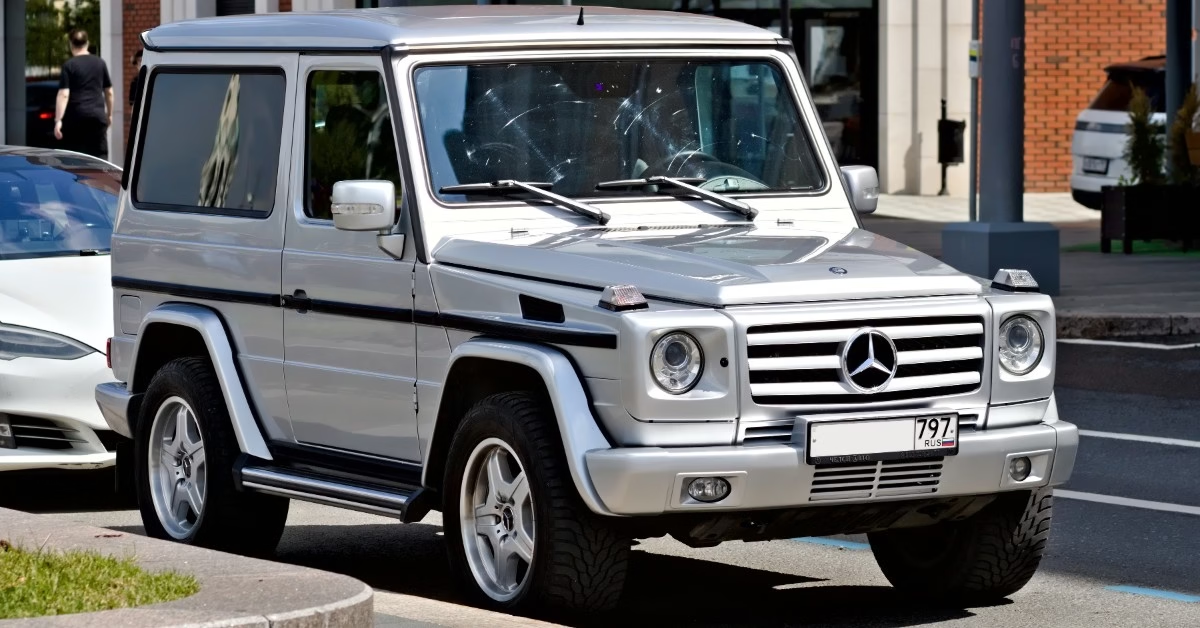
| Years | 1979–2018 |
| Engines | Petrol and diesel fours, sixes and V8s |
| 4×4 hardware | Ladder frame, low range, locking differentials |
| Find one | Used only |
The short G-Class is military-grade hardware with a luxury badge. The original W460 started a line that the W463 continued from 1990, offered as a three-door short wheelbase, a two-door short wheelbase cabriolet and a five-door long wheelbase. Mercedes ended the cabriolet in 2013 with a run of 200 Final Edition cars, and W463 production ran until 2018.
Today’s G-Class is sold only as a five-door, so the short three-door is a used-only proposition, and that’s where the trouble starts. Everything on a G is engineered to a very high standard, and parts are priced to match. A well-kept short G will go almost anywhere, but servicing, suspension work and rust repair cost far more than on the Japanese trucks above.
Buy the most complete, best-documented example you can afford. A cheap short G is usually just an expensive one in disguise.
3. Range Rover Classic Two-Door
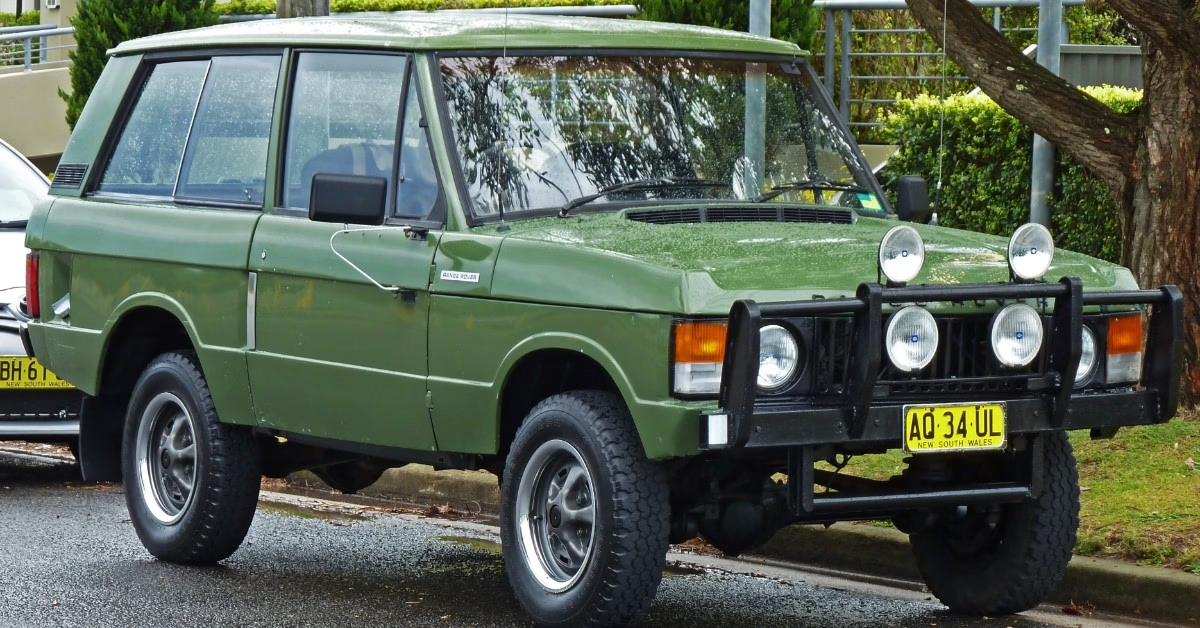
| Years | 1970–1994 (two-door) |
| Engines | 3.5 and 3.9 V8 petrol; diesels from 1986 |
| 4×4 hardware | Permanent 4WD, dual range, coil springs |
| Find one | Collector market |
The luxury SUV started here. Land Rover launched the Range Rover in June 1970 with coil springs, permanent four-wheel drive and disc brakes on all four wheels, which was groundbreaking for a 4×4 at the time. For its first 11 years it was sold only as a two-door, and the four-door didn’t arrive until 1981.
After that, the two-door became harder to get but stayed in production for some markets, mainly France, until 1994. In 1990, Land Rover built 200 CSK two-doors with a 3.9-litre V8, and they’re now among the most sought-after Range Rovers of all. Early cars also won the four-wheel-drive class at the Paris-Dakar Rally in 1979 and 1981.
Owning one means accepting old British engineering. The aluminium skin hangs on a steel frame that rusts, the electrics can be temperamental, and good early two-doors now command classic-car prices. The reward is the original Range Rover in its purest form.
2. Toyota FJ40 Land Cruiser
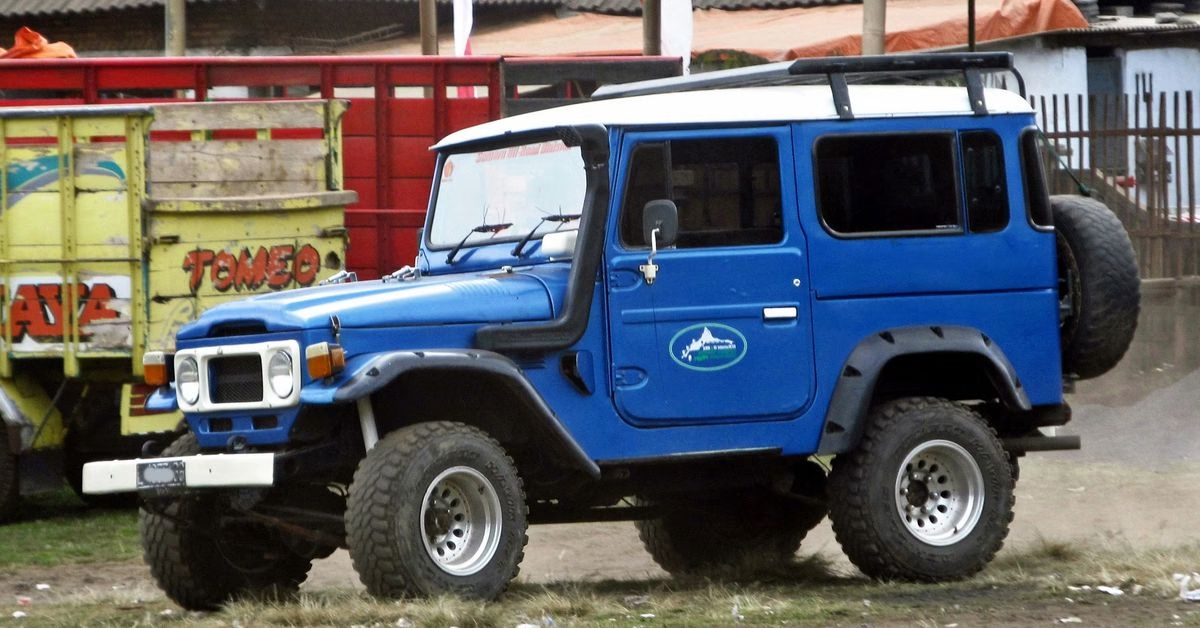
| Years | 1960–1984 (Brazilian Bandeirante to 2001) |
| Engines | Inline-six petrol; diesel versions in some markets |
| 4×4 hardware | Ladder frame, leaf springs, low range |
| Find one | Collector market |
The FJ40 is arguably the definitive 20th-century 4×4. Toyota built it from 1960 to 1984 in most markets, Brazil kept making its own version, the Bandeirante, until 2001, and in the early 1960s it was Toyota’s best-selling vehicle in the US.
It earns second place because ownership is a commitment on every front. Values have risen sharply over the past decade, the bodywork rusts with enthusiasm, and the ride, noise and steering are pure 1960s truck. Restored examples are rarely cheap, and unrestored ones usually need more work than they appear to.
The mechanical side is the good news. The FJ40 is simple, robust and backed by a large restoration community, so almost anything can be fixed or remade. Buy the most solid body you can find, because mechanicals are cheap to sort and rust is not.

1. Mitsubishi Pajero Evolution
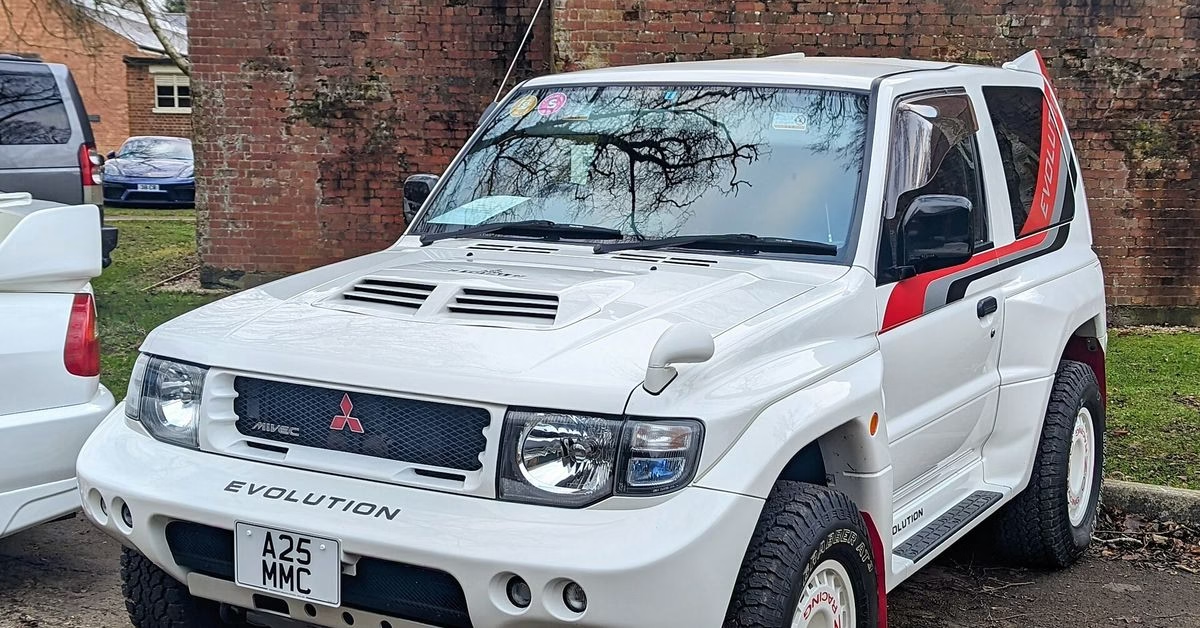
| Years | 1997–1999 |
| Engines | 3.5 V6 petrol (6G74 MIVEC), about 280 hp |
| 4×4 hardware | Low range, locking centre differential, limited-slip differentials, independent suspension all round |
| Find one | Collector market; about 2,693 built |
The Pajero Evolution is the most unhinged two-door 4×4 ever sold to the public. Mitsubishi built it from 1997 to 1999 to homologate the Pajero for the Dakar Rally’s production-based T2 class, and most sources put the total at 2,693 road cars. It’s based on the second-generation three-door Pajero, but it’s barely the same vehicle.
Under the bonnet sits a 3.5-litre 6G74 V6 with MIVEC variable valve timing and about 280 hp. The suspension is unique, with double wishbones at the front and a multi-link independent rear that Mitsubishi called ARMIE, and the flared arches, scoops and spoiler are all there for a reason. The racing record backs it up: Mitsubishi finished first, second and third at the 1998 Dakar, and Pajeros won the rally 12 times between 1985 and 2007.
That rarity is the problem as well as the point. Body panels, suspension parts and trim are specific to the Evolution, so a crash or a broken part can mean months of searching. It’s the hardest car here to find, the hardest to keep and the most extreme, which is exactly why it’s number one.
Honourable Mentions
A list of 15 always leaves someone out. These six deserve a mention, and any of them would make an exciting short-wheelbase garage companion.
- Chevrolet K5 Blazer: the full-size American two-door with a removable roof, now a firm classic favourite.
- Original Ford Bronco: the first-generation car the modern Bronco was built to remember, and now priced like it.
- Daihatsu Rocky and Feroza: small, tough and largely forgotten Japanese two-doors that reward anyone who can find one.
- Nissan Terrano three-door: a capable rival to the Pajero SWB, though parts are getting harder to find.
- Toyota Hilux Surf (N60): the first-generation Surf, sold as the 4Runner in the US, came as a two-door with a removable rear top and Hilux toughness underneath.
- Mitsubishi Pajero iO SWB: the compact three-door Pajero of the late 1990s and 2000s, sold as the Pinin in Europe, with real low range in a body not much bigger than a hatchback.
Frequently Asked Questions (FAQ)
Does Toyota still make a two-door SUV?
In a limited way. The three-door Land Cruiser 70, known as the 71 Series, went back on sale in the United Arab Emirates in late 2023 with a 4.0-litre petrol V6. The three-door RAV4 and Prado are no longer built, so in most markets they’re used buys.
Is a three-door SUV the same as a two-door SUV?
Yes. The difference is how the doors are counted. In the UK and many African markets the tailgate counts as a door, so a car with two side doors is a three-door. In the US the same car is called a two-door.
Which short wheelbase 4×4 is best off-road?
For serious terrain, the solid-axle trucks lead: the Land Cruiser 70, Nissan Patrol Y61, Suzuki Jimny, Jeep Wrangler and classic Defender 90. A short wheelbase improves breakover angle and turning circle, but it costs cargo space and some stability at speed.
Which two-door 4×4 is easiest to own?
The RAV4 and Grand Vitara have the lowest running costs. For a proper 4×4 with low range, the Prado three-door is the easiest to live with thanks to Toyota’s parts support.
Pick Your Kind of Trouble
Every car on this list trades space for something better: agility, character or sheer fun. If you want one to use rather than display, the Prado three-door, the Jimny and a carefully chosen Y61 Patrol give you the most adventure for the least heartache. If you want a story to tell, keep moving up the list until your budget, or your patience with parts suppliers, runs out.