
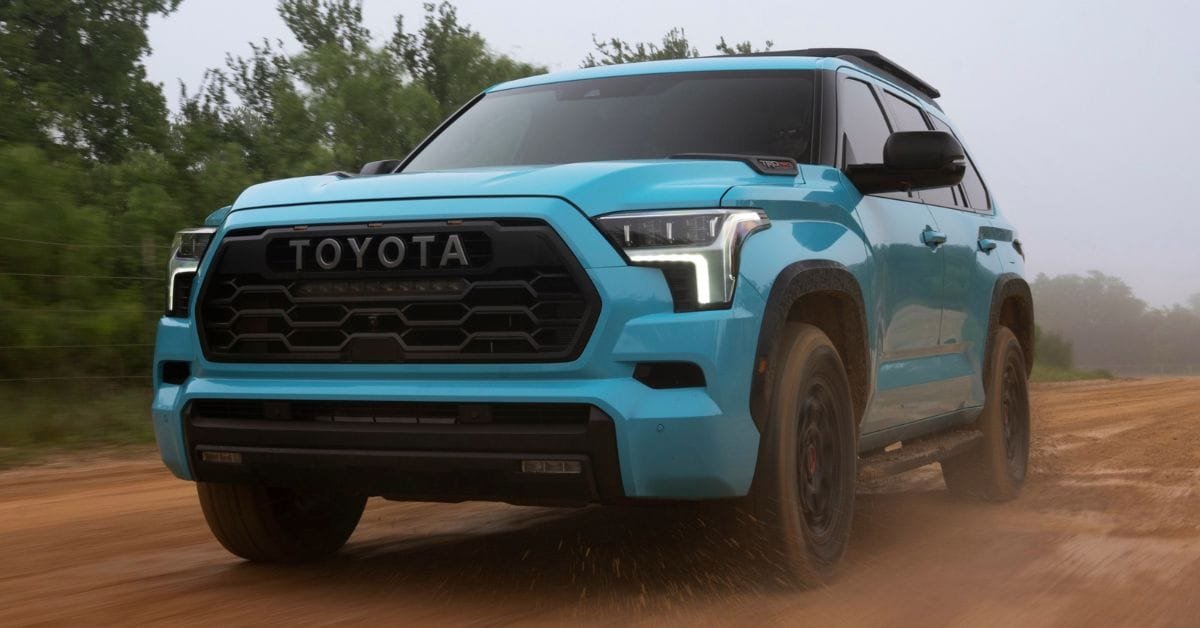
Walk any dealer lot in 2026, and you’ll see “SUV” stamped on everything from a compact hatchback to a three-row behemoth. The term has become meaningless as a marketing label — which is exactly why the SUV vs crossover distinction actually matters when you’re spending $35,000 or more. These two vehicle types look similar from the outside but are built on entirely different foundations — and that has real consequences for how they drive, tow, handle off-road, and sip fuel. Here’s the honest breakdown.
Table of Contents
The Technical Difference Nobody Talks About
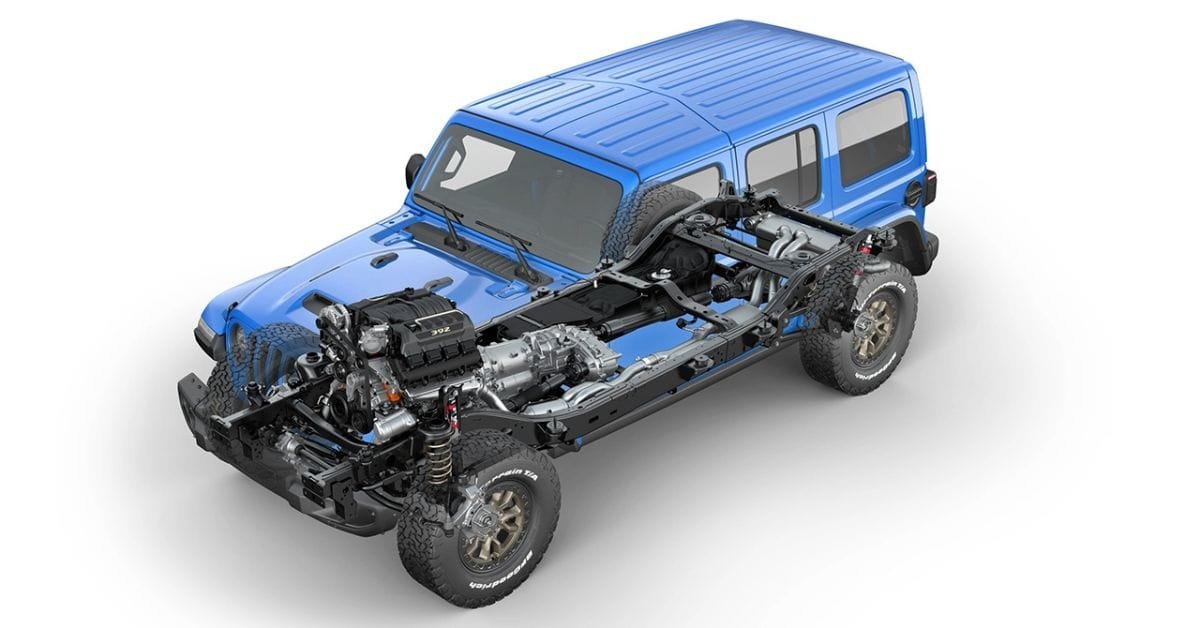
The real divide between a true SUV and a crossover comes down to one word: construction. It’s not about size, seating, or all-wheel drive. It’s about what’s underneath.
A traditional body-on-frame SUV is built exactly like a pickup truck — a rigid steel frame forms the backbone of the vehicle, and the body is bolted on top of it separately. That’s why a Chevrolet Tahoe shares its underpinnings with a Silverado 1500, and why a Ford Expedition is mechanically close cousins with an F-150. That shared DNA gives these vehicles serious towing muscle and genuine off-road durability.
A crossover, technically called a CUV (crossover utility vehicle), uses a unibody construction — the same approach used in sedans and hatchbacks. The body and frame are a single welded unit. That integrated structure is lighter, stiffer in everyday driving conditions, and designed to absorb road vibrations more smoothly. It’s why a Honda CR-V feels more like a car than a truck, even though it’s marketed as an SUV.
Body-on-frame = separate frame and body (truck-like). Unibody = fused structure (car-like). This single difference drives almost every practical trade-off between these two categories.
Why the Market Calls Everything an SUV
This is where things get confusing for buyers. Automakers realized years ago that “SUV” tested better with consumers than “wagon” or “crossover,” so they started labeling anything with a tall ride height and optional AWD as an SUV. Toyota calls the RAV4 an SUV. Hyundai calls the Tucson an SUV. Ford calls the Escape an SUV. None of them are — at least not in the traditional sense.
According to J.D. Power’s vehicle segmentation data, roughly 70 to 75 percent of what’s sold under the SUV umbrella in the US market today is actually unibody crossover construction. The true body-on-frame vehicles now occupy a narrower slice of the market, but they’re still very much alive in the full-size and off-road segments.
The practical takeaway: don’t rely on an automaker’s badge or marketing copy to tell you what you’re buying. Look at the platform spec, not the name on the tailgate.
What You Actually Feel Behind the Wheel
Crossovers: The Daily Driver’s Choice
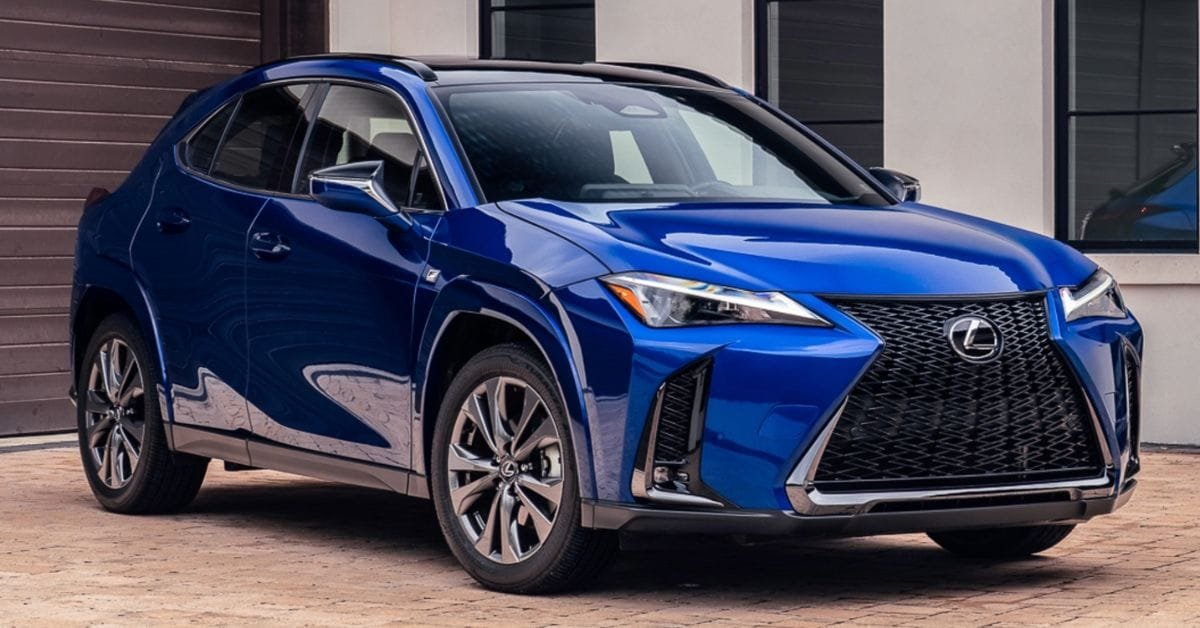
The unibody construction that defines crossovers translates directly into ride quality. Because there’s no separate rigid frame soaking up road energy, crossovers flex and absorb bumps through their integrated structure. The result is a smoother, quieter, more car-like experience — which is exactly what most buyers want for school runs, commutes, and highway road trips.
Crossovers also sit lower than body-on-frame SUVs, which improves handling. They’re easier to park, more fuel-efficient at almost every price point, and far easier to climb into and out of for shorter passengers or older drivers.
Body-on-Frame SUVs: The Specialist’s Tool
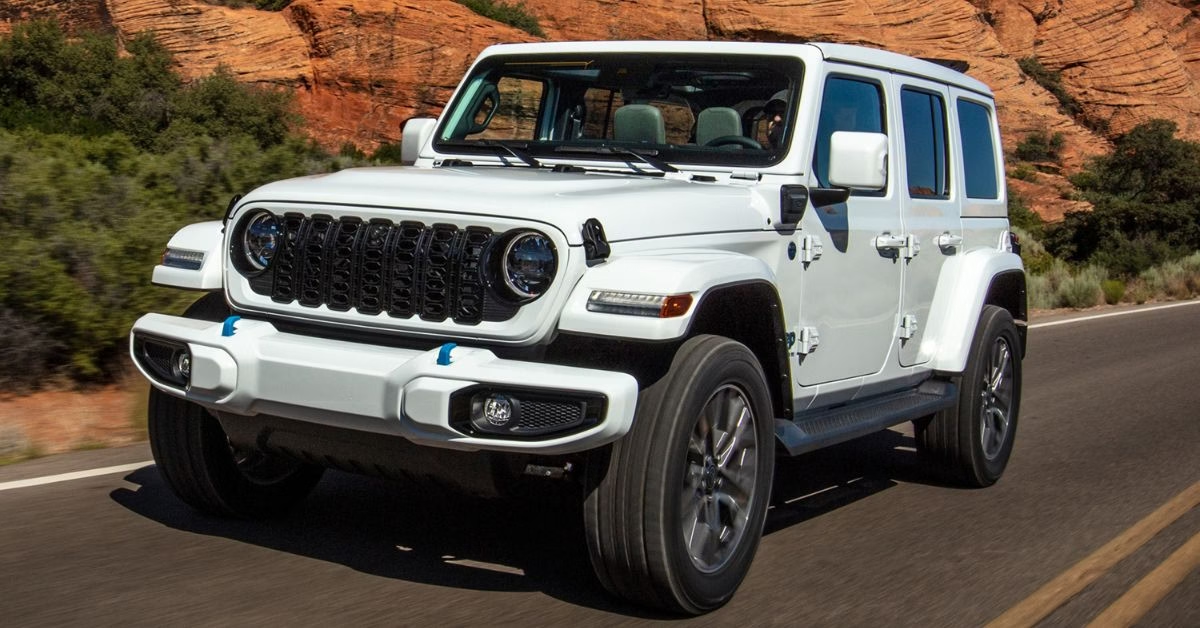
Get behind the wheel of a Chevy Tahoe, a Toyota 4Runner, or a Ford Expedition and you feel the trade-off immediately. There’s a deliberate firmness to the ride, a sense that the vehicle beneath you is built to take punishment rather than absorb it. On smooth highway miles, modern body-on-frame SUVs have gotten significantly more refined — but over rough terrain or uneven pavement, the distinction remains.
That stiffness is a feature, not a bug, if you’re towing a boat on weekends or driving through genuine backcountry. The separate frame distributes stress differently than a unibody, and it’s far more recoverable if something gets bent or damaged off-road.
Side-by-Side: Body-on-Frame SUV vs Crossover
| Feature | Body-on-Frame SUV | Crossover (Unibody) |
|---|---|---|
| Construction | Separate body & frame | Integrated body & frame |
| Ride Quality | Firmer, truck-like | Car-like, smoother |
| Handling | Higher center of gravity | Nimbler, lower & flatter |
| Fuel Economy | Lower (worse MPG) | Better overall MPG |
| Towing Capacity | Up to 8,700+ lbs | Up to ~5,000 lbs (most) |
| Off-Road Ability | Strong — purpose-built | Light duty to moderate |
| Cargo Space | Large, boxy load floor | Versatile, hatch-style |
| Examples | Tahoe, Expedition, 4Runner | RAV4, CR-V, Telluride |
Towing and Payload: Where True SUVs Still Dominate
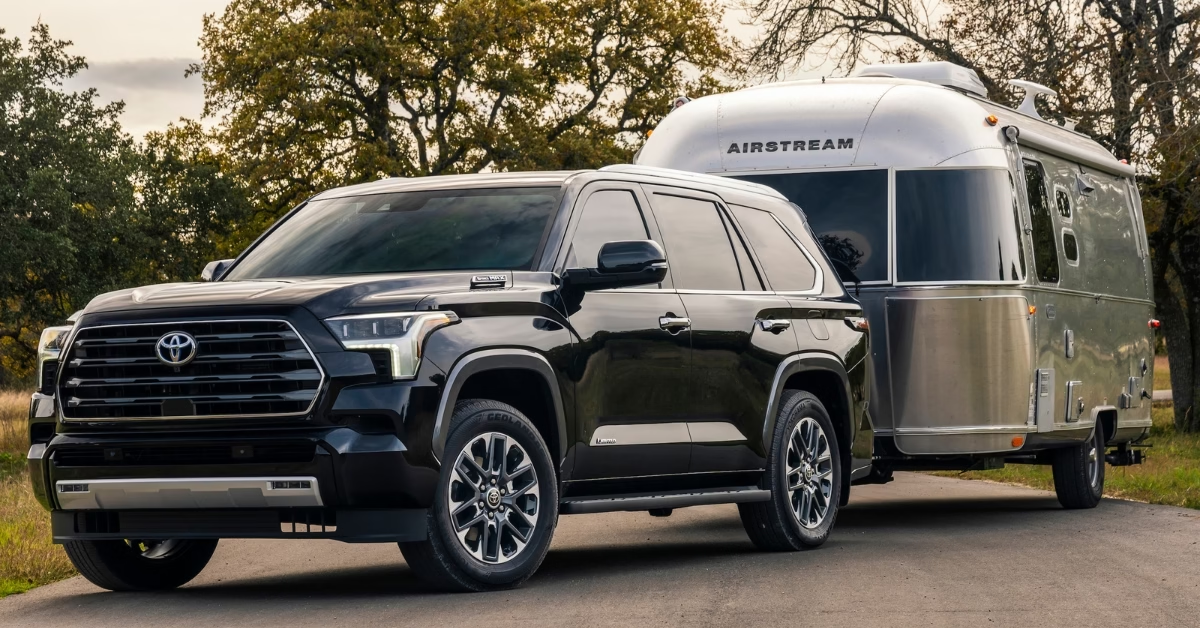
If you tow anything regularly — a trailer, a boat, a camper — this is where the choice gets easy. Full-size body-on-frame SUVs like the Chevrolet Tahoe (rated up to 8,400 lbs towing) and Ford Expedition (up to 9,300 lbs) operate in a completely different league from most crossovers.
The average crossover, even a large three-row like the Kia Telluride or Volkswagen Atlas, tops out around 5,000 lbs of towing capacity. Compact crossovers like the Honda CR-V or Ford Escape are typically limited to 1,500 to 3,500 lbs. That’s fine for a small utility trailer or a jet ski, but not a serious boat or fifth-wheel camper.
Worth noting: the body-on-frame towing advantage ties directly into the same platform advantages we covered in our full-size pickup truck comparison — because the Tahoe, Expedition, and their peers share frames with those very trucks.
Off-Road Capability: A Real Divide
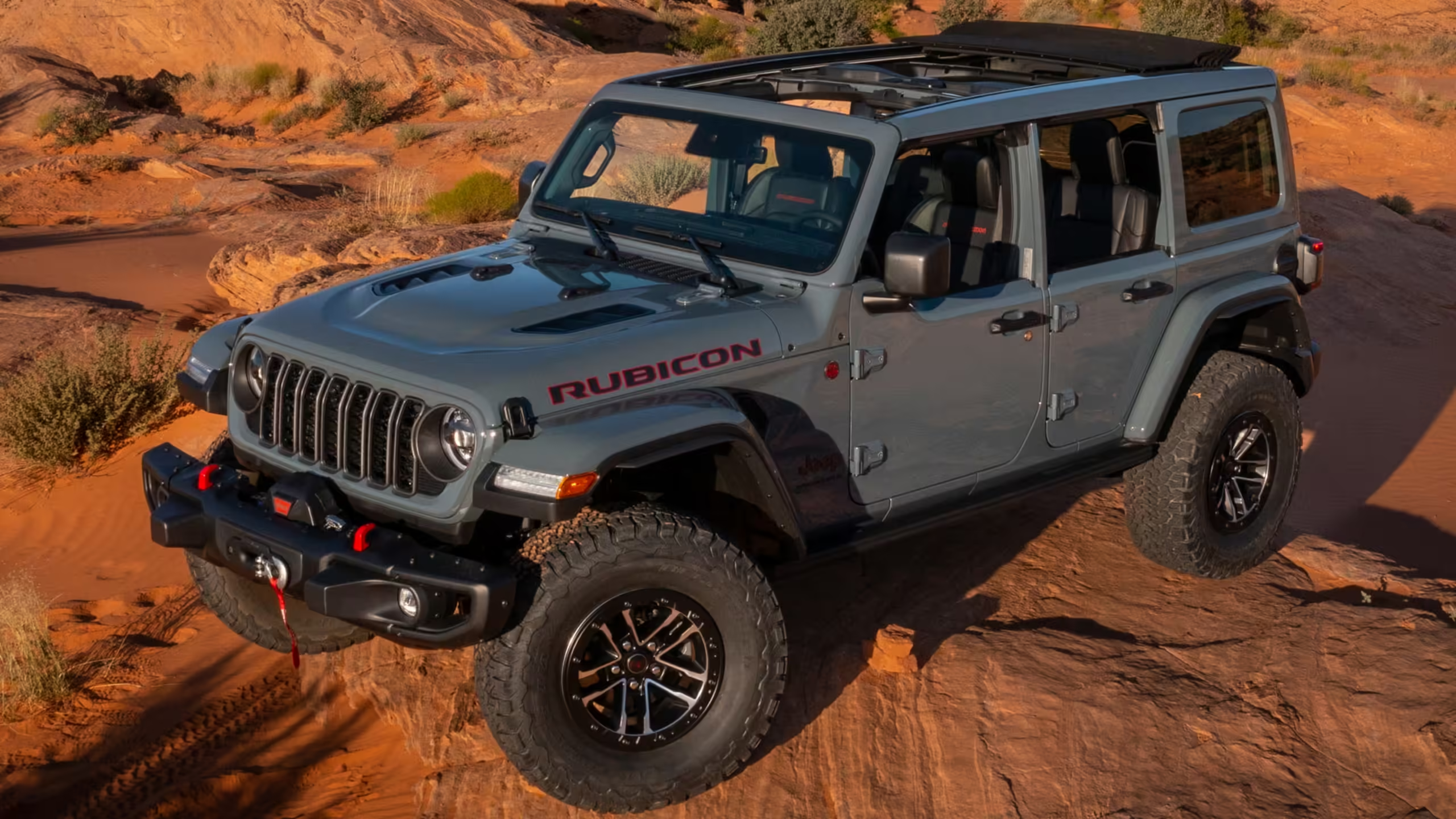
Most crossovers are equipped with all-wheel drive systems tuned for on-road traction recovery — think slippery roads and light gravel, not rock trails. Some, like the Subaru Forester or certain Jeep Cherokee configurations, lean harder into genuine off-road tuning, but the unibody platform sets a ceiling on capability.
The vehicles that were purpose-built for serious off-road use are almost universally body-on-frame: the Jeep Wrangler, Toyota 4Runner, Ford Bronco (full-size), and Chevrolet Colorado ZR2. These platforms allow for solid axles, real locking differentials, and the kind of articulation that keeps tires planted over challenging terrain.
For most buyers who stay on paved roads and occasional dirt trails, a crossover with AWD is more than capable. But if you’re planning serious overlanding or trail driving, body-on-frame is the honest answer.
Fuel Economy: Crossovers Win, But the Gap Is Closing
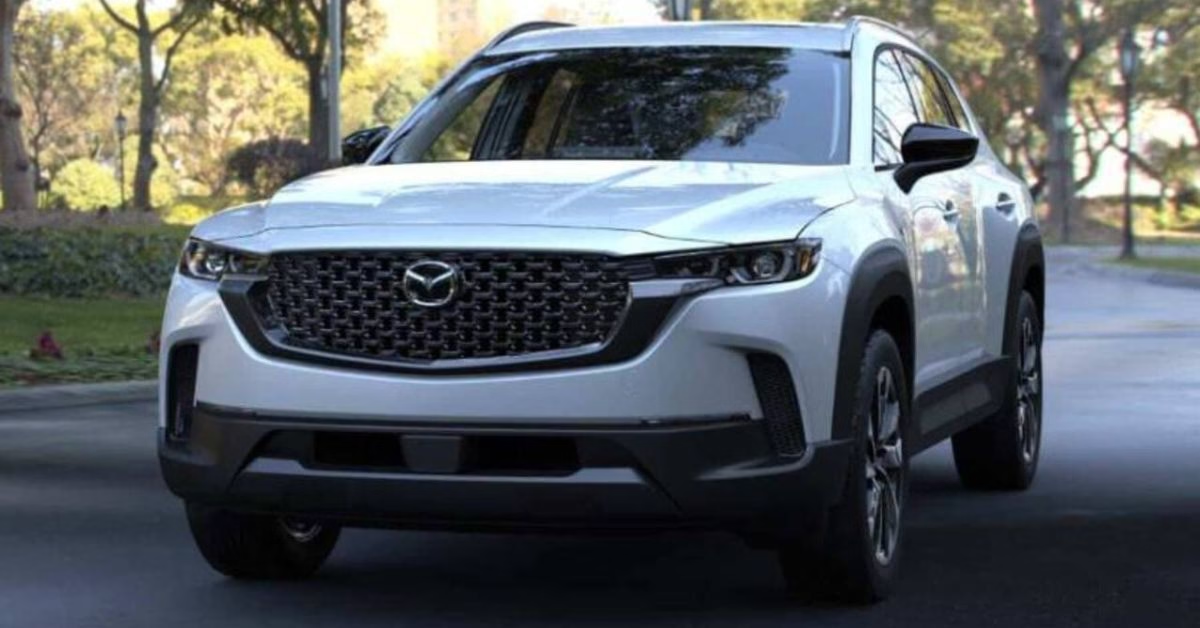
This was once a huge advantage for crossovers, and it’s still real, though the margin has narrowed. The 2026 Honda CR-V Hybrid returns up to 43 MPG combined. The Toyota RAV4 Hybrid manages 40 MPG combined. Even the non-hybrid Mazda CX-5 delivers around 29 MPG combined on the highway.
Compare that to a 2026 Chevy Tahoe at around 19 MPG combined (4WD) or a Ford Expedition at roughly 18 MPG combined, and the crossover advantage is obvious for everyday commuting budgets.
The EPA’s official fuel economy data for every vehicle on sale in the US is freely available at fueleconomy.gov — it’s the fastest way to compare real-world estimates before you visit a dealer.
That said, the full-size SUVs have made significant progress. Modern V8s paired with 10-speed automatics, plus the arrival of hybrid powertrains in the Chevrolet Tahoe and Suburban, have pushed efficiency numbers in a direction that would have been unthinkable a decade ago. If fuel economy is a top priority and you don’t need maximum towing, a crossover almost always wins. If you need the towing and hauling, the gap is easier to swallow than it used to be.
Three-Row Options: You Have Choices on Both Sides
One area where the two categories overlap heavily is three-row seating. If you need space for seven or eight people, you’re not locked into one platform type.
Three-Row Crossovers
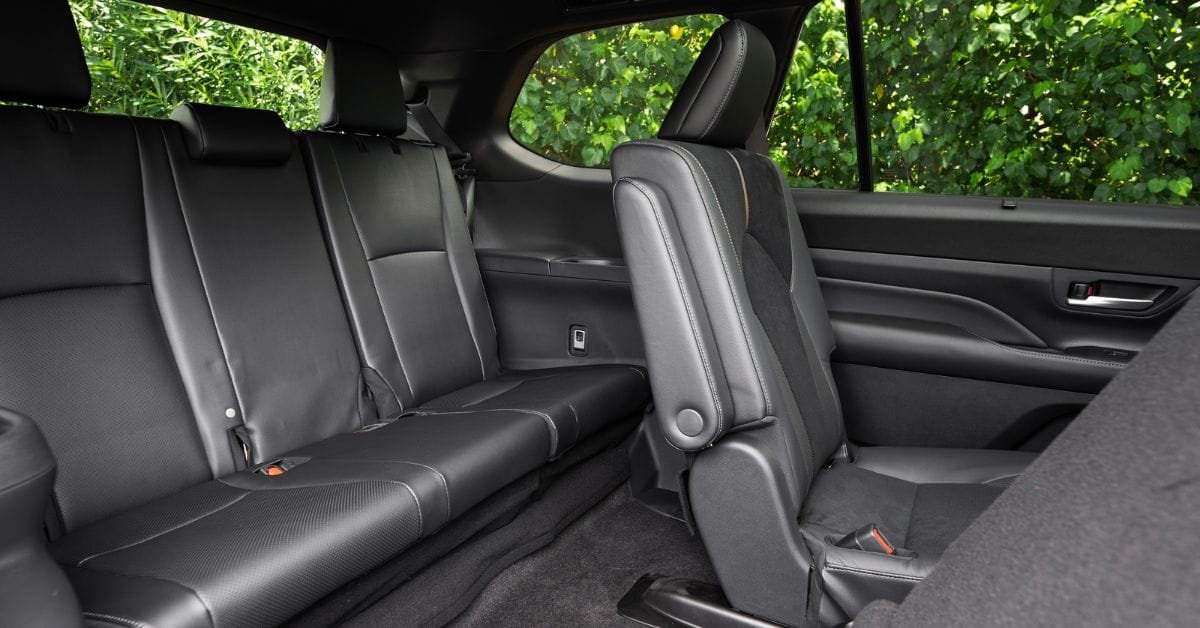
The three-row crossover segment has exploded over the past five years. The Kia Telluride consistently ranks at the top of its class, offering legitimate third-row legroom in a refined, fuel-efficient unibody package. The Hyundai Palisade, Volkswagen Atlas, Toyota Highlander, Mazda CX-90, and Chevrolet Traverse round out a segment with genuinely strong options for large families.
Three-Row Body-on-Frame SUVs
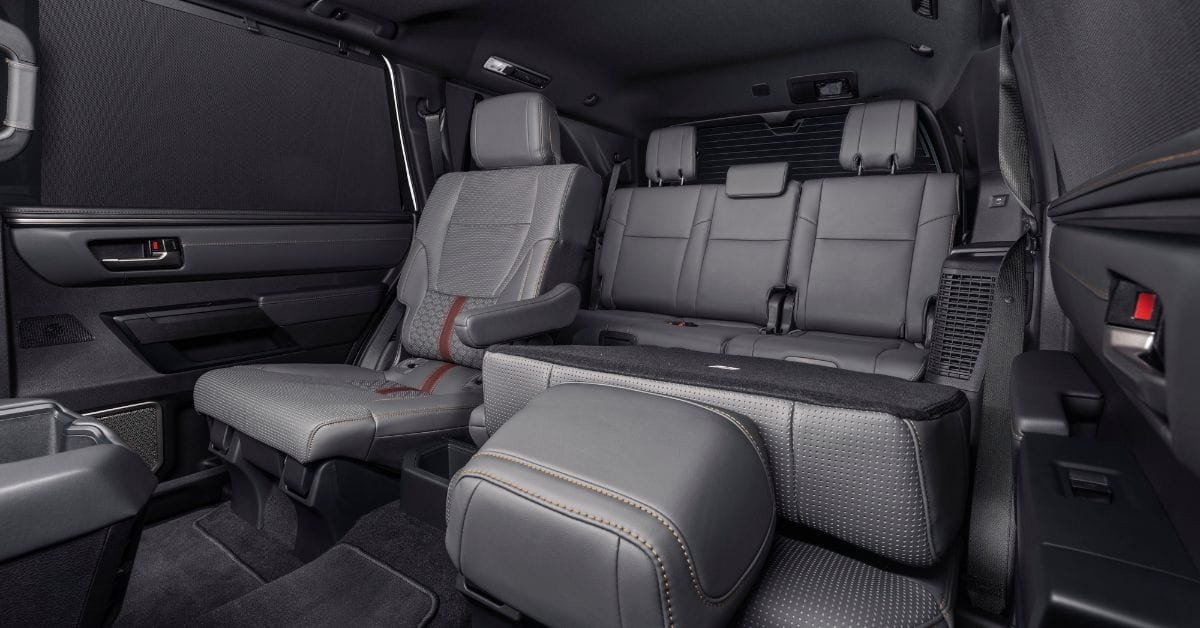
If you need maximum space, maximum towing, or true heavy-duty capability in a three-row vehicle, the full-sizers still win. The Chevrolet Tahoe, Suburban, GMC Yukon, Ford Expedition, and Toyota Sequoia all offer genuinely large third rows with cargo space behind them — something many three-row crossovers still struggle to deliver.
Which One Should You Actually Buy?
You primarily drive on paved roads and want a car-like, fuel-efficient experience. Families who don’t tow regularly and want lower running costs will find that nearly every three-row crossover on the market today outperforms the old body-on-frame benchmark on comfort, tech, and value.
You tow a trailer, boat, or camper regularly; you need legitimate off-road capability; or you want the maximum interior volume a three-row vehicle can offer. The utility trade-offs are real and worth every mile of fuel penalty if you’re actually using the capability.
For most buyers in our market today, a well-specced crossover covers 95 percent of what they need, at a lower price, with better fuel economy and a more comfortable daily experience. But we’d never tell a weekend overlander or someone hauling a 26-foot trailer that a Honda CR-V is the answer. Know what you need the vehicle to do, and the choice becomes obvious.
Frequently Asked Questions
Is a crossover the same as an SUV?
Technically, no. A true SUV uses body-on-frame construction — the same platform as a pickup truck. A crossover uses a unibody platform, like a car. Most vehicles marketed as SUVs today are actually crossovers, but automakers rarely draw the distinction in their advertising.
Which is safer — an SUV or a crossover?
Modern crossovers consistently earn strong safety ratings from both NHTSA and IIHS, and their lower center of gravity reduces rollover risk compared to traditional body-on-frame SUVs. That said, both types of vehicle are among the safest on the road when equipped with modern driver assistance systems. For specific ratings, check the IIHS or NHTSA databases before buying.
Do crossovers have real all-wheel drive?
Most do, but not all. Many crossovers offer AWD as an option — and it’s worth adding in snowy climates. Some entry-level trim levels come front-wheel drive only. AWD on a crossover is typically an electronically controlled on-demand system designed for road traction, not rock crawling.
Can a crossover tow a boat?
It depends on the boat. Small fishing boats, jet skis, and lightweight utility trailers fall within the 1,500 to 3,500 lb range that most compact crossovers handle comfortably. Larger boats above 4,000 to 5,000 lbs are better matched to a three-row crossover at the upper end of its capacity, or a full-size body-on-frame SUV.
What are the best crossovers to buy in 2026?
The Kia Telluride and Hyundai Palisade lead the three-row segment for value and quality. In the two-row space, the Toyota RAV4 Hybrid, Mazda CX-5, and Honda CR-V consistently top reliability and value rankings. For a full breakdown of affordable options, our guide to the best first cars under $15k covers the lower end of the market if budget is the primary concern.
Is a Jeep Grand Cherokee an SUV or a crossover?
As of the current generation (L model and standard), the Jeep Grand Cherokee uses a unibody platform — making it technically a crossover despite its off-road heritage. The Jeep Wrangler, by contrast, remains body-on-frame and is a true traditional SUV. It’s a good example of how branding and platform don’t always match.