
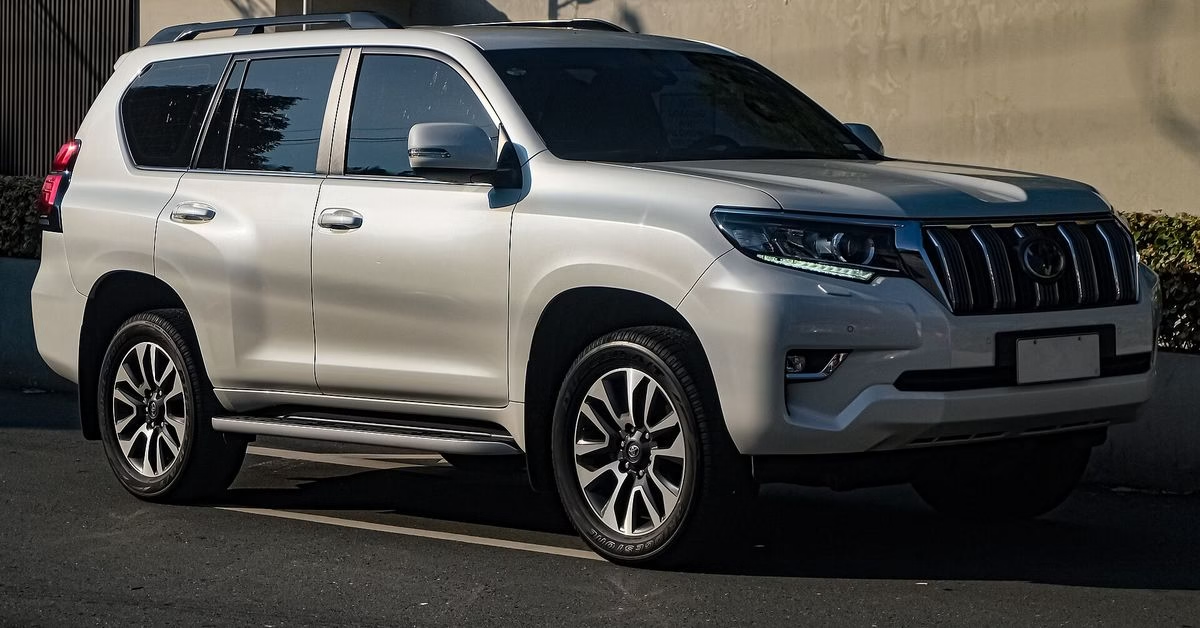
The 150-series Land Cruiser Prado stayed on sale for the best part of 15 years, and it’s now one of the most wanted used 4x4s anywhere rough roads and long distances are normal. That long run is exactly why buying one takes care. A 2010 Prado and a 2021 Prado share a name and a shape, but they can have different engines, different exhaust hardware and very different weak spots, and where the car was first sold matters as much as its year. This guide sorts real Prado 150 problems from forum noise, model by model and market by market, so you know what to check before you pay.
Table of Contents
Which Prado 150 Are You Looking At?
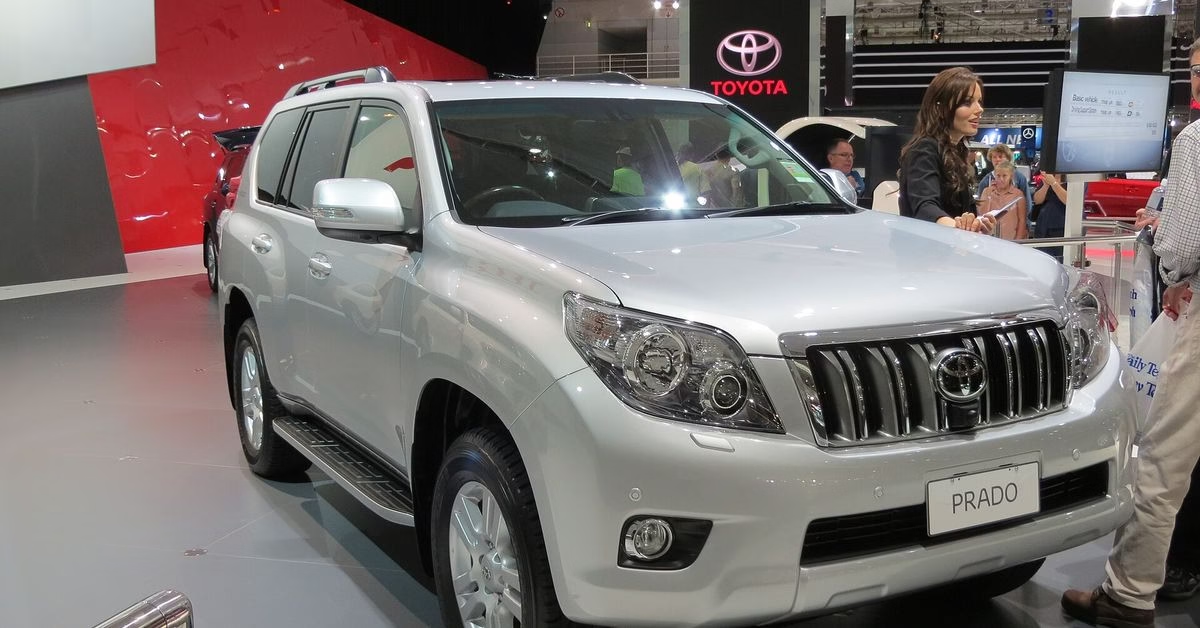
The 150 ran from 2009 until the 250 replaced it in 2024, and Toyota changed a lot under the skin along the way. Before you judge any car’s condition, pin down which version it is, because the year and the model code decide which problems you should be looking for.
Four Updates Over 15 Years
Toyota launched the fourth-generation Prado in Japan in September 2009, according to Toyota’s own Land Cruiser history, and Australia followed on 16 November that year. The first facelift came in 2013, with a new front end and LED lighting on upper grades, and in Australia it also killed off the slow-selling three-door. The biggest mechanical change arrived in 2015, when the 2.8-litre 1GD diesel and a six-speed automatic replaced the 3.0-litre 1KD and its five-speed auto in most markets.
A second facelift in September 2017 made Toyota Safety Sense standard and fitted LED headlights across the range. The last big update came in 2020, when the 1GD was uprated from 130 kW and 450 Nm to 150 kW and 500 Nm. That stronger engine reached Australia in August 2020 and South Africa in October 2020, and it’s the version most buyers chase today.
Read the Model Code First
The letters at the start of the model code tell you the engine, which saves a lot of guesswork. KDJ means the 1KD diesel and GDJ means the 1GD. TRJ is the 2.7-litre 2TR petrol four and GRJ the 4.0-litre 1GR petrol V6. So a KDJ150 is a 3.0 diesel and a GDJ150 a 2.8 diesel, whatever the badge on the tailgate says. The numbers after the letters shift with body style and market, so treat them as a cross-check against the body in front of you, then match the code to the engine block as you would on any used Toyota.
Japanese, Australian or South African?
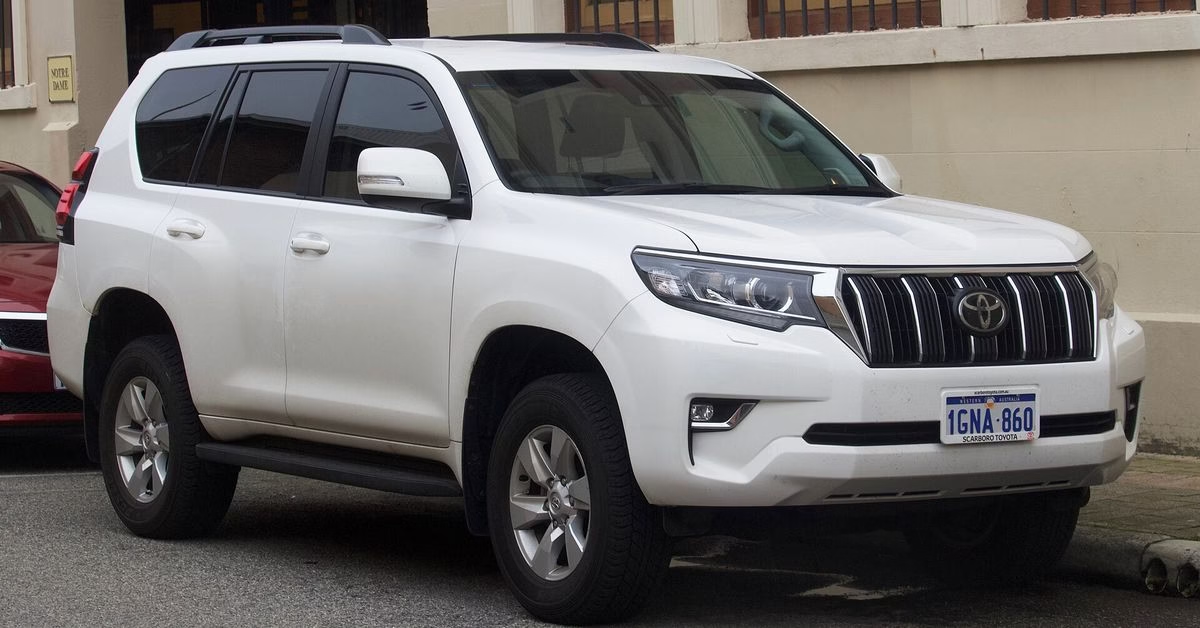
Most used 150s that change hands outside their home market started life in one of three places: Japan, Australia or South Africa. Each market got a different mix of engines, equipment and emissions hardware, so the country on the export paperwork tells you as much as the year does.
Japanese Imports: Petrol First, Then the 1GD
Japan only ever sold the long-wheelbase five-door 150, and for its first six years there was no diesel at all. The launch engines were the 2.7-litre petrol four and the 4.0-litre V6. Toyota brought diesel back to Japan in June 2015 with the 1GD, offered in TX, TX L Package and TZ-G grades, and dropped the V6 at the same time. In practice, that means a Japanese-market diesel Prado 150 is always a 1GD, never a 1KD.
Japan’s 1GD also came with urea SCR to cut nitrogen oxides, so many Japanese imports carry a urea tank that needs topping up. Grade matters too. The TZ-G sits at the top of the range with the most off-road and comfort hardware, while a basic TX can be a much simpler car, so confirm the equipment on the car itself rather than trusting the listing.
Australian Imports: The DPF Window and the Big Tanks
Australia had the 1KD from launch, rated at 127 kW and 410 Nm, and switched to the 1GD in late 2015. Its grades ran GX, GXL, VX and Kakadu, and the VX and Kakadu came with KDSS, which the cheaper grades went without. Australian cars with the spare wheel on the tailgate also carry a 63-litre sub-tank alongside the 87-litre main tank, giving up to 150 litres of diesel, which is a real advantage on long, empty roads.
The catch is the exhaust. Australian 1GD Prados supplied between October 2015 and April 2020 fall inside the DPF defect window set out on Toyota Australia’s DPF information page, and only the fix Toyota introduced from May 2020 solved it. If you’re looking at one from those years, ask for proof the fix was applied, and read up on what actually went wrong with the 1GD’s filter before you go.
South African Cars: Where the 1KD Hung On
South Africa kept the 3.0-litre 1KD in the Prado far longer than Japan or Australia did. Toyota South Africa only swapped it for the 150 kW 2.8 in October 2020, pairing the new engine with a six-speed automatic, and kept the 4.0 V6 petrol in VX and VX-L grades alongside it. The diesel line-up ran TX, VX and VX-L.
That makes South African cars the odd ones out. A 2018 or 2019 South African Prado diesel is still a 1KD, which can be good news if you’d rather avoid DPF worries, but it also means injector and piston history matters on a car that looks fairly new. Emissions hardware varies by market, so ask whether a South African 2.8 has a DPF rather than assuming either way.
Import Rules Narrow the Field
Import age limits can decide which of these you’ll actually find. Kenya is a good example. Since 1 January 2026, only right-hand-drive vehicles first registered from 2019 onwards can be cleared, so a freshly imported 150 there is now a late car. From Japan it’s a 1GD with urea, from Australia it’s a 1GD that may fall inside the DPF window if it was built before mid-2020, and from South Africa a 2019 car can still be a 1KD. Older 150s are still around, but they’re cars already on local roads, which makes their local service history more important, not less.
Engine Problems in Brief
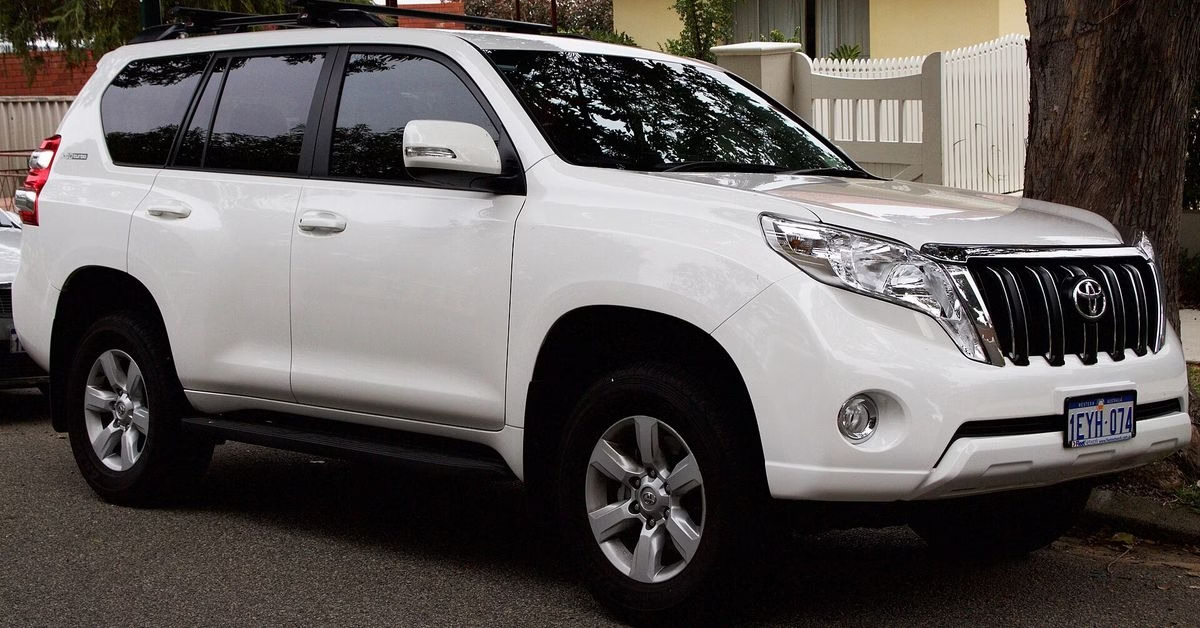
The engine is where the most expensive Prado 150 surprises live. Each diesel has its own quirks, and knowing them tells you which questions to ask and which receipts to look for.
1KD Cars: Injectors, Seals and the Timing Belt
The 3.0-litre sits in Australian Prados up to 2015 and South African ones up to 2020. Its weak spots are well known: worn injectors, leaking injector seat washers and, on neglected engines, the cracked pistons that follow. The 1KD also uses a timing belt, due around every 150,000 km, and the plastic return fitting on the radiator can snap during the job, so a belt change done cheaply can turn into a radiator too. On any KDJ150, receipts for injector work and the belt are worth more than a low odometer reading.
1GD Cars: The DPF and a Few Known Fixes
The 2.8 is the stronger, more economical engine, and it’s the one Toyota still uses. Its known faults all have published fixes: the DPF problem on early cars, a Toyota service bulletin for camshaft and rocker arm wear, and a 2019 Australian recall for Prado fuel pipes that weren’t tightened to the right torque. A DPF-equipped 1GD also needs low-sulphur diesel and low-ash oil, and it doesn’t suit a life of short trips. Ask what oil it has been serviced on, because the wrong grade leaves ash in the filter that never burns off.
Dust in the Intake
Owners who drive on fine dust have a separate 2.8 complaint, usually called dusting. The air filter’s seal can let fine dust slip past, and once it coats the airflow sensor the engine computer gets bad readings, which can mean rough running, a sudden loss of power or limp mode. Mechanics have traced similar trouble on Toyota’s other late diesels to an airbox lid that distorts and stops sealing, and over time unfiltered dust can wear the turbo and piston rings. If the car has lived on dirt roads, check that the airbox lid seats cleanly, look for dust on the clean side of the filter and change filters more often than the service book says.
The Petrol Prados
The 2.7-litre four and 4.0-litre V6 have no headline faults of the kind the diesels are known for. The four is slow in a vehicle this heavy, and the V6 is smooth but thirsty, so the bigger cost is fuel rather than repairs. For a buyer who mostly drives in town, a petrol 150 sidesteps DPF worries entirely, though it gives up the diesel’s range and towing pull.
Beyond the Engine: KDSS, Suspension and the Rest

The Prado’s ladder-frame chassis and low-range transfer case are tough, but the parts bolted to them wear like any other 4×4’s, especially on rough roads. These are the non-engine checks worth making.
KDSS: Clever, Hydraulic and Easy to Upset
KDSS, short for Kinetic Dynamic Suspension System, replaces the usual fixed anti-roll bar links with hydraulic cylinders front and rear, joined by fluid lines and controlled by valves. On tarmac it holds the bars firm to keep body roll down. Off-road, when one wheel drops, the cylinders let the bars go slack so the wheels stay in contact with the ground. Toyota fitted it to upper grades such as the Australian VX and Kakadu.
Because it’s hydraulic, KDSS adds things to check: fluid leaks at the cylinders and lines, and the condition of the cylinders on cars that have spent a lot of time in mud and water. It also complicates suspension work. Fitting a lift kit or new springs to a KDSS car isn’t a simple bolt-in job, so ask who did any suspension changes and how they set the system up afterwards, and be wary of a car that sits unevenly or feels odd over bumps.
Bushes, Shocks and Air Suspension
The factory shocks are soft, and on rough roads the lower shock bushes and lower control arm bushes wear quickly. Clunks, rattles and a floaty ride over bumps usually point here rather than to anything expensive. Higher grades with height-adjustable rear air suspension can develop leaks, so on those cars check that the rear still sits level after the car has stood for a while. Bushes and shocks are cheap next to engine work, but worn ones are still a fair bargaining point.
Early Brakes and Electronics
Owners of pre-2012 cars have reported a brake booster and master cylinder that could give a spongy or overly hard pedal, sometimes with a hiss when braking, and later Prados got upgraded parts. Some 2009 and 2017 cars also collected electrical complaints, from recall work on early models to rough gear shifts and touchscreen faults after the 2017 facelift. None of this is a reason to rule those years out, but on a 2009 to 2011 car or a 2017 car, ask for proof that recall and warranty work was done.

Which Prado 150 Should You Buy?
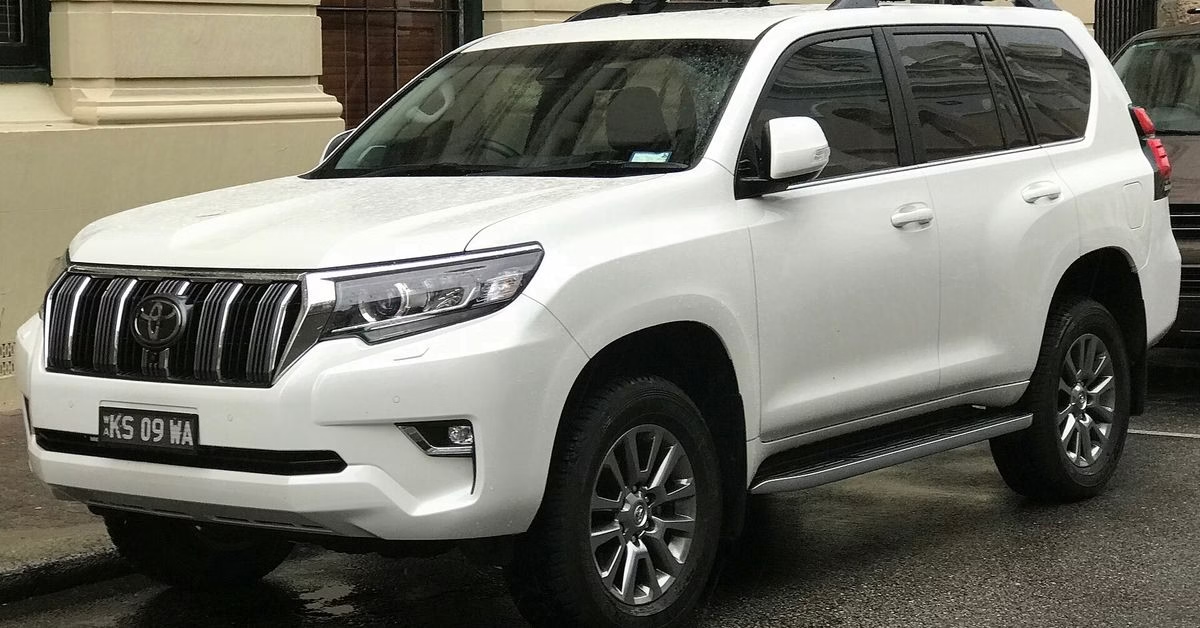
So, is the Prado 150 reliable? By the standards of its class, yes, and its weak spots are well documented with known fixes. The right one for you depends less on the badge than on how you’ll use it and which risks you’re happy to manage.
On a Tight Budget
A 2013 to 2015 1KD car with full injector and belt records is the value buy. It has the facelift improvements, it avoids the 1GD’s DPF worries, and parts and mechanics who know the engine are everywhere. If the records are thin, price in fuel system work before you agree a figure, because that’s where the money goes on these engines.
For Towing and Long Distances
This is where a 2020-on 1GD earns its higher price. It has the 150 kW and 500 Nm tune and the DPF fix from the factory, and Toyota South Africa rates the 2.8 at 3,000 kg braked towing. Long steady runs also suit a DPF, so the engine’s weak point matters least for the owners who need its pull most.
For Town Driving
If the Prado will spend most of its life in traffic, think hard before choosing a DPF-equipped 1GD. Short trips and long idling stop the filter from cleaning itself, and that’s how small warnings turn into big bills. A well-kept 1KD or a petrol 150 may cost you less over time, even though the 1GD is the better engine on paper.

Before You Pay: A Quick Checklist
Take this list to any Prado 150 inspection, and bring a mechanic who knows Toyota diesels if you can.
- The model code, engine number and export country match the car and the seller’s story.
- Service records cover injectors and the timing belt on a 1KD, or DPF history and oil grade on a 1GD.
- An Australian 1GD from 2015 to 2020 has proof of the DPF fix.
- A diagnostic scan shows no stored engine, DPF or suspension codes.
- There are no leaks at the KDSS cylinders and lines, and the car sits level.
- Bushes, shocks and any rear air suspension are in good order.
- The airbox lid seals cleanly and the clean side of the filter is free of dust.
- A Japanese 1GD has its urea system present and working.
- Recall work on early and 2017 cars has been done.

Frequently Asked Questions (FAQ)
What goes wrong most often on a Prado 150?
On 1KD cars, worn injectors, leaking injector seals and, when those are neglected, cracked pistons. On 1GD cars, the DPF, especially on Australian vehicles from 2015 to 2020. Across all versions, worn suspension bushes, KDSS leaks on cars that have it, and dust getting past the air filter on cars used on dirt roads.
Is the Prado 150 reliable?
Yes, by the standards of its class. Its faults are well documented and have known fixes. The risk lies mostly in the history of the car you’re looking at: how its engine was serviced, what fuel it ran on and whether recall and fix work was done.
Prado 150 1KD vs 1GD: which is better?
The 1GD is stronger, more economical and uses a timing chain, but a DPF-equipped one needs low-sulphur diesel, low-ash oil and regular longer drives. The 1KD is simpler and avoids those DPF worries, but it is older and its injectors and timing belt need attention.
What is the best year of Prado 150 to buy?
For most buyers, a 2020 or later car with the 150 kW 1GD and the factory DPF fix. On a tighter budget, a 2013 to 2015 1KD car with full service records is good value.
The Right Prado 150 Is a Known One
The Prado 150 deserves its reputation, but its weak spots move with the year, the engine and the country it was first sold in. A Japanese 1GD, an Australian 1KD and a 2019 South African diesel can look the same in a listing and still need completely different checks. Work out which one you’re looking at, match the paperwork to the metal, and buy the car whose history you can prove. That’s the Prado that will still be pulling hard long after the cheaper, mystery-history one has cost its owner a rebuild.