
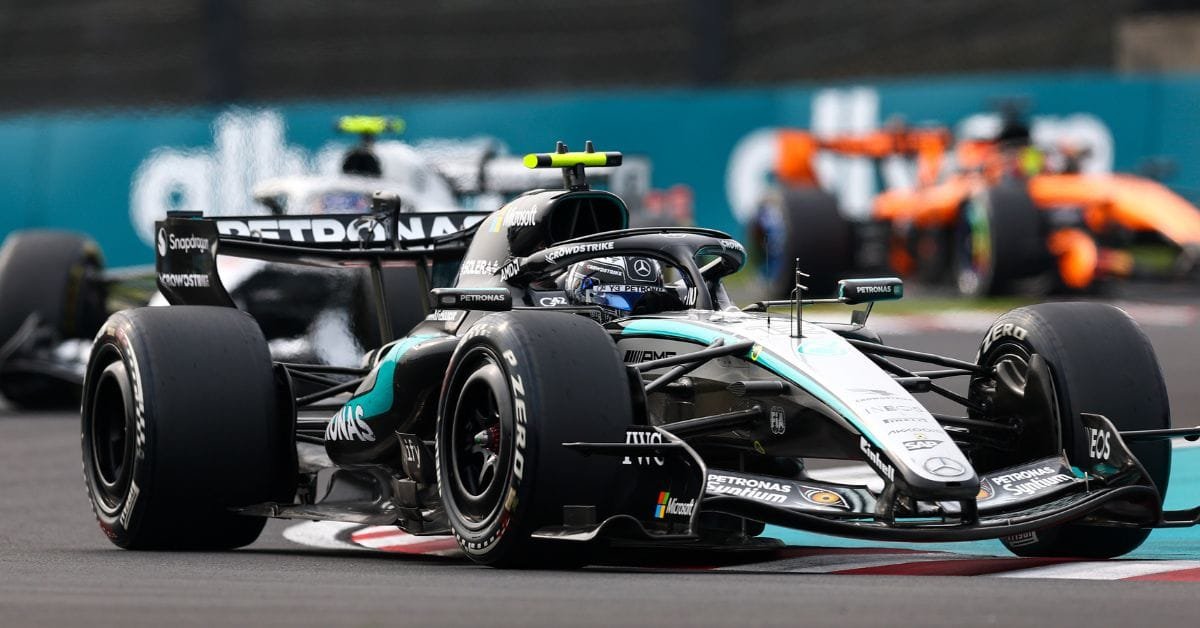
Formula 1 has been calling 2026 its biggest regulatory overhaul in the sport’s history, and for once, the hype is justified. Everything has changed at once: the engine, the aerodynamics, the chassis dimensions, the fuel, the overtaking system, the qualifying format, and the list of teams and suppliers on the grid. If you sat down to watch the Australian Grand Prix in Melbourne and found it all a little overwhelming, you are not alone. Seven-time world champion Lewis Hamilton put it best during pre-season testing: sitting through a technical briefing on the new rules, he said, felt like you needed a degree to follow it.
You do not need a degree. You need this article. Here is every significant change in the F1 2026 regulations, explained from the ground up.
Table of Contents
1. The Power Unit Revolution
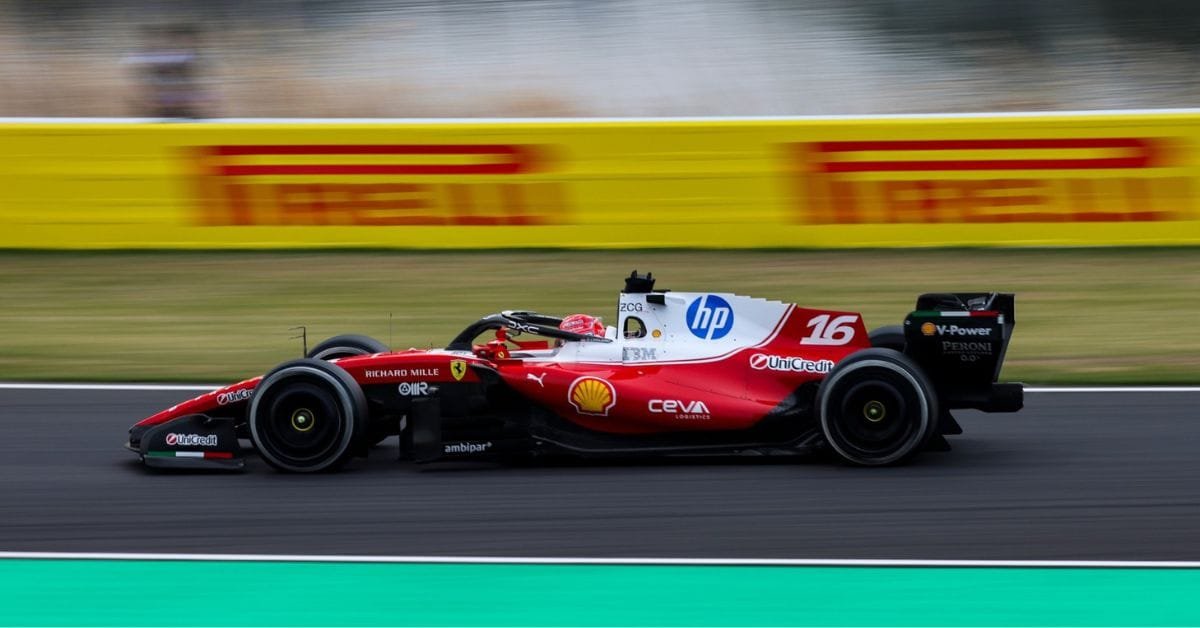
The heart of the 2026 car is a fundamentally different machine from what came before. Formula 1 has run essentially the same hybrid power unit architecture since 2014: a 1.6-litre turbocharged V6 paired with two energy recovery systems. That 11-year era is now over.
The 50/50 split
Under the old regulations, the internal combustion engine contributed roughly 80% of total power, with the electric motor providing the remaining 20% as a supplementary boost. In 2026, that balance has been restructured to an approximately 50/50 split. Electric power is no longer an add-on; it is a core performance component of every lap.
The cars still produce over 1,000 bhp total, but the route to that figure has completely changed. Teams and engine suppliers have had to rethink how they manage, harvest, and deploy energy throughout a race.
Goodbye MGU-H
The single most consequential removal in the new regulations is the MGU-H (the Motor Generator Unit Heat). This device recovered energy from the hot exhaust gases flowing through the turbocharger. It was extraordinarily complex to engineer, extremely expensive to develop, and arguably irrelevant to road car technology. It was also one of the main reasons only four manufacturers had bothered to enter F1 as engine suppliers under the previous rules.
For 2026, the MGU-H has been deleted. The MGU-K, the unit that recovers energy under braking, remains and has been substantially upgraded. The battery can now store and deploy twice as much electrical energy per lap as before, compensating for the loss of the heat recovery system.
Dropping the MGU-H was a deliberate signal from the FIA: make F1 engine development more accessible and more relevant. It worked. Audi entered as a full works team for 2026, Ford returned to the sport as a partner powering Red Bull, and Honda relaunched its fully independent engine programme supplying Aston Martin.
Advanced Sustainable Fuels
For the first time in Formula 1 history, the cars run on 100 percent Advanced Sustainable Fuels. Previously, F1 used a blend that included just 10 percent bioethanol. The 2026 fuels are manufactured from sources including carbon capture, municipal waste, and non-food biomass, and they are independently certified to meet strict sustainability standards.
The fuel is slightly less energy-dense than the fossil blends it replaces, which has implications for engine tuning and performance. Expect fuel development, already a competitive battleground, to become even more consequential over the coming seasons as teams search for tenths within the specification limits.
WHY IT MATTERS: The new engine rules attracted Audi, Ford, and a relaunched Honda programme. More manufacturers means a more competitive and commercially robust sport.
2. Active Aerodynamics: DRS Is Dead, Long Live Straight Mode
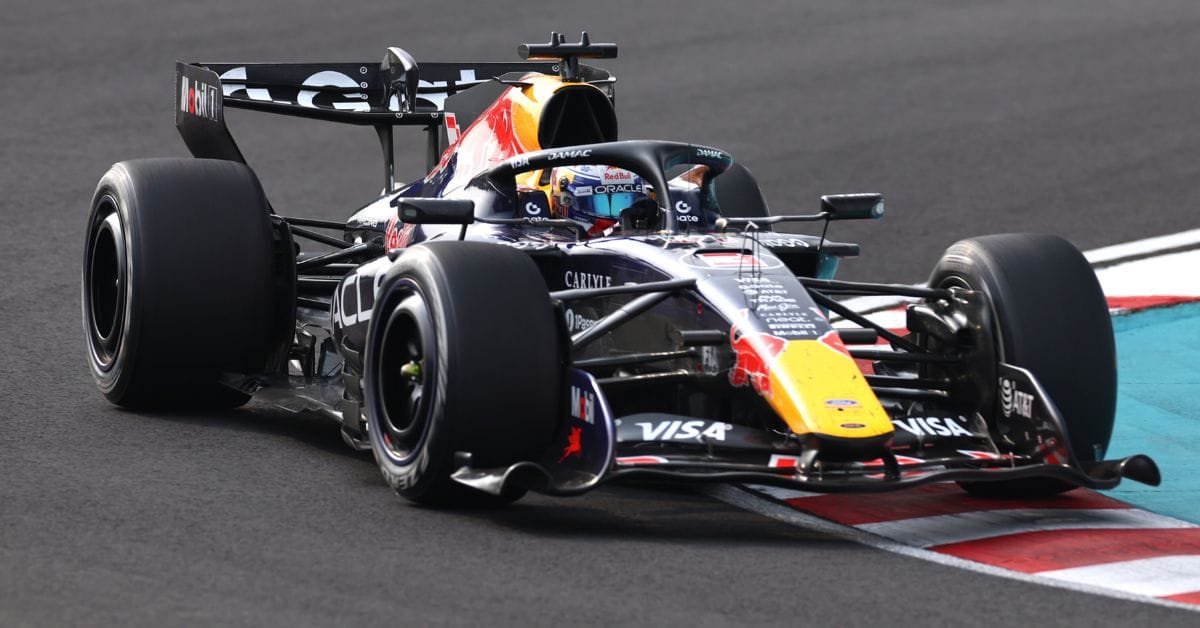
The aerodynamic regulations for 2026 represent as clean a break from the recent past as the engine changes. Ground-effect tunnels are gone, the wings have been simplified, and the sport has introduced something it has never had before: full-time, system-wide active aerodynamics.
The end of ground effect
Since 2022, F1 cars have generated a significant portion of their downforce through Venturi tunnels running under the floor, a ground-effect system borrowed conceptually from the turbo era of the 1980s. Those tunnels have been deleted for 2026. The floor is flatter, and the diffuser (the ramp at the rear that accelerates airflow under the car) has been enlarged to compensate. Downforce overall has been reduced, but the cars are intended to be less sensitive to dirty air from the car ahead.
The FIA’s target is that a car running 20 metres behind a rival retains 90 percent of its total downforce. For context, by the end of the 2022–2025 generation, that figure had slipped to around 70 percent as teams optimised their floors and front wings to generate outwash, turbulent air pushed outward from the car that disrupted anyone attempting to follow closely.
Simplified wings
Both the front and rear wings are simpler for 2026. Fewer elements, less scope for the intricate endplate geometries that teams spent hundreds of millions developing under the old rules. The rear beam wing (the lower winglet between the diffuser and main wing) has been deleted entirely. The front wing’s outer sections offer new development opportunities, and new bargeboards have been introduced to direct turbulent air from the front wheels inboard rather than outward.
Straight Mode and Corner Mode
Active aerodynamics is the headline technology of 2026. The cars can now dynamically adjust the angle of both their front and rear wing elements depending on where they are on the circuit. On designated straights, drivers enter Straight Mode: the wing flaps open to a low-drag configuration, flattening the car’s profile and boosting top speed. Through corners, the system returns to Corner Mode: flaps close to their default position, restoring downforce and providing maximum grip.
This replaces the old Drag Reduction System (DRS), which could only open the rear wing and only when a driver was within one second of the car ahead. Active Aero in 2026 is available to every car, on every lap, on every designated straight, regardless of race position.
Overtake Mode
DRS may be gone, but the one-second proximity rule has not disappeared entirely. In 2026, it triggers Overtake Mode instead. If a car is within one second of the car ahead at a designated detection point, for the following lap it can harvest and deploy an additional 0.5 megajoules of electrical energy, generating a higher power profile for a longer sustained period. This gives attacking drivers a quantifiable performance advantage: extra grunt when they need it most.
The Boost Button
Drivers also have direct access to a Boost Button, a manual override that adjusts power unit settings on demand. Rather than being locked into a pre-set energy deployment strategy, a driver can trigger a change in power profile when attacking or defending, adding a layer of tactical decision-making that will play out across every race.
KEY TERM: Straight Mode = low-drag configuration on straights. Corner Mode = high-downforce configuration through corners. Overtake Mode = extra electrical energy for cars within one second of the car ahead.
3. The Cars Are Smaller, Lighter, and Narrower
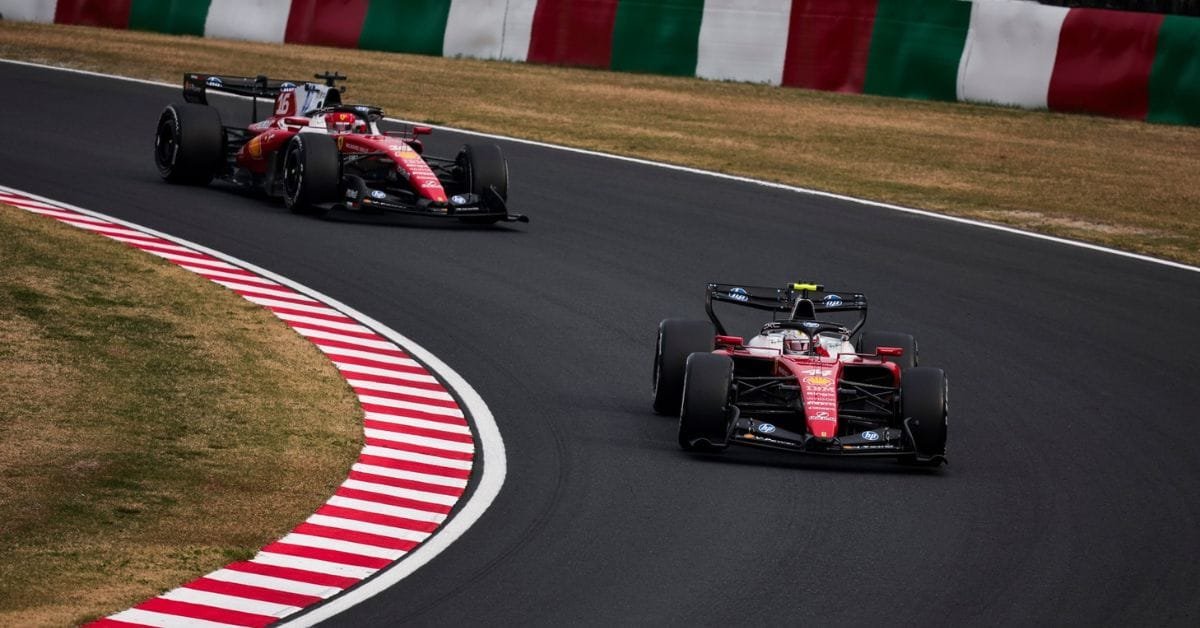
One of the most visible changes for 2026 is the physical size of the cars. If you have been watching F1 for the last few years and find the 2026 cars look different, and they are. Substantially so.
- Wheelbase reduced by 200mm, from 3,600mm to 3,400mm
- Floor width reduced by 100mm, to 1,900mm
- Front tyre width reduced by 25mm; rear tyre width reduced by 30mm
- Minimum weight reduced from 798kg to 768kg, a saving of 30kg
The combined effect is a car that is more compact, nimbler through tight street circuits like Monaco and Singapore, and better suited to wheel-to-wheel battles in confined spaces. Drivers who tested the new cars in pre-season reported a noticeably more responsive feel through the steering despite the reduction in overall downforce.
Whether teams can actually achieve the new minimum weight is another matter. The new power units are heavier than their predecessors, the batteries are larger, and shedding mass from every other component to compensate is a significant engineering challenge.
4. New Teams, New Suppliers, a Reshuffled Grid
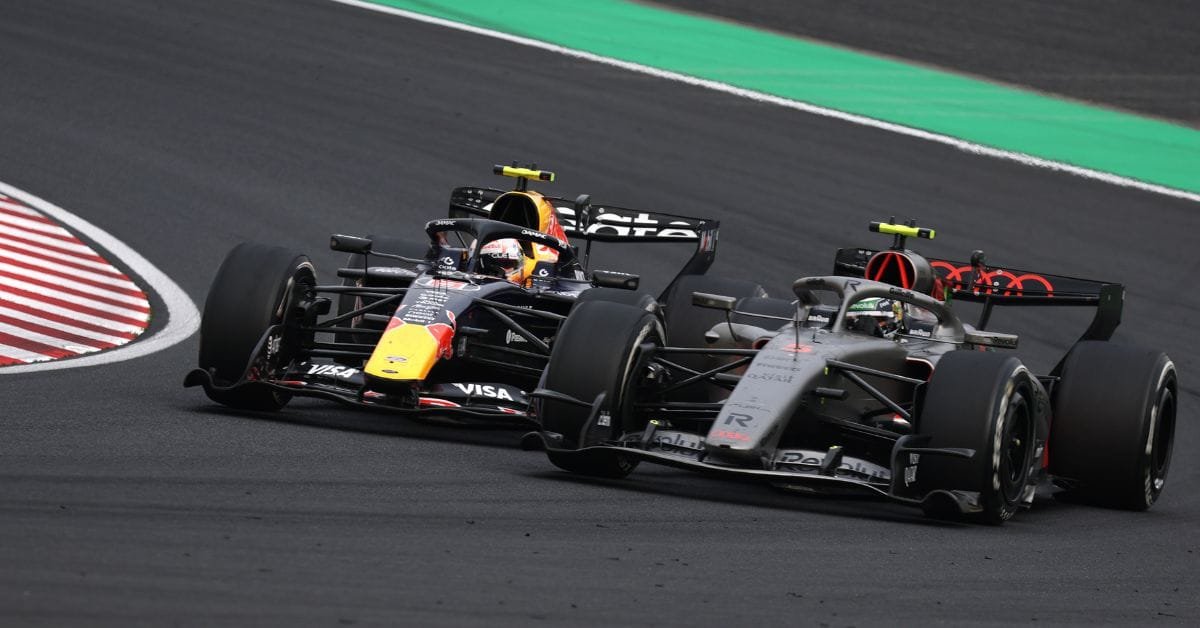
The 2026 grid has been restructured more substantially than any in recent memory, with the regulation changes acting as both a catalyst and an invitation.
Cadillac’s debut
For the first time since 2016, there are eleven teams on the grid. Cadillac have joined the championship as the newest constructor, running Ferrari customer power units and fielding Sergio Pérez and Valtteri Bottas. Their arrival expands the grid to 22 cars, which has required a corresponding adjustment to the qualifying format.
Audi as a works team
Audi completed their acquisition of the former Sauber team, which raced as Kick Sauber in 2024 and 2025, and from 2026 runs as the official Audi Formula 1 works entry with their own power unit. It is the first time a new German manufacturer has entered F1 as an engine supplier since BMW departed in 2009.
Ford returns
Ford last supplied engines to a Formula 1 team in 2004. They have returned in partnership with Red Bull Powertrains, providing technical support and branding to the power unit programme supplying both Red Bull Racing and Racing Bulls.
Honda goes independent
Honda had been partnered with Red Bull since 2019 but formally ended that relationship, relaunching as a fully independent engine manufacturer supplying Aston Martin exclusively. It is a significant shift: Honda engines will no longer be in the fastest car on the grid from recent seasons.
Alpine’s engine swap
Renault’s departure as an engine supplier is one of the quieter but significant storylines. Alpine, formerly Team Enstone and formerly Renault, has switched to Mercedes customer power units for 2026. It is the first time the team has run customer engines since 2015, ending a decade as a de-facto works Renault entry.
GRID SUMMARY: 11 teams, 22 drivers. Engine suppliers: Ferrari (Ferrari, Haas, Cadillac), Mercedes (Mercedes, Alpine), Red Bull/Ford (Red Bull, Racing Bulls), Honda (Aston Martin), Audi (Audi).
5. Safety Upgrades
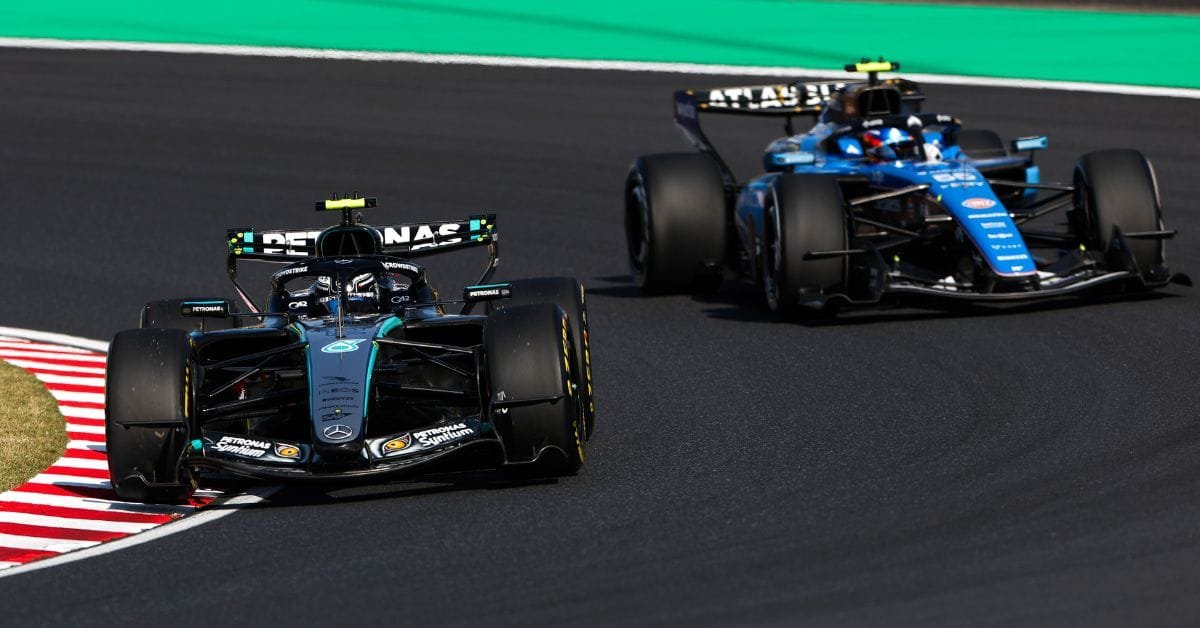
No generation change in Formula 1 arrives without enhanced safety measures, and 2026 is no exception. The driver survival cell (the carbon fibre tub that protects the driver in a crash) has been subjected to more rigorous testing requirements. The roll hoop, which protects drivers in an inversion, has been strengthened to withstand 23 percent more load than previously required.
Side-impact protection around the driver and fuel cell has been tightened, and the front impact structure has been redesigned as a two-stage nose to reduce the risk of detachment in a collision. New external lights have been added to show the ERS charge status of each car, functioning similarly to hazard lights on a road vehicle, allowing drivers and marshals to quickly identify whether a stranded car remains electrically live.
One safety concern that emerged during pre-season testing was the potential for Straight Mode to create dangerous closing speeds at race starts, where all cars on the grid would activate the low-drag mode simultaneously into Turn 1. The FIA ruled that Straight Mode cannot be activated until after the first corner, and five additional seconds have been added to the pre-start procedure to allow turbos to spool up properly.
6. Qualifying, Budget Caps, and the Financial Reset
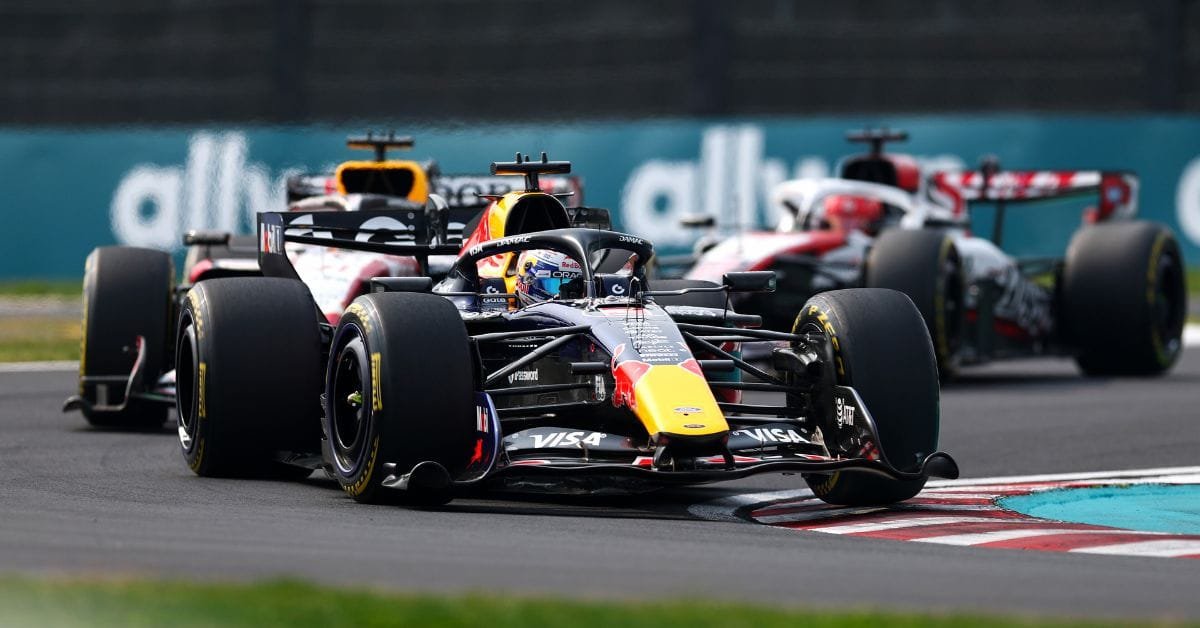
Qualifying format
With 22 cars on the grid instead of 20, the existing knockout qualifying format needed adjustment. In Q1, six cars are now eliminated rather than five, over an 18-minute session. Q2 follows the same pattern, with six more cars dropping out. Q3 remains unchanged.
Budget cap increases
The financial regulations have been significantly reset to reflect both inflation and the genuine cost of developing and operating a new generation of machinery. The operational cost cap, covering day-to-day team running, has increased from $135 million to $215 million per season. The separate power unit cost cap has risen from $95 million to $130 million to support the development of entirely new hybrid engine programmes.
The expanded caps were considered a practical necessity: the previous figures were increasingly difficult to reconcile with the genuine costs of operating a competitive F1 team, particularly with new engine development folded into the equation.
What Does It All Mean for Racing?
The honest answer is that no one fully knows yet. That is partly what makes 2026 so compelling as a season to follow.
The major intended outcomes of the new regulations are more overtaking, a more level playing field, and closer racing at street circuits. The active aerodynamics system is designed to reduce the impact of dirty air on the following car, making it possible for drivers to run closer for longer before committing to an overtake. The Overtake Mode system gives attacking drivers a measurable advantage when they close within a second, without reintroducing the artificial binary of DRS.
The 50/50 power split creates enormous complexity in energy management. How drivers and engineers choose to harvest, store, and deploy electrical energy will vary circuit by circuit and lap by lap. Energy management was already a factor in F1; in 2026 it becomes a dominant strategic consideration. Expect to hear far more commentary about megajoules and battery state during race broadcasts.
The regulation reset also means the competitive order is genuinely uncertain. Teams that were strong under the 2022–2025 aero philosophy may struggle if their interpretation of the new floor and wing rules is wrong. Teams that were midfield could find themselves competitive if their power unit partner delivers. The first half of the 2026 season will tell us far more about who understood the new rules than any pre-season testing result could.
One thing is certain: 2026 is the year F1 committed to its next identity. Smaller, faster, electric-leaning, more sustainable, and, if the regulations deliver on their promise, more exciting to watch. The next few months will be the verdict.