
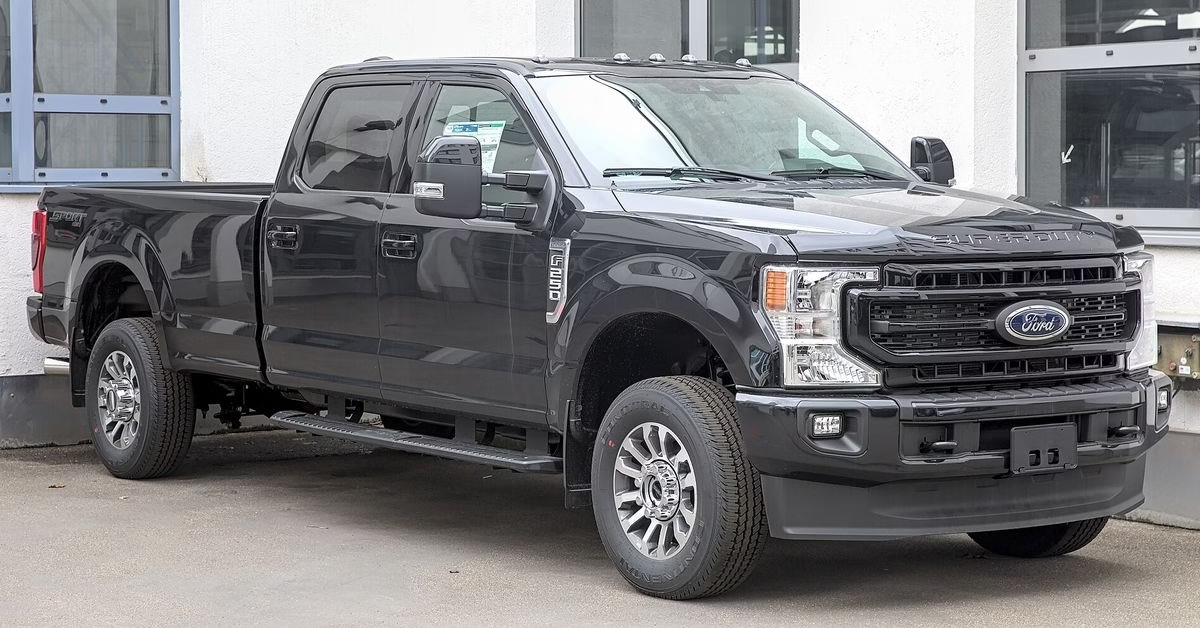
A failing glow plug rarely leaves you stranded, but it will make every cold start longer, smokier and harder on the battery. The good news is that the glow plug replacement cost on most diesels is a few hundred dollars, not thousands. A four-cylinder VW or Audi TDI is often done for under $200, while a V8 Power Stroke or Duramax usually lands between $300 and $1,000 at an independent shop. What pushes a bill past that is not the plugs themselves, which cost $12 to $50 each, but labour hours, a failed control module, or a plug that snaps in the cylinder head. Here is what each engine costs and how to tell when the plugs really are the problem.
Table of Contents
What You Can Expect to Pay
These are typical totals for a full set at an independent diesel shop in the US, parts and labour together, checked in November 2026. They combine published labour times with current plug prices and shop rates of roughly $145 to $250 an hour. Dealers sit at the top of each range or above it.
| Engine | Plugs | Typical labour | Typical total |
|---|---|---|---|
| VW and Audi 2.0 TDI | 4 | 1 to 2 hours | $110 to $450 |
| BMW 2.0 and 3.0 diesels (N47, N57, B47, B57) | 4 or 6, about $30 each | 0.75 to 2.5 hours, more on some X5s | $250 to $900 |
| Duramax 6.6 (LMM, LML) | 8, about $12 to $15 each | About 1.2 hours per bank | $300 to $700 |
| Ford 6.7 Power Stroke (2011 on) | 8, about $25 to $48 each | 1.6 to 1.8 hours | $390 to $730 |
| Ford 6.0 Power Stroke | 8 | About 2.5 hours | $450 to $800 |
| Ford 7.3 Power Stroke | 8 | About 3.4 hours, plus valve cover gaskets | $530 to $1,000 |
Add roughly $330 to $370 if the glow plug control module has failed too, which is RepairPal’s average for that part alone. Add far more if a plug breaks on the way out, which the section on pricing explains.
What Glow Plugs Do, in One Paragraph
A diesel has no spark. It squeezes air so hard that the heat of compression lights the fuel the moment it is injected. On a cold engine, the metal of the block and head soaks up that heat, so each cylinder gets a pencil-thin electric heater that glows red for a few seconds before and after starting. Modern plugs also keep heating for a minute or more once the engine runs, which cuts white smoke, clatter and emissions while the engine warms. Each plug slowly burns away from the tip with use, so most last somewhere between 75,000 and 100,000 miles, and plenty go further.
Bad Glow Plug Symptoms
One dead plug on a warm day can go unnoticed for months, because the other cylinders carry the engine through the first few seconds. The glow plug symptoms below get louder as more plugs fail and as the temperature drops, and the timing is the giveaway: almost all of them show up in the first minute after a cold start, then fade once the engine is warm.
Long Cranking on a Cold Engine
This is the classic sign, and Denso lists it as the most common one. The engine turns over for several seconds before it catches, or it fires on some cylinders and stumbles until the rest join in. On a warm afternoon it starts normally. If a diesel is slow to start hot as well as cold, look at the battery, the starter, fuel delivery and compression before blaming the plugs.
White Smoke, a Raw Fuel Smell and a Rough Idle
A cylinder without heat can’t burn all the fuel it is given, so the unburnt diesel leaves as white or grey smoke with a sharp fuel smell. The engine shakes at idle and may misfire until that cylinder warms up. A little white vapour on a cold morning is normal. Smoke that lasts well after the engine is warm points away from the plugs and towards injectors, injection timing or a head gasket.
The Coil Light and Fault Codes
Most modern diesels watch each plug’s current draw, so a burnt-out element sets a code and lights the check engine or coil-shaped glow light. Codes in the P0380 to P0384 range point to the glow plug circuit in general, and P0671 to P0678 name the cylinder, from one to eight. A per-cylinder code tells the mechanic exactly which plug to test, which matters on V8s where reaching one bank is half the job. On many cars the light comes on about half a minute after starting, once the after-glow check has run.
When It Isn’t the Plugs at All
The glow plug control module, a relay on older engines, or a corroded harness can cause exactly the same symptoms with every plug healthy. The 7.3 and 6.0 Power Strokes are known for harness failures, and on BMW six-cylinders a failed controller is often the real fault behind a single-cylinder code. A good shop measures each plug’s resistance and checks the circuit before selling you a set. Also rule out the Cummins: the 5.9 and 6.7 in Ram pickups don’t use glow plugs at all, but a heater grid in the intake, so a slow cold start there is a grid or relay problem.
What Drives the Price Up

The parts are the cheap bit. A set of eight plugs for a Duramax costs about $100, and even genuine Motorcraft plugs for a 2020-on 6.7 Power Stroke cost under $50 each. Three things decide whether you pay $200 or $2,000.
Labour Hours and Access
On a four-cylinder TDI the plugs sit on top of the head and come out in an hour or so. On a V8 truck, the plugs on one bank can sit behind the turbo pipework, under the valve covers or deep against the firewall. Standard labour guides allow about 1.8 hours for all eight on a 6.7 Power Stroke, about 2.5 hours on a 6.0 and about 3.4 hours on a 7.3, whose plug wiring runs under the valve covers. At $150 to $250 an hour, those hours are most of the bill.
The Plug That Snaps
This is the expensive surprise. After 100,000 miles of heat cycles, a plug can seize in the aluminium head, and if it is forced, the tip breaks off inside. Extracting it can mean specialist tools or the cylinder head coming off, which turns a few-hundred-dollar job into one costing well over $1,000. BMW’s own procedure is to bring the engine up to temperature and soak the plugs in a releasing agent before turning them, and a careful mechanic will stop and quote again rather than force a stuck plug. Ask before work starts what the shop does if a plug won’t move.
The Control Module and Wiring
A glow plug control module typically costs $300 to $400 fitted, and on some engines it fails more often than the plugs. Genuine BMW sells a kit of six plugs and a new preheating module for the N57 for about $490 before labour. Brittle harness connectors on older trucks add parts and time too, so a quote that includes wiring “as needed” deserves a follow-up question.
Costs by Engine
The engines below are the ones most owners ask about. Each has its own quirks that move the price, from a factory extended warranty to plugs that are reached through the wheel arch.
Ford Power Stroke
The 6.7 Power Stroke, in the F-250 and F-350 since 2011, is the easiest of Ford’s diesels to do, at about 1.6 to 1.8 hours for all eight. Plugs run from about $25 each for 2012 to 2019 engines to about $47 for 2020-on Motorcraft parts, and the earliest 2011 trucks use a different two-piece plug, so give the shop your build date. One estimator puts a typical F-350 job at $391 to $727. The 6.0 takes about 2.5 hours and is prone to harness trouble, while the 7.3 needs about 3.4 hours and usually new valve cover gaskets with integrated wiring.
Duramax
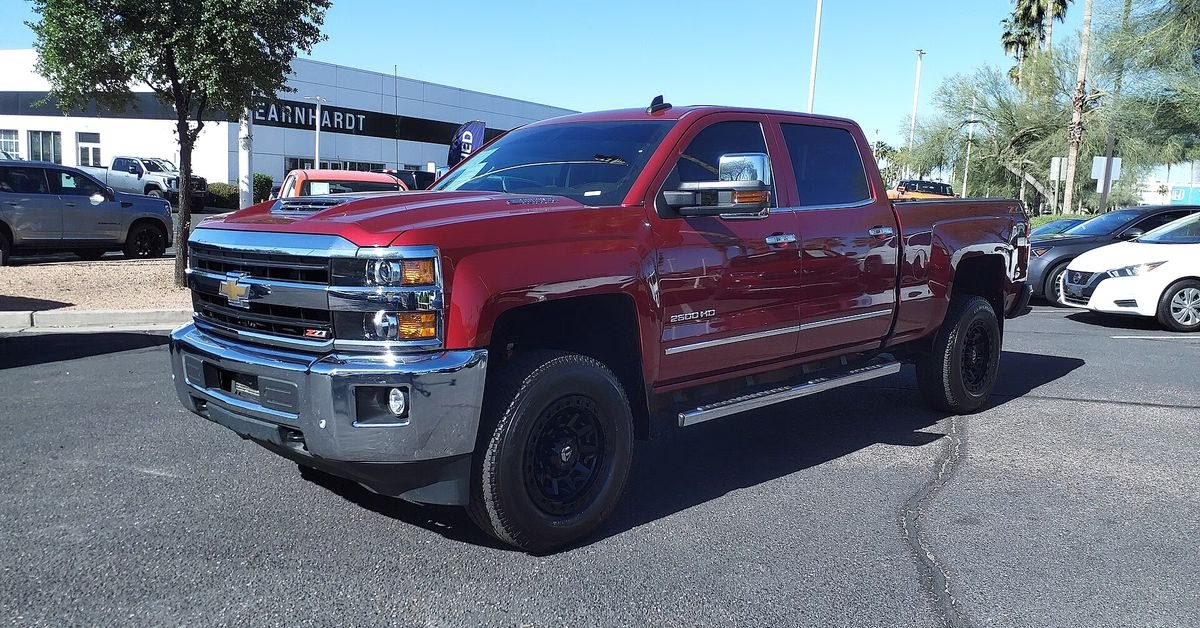
On Silverado and Sierra HD pickups, the Duramax’s plugs are often reached by taking off the front wheel and the plastic inner wheel arch liner, which leaves all four plugs on that bank in plain sight. GM’s own labour time on its Express and Savana vans is 1.2 hours per bank. With plugs at about $12 each, a full set at an independent shop usually comes to $300 to $700, and a single failed plug on one bank can be under $300.
If you own a 2010 to 2012 LML or LGH truck or van, GM ran a special coverage programme, bulletin 15114, for glow plugs that set the check engine light. It covered 10 years or 120,000 miles from first sale, so it has now expired on every truck it applied to, but it confirms the fault is a known one. One failed plug on a Duramax usually won’t stop it starting, so it is a repair to book, not a tow.
VW and Audi TDI
The four-cylinder TDI is the cheap end of the scale. YourMechanic’s average for a Jetta is about $113, almost all of it labour, and independent shops rarely charge more than $300 to $450 even with branded plugs. The catch is age: most TDIs still on US roads are 2009 to 2015 cars, and on high-mileage examples the plugs can seize, so the snapped-plug warning above matters more here than the price does.
BMW Diesels
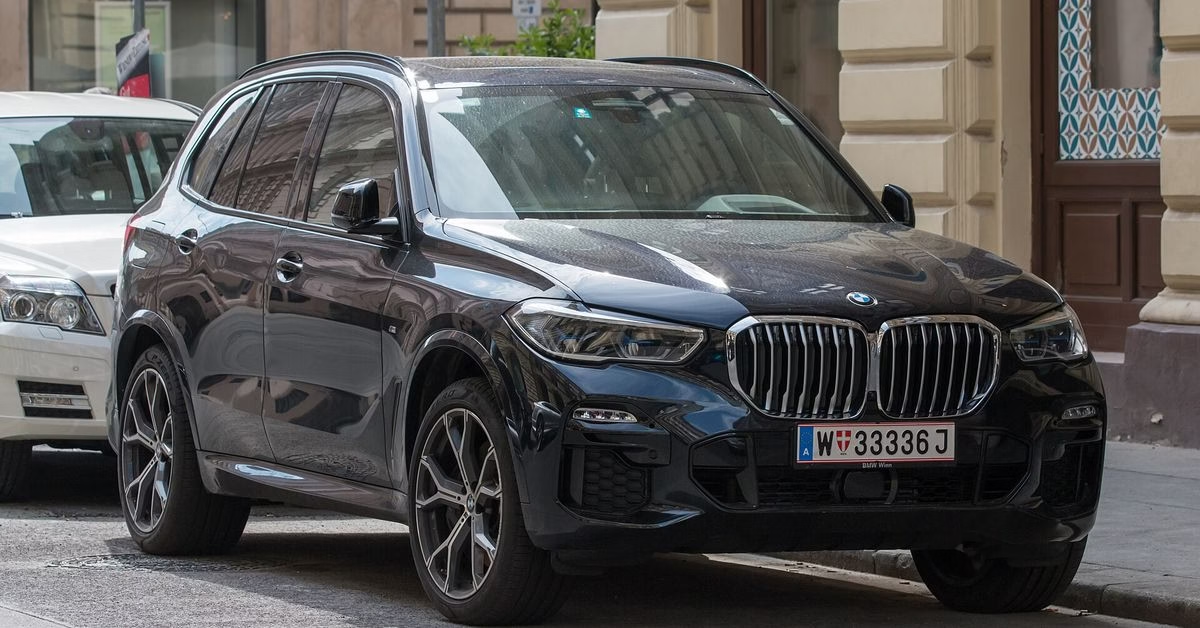
BMW’s N47, N57, B47 and B57 diesels use Bosch or Beru plugs at about $30 each, and BMW says not to mix brands in one engine. Labour varies more than on any other make here. Haynes quotes 45 minutes to 2.5 hours on an X3, but up to eight hours on some X5 six-cylinders, where the intake has to come off. That spread is why BMW quotes run from about $250 to $900. Ask whether the price includes the preheating module, because on these engines it is often the module, not a plug, that sets the code.
One Plug or the Whole Set?
Replace the whole set unless the engine is young and only one plug has failed. Plugs wear at the same rate, the labour to reach one is close to the labour to reach the rest of that bank, and on a V8 the second visit costs as much as the first. The exception is a Duramax or 6.7 Power Stroke under 60,000 miles with a single-cylinder code: one plug, about an hour of labour, done.
Doing it yourself is realistic on a TDI or an easy-access V8 if you own a torque wrench and the right deep socket. The risk is the snapped plug. Work on a warm engine, use penetrating oil, never lean on a plug that won’t turn, and torque the new ones to the maker’s figure, which is low and easy to exceed. If you are buying a used diesel, a long cold crank or a glow light on the test drive is a bargaining point worth a few hundred dollars, not a reason to walk away.
Glow Plugs on Toyota Diesels in Kenya
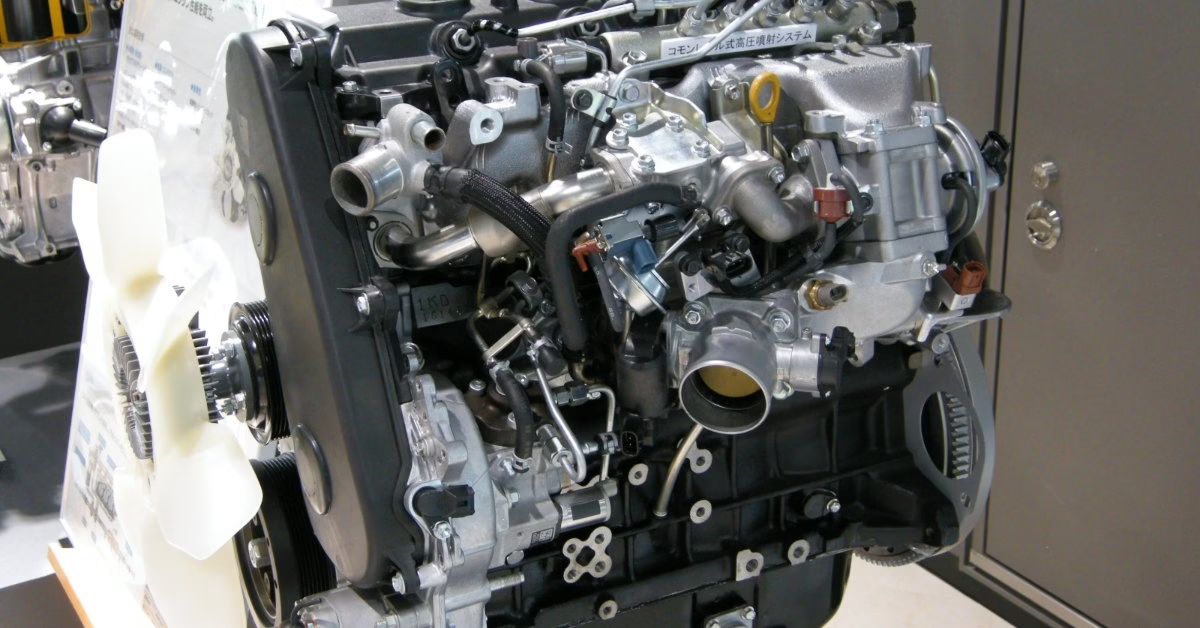
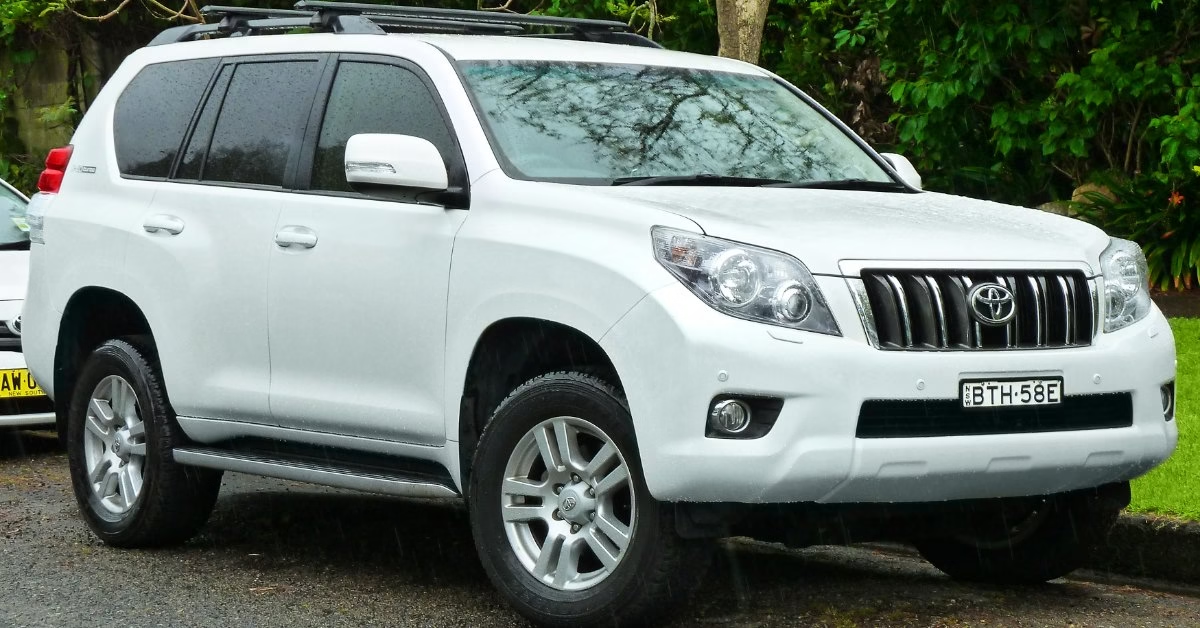
Kenya’s warm climate hides weak glow plugs for longer than a US winter does, so the first sign on a Prado, Hilux, Fortuner or Hiace matatu is usually a rough, smoky first minute on a cool highland morning, or the glow light staying on. Toyota’s four-cylinder KD and GD engines carry four plugs each, and on most models it is a short job. A genuine Toyota plug for the KD engines lists at about $23 (KSh 3,000) from large online parts sellers, and a set of four NGK plugs costs about $90 to $120 (KSh 12,000 to 15,500), prices checked in November 2026 at KSh 130 to the dollar (CBK, 5 November).
Before paying for plugs on an older 1KD, rule out the bigger problems that cause the same hard start. Low compression from the cracked pistons the 1KD is known for and worn injectors on the 2.5-litre 2KD both show up as long cranking and white smoke, and a mechanic with a scan tool can tell them apart in minutes. Insist on a resistance test for each plug, and buy genuine or NGK and Denso parts rather than unbranded plugs of unknown quality.
Frequently Asked Questions
What are the first glow plug symptoms to look for?
Longer cranking on a cold engine, a puff of white smoke with a raw fuel smell, a rough idle for the first minute and the coil-shaped glow light staying on. Most of these fade once the engine is warm.
How much does it cost to replace glow plugs on a Duramax?
Typically $300 to $700 for all eight at an independent shop, because GM allows about 1.2 hours per bank and the plugs cost about $12 each. A single plug on one bank can be under $300.
Can bad glow plug symptoms come from something else?
Yes. A failed glow plug control module, a relay or a corroded harness can cause the same hard starts and smoke, as can a weak battery, worn injectors or low compression. Test each plug before buying a set.
Should I replace all glow plugs at once?
On an older engine, yes. They wear at the same rate and the labour to reach one is close to the labour for the whole bank. On a young engine with a single-cylinder code, replacing just that plug is reasonable.
How long do diesel glow plugs last?
Most last 75,000 to 100,000 miles, and many go further. There is no fixed replacement interval, so they are changed when testing or a fault code shows they have failed.
The Bottom Line
Glow plugs are a wear item, not a disaster. On most diesels a full set costs a few hundred dollars, and the bill only climbs when access is awful, the module has failed too, or a seized plug breaks. Confirm the fault with a code and a resistance test, replace the set rather than one plug on an older engine, and choose a shop that will stop and call you before forcing a plug that won’t turn. For a plug maker’s view, Denso’s six warning signs are a useful second opinion.