
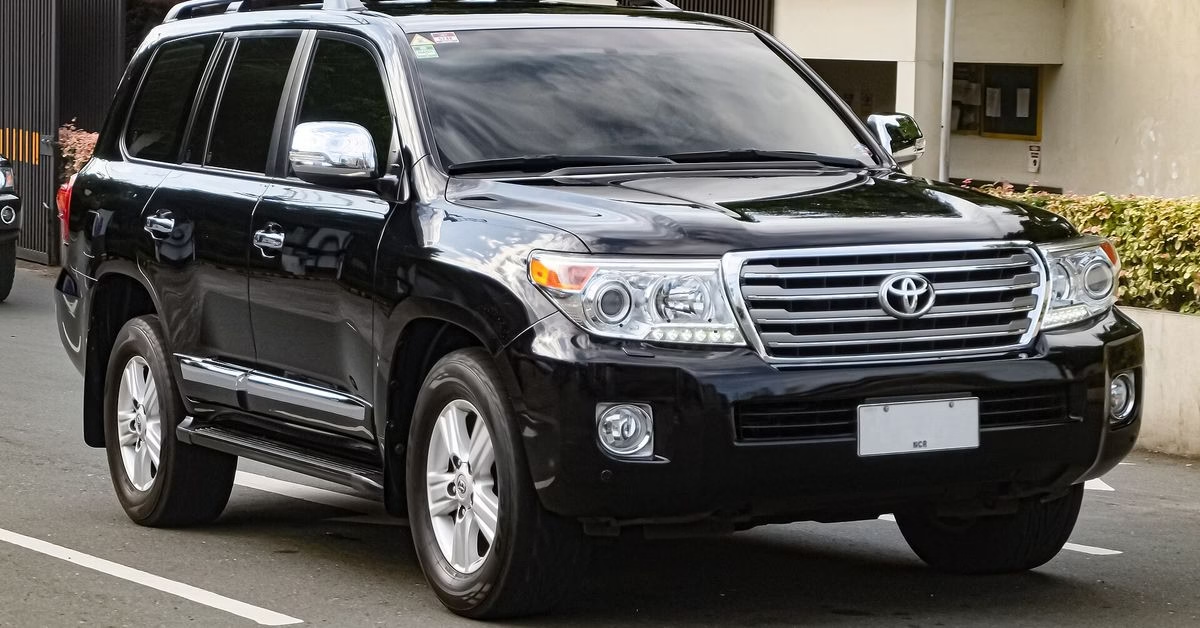
Ask ten mechanics which Toyota diesel lasts longest and you’ll hear the same few names, usually with a story attached. Some of those stories are about engines that ran past half a million kilometres on basic servicing. Others are about cracked heads, melted pistons and bills bigger than the car was worth. The most reliable Toyota diesel engine isn’t always the newest or the most powerful, and the badge on the tailgate tells you less than the code on the block. This ranking counts down seven Toyota diesels from the one most likely to cost you to the one that just won’t quit, with the years, vehicles and checks that matter on each.
Table of Contents
The Ranking at a Glance
We ranked each engine on two things: how often it goes wrong on the used market today, and what it costs when it does. An engine that rarely fails but needs a full rebuild when it does can sit below one that fails more often but cheaply. Age counts too, because even a great design gets worse with every year it spends on bad fuel and stretched services.
| Rank | Engine | Size | Main vehicles | Reliability | Repair costs |
|---|---|---|---|---|---|
| 7 | 1KZ-TE | 3.0 turbo four | Prado 90 and 120, Hilux, Hilux Surf | Low | Medium |
| 6 | 1KD-FTV | 3.0 turbo four | Prado, Hilux, Fortuner, Hiace | Medium | High |
| 5 | 1VD-FTV | 4.5 turbo V8 | Land Cruiser 200 and 70 | Medium | Very high |
| 4 | 1GD-FTV and 2GD-FTV | 2.8 and 2.4 turbo four | Prado, Hilux, Fortuner, Hiace | High | Medium |
| 3 | 2KD-FTV | 2.5 turbo four | Hiace, Hilux, Innova | High | Low |
| 2 | 1HD-FT and 1HD-FTE | 4.2 turbo six | Land Cruiser 80, 100 and 70 | Very high | Medium |
| 1 | 1HZ | 4.2 non-turbo six | Land Cruiser 70, 80 and 105, Coaster | Very high | Low |
7. 1KZ-TE (3.0 Turbo)
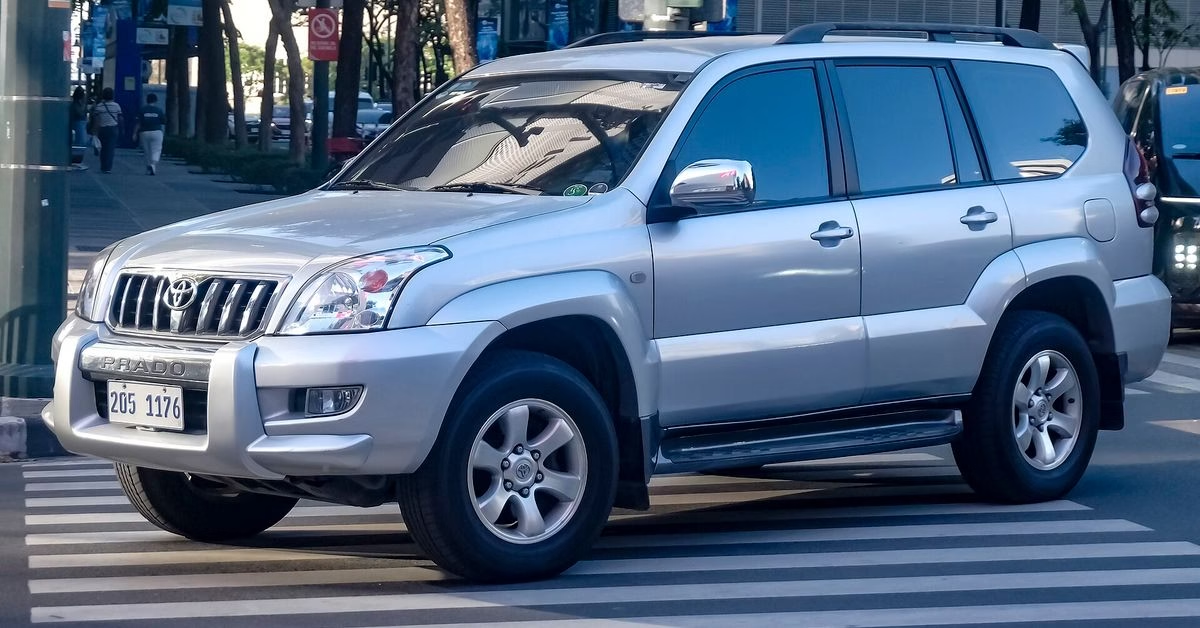
| Years | 1993 to about 2006 |
| Found in | Prado 90 and 120, sixth-generation Hilux, Hilux Surf |
| Biggest risk | Overheating that cracks the cylinder head |
| Buy one if | The cooling system has been looked after and the coolant stays put |
The 1KZ-TE is a 2,982cc four-cylinder with a single overhead camshaft, two valves per cylinder, an electronically controlled Denso rotary pump and indirect injection. It was the diesel that made the 90 and 120 Prado popular, and in Australian spec it made 96 kW and 343 Nm. It’s smooth for its age and pulls well, but it’s an older, less efficient design than the common-rail engines that replaced it.
It ranks last because of one fault: heat. The 1KZ-TE is known for cracking its aluminium head when it overheats, and the causes are mundane ones like a tired viscous fan hub, a blocked radiator, a seized wastegate actuator causing overboost, or a holed heater hose. A cracked head shows up as bubbles in the coolant, coolant loss and power loss, and it can overheat the turbo too. Worse, a pressure test doesn’t always find the crack. The youngest of these engines is now about 20 years old, so every one is a cooling-system gamble.
If you’re looking at one, check the coolant level cold and warm, look for oil or a sheen in the overflow bottle, and watch the temperature gauge on a long climb. If the head has already been replaced, ask whether it was a genuine Toyota part, because non-genuine castings have a mixed record.
6. 1KD-FTV (3.0 D-4D)
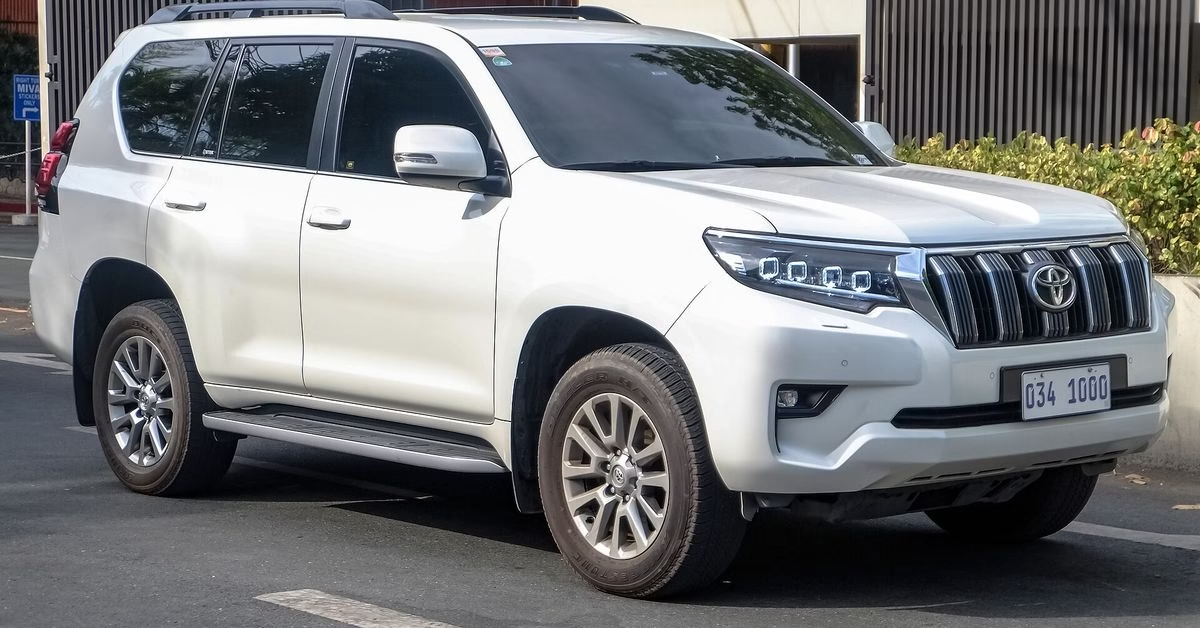
| Years | 2000 to about 2015, until 2020 in some markets |
| Found in | Prado 90, 120 and 150, seventh-generation Hilux, first Fortuner, Hiace |
| Biggest risk | Leaking injector washers and worn injectors leading to cracked pistons |
| Buy one if | There are receipts for injector work and a timing belt change |
The 1KD-FTV replaced the 1KZ with common-rail injection, four valves per cylinder and far more torque, and it became the default diesel in Toyota’s mid-size 4x4s for 15 years. Toyota developed the KD series in August 2000, and South African Prados kept the 3.0-litre until late 2020, so a fairly recent car can still have one.
Its problems are linked. A copper washer under each injector stops sealing, soot and gas leak past it and turn the oil into black sludge, and worn injectors start spraying badly. Left alone, that can end in one of the cracked pistons the 1KD is known for, especially on engines built around 2006 to 2009 to Euro 4 rules. The turbo actuator is fragile too, and the timing belt needs changing on schedule.
It ranks above the 1KZ because its faults give warning signs and a well-maintained 1KD can run a very long way. It ranks this low because so many haven’t been maintained, and because the most expensive failure starts with a part that costs very little. Ask for injector and washer records, listen for a ticking or chuffing at idle, and have a mechanic check the oil for blow-by.
5. 1VD-FTV (4.5 V8)

| Years | 2007 onwards |
| Found in | Land Cruiser 200 (twin turbo), Land Cruiser 70 (single turbo) |
| Biggest risk | Piston ring wear and oil use; DPF and injector issues on later cars |
| Buy one if | A compression test is clean and oil use is low |
Toyota introduced the 4.5-litre 1VD-FTV in January 2007 as its first V8 diesel. The twin-turbo version went into the Land Cruiser 200 and the single-turbo version into the 70 Series, and it’s a smooth, strong engine that tows effortlessly, which is why the Land Cruiser 200 sits near the top of the used V8 diesels worth chasing.
Its faults are less widely reported than the 1KD’s, but when it does go wrong, the bill is the biggest on this list. Independent workshops in Russia have reported piston rings sticking under carbon deposits on some engines between about 140,000 and 200,000 km, scoring the cylinders and dropping compression, and some owners of pre-2011 cars reported noticeable oil use. From 2015, cars gained a DPF, and some early piezo injectors failed badly. A V8 with two turbos and eight injectors simply costs more to fix than any four-cylinder here.
Ask for oil change records at short intervals, check how much oil it uses between services, and pay for a compression or leak-down test before you commit. A healthy 1VD is a superb engine, but you need proof it’s healthy.
4. 1GD-FTV and 2GD-FTV (2.8 and 2.4)
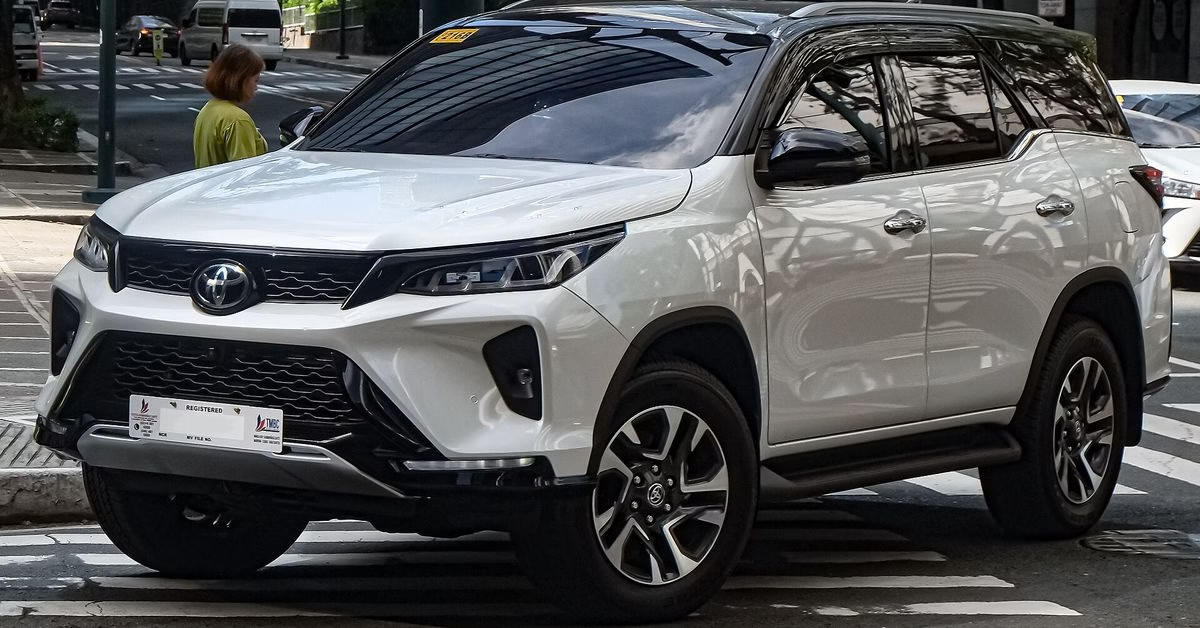
| Years | 2015 onwards |
| Found in | Hilux, Prado 150 and 250, Fortuner, Hiace, Land Cruiser 70 (1GD) |
| Biggest risk | DPF trouble on 2015 to 2020 cars, and dust past the air filter |
| Buy one if | The DPF fix is done and it has been serviced on the right oil |
Toyota launched the GD family in 2015 to replace the KD engines, claiming 15 percent better fuel efficiency and 25 percent more maximum torque in its launch announcement. The 2.8-litre 1GD and 2.4-litre 2GD share the same bore and basic design, and both drive their camshafts with chains rather than a rubber belt. We’ve ranked them together because they share the same strengths and the same weak spots, and the evidence doesn’t separate them.
The core engine is strong. The trouble is the emissions hardware. In Australia, the Federal Court found Hilux, Prado and Fortuner models with either engine acquired between October 2015 and April 2020 had a defective DPF system, as Toyota Australia sets out. Toyota also redesigned the small fifth injector that helps the filter regenerate, issued a service bulletin for camshaft and rocker arm wear on the 1GD, and owners in dusty areas have traced rough running to dust slipping past the airbox.
It ranks fourth because every one of those faults now has a known fix, and the engine itself rarely gives serious trouble. Check for the manual regeneration switch, ask what oil it has been serviced on, look for white smoke from a warm engine, and confirm whether a Japanese import has a urea tank that needs topping up.

3. 2KD-FTV (2.5 D-4D)
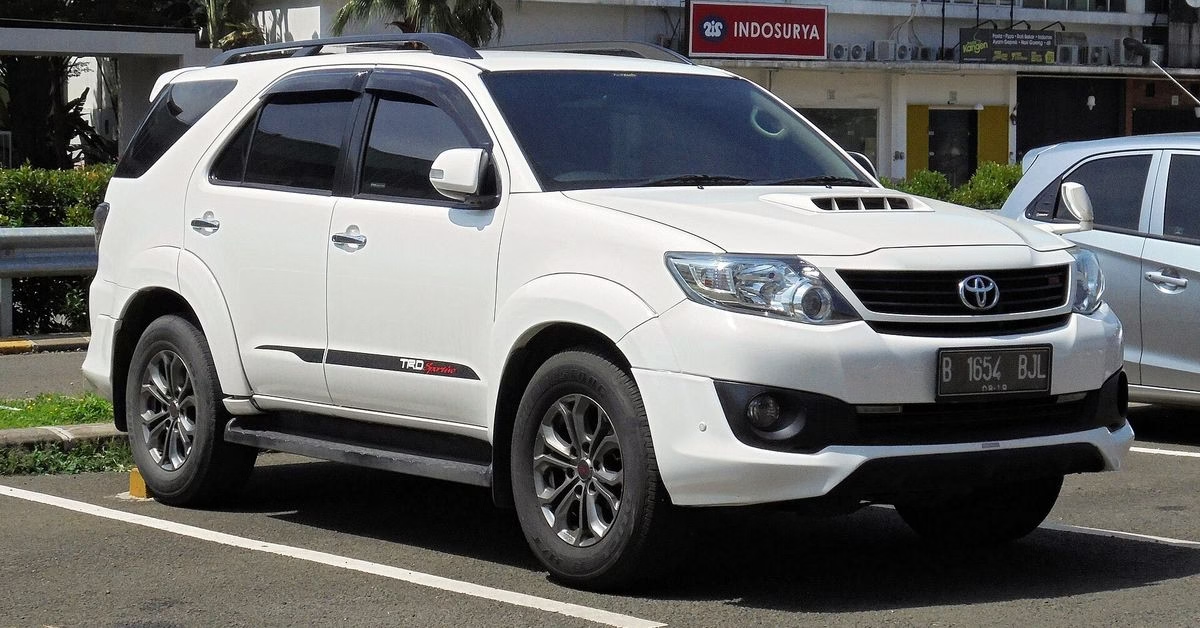
| Years | 2001 to about 2016, later in some markets |
| Found in | Hiace, Hilux, Innova, Fortuner in some markets |
| Biggest risk | The same injector washer leaks as the 1KD |
| Buy one if | It has injector records and hasn’t been run past its oil changes |
The 2.5-litre 2KD is the 1KD’s smaller sibling, and it has probably covered more kilometres than any other Toyota diesel of its era. Basic versions use a simple wastegate turbo with no intercooler and make about 75 kW, which is slow but very little to go wrong. It powers a huge share of the Hiace matatus in East Africa, which tells you something about how much abuse it takes.
It shares the 1KD’s injector washer and injector faults, but cracked pistons are less common on the 2.5, partly because it works its parts less hard. Many mechanics rate it as the tougher of the two KD engines, and it often outlasts the 3.0.
It ranks third because it’s cheap to fix, every mechanic knows it, and its faults are slow to turn serious. It doesn’t rank higher because it’s still a common-rail engine with the same weak washers, and most are now old, high-mileage work vehicles.
2. 1HD-FT and 1HD-FTE (4.2 Turbo)
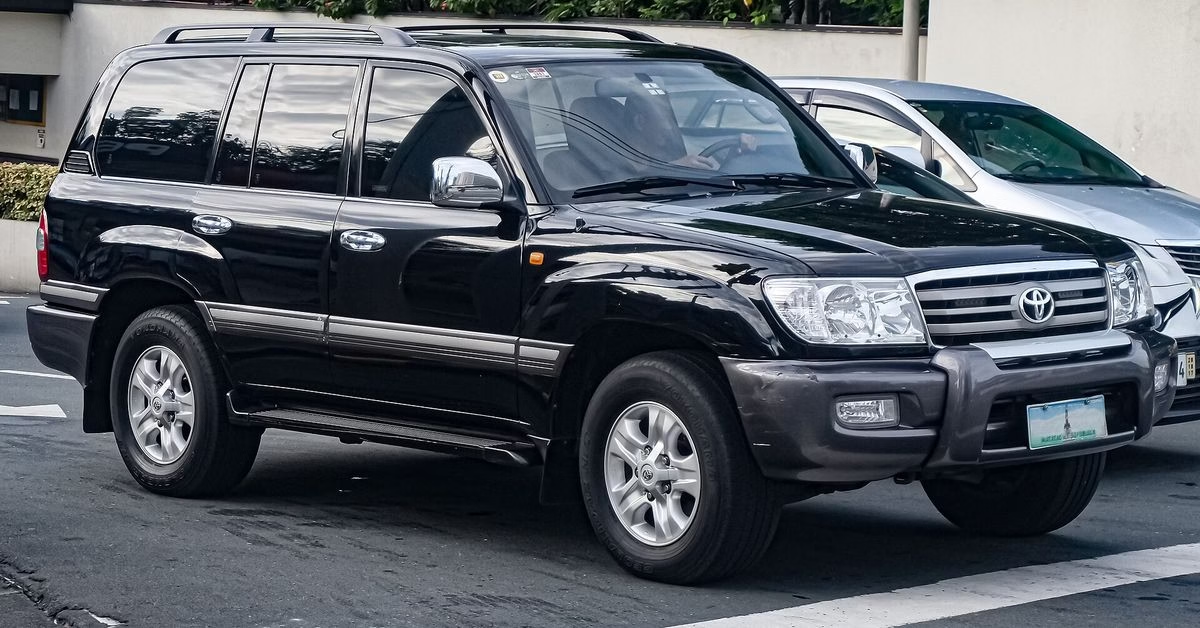
| Years | 1995 onwards (1HD-FT from 1995, 1HD-FTE later) |
| Found in | Land Cruiser 80, 100 and 70, Coaster |
| Biggest risk | Ageing injectors and injector pump, and hard tuning |
| Buy one if | It’s close to standard and has injector and timing belt records |
The 1HD is a turbocharged, direct-injection six that shares its block and crankshaft with the 1HZ. The 24-valve 1HD-FT arrived in the 80 Series in 1995, and the electronically controlled 1HD-FTE followed in the 100 Series, where the intercooled version makes 151 kW and 430 Nm. It’s the engine that turned the Land Cruiser from slow to genuinely quick, without giving up much of the toughness.
Its weak points are mostly age-related. A specialist who rebuilds these engines recommends replacing injectors past about 200,000 km if their history is unknown, and expects the electronic injector pump to need attention around 400,000 km, with the engine cutting out near 2,800 to 3,000 rpm as a warning sign. The same specialist reports barely any piston wear on engines past 500,000 km. The bigger risk is owners who have turned up the boost without fitting a gauge to watch exhaust temperatures.
It ranks second because its basic hardware is close to bulletproof, but the turbo and electronic pump add costs the 1HZ never has. Choose a car that’s close to standard, and walk away from one that smokes heavily under load.
1. 1HZ (4.2 Non-Turbo)
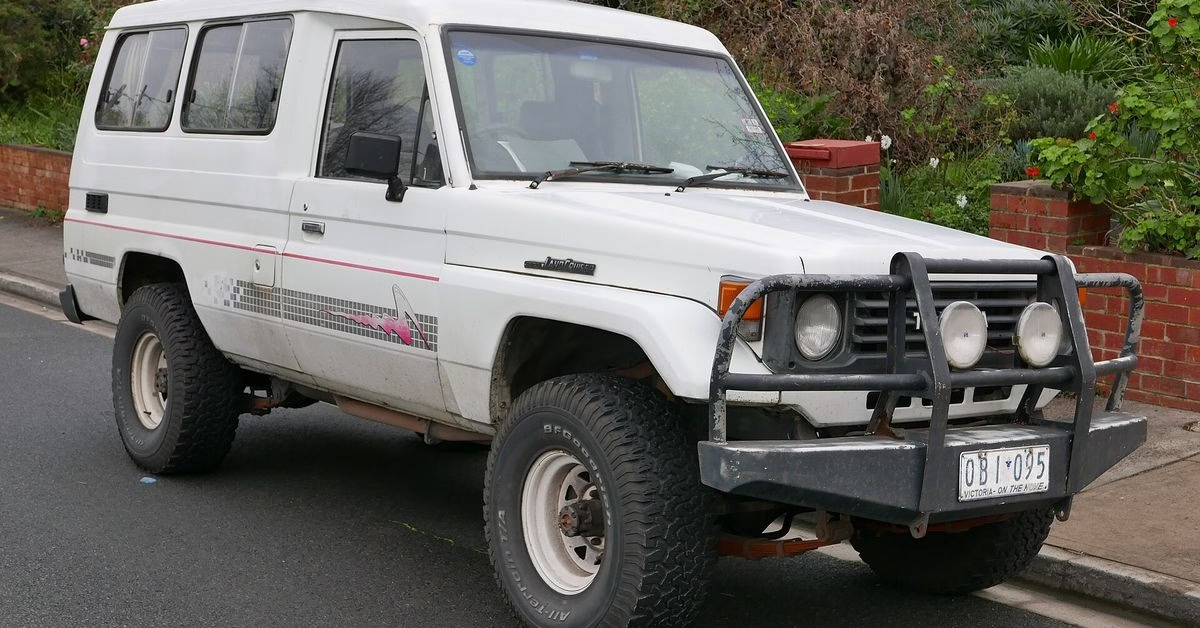
| Years | 1990 onwards |
| Found in | Land Cruiser 70, 80 and 105, Coaster |
| Biggest risk | Overheating, and badly fitted aftermarket turbo kits |
| Buy one if | It hasn’t been overheated and the timing belt is on schedule |
The 1HZ is a 4.2-litre straight six with no turbo, indirect injection and a mechanical injection pump. It makes about 96 kW and 285 Nm, which is slow by any modern standard, and it’s thirsty for what it produces. Toyota developed it in 1990, and it’s still built for the Land Cruiser 70 in many markets more than 35 years later, which says more about its reputation than any review could.
It earns first place because there’s almost nothing on it to fail. With no turbo, no common rail and very little electronics, it tolerates poor fuel better than any engine above it, and a competent mechanic can keep one running far from a dealer. CarsGuide reports that it commonly runs for at least half a million kilometres, with the injection pump usually needing attention around 400,000 km and the timing belt due every 100,000 km. A few heads have cracked around the pre-combustion chambers, and like any engine it dislikes being overheated.
That’s why the UN and aid agencies still use it. If you want power, it isn’t your engine, and an aftermarket turbo kit can undo its reliability if it’s badly fitted. If you want the engine most likely to get you home from somewhere remote, there’s nothing better in Toyota’s diesel line-up.

Fuel Quality Matters More Than the Engine Code
Much of this ranking comes down to fuel. The engines near the top use mechanical injection that copes with dirty or watered diesel far better than the common-rail engines below them. A common-rail injector works at very high pressure with very fine tolerances, so water, dirt or poor-quality diesel wears it faster, and a worn injector is where most KD horror stories start.
The GD engines add another layer. Their DPFs need low-sulphur diesel and low-ash engine oil, or the filter clogs with ash it can never burn off. Kenya’s diesel standard, KS EAS 177:2025, sets a 10 ppm sulphur limit, though a waiver has allowed up to 50 ppm since May 2026. Whatever engine you buy, fill up at busy stations, drain the water separator, change fuel filters on time and use the oil grade the engine was designed for.
Which of These Can You Import to Kenya?
Kenya only accepts right-hand-drive imports first registered within the last eight years, which from January 2026 means 2019 or newer. That rules out the 1KZ, the 1HD and almost every KD engine, apart from late South African Prados that kept the 1KD until 2020. Those engines are still easy to find locally, but you’ll be buying a car that’s already in the country.
For a fresh import, you’re mostly choosing between the GD engines in a Hilux, Prado, Fortuner or Hiace, and the 1VD in a Land Cruiser 200 or 70. That makes the GD family the practical answer for most Kenyan buyers, so the DPF checks above matter as much on a late 2.8 Prado 150 as on a Hilux Revo.

Frequently Asked Questions (FAQ)
What is the most reliable Toyota diesel engine?
The 1HZ, the 4.2-litre non-turbo six used in the Land Cruiser 70, 80 and 105. It has no turbo and mechanical injection, so there is very little to fail, and it commonly runs past half a million kilometres. The turbocharged 1HD-FTE comes a close second.
What is the best Toyota diesel engine ever made?
For toughness, the 1HZ. For an all-round balance of power and durability, many owners pick the 1HD-FTE from the Land Cruiser 100. Among modern engines, the 1GD is the strongest choice once its early DPF issues have been fixed.
Is the 1GD more reliable than the 1KD?
Generally yes. The 1GD uses timing chains and has a stronger core design, and its known faults now have published fixes. The 1KD is simpler but prone to injector washer leaks and, when neglected, cracked pistons. A well-kept 1KD can still outlast a neglected 1GD.
Is the 2KD more reliable than the 1KD?
Many mechanics think so. The 2KD shares the 1KD’s injector washer weakness, but it works its parts less hard and cracked pistons are less common, which is why it is so popular in Hiace vans and fleets.
Which Toyota diesel engines can be imported to Kenya?
Only cars first registered in 2019 or later, in right-hand drive, can be imported. That mostly means the 1GD and 2GD in the Hilux, Prado, Fortuner and Hiace, and the 1VD in the Land Cruiser 200 or 70. Older engines such as the 1KD, 1KZ and 1HD are only available on cars already in the country.
The Best Toyota Diesel Is the One Somebody Looked After
The 1HZ sits at the top of this list because it’s simple, and the 1KZ sits at the bottom because it punishes neglect. Everything in between depends more on the car’s history than on its design. A well-kept 1KD will outlast a neglected 1GD, and a 1VD with clean compression is worth more than a 1HZ that has been cooked.
If you’re not sure which engine a Toyota has, the model code on its paperwork and the code stamped on the block will tell you. Once you know the code, this ranking tells you which receipts to ask for before you pay.