

It’s one of the most common questions new diesel owners ask, usually right before buying a tune-up kit they don’t need. So, do diesel engines have spark plugs? No. A diesel lights its fuel with heat alone: it squeezes air so hard that it gets hotter than the temperature at which diesel ignites, then sprays the fuel in. What most diesels do have is a set of glow plugs, which look a little like spark plugs but work completely differently. They are small electric heaters that warm the cylinders for a cold start, then switch off. Here is how compression ignition works, what glow plugs actually do, and how they compare with the spark plugs in a petrol engine.
Table of Contents
The Short Answer: Diesel and Petrol Side by Side
The two engines burn fuel in the same cylinders and pistons, but they start the fire in opposite ways. This is the difference in one table. Whether a diesel is worth owning over petrol is a separate question, and it comes down to fuel prices, mileage and how much you tow.
| Diesel engine | Petrol (gasoline) engine | |
|---|---|---|
| How the fuel ignites | Heat from compressed air (compression ignition) | An electric spark (spark ignition) |
| Plugs in the cylinder head | Glow plugs, on most car and light-truck diesels | Spark plugs, one or two per cylinder |
| When the plugs work | Before and just after a cold start | On every combustion stroke, thousands of times a minute |
| Typical compression ratio | About 14:1 to 22:1 | About 8:1 to 12:1 |
| What it compresses | Air only; fuel is injected at the top of the stroke | A mix of air and fuel |
How a Diesel Lights Its Fuel Without a Spark
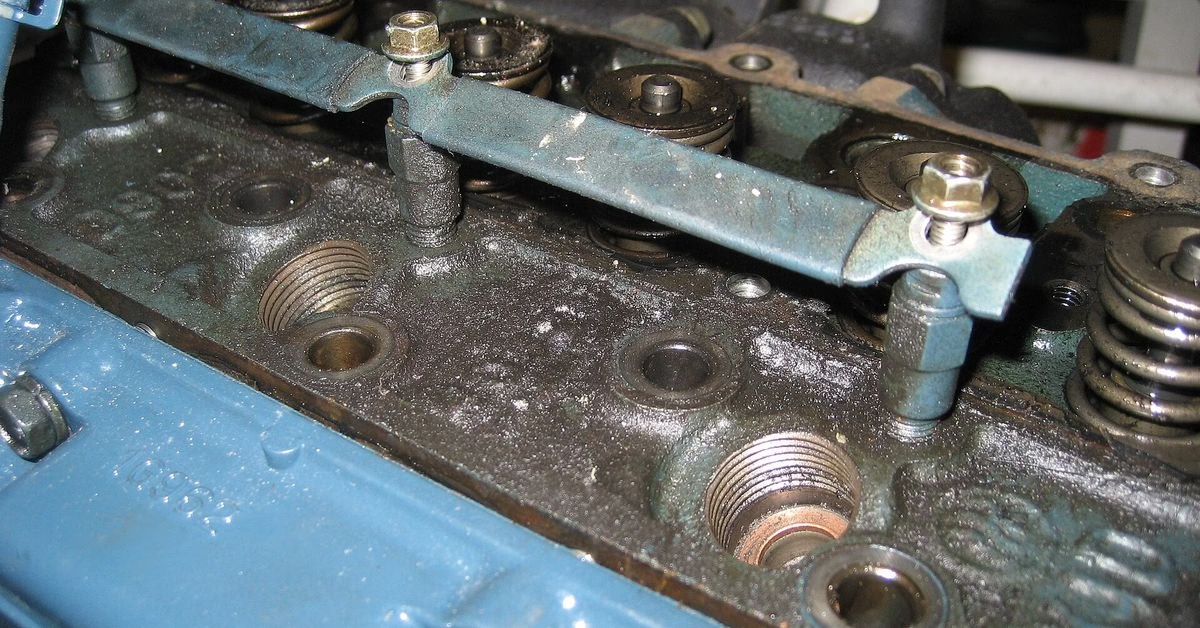
Rudolf Diesel’s idea was to let physics do the job of an ignition system. Squeeze any gas quickly and it heats up, the same effect that warms a bicycle pump. Squeeze it hard enough and it gets hot enough to set fuel alight on contact. Three things make that work.
Compression Does the Work
Diesel engines are typically built with compression ratios between about 14:1 and 22:1, against 8:1 to 12:1 for most petrol engines. Britannica puts the resulting air temperature typically above 526 °C (979 °F) at the top of the stroke. At that moment the injector sprays a fine mist of diesel into the hot air, and it ignites almost instantly. The driver controls power by changing how much fuel is injected, not by throttling the air, which is one reason diesels are so efficient.
Why Diesel Fuel Suits It
Diesel is heavier and oilier than petrol, and it self-ignites at a lower temperature: commonly quoted figures put diesel at around 210 °C and petrol at around 246 °C or more. That makes it ideal for an engine that relies on hot air to light the fuel, because the fuel catches reliably the instant it is injected, rather than smouldering and then exploding all at once.
Why a Petrol Engine Can’t Do the Same
A petrol engine compresses air and fuel together. Raise its compression too far and the mixture lights on its own before the spark, a hammering knock that can wreck pistons. So petrol engines keep compression moderate and use a spark plug to fire the mixture at exactly the right moment. A diesel avoids the problem by compressing only air and adding the fuel last, which is why it can run at compression ratios that would destroy a petrol engine.
What Do Glow Plugs Do?
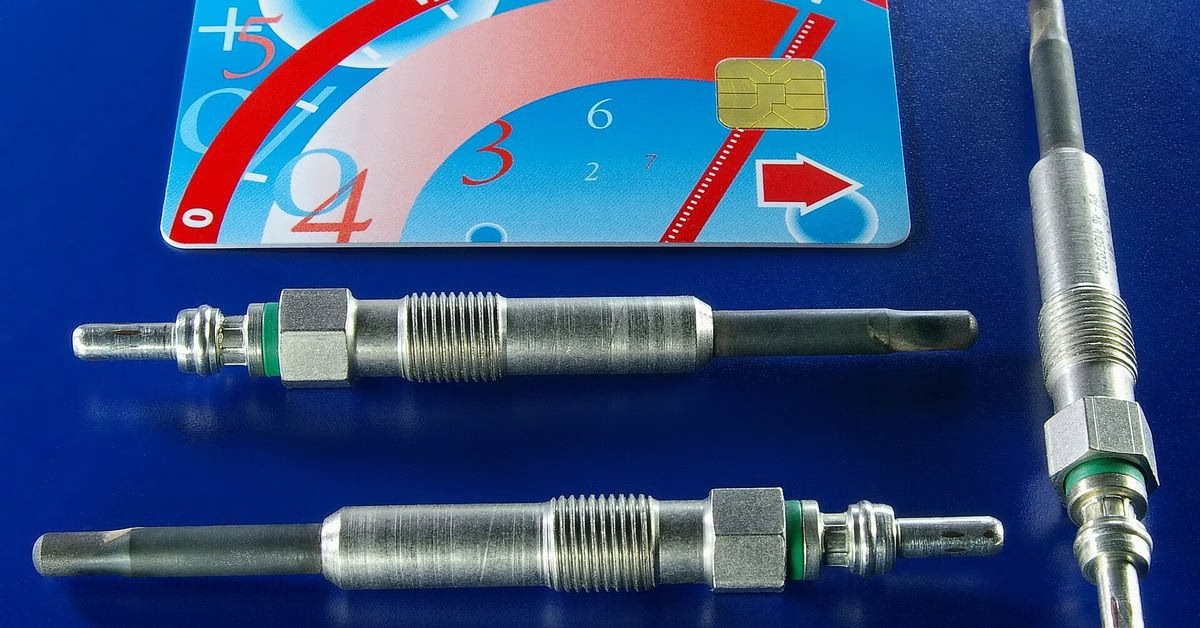
Compression ignition has one weakness: a cold engine. The cold metal of the block and cylinder head soaks heat out of the compressed air, so on a chilly morning the air may never reach the temperature diesel needs. Glow plugs close that gap. Each is a pencil-shaped heating element whose tip sits in or beside the combustion chamber, and Bosch says a reliable cold start needs a glow plug temperature of at least 850 °C.
Pre-glow: Heat Before the Start
When you switch on the ignition, the engine computer reads the coolant temperature and powers the glow plugs for as long as conditions need, which is why a coil-shaped light appears on the dash. Old diesels made drivers wait: Bosch notes that heating times fell from under 180 seconds in 1932 to under 15 seconds by 1958. Modern plugs reach about 1,000 °C in two to four seconds, so on a warm day most drivers never notice a wait at all.
Post-glow: Heat After the Start
On modern diesels the plugs keep working after the engine fires. This after-glow, or post-glow, keeps combustion stable while the engine warms, which cuts the clatter, white smoke and emissions of a cold diesel. Depending on the design, Bosch rates post-glow at up to 3, 6 or 15 minutes. The control unit then switches the plugs off, and from there the engine runs on compression alone.
Steel and Ceramic Glow Plugs
There are two main types. Metal glow plugs use a heating coil inside a steel tube and, in Bosch’s figures, peak at around 950 to 1,030 °C. Ceramic glow plugs use a ceramic heating element that heats faster, reaching 1,000 °C in under two seconds and peaking at about 1,350 °C, which suits modern low-compression diesels built to tighter emissions rules. The two types are not interchangeable, so always fit the type and voltage the engine was designed for.
Glow Plugs vs Spark Plugs
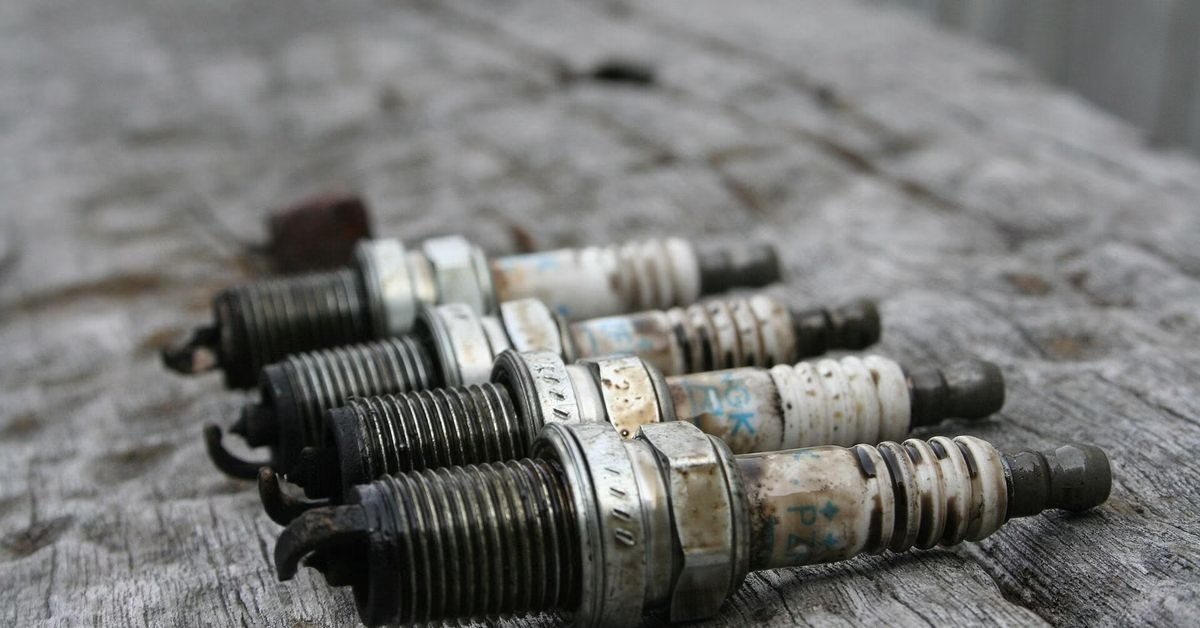
They screw into the cylinder head and look similar on a parts shelf, which is where the confusion starts. In use they could hardly be more different.
| Glow plug | Spark plug | |
|---|---|---|
| Engine | Diesel | Petrol |
| Job | Heats the cylinder so compression ignition can happen | Ignites the air-fuel mixture with a spark |
| Works | Only around a cold start and warm-up | Every power stroke, all the time the engine runs |
| Electrical supply | Low voltage, high current, for seconds or minutes | A brief pulse of tens of thousands of volts |
| Shape of the tip | A closed, rounded heating rod | Two electrodes with a small gap |
| Typical life | Often 100,000 miles or more, with no fixed interval | Usually replaced every 30,000 to 100,000 miles, by schedule |
The practical lesson is simple: a diesel never needs a spark plug change, and a diesel tune-up has nothing to do with ignition. Never try to fit one type in place of the other. The threads, reach and electrics are different, and a spark plug in a diesel would neither fire nor survive the pressure.

Do All Diesels Have Glow Plugs?
No. Most car, SUV and light-truck diesels do, but there are exceptions. Several big truck engines, including the Cummins 5.9 and 6.7 used in Ram pickups, warm the incoming air with a heater grid in the intake instead of a plug in each cylinder. Large, slow-revving diesels in trucks, ships and generators often have no cold-start heater at all, because their size and higher operating temperatures make starting easier. And older indirect-injection diesels, which burn fuel in a small pre-chamber, depend on glow plugs far more than modern direct-injection engines, which in warm weather may start almost without them.
When Glow Plugs Wear Out
Glow plugs slowly burn away at the tip, and Bosch names excessive voltage, usually from a faulty controller, as the leading cause of early failure. The signs are long cranking on a cold engine, white smoke for the first minute and a glow light that stays on. A full set is usually a few hundred dollars to replace, and what the job costs on each engine, from a VW TDI to a Power Stroke, is broken down separately.
Glow Plugs on Toyota Diesels in Kenya
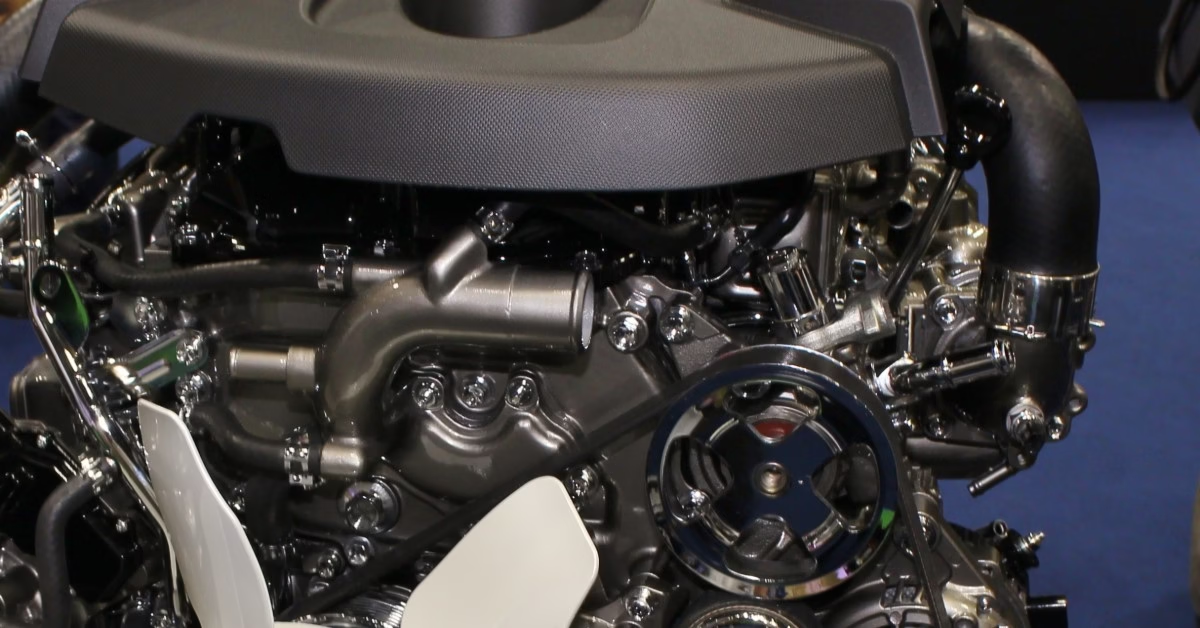
Kenya’s diesel fleet is dominated by Toyota’s direct-injection engines: the 1KD and 2KD in older Prados, Hilux pickups and Hiace matatus, and the 1GD and 2GD in their newer replacements. Every one uses four glow plugs, but in a warm climate they matter less for starting than they do in a European or North American winter. Their bigger job here is post-glow, which keeps a cold engine smooth and clean for its first minutes, especially on cool highland mornings. If a Toyota diesel starts slowly in the heat of the day, the cause is far more likely to be injectors, compression or the battery than the glow plugs. For which of these engines to trust, the Toyota diesel family from the 1KZ to the 1GD is laid out engine by engine.
Frequently Asked Questions
Do diesel cars have spark plugs?
No. Diesel cars, SUVs and trucks ignite their fuel with the heat of compressed air. Most have glow plugs instead, which warm the cylinders for cold starts but never make a spark.
What is the difference between glow plugs vs spark plugs?
A spark plug fires an electric spark on every power stroke to ignite a petrol engine’s fuel. A glow plug is a small heater that only works around a diesel’s cold start and warm-up, helping the compressed air get hot enough to ignite the fuel.
What do glow plugs do in a diesel engine once it is running?
Very little for long. Modern systems keep them heating for a few minutes after a cold start to reduce noise, smoke and emissions, then switch them off. After that the engine runs purely on compression ignition.
Can a diesel start without glow plugs?
Often, in warm weather, especially a modern direct-injection engine, though it may crank longer and smoke. In cold weather, or with older indirect-injection engines, failed glow plugs can stop it starting at all.
Do glow plugs need replacing like spark plugs?
Not on a schedule. Glow plugs often last 100,000 miles or more and are replaced when testing or a fault code shows they have failed, while spark plugs are changed at set service intervals.
The Bottom Line
A diesel has no spark plugs because it doesn’t need a spark. Heat from compressed air lights the fuel, and glow plugs simply help a cold engine reach that heat and run cleanly while it warms. Treat them as a starting aid, not an ignition system: they don’t need routine replacement, only a test and a new set when they fail. For the engineering detail, Cummins’ explainer on how diesel engines work and Bosch’s glow plug guide are both worth a read.