
Every enthusiast runs into the same wall eventually. You find a video of some impossibly good hot hatch or a turbocharged JDM legend, look it up, and find out it was never sold here and never will be. That’s when most of us first learn about cars banned in America, and it usually feels random until you dig into why. It isn’t random. There’s a specific set of federal rules behind almost every car you’ve ever seen on a “banned in the US” list, and once you understand the mechanism, the whole picture makes a lot more sense.
Table of Contents
Why the US Bans Cars Other Countries Drive Freely
The short version is that the US treats vehicle safety and emissions as a gate, not a suggestion. A car has to clear that gate before it’s allowed on American roads, and clearing it is expensive enough that most manufacturers simply don’t bother for low-volume models.
The Crash-Test Wall
Every new vehicle sold in the US has to meet Federal Motor Vehicle Safety Standards, a long list of requirements covering everything from airbag deployment to bumper height to how the roof holds up in a rollover. Meeting FMVSS isn’t a paperwork exercise, it means physically destroying multiple examples of the car in crash testing. When Lotus federalized the Elise for US sale, the process took 16 months and roughly $50 million, and that was with a special airbag waiver that let Lotus skip developing FMVSS-compliant airbags entirely. For a manufacturer expecting to sell a few thousand units a year, that math almost never works, which is exactly why boutique brands like TVR and Noble never bothered certifying anything for American sale.
The Emissions Wall
Separately, the EPA requires every vehicle to meet US emissions standards, calibrated differently than European or Japanese standards. An engine tuned to pass Euro 6 doesn’t automatically pass EPA testing, and reworking it means a real recalibration of the fuel and emissions systems, not a software tweak. Combine that with FMVSS and you can see why a manufacturer building small, efficient cars for other markets often just skips the US altogether. It’s a big part of why American buyers rarely get access to the tiniest, most efficient city cars that are common in Europe and Japan. The gap isn’t about what Americans want to drive, it’s about what clears two separate federal gates at once.
Where the 25-Year Rule Came From
The Gray Market Boom of the 1980s
None of this started as a plan to frustrate enthusiasts. In the early 1980s, individual importers realized they could buy European models, mostly Mercedes-Benz, overseas for less than the US-spec versions cost at dealerships, bring them in, and modify them to pass American standards after the fact. It worked well enough that gray market imports exploded from around 1,500 vehicles in 1980 to roughly 60,000 by 1985. Mercedes-Benz dealers, watching their own sales get undercut by their own cars, led the lobbying push against it.
The Law That Ended It, and Created the Loophole Everyone Uses
Congress responded with the Imported Vehicle Safety Compliance Act of 1988, which effectively shut down the gray market by requiring full FMVSS and EPA compliance for any imported vehicle, with the compliance work now restricted to registered importers rather than backyard shops. Written into that same law was the exemption that defines this entire topic today: any vehicle 25 years or older is treated as a classic or antique and is exempt from both standards. That’s the origin of the rule enthusiasts now build their calendars around. It wasn’t designed as a gift to JDM fans. It was a compromise that happened to leave one door open.
The Chicken Tax: Why Trucks Get Banned Too
Cars aren’t the only casualties of federal import rules. Light trucks face something even blunter: a 25 percent tariff that has nothing to do with safety or emissions at all.
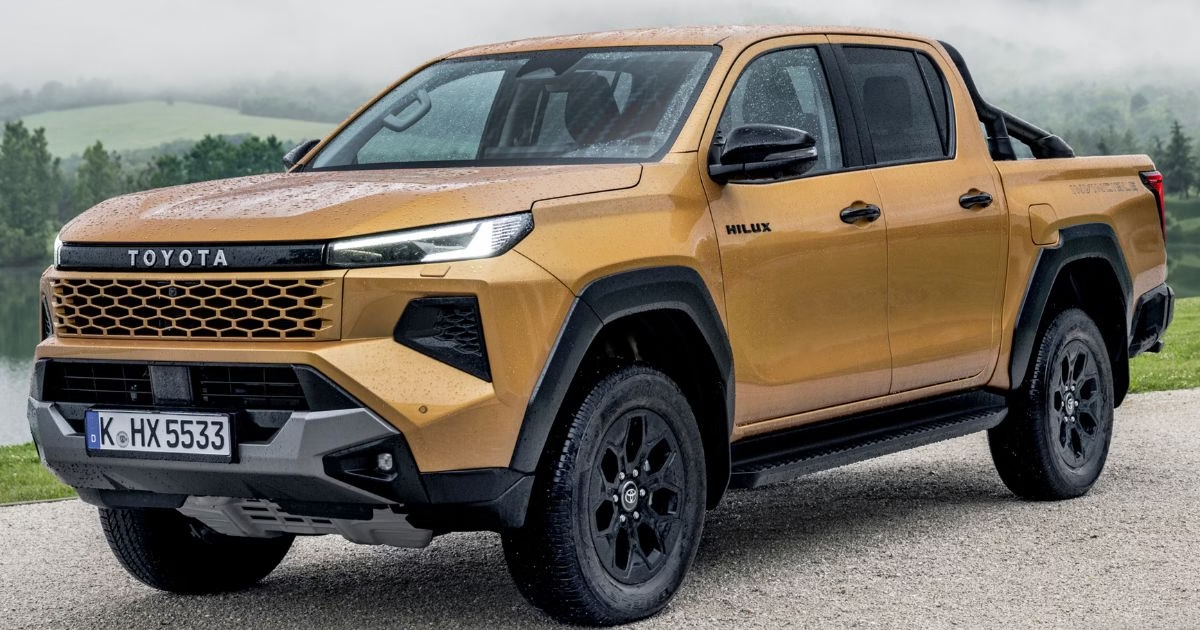
How a Chicken Fight Ended Up Banning the Toyota Hilux
The tariff dates back to 1964, when France and West Germany placed duties on American chicken exports and President Lyndon Johnson retaliated with a 25 percent tariff on imported light trucks, among other goods. The chicken dispute got resolved. The truck tariff never went away, and it’s the single biggest reason the Toyota Hilux, one of the most popular trucks on the planet, has never been officially sold in the US. At 25 percent, it’s simply not viable to import a foreign-built truck here and price it competitively.
The Loopholes Automakers Built to Dodge It
Automakers have spent decades engineering around this one. Chevrolet’s Isuzu-built LUV arrived in the 1970s as a bare cab-and-chassis, with the bed bolted on stateside to qualify for a lower 4 percent duty, a loophole Congress closed in 1980. Ford tried a version of the same trick decades later with the Transit Connect, importing it from Turkey fitted with rear seats and seatbelts so it would clear customs as a passenger vehicle, then stripping those seats out at a facility near the port before selling it as a cargo van. Ford kept that going from 2009 to 2013, reportedly saving around $250 million in duties, until US Customs ruled the vehicles were cargo vans all along and Ford eventually settled with the government for $365 million. The tariff also explains why the Chevrolet Silverado is partly built in Mexico and the current Toyota Tacoma is built there too, since trucks built in North America sidestep the tax entirely.
Kei Cars and the Small-Car Ban Nobody Voted For
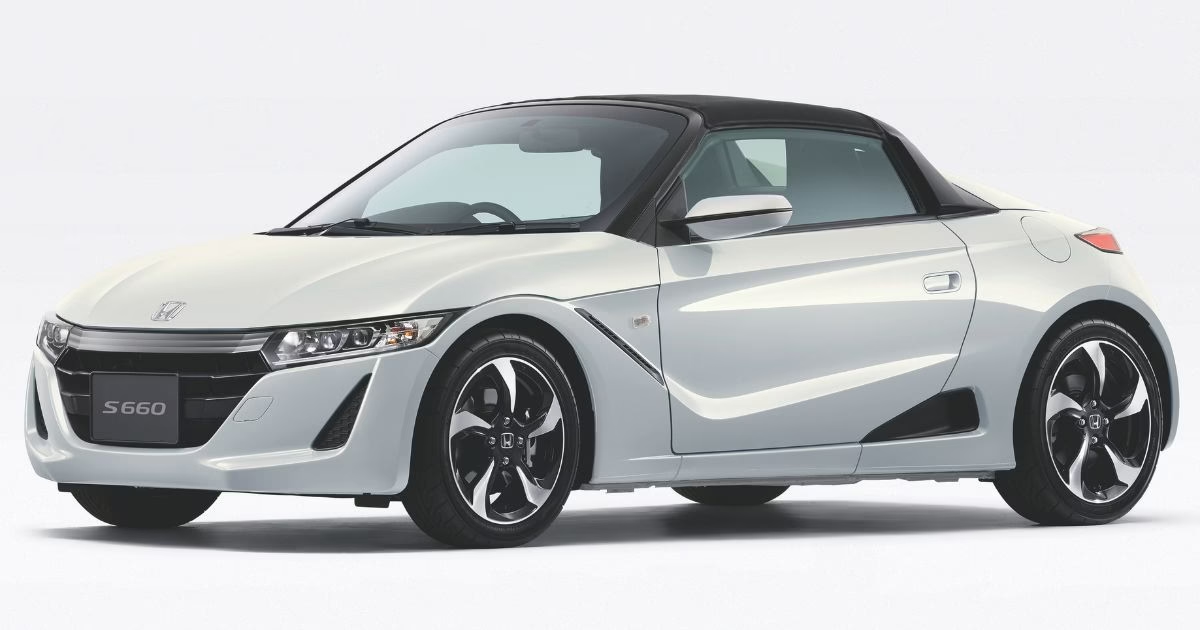
Kei cars are Japan’s smallest legal vehicle class, capped at roughly 660cc of engine displacement and strict exterior dimensions in exchange for tax breaks and easier parking. They’re everywhere in Japan. They’re nearly nonexistent in the US, and it isn’t because Americans don’t want small cars.
Why Kei Cars Can’t Be Federalized
Kei cars are engineered around Japanese regulations, not American ones, and their size and structure make them nearly impossible to bring up to FMVSS crash standards without fundamentally rebuilding the car. No manufacturer federalizes them for direct sale, so unlike a mainstream Japanese sedan, there’s no factory-built US-spec version waiting in the wings. The only realistic path in is the same one covering everything else on this list: wait 25 years.
The Workaround Enthusiasts Use
Because of that, most kei cars in the US are older imports, often registered as off-road or low-speed vehicles in states that allow it, which limits where and how they can legally be driven. It’s a real workaround, but it’s also a compromise. You get the car, but not necessarily the freedom to drive it on any public road the way you would a normal titled vehicle. That gap is a big part of why “why America doesn’t get small cars” keeps coming up in enthusiast conversations. It’s less about consumer demand and more about a regulatory system that was never built with a 660cc city car in mind.
The Cars People Ask About Most
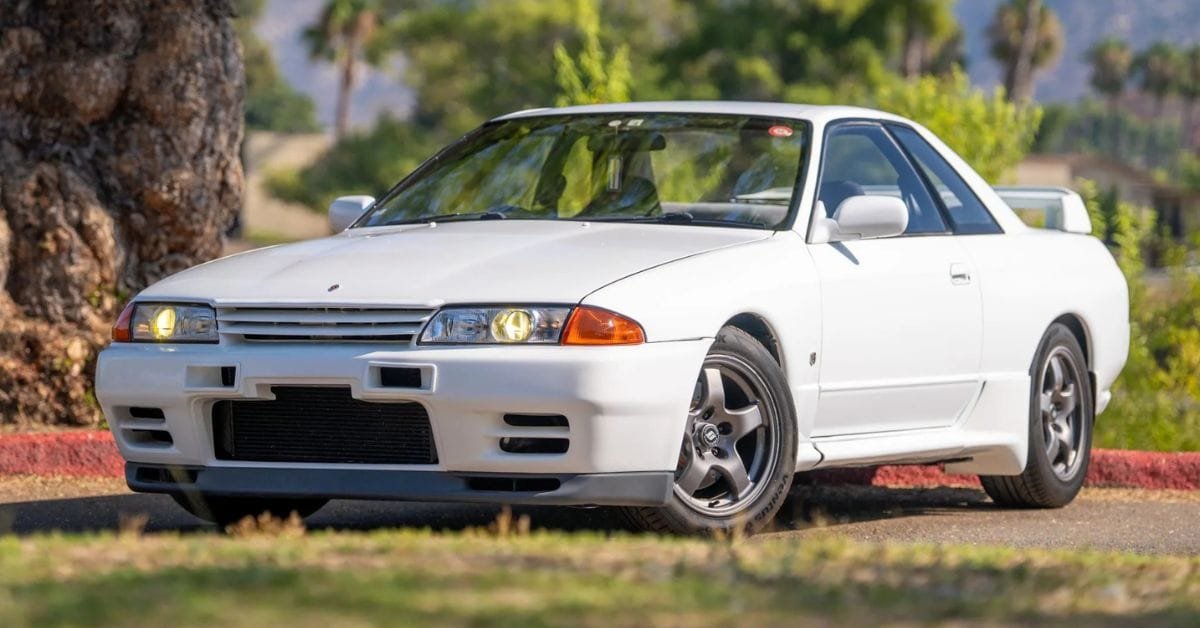
Nissan Skyline GT-R (R32, R33, R34)
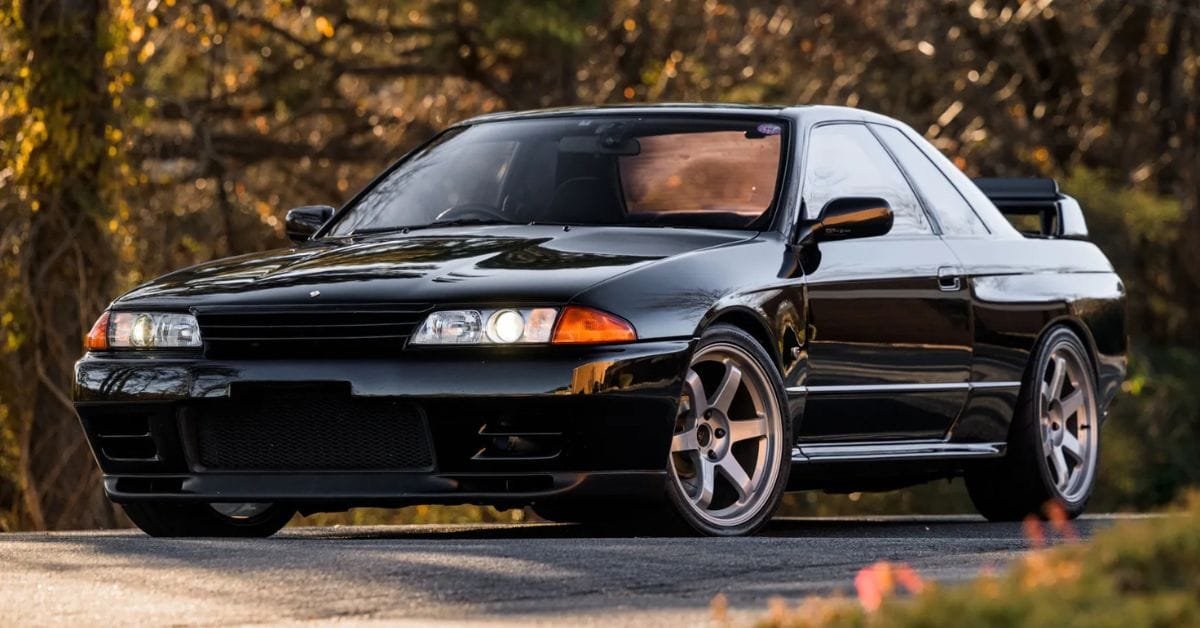
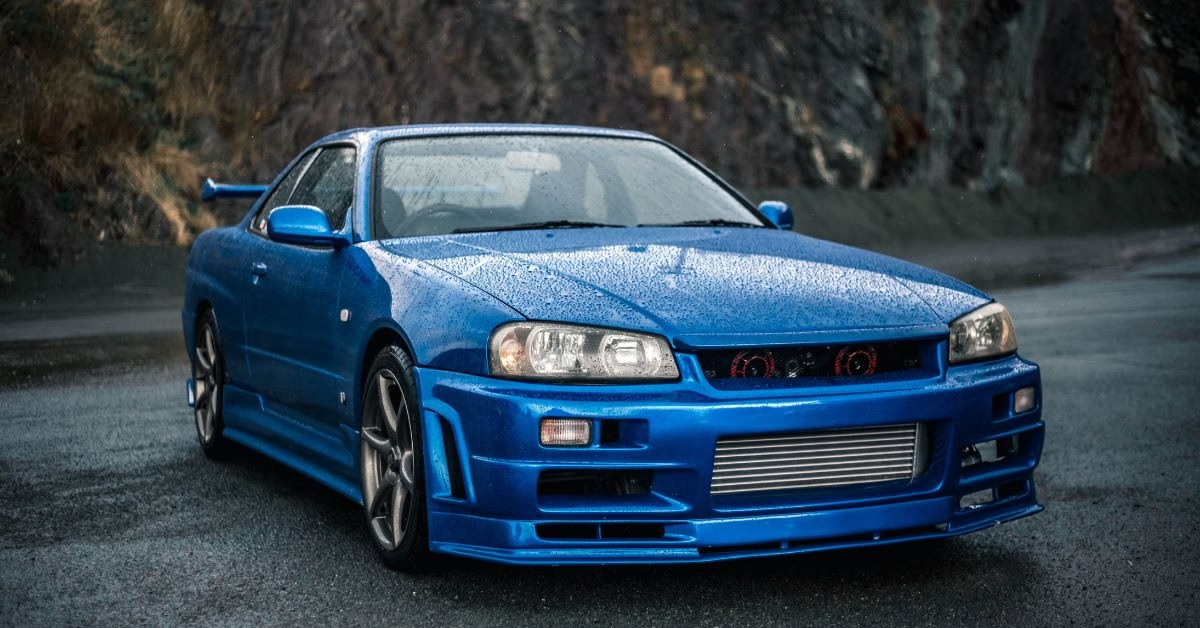
No car comes up more often in this conversation than the Skyline GT-R. None of the R32, R33, or R34 generations were ever officially sold in the US, which is part of why they became such a fixture of JDM car culture here despite that absence. The R32 became import-eligible in 2014, the R33 in 2020, and as of early 2026 the vast majority of R34s have crossed the 25-year threshold too, with the final 2002 model year cars clearing it in January 2027. We’ve broken down the state-by-state eligibility details for the R34 specifically in our guide to rare JDM cars now eligible for US import, and the full history of the nameplate lives in our Nissan GT-R story.
Land Rover Defender
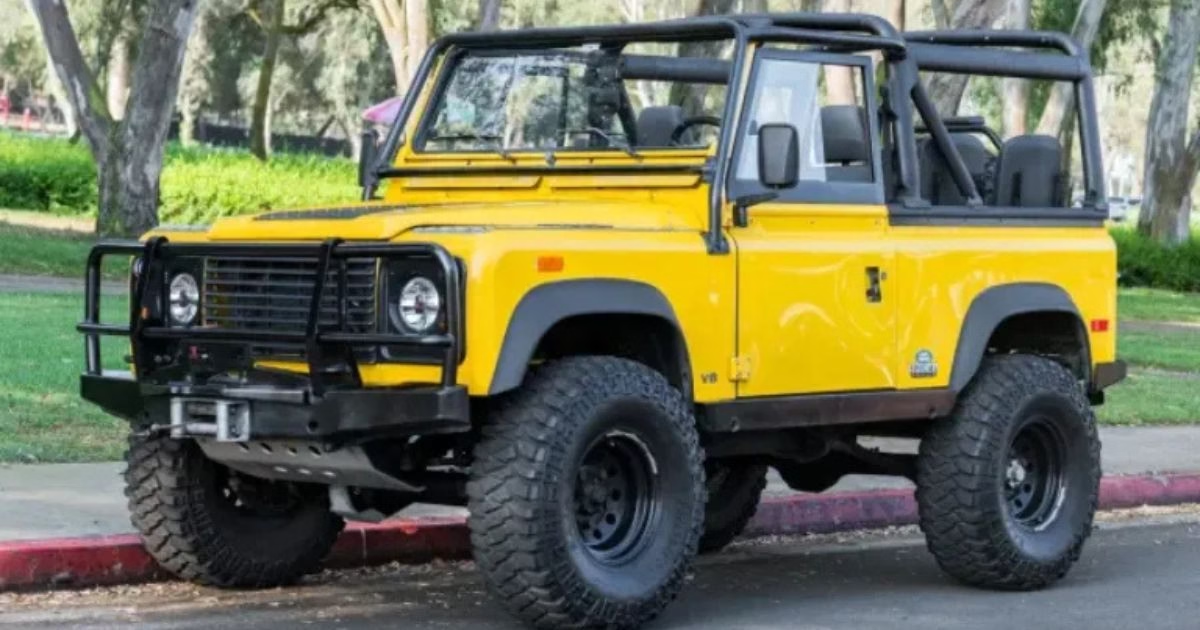
The classic Defender is one of the most requested examples on any “banned cars” list, largely because so many Americans assume it was always available here. It wasn’t. Land Rover pulled the Defender from the US market in 1997 over evolving safety standards, and the only legal path back for the original body style is the 25-year rule. In 2013, US Customs publicly destroyed a Land Rover Defender that had been illegally imported and disguised as an older, exempt model, a reminder of how seriously the rule gets enforced.
Toyota Hilux
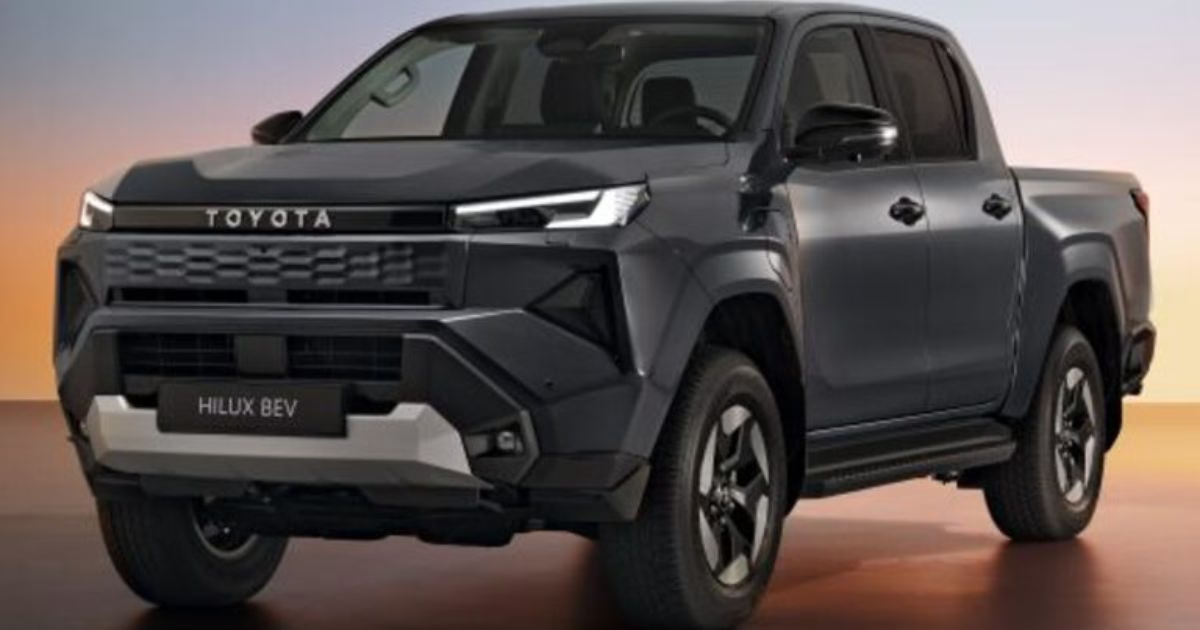
Already covered above as the chicken tax’s most famous casualty, but it belongs on this list on its own merits. The Hilux is sold in more than 180 countries and has a reputation for being nearly indestructible, yet Americans can’t buy one new. Toyota built the Tacoma specifically to fill that gap in the US market instead.
Renault Avantime and Lancia Delta Integrale
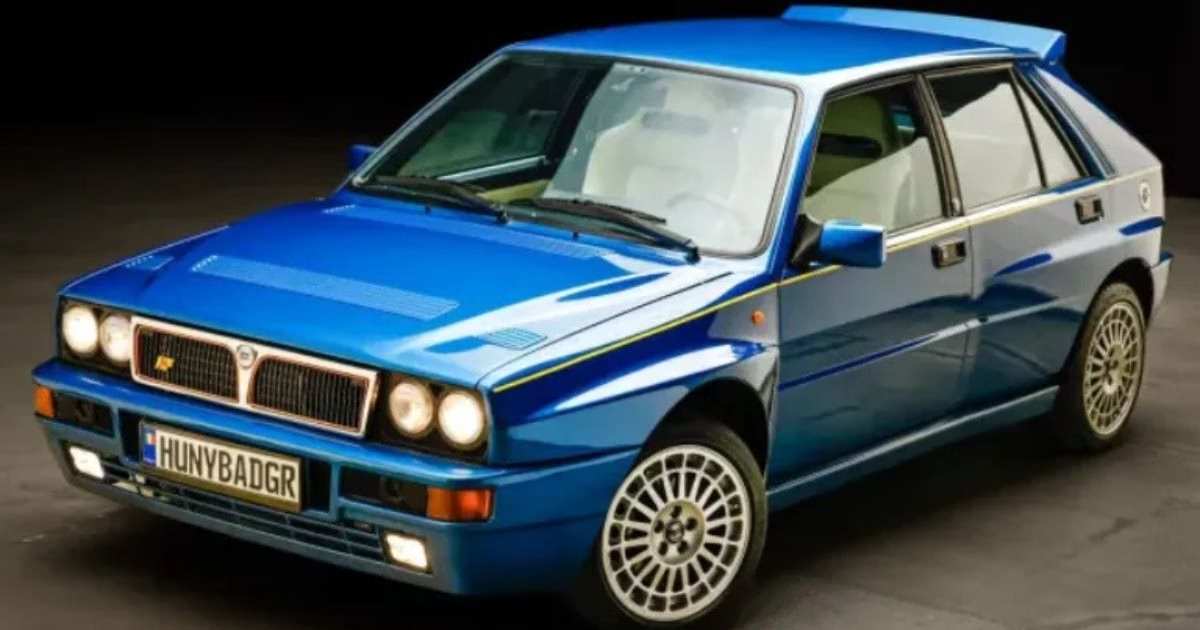
The Renault Avantime, a genuinely strange coupe-minivan hybrid Renault built for barely two years, was never sold here and remains a frequent name on these lists purely because nothing else looks like it. The Lancia Delta Integrale, one of the most celebrated rally homologation cars ever built, never got a US-spec version either, and clean examples are now firmly in 25-year-eligible territory and climbing in value as a result.
Is There Any Way Around the Rule?
For most people, the honest answer is no, not without waiting. But there is one narrow legal path that exists outside the 25-year window.
Show-or-Display Exemption
NHTSA runs a Show-or-Display program that allows a small number of vehicles with historical or technological significance to be imported before they hit 25 years old, provided the manufacturer produced fewer than 500 units. Once approved, owners can actually drive the car on public roads, but only up to 2,500 miles per year, a limit that came out of the original 1999 rulemaking after collector groups argued a proposed 500-mile cap was too restrictive for normal upkeep and event use. It’s a real exemption, but it exists for genuinely rare, significant cars, not as a general workaround for anyone who doesn’t want to wait.
Why “Just Import It Anyway” Ends Badly
Every few years, someone tries to bring in a non-compliant car anyway, usually by misrepresenting its age or intended use on the import paperwork. It doesn’t end well. The Defender case above is a real example. Cars caught this way can be seized at the port and destroyed, and owners can face fines well beyond what legal import would have cost in the first place. The rule feels slow, but it’s also the only path that doesn’t put the car itself at risk.
Frequently Asked Questions (FAQ)
What cars are illegal to own in America?
There’s no single universal list, since eligibility depends on each car’s date of manufacture. Generally, any vehicle under 25 years old that was never federalized for US sale, meaning it never passed FMVSS and EPA certification, can’t be legally titled or registered here. That covers most JDM performance cars, kei cars, and a long list of low-volume European models.
Can I import a car before it’s 25 years old?
In almost all cases, no. The narrow exception is NHTSA’s Show-or-Display program, which allows import of certain historically or technologically significant vehicles produced in quantities under 500, limited to 2,500 miles of driving per year. Outside that program, the car has to wait out the full 25 years.
Why doesn’t the US get kei cars?
Kei cars are built around Japanese size and safety regulations that don’t translate to FMVSS, and no manufacturer federalizes them for the small volume the US market would represent. The only realistic way to own one here is importing an older example once it clears the 25-year threshold.
Why are so many trucks banned in America?
Most aren’t technically banned so much as priced out by the chicken tax, a 25 percent tariff on imported light trucks dating back to a 1964 trade dispute over poultry. It’s the reason the Toyota Hilux has never been sold here and why several automakers have gone to elaborate lengths, including Ford’s Transit Connect seat-removal scheme, to avoid paying it.
What happens if you import a banned car anyway?
Cars imported through misrepresented paperwork or without proper exemption can be seized by US Customs at the port of entry and, in some cases, destroyed, as happened with an illegally imported Land Rover Defender in 2013. Owners can also face significant fines beyond what legal import would have cost through the correct process.
Why was the 25-year rule created in the first place?
It wasn’t designed with enthusiasts in mind. Gray market imports, mostly Mercedes-Benz models bought overseas and modified to meet US standards after the fact, ballooned from about 1,500 vehicles in 1980 to roughly 60,000 by 1985. Automakers and dealers lobbied Congress to shut that down, resulting in the Imported Vehicle Safety Compliance Act of 1988, which also happened to carve out the 25-year exemption still in use today.
The Legend Does Not End Here
Every car and truck on this list exists for the same underlying reason: the US built one of the strictest, most tariff-protected vehicle markets in the world, and most manufacturers decided it wasn’t worth clearing that bar for models they’d only sell in small numbers here. That’s not a conspiracy, and it’s not America missing out by accident. It’s a series of regulatory and trade decisions stacked on top of each other since 1964, and the 25-year rule is the one release valve that eventually lets enthusiasts own the cars anyway. If you’ve found this list because you’re chasing a specific car, our process guide above is your next stop. If you’re just here for the stories, there are a lot more of them where the Skyline came from.