
The Nissan GT-R didn’t just compete with Ferraris and Porsches. In our market, it embarrassed them at half the price. When Godzilla finally arrived in the US as a 2009 model, it landed like a thunderclap. Now, with the R35 generation officially retired and the last unit rolling off the Tochigi production line in August 2025, the question we’re all asking is the same: what happened to the Nissan GT-R, and is it really gone? This is the full story, from its Skyline origins in 1969 through 18 years of the R35’s dominance, to where the JDM cars legend goes from here.
Table of Contents
The GT-R Name Has Roots That Go Back to 1969
Before Godzilla became a household name in enthusiast garages across the country, the GT-R badge had already earned its place in Japanese motorsport history. The story begins in 1969, not with the R35 we know today, but with a car called the Prince Skyline GT-R.
The Hakosuka and Kenmeri: First Blood
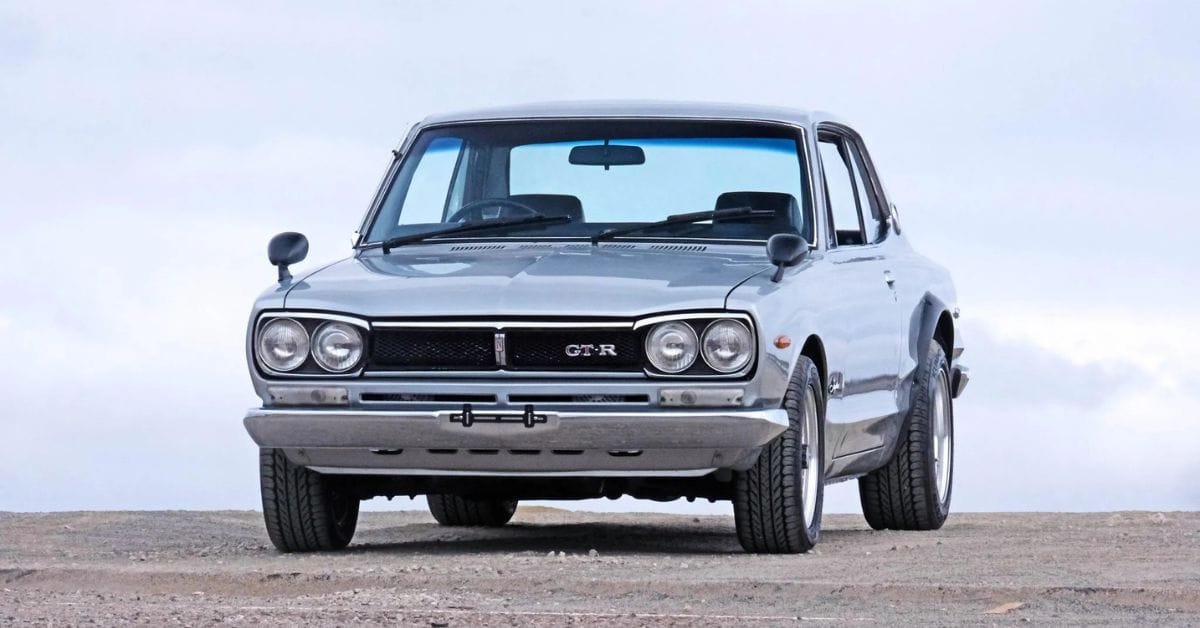
The first Nissan Skyline GT-R, internally designated the PGC10 and nicknamed “Hakosuka” (a blend of Japanese words for box and Skyline), debuted in 1969. It was powered by a 2.0-liter S20 DOHC inline-six producing around 160 horsepower, an engine borrowed directly from the Prince R380 racing program. Nissan used it aggressively in competition. The Hakosuka went on to win 52 consecutive Japanese touring car races, a record that still stands.
A short-wheelbase coupe variant, the KPGC10, arrived in 1971. Then came the KPGC110, nicknamed “Kenmeri” after a TV commercial of the era. Nissan had ambitious plans for it, but the 1973 oil crisis and tightening Japanese emissions regulations ended production after just 197 units. The GT-R name then went dark for 16 years.
The Golden Era: R32, R33, and R34
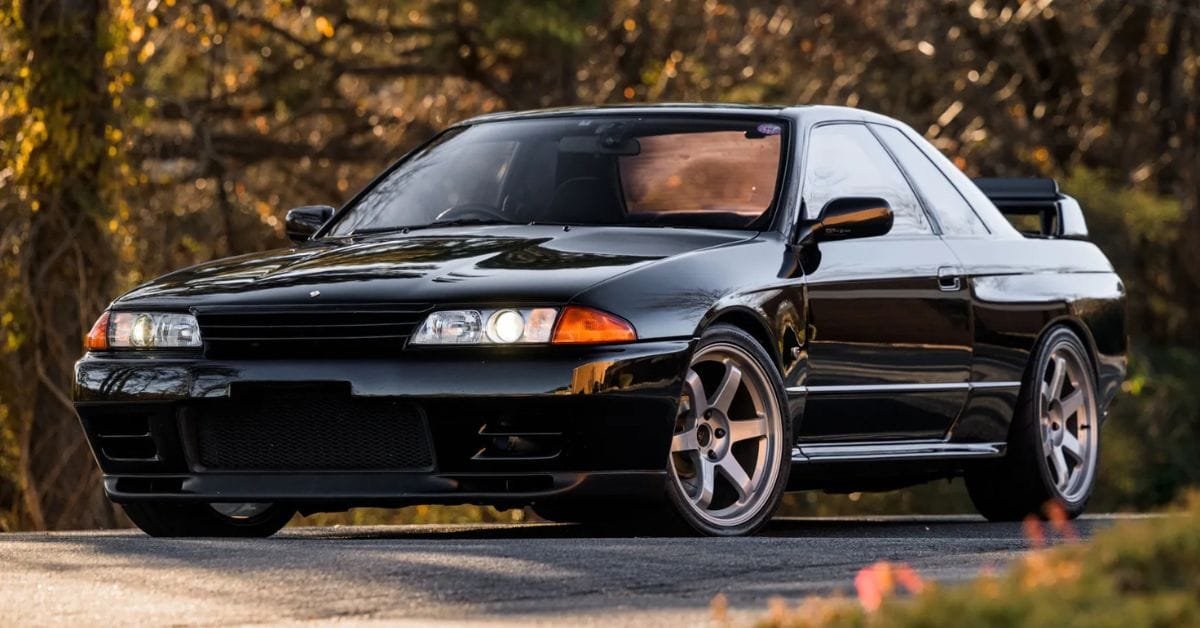
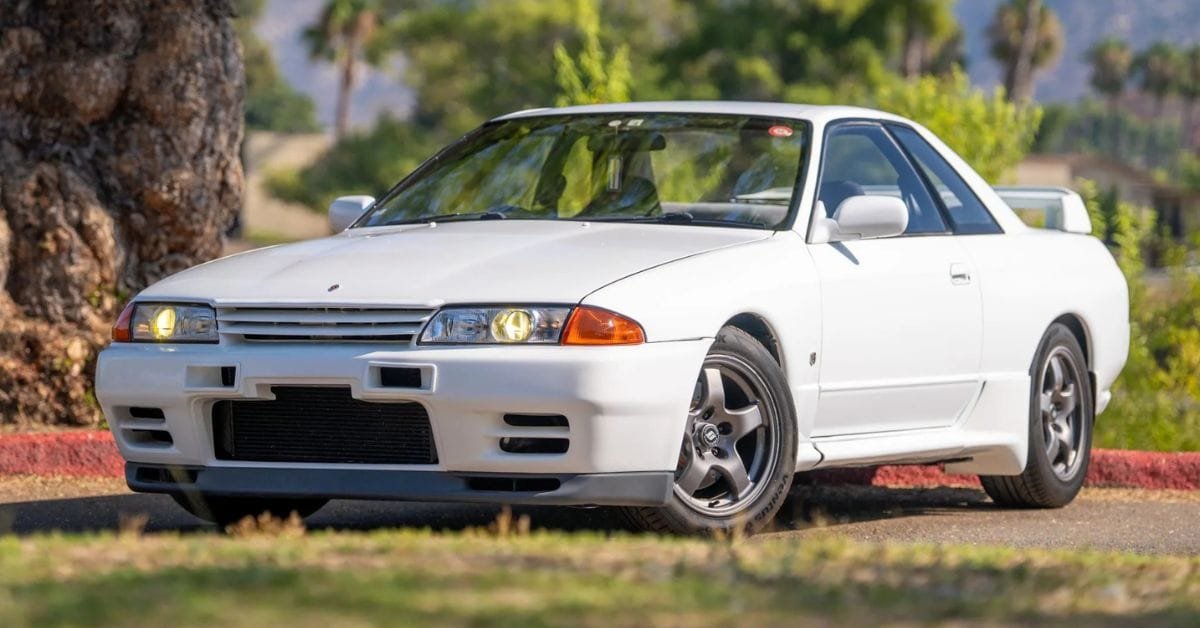
When the GT-R returned in 1989 as the BNR32, it came back with something to prove. The R32 GT-R was built around a 2.6-liter RB26DETT twin-turbocharged inline-six with an official output of 276 horsepower. Every Japanese manufacturer had agreed to a voluntary 276 hp cap, but the consensus among enthusiasts then and now is that the real figure sat considerably higher. The platform also introduced ATTESA ET-S, an electronically controlled all-wheel-drive system, and SUPER-HICAS four-wheel steering.
It was Australian motoring publication Wheels that coined the “Godzilla” nickname in its July 1989 issue, watching the R32 dismantle Group A touring car competition in Australia. Jim Richards won the Australian Touring Car Championship with the GT-R in 1991, and Mark Skaife repeated the feat in 1992. Nissan won 29 consecutive Group A races before regulators rewrote the rules specifically to exclude the car.
The R33 GT-R arrived in 1995 with a slightly larger body but a sharper Nurburgring lap. Driven by Nissan’s test driver, it posted a time of 7 minutes, 59.887 seconds around the Nordschleife, becoming the first production car to break the eight-minute barrier on that circuit.
The R34 GT-R followed in 1999 as the last Skyline-branded GT-R. Nissan shortened the body compared to the R33, introduced a 5.8-inch multifunction display on the center console showing real-time oil pressure, turbo boost, and water temperature, and refined the ATTESA Pro all-wheel-drive system. Between 1999 and 2002, just 11,578 R34 GT-Rs left the factory in Musashimurayama. Not a single one was officially sold in the United States.
Godzilla Goes Global: The R35 Arrives in America
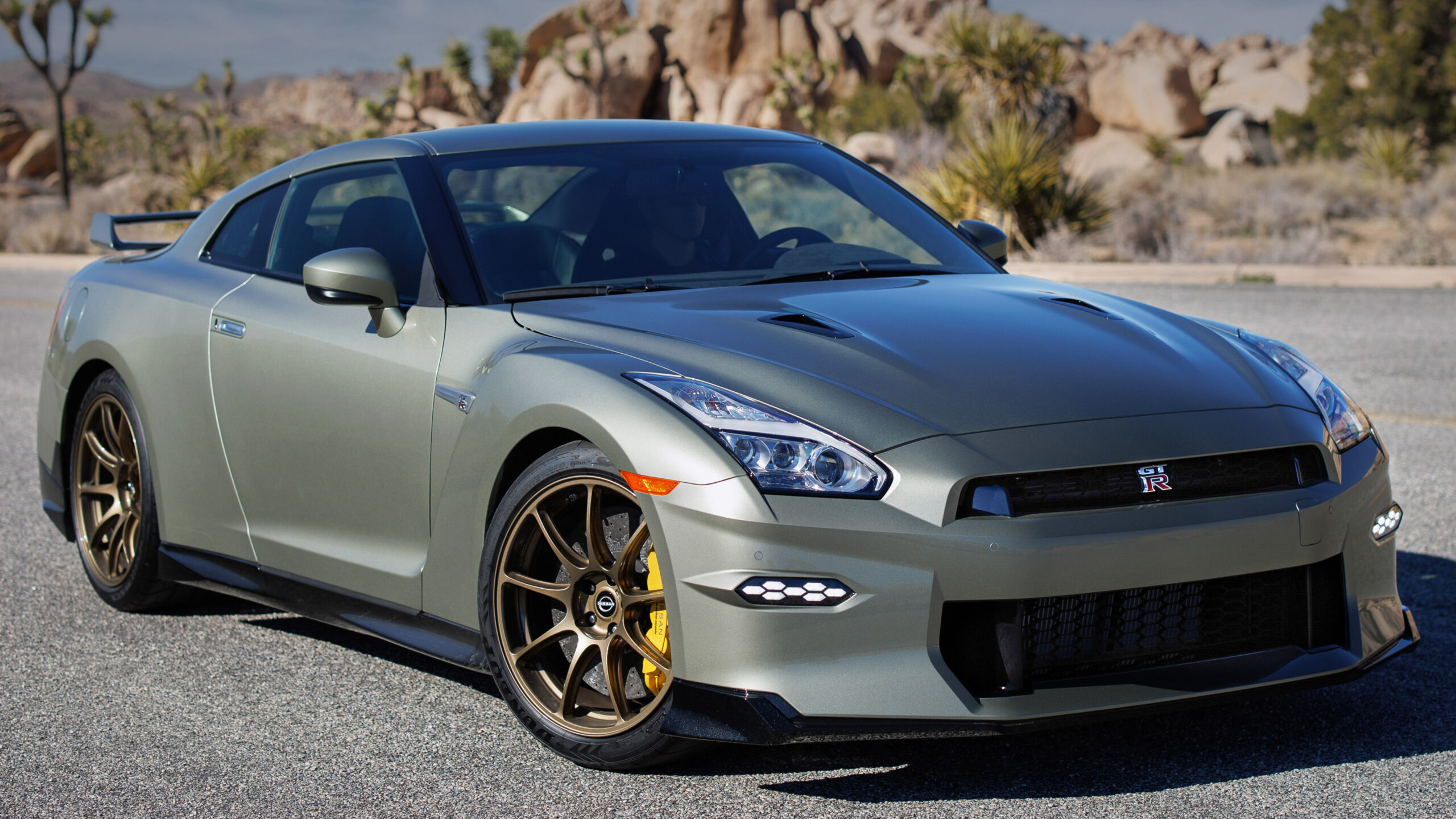
The R35 GT-R was a complete departure from everything that came before it. Nissan unveiled it at the 2007 Tokyo Motor Show and announced from the start that it would be sold worldwide, including the US market, making the GT-R globally available for the first time in its history.
It landed for the 2009 model year at a starting price of $69,850. Nissan had benchmarked the car against the Porsche 911 Turbo and priced it to deliver comparable performance at roughly half the cost. The engine was an all-new VR38DETT, a twin-turbocharged 3.8-liter V6 departing from the iconic inline-six lineage, producing 480 horsepower and 434 lb-ft of torque. Power went to all four wheels through a six-speed dual-clutch transaxle mounted at the rear for improved weight distribution.
Every automotive publication that tested it came away stunned. The 0-60 time was sub-3.5 seconds from the factory, and the GT-R set new lap records at circuits across the US, Germany, and Japan. Car and Driver, Motor Trend, and Road and Track all reached the same conclusion: this was the greatest performance value in the American market, possibly of all time.
| Specification | Detail |
|---|---|
| Engine | 3.8L twin-turbo VR38DETT V6 |
| Horsepower | 480 hp (launch) / 565 hp (final) |
| Torque | 434 lb-ft (launch) / 467 lb-ft (final) |
| Transmission | 6-speed dual-clutch |
| Drive | All-wheel drive (ATTESA E-TS) |
| 0-60 MPH | Under 2.9 seconds (later iterations) |
| US Debut | 2009 model year |
| Launch Price | $69,850 |
| Final US Price | $122,985 (base Premium) |
The engineering behind the R35 was genuinely extraordinary. Each VR38DETT engine was hand-assembled by a single technician in a temperature-controlled clean room at Nissan’s Tochigi plant. The builder’s name was placed on a plaque inside each engine bay, a tradition Nissan called the Takumi builder program. The dual-clutch transaxle’s rear placement helped the GT-R achieve near-50/50 weight distribution despite its front-engine layout.
Eighteen Years Without a Successor
What happened next is almost without precedent in modern performance car history. Nissan kept building and selling the R35 for 18 years without a replacement. Most sports car generations cycle in five to seven years. The R35’s run was more than twice that of a typical lifespan.
Nissan issued updates throughout. By 2012, the base GT-R was producing 530 horsepower. By 2017, output stood at 565 hp across the lineup. The GT-R NISMO variant arrived for the 2014 model year with further power upgrades, stiffer Bilstein DampTronic suspension, and aerodynamic revisions designed for track use. Interior quality, brake systems, and tire specifications were all refined over successive refresh cycles.
The core platform, however, never changed. The R35 was engineered so thoroughly from the start that Nissan found it difficult to justify the enormous investment a ground-up redesign would require, particularly as GT-R volumes stayed low and the company navigated significant financial and leadership turbulence during the Ghosn era and its aftermath. The R35 kept selling. Nissan kept updating it. And year after year, the replacement stayed on the horizon.
What Did a GT-R Actually Cost?
The price trajectory of the R35 GT-R tells its own story. The 2009 base model came in at $69,850, a number that felt almost offensive given what the car could do. It was genuinely close in performance to cars costing $130,000 to $200,000 at the time.
By the end of production, the base 2024 GT-R Premium listed at $122,985. The GT-R NISMO climbed to $222,985. Two final special editions, the T-Spec Takumi at $152,985 and the Skyline Edition at $132,985, were made available in quantities of fewer than 200 units combined. Dealers, predictably, marked them up significantly. Both sold quickly.
Why Nissan Ended the GT-R
The short answer is regulations. The R35 GT-R was designed to a standard that became increasingly incompatible with tightening global rules on noise, crash safety, and emissions as the 2020s approached.
Nissan had already stopped selling the GT-R in Europe and the UK in 2022, when the car could not meet new noise regulations that took effect that year. Australia and New Zealand followed. By mid-2022, North America was effectively the last major market where Godzilla was still on sale.
Nissan bid farewell to the GT-R in 2025, with a spokesperson citing the upcoming emissions regulations as the determining factor. The R35 platform, exceptional as it was, had reached the end of what updates could accomplish. The last GT-R ever assembled, a Premium T-Spec edition finished in Midnight Purple, rolled off the Tochigi production line on August 26, 2025. Over its full production run, Nissan built approximately 48,000 units worldwide.
Buying a GT-R Today: What the Market Looks Like
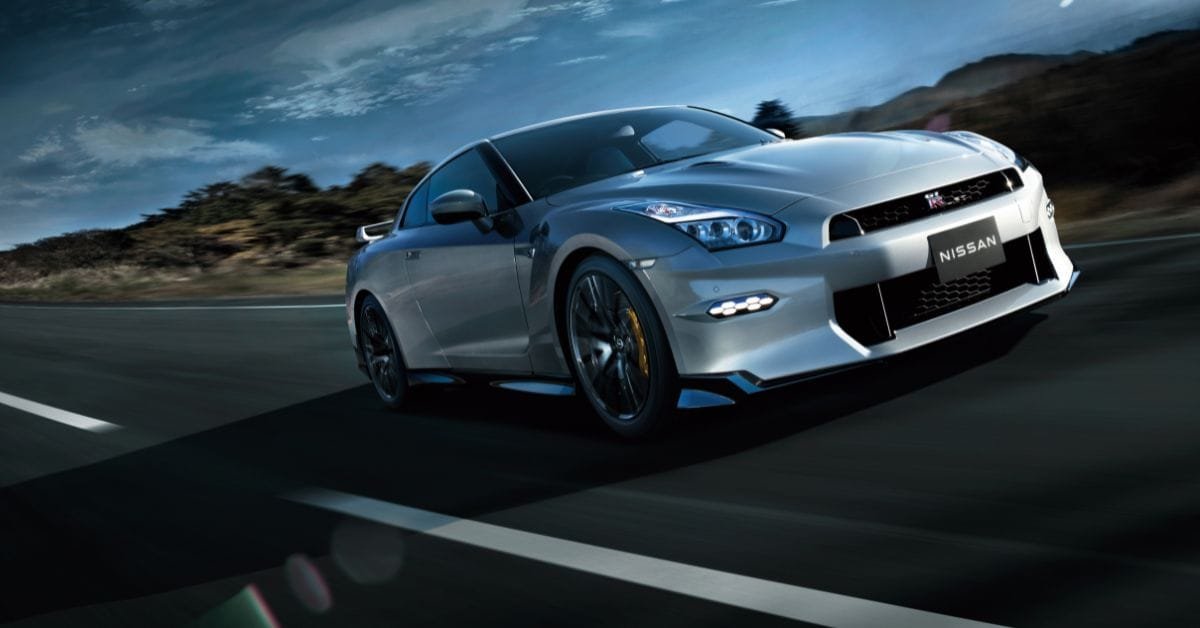
With new inventory long gone, the used market is the only path to GT-R ownership in the US. The picture varies significantly depending on which generation you’re after.
R35 GT-Rs from the early production run (2009 to 2012) in clean, well-maintained condition typically start around $60,000 to $80,000, depending on mileage and modification history. Later model years with lower mileage and original trim climb considerably higher. The final US special edition cars are already being handled as collectibles rather than drivers by many buyers.
The Skyline-era cars are a different conversation entirely. The R32 GT-R became federally importable under the 25-year rule starting in 2014, and values have risen steadily ever since. R33 GT-Rs followed from 2020 onward. As of early 2026, the vast majority of R34 GT-Rs are now also federally eligible for import, with the final 2002 model year examples crossing the threshold in January 2027. Standard R34 GT-Rs regularly clear six figures in the US market. Rare variants like the V-Spec II Nur and M-Spec Nur have broken into truly collector-car pricing territory, with auction results in the $300,000 to $500,000+ range for exceptional examples.
If you’re considering an R34 import, our breakdown of rare JDM cars now eligible for US import covers the federal and state requirements in detail.
What Comes Next: The R36 and the Hyper Force Concept
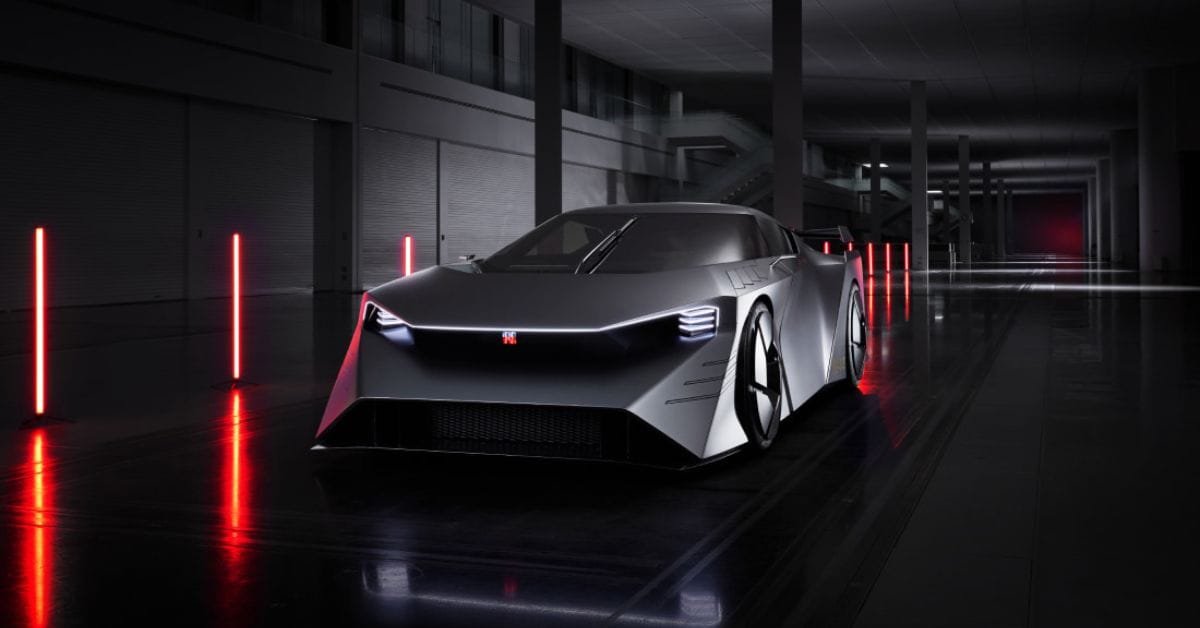
Nissan has not left enthusiasts entirely in the dark about the GT-R’s future. At the 2023 Tokyo Mobility Show, the company unveiled the Hyper Force concept, an angular, aggressive machine with an all-electric powertrain producing a claimed 1,341 horsepower. Nissan directly tied this concept to the direction of the next GT-R generation.
Multiple Nissan executives have since confirmed that the GT-R nameplate will return. Nissan CEO Ivan Espinosa confirmed in April 2026 that a new GT-R is actively in development and that more performance cars are planned for the brand. The timeline being discussed internally points toward an R36 arriving around 2028, though Nissan has not committed to a specific date or powertrain configuration. The debate between a fully electric powertrain and some form of hybrid remains open, with the readiness of solid-state battery technology playing a significant role in the decision.
What the R36 will feel like compared to the R35 remains genuinely unknown. A 1,341-horsepower electric GT-R would be a fundamentally different proposition from the twin-turbo V6 we have known for nearly two decades. Whether it will carry the same visceral character is the question every GT-R owner and admirer is sitting with right now.
Frequently Asked Questions
Is the Nissan GT-R discontinued?
Yes. The R35 Nissan GT-R has been discontinued globally. US market production ended in October 2024. The final unit worldwide rolled off the Tochigi production line in Japan on August 26, 2025, marking the end of 18 years of continuous production.
Why did Nissan stop making the GT-R?
Nissan has cited increasingly strict global emissions and noise regulations as the primary reason. The R35 platform, engineered in the early 2000s, could not be updated cost-effectively to meet the standards required in key markets, including the US, EU, and UK. Europe and the UK stopped receiving the car in 2022 due to noise compliance issues, with North America following in 2024 due to emissions requirements.
How much does a used Nissan GT-R cost today?
With no new cars available, buyers look to the used market. R35 GT-Rs in good condition from the early production years start around $60,000 to $80,000. Later, lower-mileage examples and special editions command more. R34 Skyline GT-Rs now eligible for import typically start around $75,000 to $100,000 for standard cars, with rare V-Spec variants reaching into the hundreds of thousands.
What does “Godzilla” refer to?
The nickname originated in a July 1989 issue of the Australian motoring publication Wheels, which used it to describe the R32 GT-R after it dominated Group A touring car racing in Australia. The name carried through every subsequent GT-R generation and has been used globally by enthusiasts and journalists ever since.
Can I legally import an R34 GT-R into the US?
Yes, for most examples. Under the federal 25-year import exemption rule, R34 GT-Rs built between 1999 and 2001 are now eligible for US import. The final 2002 model year cars, which include the V-Spec II Nur and M-Spec Nur, become eligible in January 2027. State registration adds an additional layer of complexity, particularly in California. See our guide on rare JDM cars now eligible for US import for a deeper look at the process.
Is there a next-generation GT-R coming?
Yes. Nissan has confirmed the GT-R nameplate will return as the R36 generation. Nissan CEO Ivan Espinosa confirmed active development in April 2026. The Hyper Force concept, shown at the 2023 Tokyo Mobility Show, is expected to preview the R36’s design direction. A launch around 2028 has been discussed, with an electric or hybrid powertrain likely.
What does GT-R stand for?
GT-R stands for Gran Turismo Racing, capturing the car’s original mission of combining grand tourer comfort with genuine racing performance.
The Legend Does Not End Here
The Nissan GT-R spent 56 years accumulating a record that most sports cars could only imagine. From 52 consecutive Japanese touring car victories in the Hakosuka era, to Godzilla’s Group A dominance in Australia, to two decades of humiliating supercars at a fraction of their price, the GT-R built its legacy on raw, quantifiable performance.
The R35’s retirement closes one chapter. It does not end the story. If Nissan delivers on the Hyper Force concept’s promise, the next GT-R could be the most extreme performance car the brand has ever produced. For those of us who grew up with the poster on the wall or the car in Gran Turismo, the wait for the R36 feels very familiar. We have been here before. Godzilla always comes back.