
You wake up to find your EV’s range has dropped 30 miles overnight—what just happened? This frustrating reality of cold-weather EV range loss is common because frigid temperatures hurt battery chemistry and force the car to spend precious energy on heating.
Understanding this chemical and physical drain is the first step in fighting back. This guide draws on expert data from AAA, Recurrent, and automaker engineering insights, ensuring you receive practical, authoritative advice on how to reclaim your mileage.
Range reduction in the cold is inevitable, but not catastrophic—and you can minimize it with a few science-backed habits.
Table of Contents
The Science Behind Cold-Weather EV Range Loss
To effectively manage your electric vehicle in low temperatures, you must first understand the triple-threat physics and chemistry working against you. This section explains the core reasons why your EV range suffers when the thermometer plunges.
The Core Chemistry: Why Batteries Hate the Cold
At the heart of every EV is a lithium-ion battery pack. Low temperatures dramatically slow the movement of lithium ions within the electrolyte and across the electrodes. This reduced mobility causes an increase in the battery’s internal resistance, which means the pack requires more energy just to push current out.
Think of it like trying to run through molasses. The slower the ions move, the less energy the battery can efficiently release. This chemical slowing directly translates to significant EV range loss in winter, with studies showing a typical 20–40% reduction in optimal range in freezing temperatures. Automaker and lab data confirms that this is a fundamental characteristic of the technology, not a design flaw.
The Double Drain: Cabin Heating and Battery Heating
In a traditional internal combustion engine (ICE) vehicle, the energy used to heat the cabin is essentially waste heat recycled from the engine. EVs have no massive heat-generating engine to rely on. Instead, they use two major electrical consumers:
- Cabin Heating: Heaters, even efficient heat pumps (found in newer EVs), require significant power to warm the air.
- Battery Thermal Management System (BTMS): The battery must be kept within an optimal temperature window (usually 60∘F to 80∘F). In freezing conditions, the BTMS actively draws energy to warm the battery pack itself.
This “double drain”—heating the passenger cell and heating the battery—consumes energy that would otherwise go toward propulsion. Every degree of warmth costs EV range.
The Silent Efficiency Killer: Reduced Regenerative Braking
Regenerative braking is the feature that recovers kinetic energy (slows the car down) and sends it back to the battery, boosting efficiency. When a cold battery is exposed to freezing temperatures, the battery management system (BMS) limits the amount of charge the pack can accept. This is a safety mechanism to prevent lithium plating, a condition that permanently damages the battery’s capacity and life.
The consequence? Reduced regenerative braking effect. When you lift your foot off the accelerator or apply the brake, the car recovers less energy, leading to greater reliance on friction brakes and further EV range loss in winter.
Here’s a small visual example of the impact:
| Temp | Regen Braking Effect | Range Impact |
|---|---|---|
| 68°F (20°C) | Normal | 100% Range |
| 32°F (0°C) | Reduced by ~30% | −10–15% Range |
| 0°F (−18°C) | Minimal Regen | −25–40% Range |
Preconditioning and Charging Efficiency in Winter
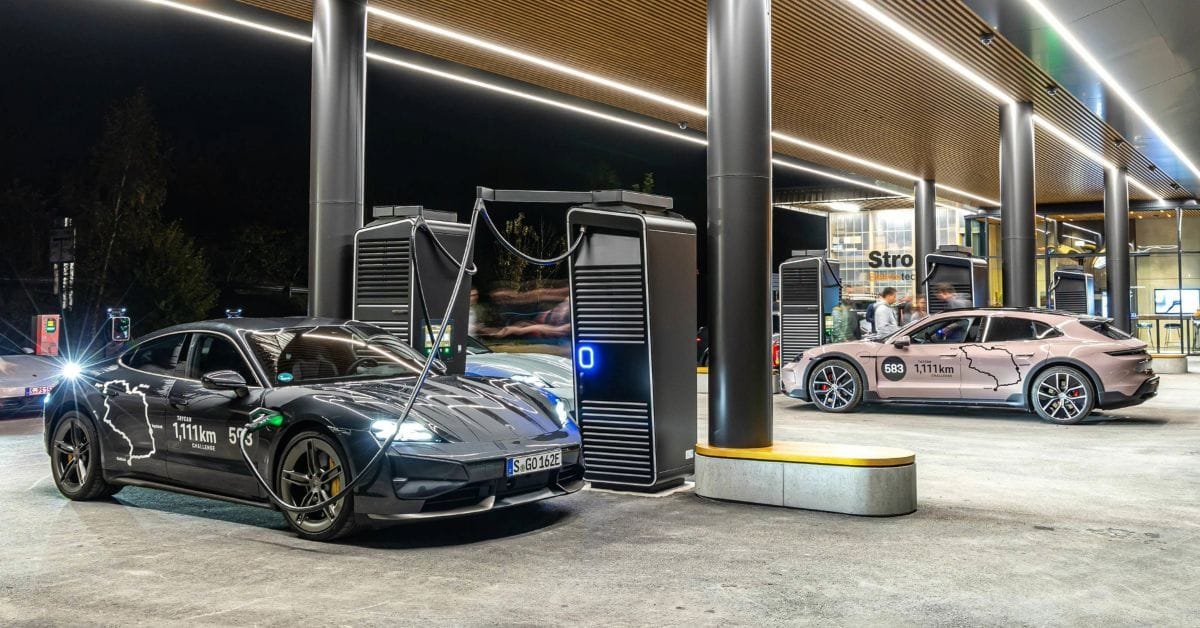
The single most powerful habit an EV owner can adopt to fight cold-weather EV range loss is battery preconditioning for EVs in cold.
Preconditioning 101: What It Is and Why It Matters
Battery preconditioning is the process of using power from the electrical grid (when the car is plugged in) to warm the battery and the cabin to optimal temperatures before you drive.
Benefits of preconditioning include:
- Better Efficiency: A warm battery performs at peak efficiency from the moment you unplug.
- Faster Charging: A warm battery accepts charge much faster, especially DC fast charging.
- Longer Battery Life: It reduces internal stress and helps prevent the damage associated with cold charging.
Many modern EVs, including Tesla, Rivian, and Hyundai, automatically initiate battery warming when you set a fast charger as a destination in the navigation system.
The Golden Rule: Always Precondition While Plugged In
This is critical: Never preheat using the energy stored in your battery pack. Heating the car and the battery is an intense energy draw, and doing it while unplugged will immediately cut 10–20 miles off your starting range.
Schedule your charging to finish ∼30 minutes before your scheduled departure time. This allows the heat generated during the charging process to naturally warm the battery, ensuring you start your trip with a warm, efficient pack.
Finish charging right before you leave—a warm battery charges faster and loses less range on the road.
Parking Power: Smart Habits for Overnight Efficiency
Parking location is your ally against cold-weather EV range loss. Parking in a garage (even an unheated one) or a shielded carport can preserve valuable battery warmth, keeping the BTMS from having to work as hard overnight. When the car doesn’t have to fight external freezing temperatures, it retains efficiency. Furthermore, use smart charging timers and schedules to reduce parasitic idle drain overnight.
Cold-Weather Charging Behavior and Speed
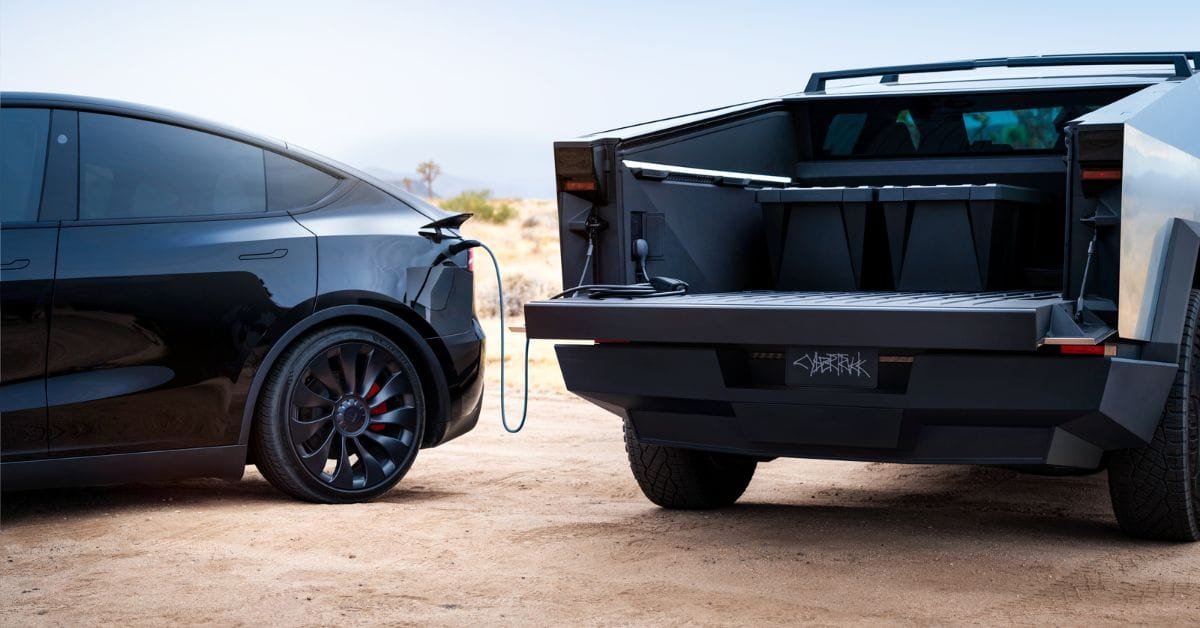
The winter EV charging efficiency experience is very different from summer. Understanding why your EV charging speed in freezing temps slows down is crucial for trip planning.
Why DC Fast Charging Slows in the Cold
When the battery is cold, the BMS limits the charging current to prevent lithium plating (section 2.3). This current throttling is a protective measure. If you attempt to use DC fast charging without preconditioning the battery, you can expect significant slowdowns—normal reduction ranges from 30–60% slower than summer speeds. This slowdown is not a fault; it’s the car protecting itself.
Navigating to Precondition Automatically
The best way to combat slow charging is to ensure the battery is warm upon arrival.
Tip: Always enter the fast charger as a destination in your car’s built-in navigation system. Doing so triggers the automatic battery preconditioning for EVs in cold en route, ensuring the battery is optimally warm when you plug in. Automakers like Tesla, Kia, and Ford have integrated this functionality into their latest models.
The Smart Charging Range: Stop at 80%
Charging past the 80% state of charge (SoC) in any weather slows down due to voltage limitations. In cold weather, this slowdown becomes even more pronounced and inefficient. Charging past 80% in freezing temperatures wastes significant time and energy. For daily use, the ideal charge window is 20–80%.
Driving and Maintenance Habits That Protect Range
Even with a fully charged, preconditioned battery, your driving style and maintenance habits play a huge role in minimizing cold-weather EV range loss.
Drive Smoothly, Stay Efficient
Aggressive driving drains the battery rapidly. In winter, maximize efficiency by:
- Using Eco mode if your vehicle has it.
- Avoiding hard acceleration, which draws huge amounts of power.
- Coasting whenever possible to maintain momentum.
- Maximizing regenerative braking recovery when the battery is warm (use low or “B” mode if available).
Heat Smarter, Not Harder
The cabin heater is one of the biggest energy consumers. To keep comfortable without severely impacting your EV range:
- Use seat heaters and steering wheel warmers instead of relying heavily on high cabin heat. These systems heat you directly rather than the entire air volume, requiring far less power.
- Preheat the cabin while plugged in (as discussed in Section 3) to offload the heating demand onto the grid, preserving your driving range.
Tire Pressure: The Overlooked Factor
Cold air reduces tire pressure—about 1 psi for every 10∘F drop in temperature. Underinflated tires increase rolling resistance, which forces the car to use more energy to move. This seemingly small factor can compound your cold-weather EV range loss. Maintain proper inflation according to the pressure listed on your driver’s side door jamb for better traction and maximum range.
Trip Planning and Charging Strategy for Winter
Smart planning is essential for stress-free winter travel with an EV.
Plan Routes With Charging in Mind
Always use dedicated EV apps like PlugShare or ABRP (A Better Route Planner) to locate chargers on your route. Factor in weather forecasts: colder, windier, or snowy days will drain your battery faster, so build in a larger buffer between charging stops.
Timing Is Everything: When to Charge
Whenever possible, schedule public charging sessions during warmer daytime hours. A slightly warmer ambient temperature makes it easier for the car to keep the battery within optimal charging parameters, improving winter EV charging efficiency. Utilizing off-peak utility rates for home charging also saves money and helps grid stability.
Public Charging Etiquette in the Cold
Frigid temperatures increase demand and wait times at chargers. Be considerate:
- Avoid long idle times after your car is fully charged. Move your vehicle promptly.
- Share charging bays during periods of high demand to build community trust and goodwill.
Quick Reference: Top Ways to Beat Cold-Weather EV Range Loss
- Precondition your battery and cabin while plugged in before departure.
- Charge immediately after driving when the battery pack is already warm.
- Keep your tires inflated to the correct pressure and your car sheltered (in a garage or carport).
- Use Eco mode and targeted heating (seats/steering wheel) over high cabin heat.
- Limit DC fast charging in sub-freezing temperatures unless you have adequately preconditioned.
- Plan trips around efficient routes and pre-vetted charger availability.
FAQs: EV Winter Myths and Realities
Here are quick answers to common questions about EV range loss in winter.
How much range do EVs lose in winter?
On average, between 20–40% of their EPA estimated range when ambient temperatures drop below freezing (32∘F), primarily due to heating demands and reduced battery efficiency.
Does preconditioning waste energy?
No, preconditioning while plugged in is the most efficient use of energy. It draws power from the grid to do the heavy work, ensuring the battery doesn’t have to waste its internal energy to perform optimally on the road.
Why does fast charging slow down in cold weather?
EV charging speed in freezing temps slows because the battery management system (BMS) limits current flow to prevent damage (lithium plating) to the cold lithium-ion cells. The battery must be warmed up to accept faster current rates.
Is it bad to leave my EV unplugged overnight in the cold?
It is not bad for the battery’s health, but it is inefficient. Leaving it unplugged means the battery will lose more heat, forcing the BTMS to use stored battery energy (range) to warm the pack before driving or charging.
Do all EVs handle winter differently?
Yes. Modern EVs equipped with high-efficiency heat pumps and advanced thermal management systems generally experience less range loss compared to older models that use resistive heating elements.
Expert Insight: Automaker Innovations Against Winter Range Loss
Automakers are constantly innovating to minimize the effects of cold-weather EV range loss. Modern thermal management advances are key:
Systems used by Hyundai/Kia and others scavenge heat from the powertrain and environment to warm the cabin and battery, significantly reducing energy drag compared to resistive heaters.
Better thermal insulation around the battery pack helps retain heat generated during driving or charging, ensuring the cells stay within their ideal operating window longer.
Software from automakers like Tesla, BMW, and Ford use real-time data and predicted routes to precisely warm the battery for optimal performance and charge acceptance.
Newer vehicles adjust regenerative braking levels based on exact battery temperature, allowing for maximum energy recovery without risking cell damage in the cold.
Drive Confidently, Even When It’s Cold
Range reduction in the cold is a certainty, but you now have the tools to make it a manageable inconvenience rather than a debilitating issue. The solution to significant cold-weather EV range loss is simple: Precondition. Charge Smart. Drive Gently.
Your winter range loss is temporary—smart habits make the difference. By leveraging battery preconditioning for EVs in cold weather and adjusting your charging and driving behaviors, you can significantly mitigate the dip in performance.