
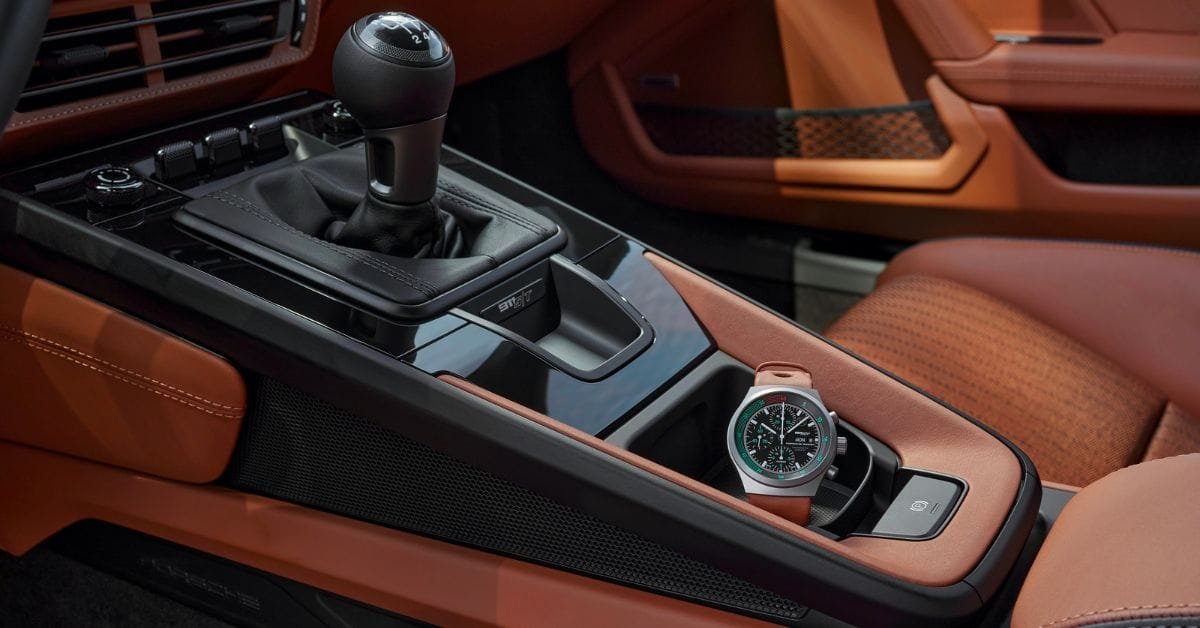
The debate over manual cars versus automatics has been running since before most of us could drive. But manual vs automatic for city driving is its own conversation entirely. The open road gives the stick shift room to breathe; the city is where the real tradeoffs start to show. If you are commuting into downtown LA, crawling the BQE during rush hour, or navigating the perpetual construction of any American mid-sized city, both transmissions come with real costs. Here is an honest, no-fluff breakdown of what each one actually means for your daily drive.
Table of Contents
How City Driving Changes the Equation
City driving is fundamentally different from highway driving, and that distinction matters more than most people realize when choosing a transmission. In major American metros during peak hours, average speeds frequently dip below 20 mph. In dense corridors like Manhattan, the Loop, or downtown LA, stop-and-go conditions can mean dozens of complete stops per mile. That changes everything about how a transmission behaves and how much it costs to operate over time.
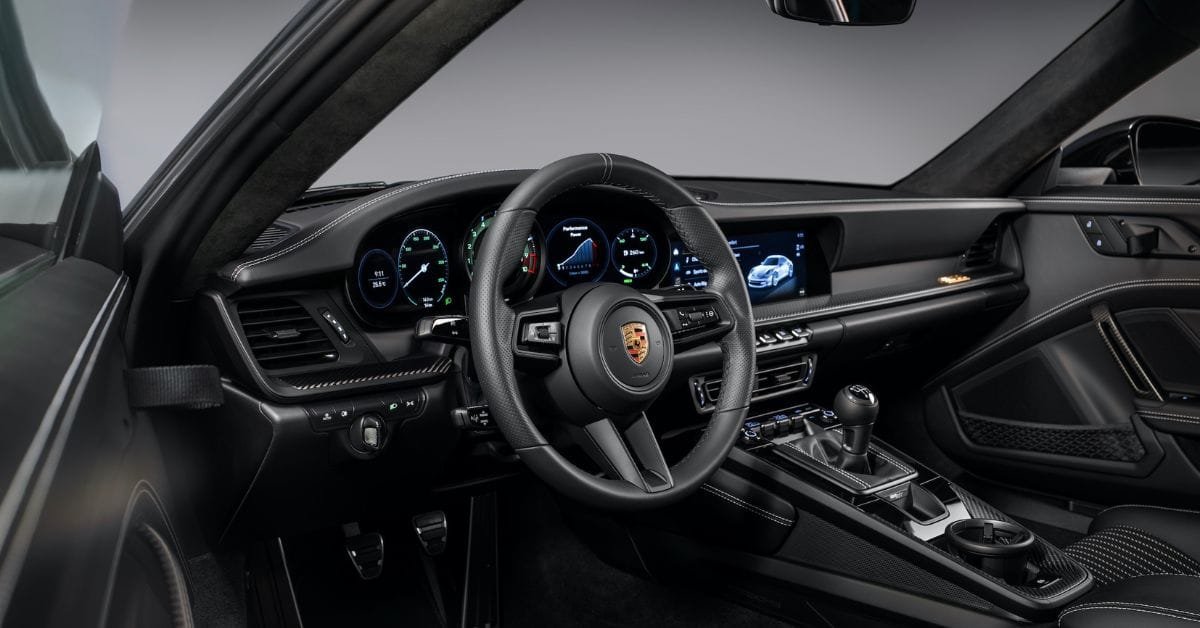
For a manual, every stop means clutch engagement. Every red light is a clutch-in, neutral-hold, clutch-out, and accelerate sequence. During a typical city commute, a driver can work through that sequence hundreds of times. For an automatic, the torque converter handles all of that without any input, idling cleanly and pulling away without drama.
The difference is not just about comfort. It is mechanical wear, driver fatigue, and ownership costs that accumulate over years of city use. Understanding that is the starting point for making an honest decision.
The Case Against the Manual in City Traffic
The manual transmission was not designed with stop-and-go traffic as its ideal environment. That is not a knock on the gearbox; it is just physics working against it in urban conditions.
Clutch Wear is Real, and it Adds Up
Under normal mixed driving conditions, a clutch is designed to last between 50,000 and 100,000 miles. In heavy stop-and-go city traffic, that lifespan can drop significantly depending on driver technique and traffic density. According to RepairPal, clutch replacement on a typical front-wheel-drive vehicle runs between $1,100 and $1,400 in parts and labor, with costs climbing higher on sports cars and rear-wheel-drive platforms. For a commuter replacing a clutch at 45,000 miles instead of 80,000, that gap becomes meaningful money over a car’s life.
Left Leg Fatigue is a Real Factor
Ask any driver who commutes into a dense city with a manual. An hour in bumper-to-bumper traffic with constant clutch engagement is not just tiring; it degrades concentration and reaction time. That is a comfort issue and a safety consideration.
Hill Starts Raise the Stakes
Urban hill starts with a manual take genuine skill. Done smoothly, they are no problem at all. Done repeatedly on steep grades in San Francisco, Seattle, or any hilly East Coast city, the stress on the clutch during repeated hill holds accelerates wear significantly. Flat cities like Phoenix or Columbus are a different story entirely, but geography cannot be separated from this discussion.
In hilly cities, a poorly executed series of hill starts can do more clutch damage in a single commute than miles of flat highway driving. While technique matters, no amount of skill changes the physics of repeated clutch slipping under load.
The Honest Case for the Manual in the City
The automatic does not win every argument. There are real, practical reasons some city drivers still prefer the stick, and they deserve a fair hearing.
Purchase Price
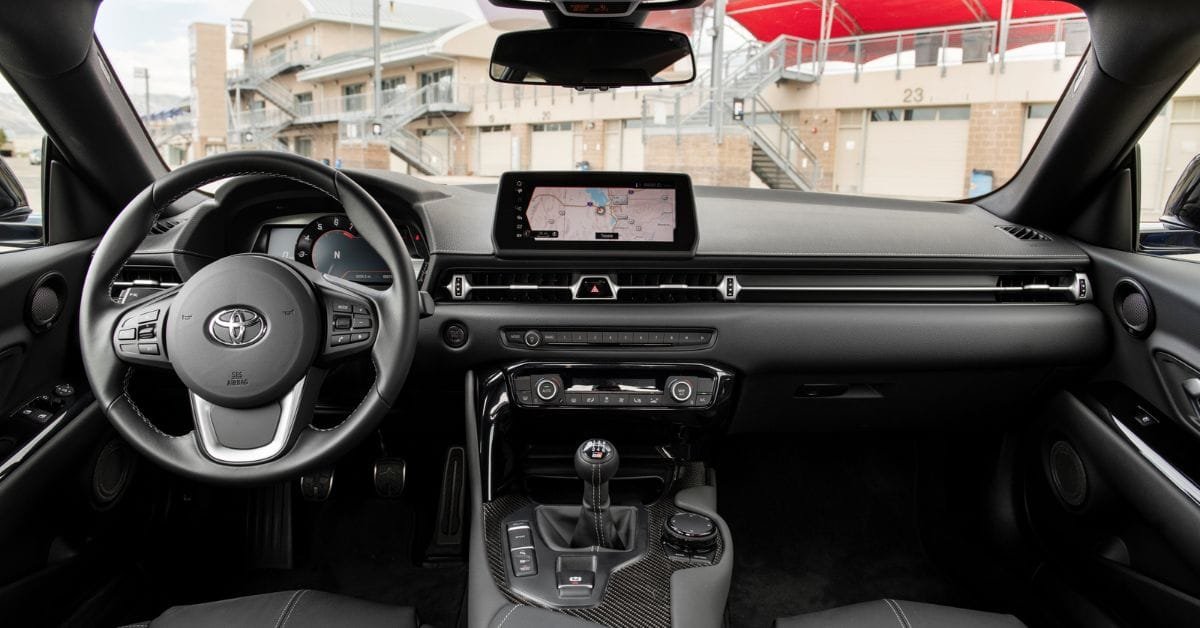
When a manual option is available, it is typically $1,000 to $1,500 less than the automatic equivalent on the same model. Those upfront savings are immediate and real. Over time, it can offset some of the accelerated clutch wear costs, depending on your driving habits.
Manual Transmissions Are Generally Simpler to Repair
When a traditional automatic, a CVT, or a dual-clutch unit fails, repair costs climb quickly. A modern 8-speed automatic or dual-clutch rebuild can run $3,000 to $5,000 or more. A manual gearbox, outside of the clutch itself, is mechanically simpler and has historically proven more durable over high mileage when driven correctly.
Fuel Economy Still Holds Up in Many Models
For decades, manuals offered a clear MPG advantage. Modern automatics and CVTs have largely closed that gap, and in some vehicles, the automatic now equals or edges out the manual on EPA city ratings. But in many mid-range and performance-focused cars, the manual variant still delivers competitive or better city fuel economy, particularly for drivers who understand smooth throttle control and are not riding the clutch.
Theft Deterrent
It is an understated practical point. Vehicles with manual transmissions are stolen at a considerably lower rate in major US cities, largely because fewer people know how to drive one. That is a real-world, insurance-relevant factor that often goes unmentioned in transmission comparisons.
What Modern Automatics Have Changed
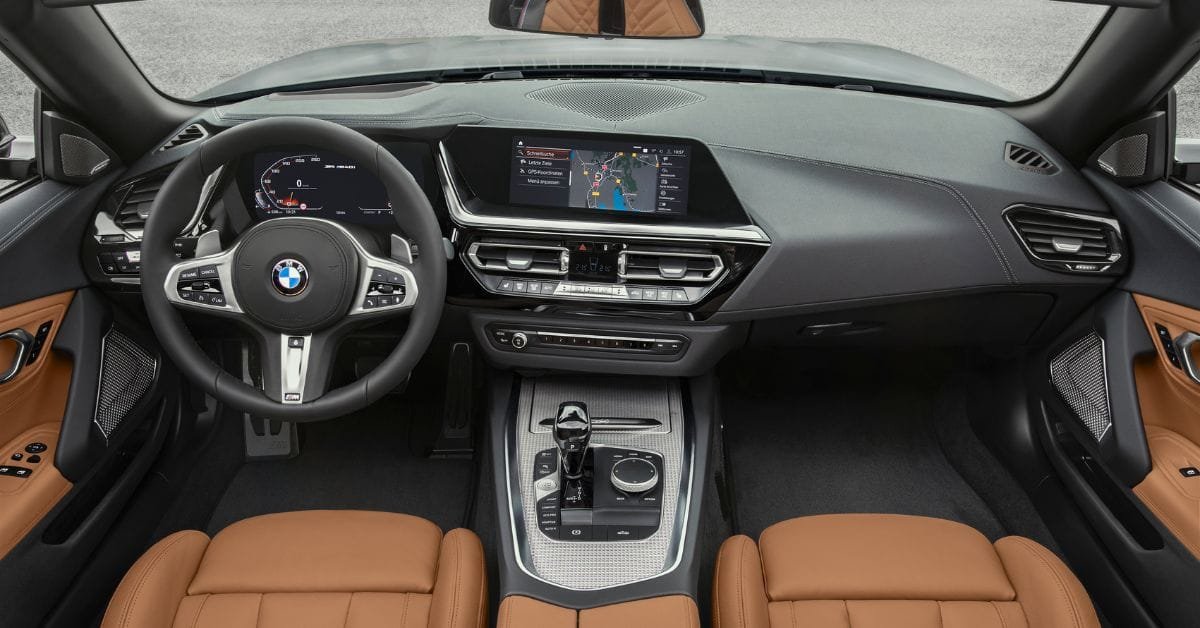
The automatic transmission of 2026 is not the sluggish 4-speed of 20 years ago. The gap between manual and automatic has compressed dramatically, and on some metrics, the automatic now wins outright.
Today’s 8-speed and 10-speed automatics are engineered specifically to keep the engine in its most efficient RPM band at all times. Paddle shifters on performance-oriented automatics, found on everything from the Toyota GR86 to the Cadillac CT5-V, let drivers select gears manually when they want engagement without needing to operate a clutch in stop-and-go traffic.
CVTs, now standard in most Toyota and Honda hybrids, keep the engine at its ideal efficiency point continuously rather than stepping through fixed ratios. When paired with a hybrid system, the CVT allows the electric motor to do the heavy lifting during low-speed city traffic, which is precisely where hybrids earn their impressive EPA city ratings. If maximizing fuel economy without sacrificing convenience is the priority, the best compact hybrid SUVs for city drivers represent the strongest argument the automatic side has in an urban context.
Dual-clutch transmissions (DCTs) offer something closer to the manual driving experience without the clutch pedal in traffic. They shift quickly, feel engaged, and are highly efficient. The tradeoff is a known tendency to feel jerky at very low speeds during slow creep conditions, which is a documented characteristic of DCT design in stop-and-go environments. For a full breakdown of how each gearbox type works mechanically, our ultimate guide to automotive transmissions covers every type in depth.
Manual vs Automatic for City Driving: Head-to-Head
| Factor | Manual | Automatic |
|---|---|---|
| Stop-and-go fatigue | High — constant clutch and gear work | Low — no clutch, just steer and brake |
| Clutch/trans wear | Accelerated by city stop-and-go | Minimal — torque converter absorbs load |
| City fuel economy | Competitive; depends heavily on driver technique | Equal or better in modern automatics and CVTs |
| Purchase price | Typically $1,000–$1,500 less (where option exists) | Higher on the same model |
| Long-term repair cost | Lower — simpler mechanical design | Higher if transmission fails |
| Theft deterrent | Strong — fewer drivers can operate a stick | Minimal |
| Driver skill required | High — clutch, rev-matching, hill starts | Minimal |
| Driver engagement | High — you are in the machine | Lower; paddle shifters help on some models |
| Best-suited city type | Flat cities with moderate traffic | Any city; essential in dense stop-and-go |
Which One Should You Actually Choose?
The honest answer depends less on ideology and more on your specific driving reality, and it is worth resisting the urge to default to a blanket declaration.
If 80% or more of your daily miles happen in urban stop-and-go traffic, the automatic earns its keep on nearly every practical metric. The physical demands of constant clutch work, the wear on the drivetrain, and the fatigue factor all point in the same direction. Modern automatics and CVTs are refined enough that fuel economy is no longer a meaningful differentiator in typical city use. The automatic simply costs less to operate in that environment, even if it costs more up front.
But if your driving is genuinely mixed, city commuting a few days a week combined with highway trips, weekend canyon runs, or longer road drives, the manual remains a legitimate choice. The lower purchase price, the mechanical simplicity, and the driving engagement all add real value when the clutch is not under constant city stress. The wear cost gets diluted across more varied driving conditions where the clutch can breathe.
The city you live in also matters. A manual in Phoenix or Austin, with flat terrain and manageable traffic, is a very different experience from the same car in San Francisco or Boston. Geography and peak traffic density should both factor into your decision.
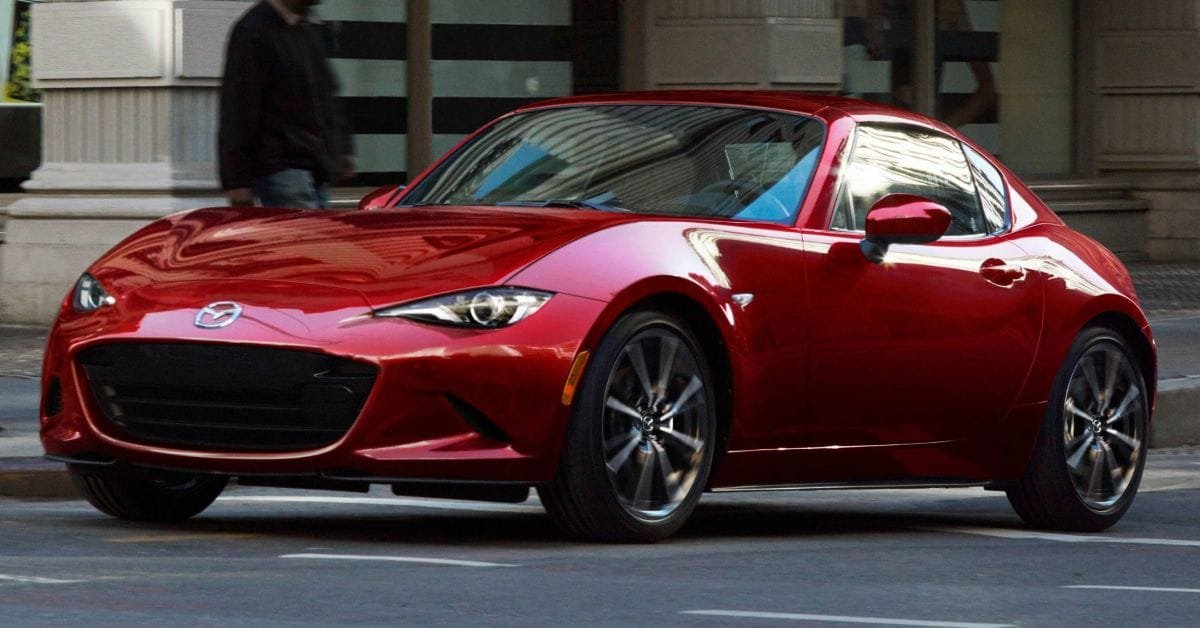
If you have already decided the manual is for you and want to know which cars still offer one worth driving, our guide to the best stick shift cars for sale covers the strongest options available right now, from the Mazda MX-5 Miata all the way up to the Cadillac CT5-V Blackwing.
For the committed city commuter, the automatic is the rational choice. For the mixed-use driver who values engagement and lean costs, the manual still has a legitimate argument. Know which driver you actually are, and the answer usually becomes clear.