
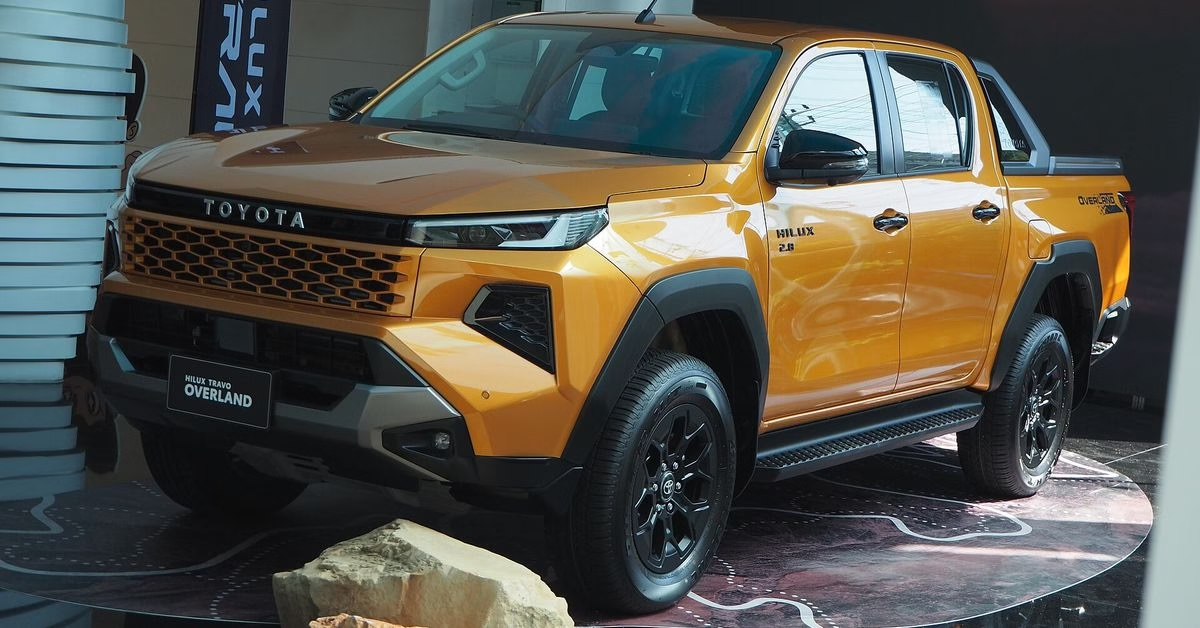
Toyota has finally replaced the Hilux that has been working Kenyan roads since 2015, and the new Toyota Hilux is already in showrooms here. CFAO Mobility Kenya launched it at the end of October, from KSh 7.87 million for a double cab automatic. Don’t expect a clean-sheet truck, though. Under the sharper body sits a stiffened version of the old ladder frame and the same 2.8-litre 1GD diesel, now with electric power steering and a far better cabin. Some markets also get a 48V mild hybrid and a fully electric version. My verdict: if you want a new double cab and can afford it, buy it, because the engine has a decade of history. If value matters more, a 2019-or-later Revo still makes more sense.
Table of Contents
The New Hilux at a Glance
Every row is marked Confirmed (from Toyota, its distributors or launch pricing) or Expected (announced but not yet on sale). Prices were checked in November 2026.
| Status | On sale in Australia (December 2025), Japan (May 2026), the UK (June 2026) and Kenya (October 2026). Confirmed |
| Price from | KSh 7,870,000 in Kenya; ¥4,980,800 in Japan; £42,845 in the UK; A$33,990 plus on-road costs in Australia. Confirmed |
| Engines | 2.8-litre 1GD turbodiesel everywhere; 2.8 with a 48V mild hybrid system and a battery electric version in some markets. Confirmed |
| Gearbox and drive | Six-speed automatic (six-speed manual in some markets), part-time 4WD with low range; the electric version has permanent all-wheel drive. Confirmed |
| Biggest change | New body and cabin, electric power steering, a stiffer frame and more driver assistance. Not a new platform. Confirmed |
| Coming to Kenya? | On sale now, 2.8 double cab automatic only, assembled locally. A 2.4 and a single cab are planned for 2027. Confirmed now; 2027 models Expected |
What’s New, and What It Replaces
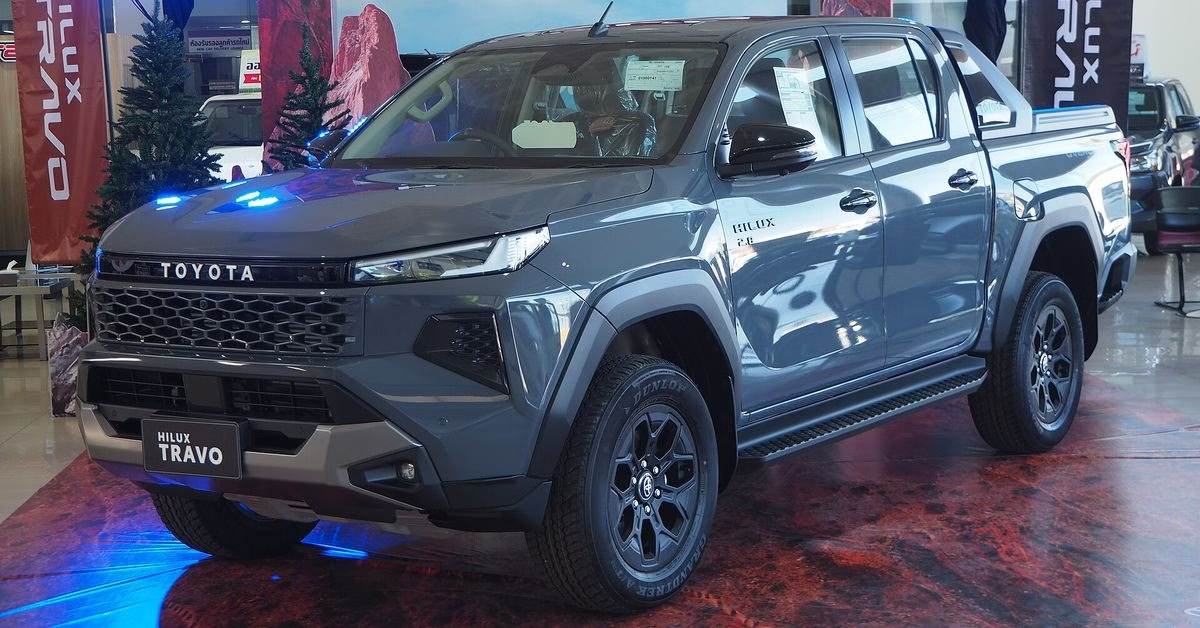
The ninth-generation Hilux replaces the eighth-generation truck most people call the Revo, sold from 2015. Toyota calls it a complete redesign, but the bones are familiar. That matters for buyers, because it decides how much of what we know about the faults to watch for on a used Revo still applies.
Body and Frame
The new Hilux keeps a ladder frame refined from the IMV platform that has carried the Hilux, Fortuner and Innova since 2004. According to Toyota’s Japanese launch release, the frame side rails use thicker steel and the floor gains 36 extra spot welds, both aimed at a stiffer body that rides and steers better and booms less. Japan-spec trucks measure 5,325 mm long, 1,885 mm wide and 1,865 mm tall. In Europe and Japan it’s sold only as a five-seat double cab; other markets, Kenya included from 2027, keep working-spec single cabs.
Cabin and Tech
The cabin is where the Revo felt oldest, and it’s where the new truck moves furthest. Depending on trim, there’s a 12.3-inch digital instrument display, a free-standing touchscreen of up to 12.3 inches, wireless phone charging and an electric parking brake with auto hold. The off-road switches are grouped together at the bottom of the console, away from the climate and media controls. Kenya’s Mid trim gets an eight-inch screen instead; the High trim gets the big one.
Safety and Steering
For the first time on a Hilux, the steering is electrically assisted rather than hydraulic. Toyota says it cuts kickback through the wheel off-road and lightens parking. The latest Toyota Safety Sense adds more driver assistance, including help at junctions. Multi-Terrain Select is standard on 4x4s, joining the low-range transfer case and rear diff lock rather than replacing them.
Engines: Which One to Pick
For most buyers, and every buyer in Kenya today, there’s only one engine to think about. The other two matter mainly if you live in Europe or Australia, or if you’re wondering where the Hilux is heading.
2.8 Diesel (1GD)
The carryover 2.8 makes 150 kW and 500 Nm with the automatic in Kenya and Australia, and 130 kW and 420 Nm with the Australian manual. This is the good news in the launch. Unlike a brand-new engine, the 1GD has more than a decade of real-world history, including the clogging exhaust filters that dogged early trucks and the fixes Toyota made since. If you know what went wrong on early 1GD Hilux and Prado engines, you know what to watch on this one. It also sits ahead of the 1KD it replaced in our ranking of Toyota’s toughest diesels.
2.8 Diesel With 48V Mild Hybrid
The 48V version adds a small lithium-ion battery under the rear seats, a motor-generator and a converter to help the diesel when pulling away and to smooth stop-start. Toyota already fitted it to the outgoing Hilux in 2025 and expects it to be the best seller in Europe. It’s a fuel saver, not a performance upgrade, and there’s no word yet on it coming to Kenya.
Battery Electric
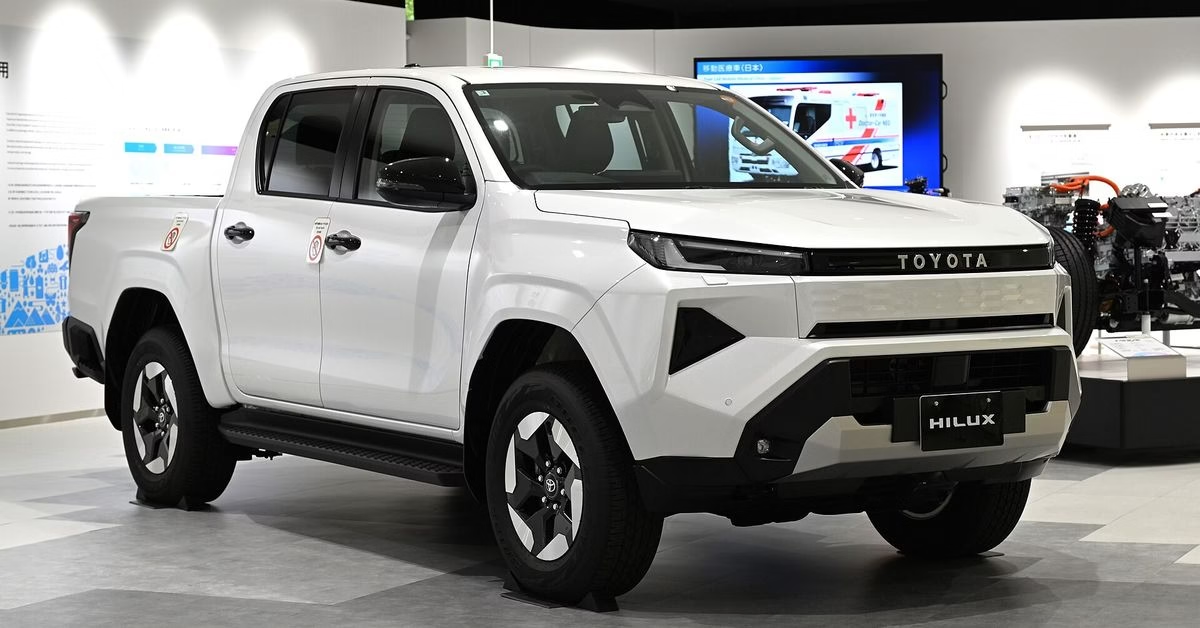
The electric Hilux uses a 59.2 kWh battery and a motor on each axle. Toyota’s pre-homologation figures were about 240 km of WLTP range, a 715 kg payload and 1,600 kg towing, all well short of the diesel’s roughly one tonne and 3,500 kg. It suits fleets with short, predictable routes and somewhere to charge. For most Kenyan buyers it’s a curiosity for now.
Trims and Prices by Market
Prices below are the launch figures each market published. They aren’t comparable like for like, because taxes, specs and what’s included differ a lot, but they show where each market starts.
| Market | Versions | Price |
|---|---|---|
| Kenya | 2.8 Double Cab automatic, Mid | KSh 7,870,000 |
| Kenya | 2.8 Double Cab automatic, High | KSh 10,840,000 |
| Japan | Z (2.8 diesel, part-time 4WD) | ¥4,980,800 |
| Japan | Z Adventure | ¥5,500,000 |
| UK | Diesel 48V and electric range | From £42,845 on the road |
| Australia | WorkMate single cab-chassis manual (entry) | From A$33,990 plus on-road costs |
| Australia | Battery electric | From A$74,990 |
In Kenya, the gap between the two trims is about KSh 3 million. Both have the same engine and 4×4 hardware; the High adds the 12.3-inch screen, leather, a powered driver’s seat, a 360-degree camera, power-folding mirrors, tyre-pressure sensors and 18-inch wheels. If the truck is for work, the Mid is the better buy.
What We Don’t Know Yet
A new model always launches with gaps, and pretending otherwise doesn’t help anyone spending KSh 8 million. Here’s what’s still open:
- Long-term reliability of the new parts: the engine is proven, but the electric power steering, electric parking brake, new electronics and 48V system have no long-term record in a Hilux yet.
- Early recalls: Australia has already recalled 13,390 trucks built between August 2025 and February 2026, because genuine bull bars or nudge bars with a light bar could have a wiring fault that cuts power steering assistance. It’s an accessory fitting problem, but it shows how much now depends on electrics.
- Kenya’s 2027 line-up: pricing for the planned 2.4 and single cab hasn’t been announced.
- Real fuel use: the Kenyan launch quoted about 12 km per litre, but loaded trucks on real roads usually do worse than launch claims.
- Hybrid or electric for Kenya: nothing announced.
New Hilux or a Used Revo?
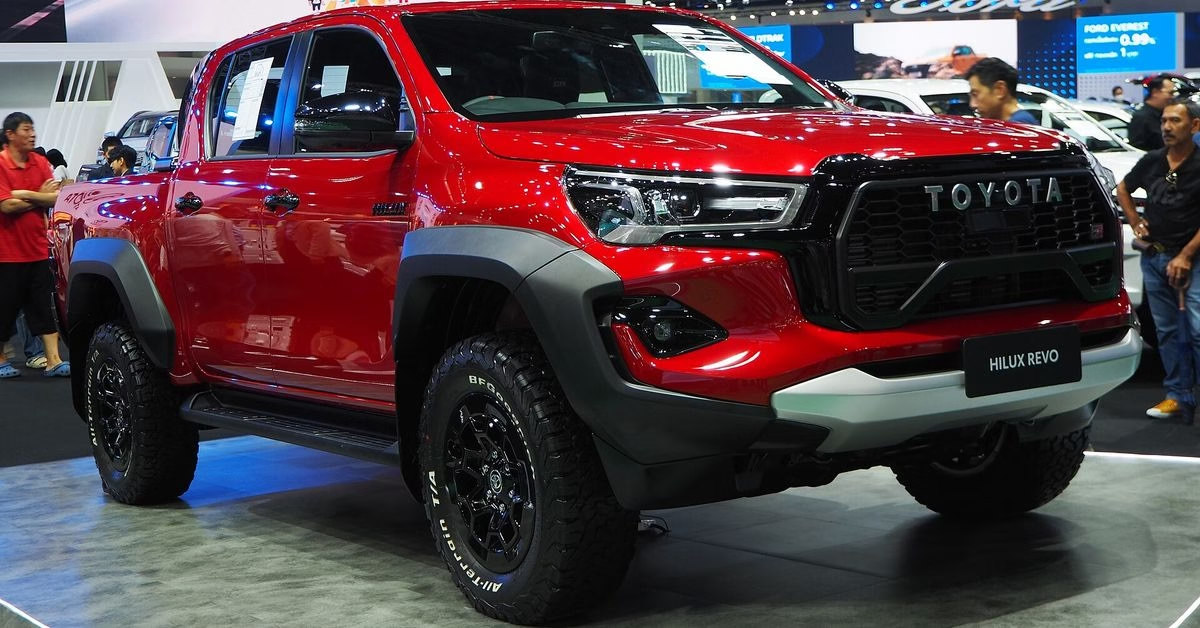
This is the real question for most Kenyan buyers. A new Hilux costs from KSh 7.87 million. A 2019-or-later Revo, the oldest you can import in 2026, uses the same 1GD engine family (or the 2.4 2GD) and the same basic chassis, for much less. What you give up is the new cabin, electric steering, newer safety tech and the factory warranty.
What you gain with the new truck is certainty. CFAO’s five-year or 150,000 km warranty, a known history from the first kilometre and no gamble on how the previous owner treated the DPF. A used Revo can be a brilliant buy, but only with the checks on exhaust filters, injectors and chassis that a hard-worked pickup needs.
Go new if you’ll keep the truck for years, need finance with a warranty behind it, or run it for a business that can’t afford downtime. Go used if the price gap matters more than the cabin, and you’re willing to inspect properly.
Buying a New Hilux in Kenya
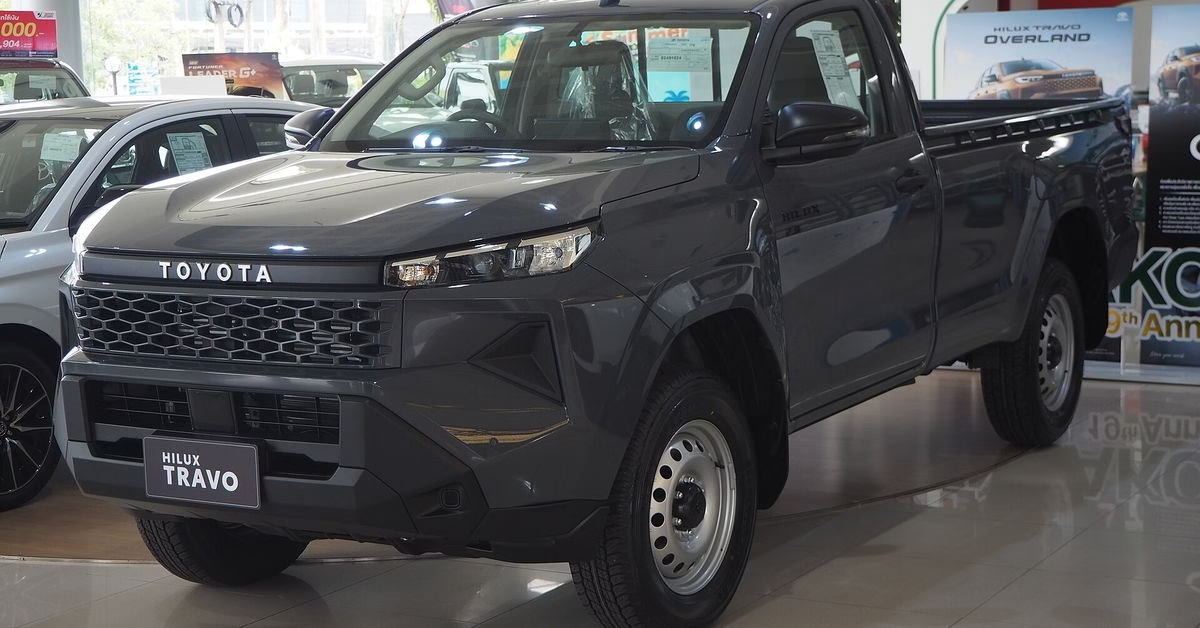
For a brand new truck, the Toyota Hilux price in Kenya now starts at KSh 7,870,000 for the 2.8 double cab automatic in Mid trim, and the High trim costs KSh 10,840,000. CFAO Mobility Kenya, the official Toyota distributor, assembles the truck locally from kits, as it has with the Hilux since 2019, and says it has been adapted for heat, dust and rough roads.
Both Kenyan trims claim around a tonne of payload, 3,500 kg of braked towing, an 80-litre tank and a rear diff lock, with Multi-Terrain Select and Downhill Assist Control. The warranty runs five years or 150,000 km, whichever comes first, with service through CFAO’s dealer and service network. A 2.4 engine and single cab versions are due in 2027, which should bring the entry price down for work buyers.
Could you import one instead? The Japanese-market Hilux is right-hand drive and uses the same engine, so it would pass Kenya’s rules. But a brand-new import loses the local warranty and dealer support, and once shipping, duty and clearing are added the saving is likely to be thin or gone. For a new truck, buying locally makes more sense; importing pays off on used vehicles, where the gap is bigger.
Should You Buy One, or Wait?
- Buy now: you want a new double cab, the Mid trim suits you, and you value the warranty. The engine is the known part of this truck.
- Wait: you want a single cab or the cheaper 2.4, both due in 2027, or you’d rather let the first year of owners find the early bugs in the new electrics.
- Buy used instead: you need a Hilux now on a tighter budget. A well-checked 2019-or-later Revo does the same job for much less.
Frequently Asked Questions (FAQ)
What is the brand new Toyota Hilux price in Kenya?
The ninth-generation Hilux launched in Kenya in October 2026 at KSh 7,870,000 for the 2.8 double cab automatic in Mid trim and KSh 10,840,000 for the High trim, through CFAO Mobility Kenya. A 2.4 and a single cab are planned for 2027.
How does the Toyota Hilux price in Kenya compare new and used?
A new double cab starts at KSh 7.87 million with a five-year or 150,000 km warranty. A 2019-or-later eighth-generation Revo, the oldest you can import in 2026, costs considerably less and uses the same engine family, but comes with no factory warranty and needs a careful inspection.
Is the 2026 Toyota Hilux a completely new truck?
Not underneath. It keeps a stiffened version of the IMV ladder frame and the 2.8-litre 1GD diesel. The body, cabin, electric power steering, electronics and safety systems are new, and some markets add a 48V mild hybrid and a battery electric version.
New Hilux vs old Hilux: what actually changed?
The new Hilux gains a new body and much better cabin, electric power steering, an electric parking brake, Multi-Terrain Select and more driver assistance. The engine, gearbox and 4×4 layout carry over from the Revo, so running costs and mechanical strengths stay similar.
Is there a hybrid or electric Hilux in Kenya?
Not yet. Kenya gets the 2.8 diesel only for now. The 48V mild hybrid and the battery electric Hilux are sold in markets such as the UK and Australia, and neither has been announced for Kenya.
A Better Hilux, Built on Proven Parts
Toyota played this one safe, and for a Hilux that’s mostly a good thing. The parts that matter most to a truck’s life, the engine, frame and 4×4 system, are evolutions of hardware with years of history. The new risks sit in the electronics. If you’re buying new in Kenya, the Mid double cab is the sweet spot. If you’re not, the outgoing Revo has just become a smarter used buy.
Updated November 2026: Kenya launch, prices and trims added.