
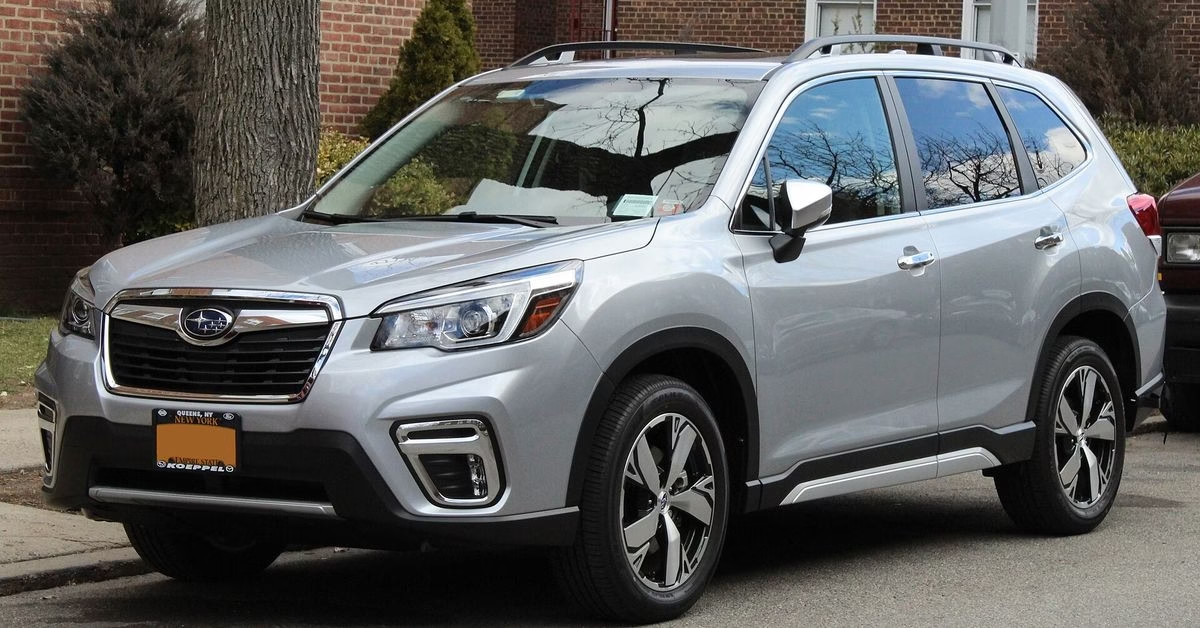
Walk onto almost any car yard in Kenya and nearly everything on it has had at least one owner before you. Some cars landed from Japan last month; others have done years on Kenyan roads. Unless you’re one of the few buying a zero-mileage car from a franchise dealer, buying a used car in Kenya is the only game in town. That part is fine. What isn’t fine is how often the process is stacked against you: test drives that end before the engine warms up, inspections that miss obvious faults and deposit agreements written to protect the seller. Here’s what I learned the hard way, and the checks that would have saved me money.
Table of Contents
Why Most Dealers Aren’t on Your Side
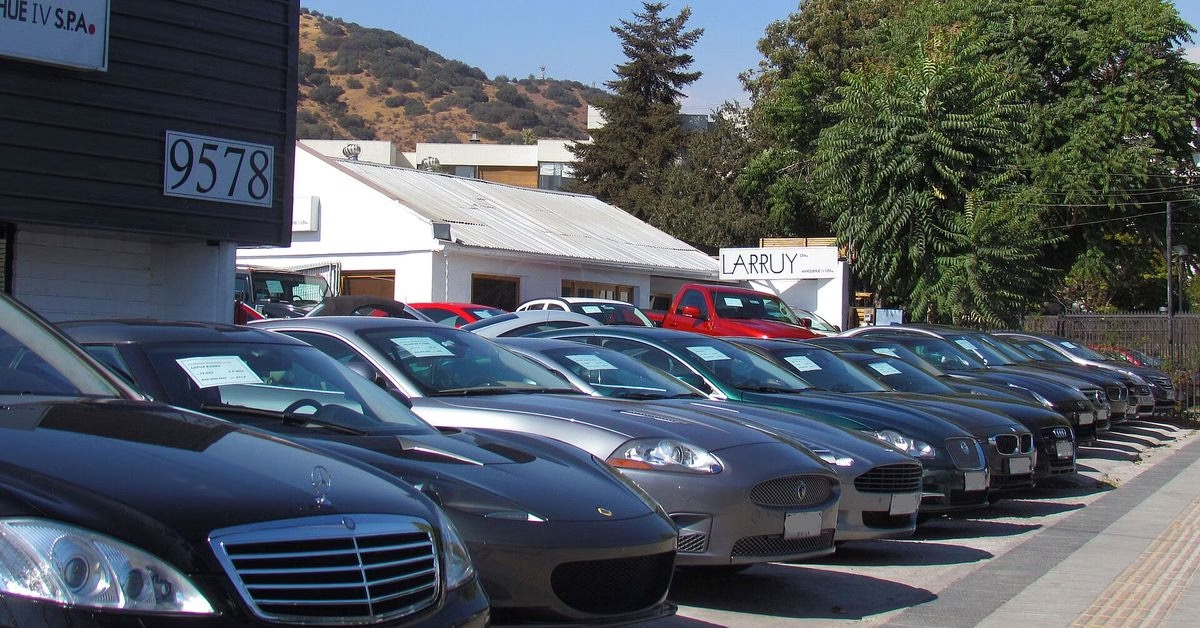
A car dealer makes money in one place: the gap between what the car cost them and what you pay. Every week a car sits on the yard eats into that gap through parking, finance on the stock and the risk of the price falling. So the incentive is simple. Sell fast, sell at the highest price the buyer will accept, and spend as little as possible on the car in between.
That doesn’t make every dealer a crook. Some are honest and run their yards well. But you can’t tell which kind you’ve walked into from the signboard, the showroom or the number of five-star reviews. The safest assumption is that the person selling you the car is looking after their margin, and that looking after you is your job.
One story I came across online stuck with me. A buyer picked up a freshly imported BMW 5 Series from a yard, and within a year it had a run of expensive faults the dealer insisted weren’t there when it left. I can’t vouch for every detail, but the pattern was familiar: the problems were the kind a proper diagnostic scan and a long, hot test drive would likely have shown before any money changed hands.
Don’t Trust the Loudest Inspection Company
Pre-purchase inspection firms sound like the answer. You pay a fee, a professional checks the car and you get a report. When I bought my own car, I hired the most heavily advertised inspection company I could find, the one that shows up everywhere online claiming to be the best. It missed a lot. Faults that should have been on that report turned up after I’d paid.
Advertising spend tells you nothing about how thorough an inspector is. You also don’t know how many cars they’re rushing through that day, or whether they have a working relationship with the yard. Treat any inspection report as one opinion, not a guarantee.
What a useful inspection looks like:
- A mechanic you chose: someone who works on that make, has no link to the seller and is paid by you.
- Your own scan: a diagnostic tool that reads every module (engine, gearbox, ABS, airbags, body electronics), not just the engine light.
- A cold start: ask the dealer not to run the car before you arrive. Rattles, smoke and rough idle are easiest to spot from cold.
- Underneath on a lift: oil and coolant leaks, rusted brake lines, bent suspension arms and fresh underseal hiding repairs.
- Bodywork with a paint gauge: uneven paint thickness and panel gaps point to accident repairs the seller hasn’t mentioned.
If the car is a Toyota diesel, it also helps to know which Toyota diesels hold up best before you start, because a scan won’t tell you that an engine family has a known weak spot.
The Test Drive Is Where Dealers Hide Problems
Most yards will happily let you test drive a car, as long as the drive is a laughable loop around the block. No highway speed, no hard braking and not long enough for the engine to reach full temperature. That’s not an accident. Plenty of faults only show up when things get hot or loaded: a gearbox that slips once the fluid warms, a cooling system that can’t cope in traffic, a misfire under load, brakes that judder from 100 km/h.
Ask for at least 20 to 30 minutes that include a stretch at highway speed, a hill, a few firm stops and some stop-start traffic. Watch the temperature gauge, feel every gear change and listen with the radio off. Then plug the scanner in again, because some faults log a pending code only after a full drive cycle.
If the dealer worries about insurance or theft, offer a compromise: agree the route in advance and take a member of their staff along. Your mechanic can ride with you or drive. If they still refuse a proper drive, that refusal is your answer. Go elsewhere. There are plenty of dealers, and the car isn’t going anywhere you need it to.
Fault Codes Mean No Deposit. Full Stop.
Here’s the moment that costs buyers the most. The scan turns up fault codes, and the dealer says not to worry, they’ll sort everything before you collect the car. Just pay a deposit to hold it.
Don’t. A car with open fault codes doesn’t get your money, not even a deposit, no matter what anyone writes down. The order is always the same:
- The dealer fixes everything, at their cost.
- You and your mechanic scan and drive the car again.
- Only when it comes back clean do you pay a deposit or buy.
This matters most with European cars. A single sensor code on a German luxury car can be the first sign of something much bigger, and parts and labour cost far more than on a Japanese equivalent. The BMW buyer above went through exactly this.
Watch for the opposite trick too: a scan that comes back suspiciously clean. Codes can be cleared minutes before you arrive. A good scanner shows the readiness monitors, the self-tests the car runs as it’s driven. If several of them say not ready or incomplete, the codes were probably wiped recently, and whatever caused them is likely still there.
The Deposit Agreement Trap
When you push back on paying a deposit for a faulty car, many dealers produce a written agreement instead. Pay the deposit now, it says, and we promise to fix the listed faults before collection. It looks like protection. It’s a trap.
The moment your deposit lands, the power in the deal moves to the seller. Now you’re the one chasing. What counts as fixed becomes an argument, the repair may be the cheapest one available, and getting the deposit back depends on a process you don’t control. Before you pay, you hold all the leverage. The dealer wants the sale; you can walk to the next yard. Agreeing to fix the car first isn’t a favour they’re doing you. It’s the minimum.
The same goes for sweeteners. Offers like three years of free service sound generous, but they’re there to keep you from walking away. A service happens once or twice a year and costs a small fraction of the car’s price. Free oil changes won’t fix a slipping gearbox. Judge the car, not the extras thrown in to close the deal.
The Paperwork Checks
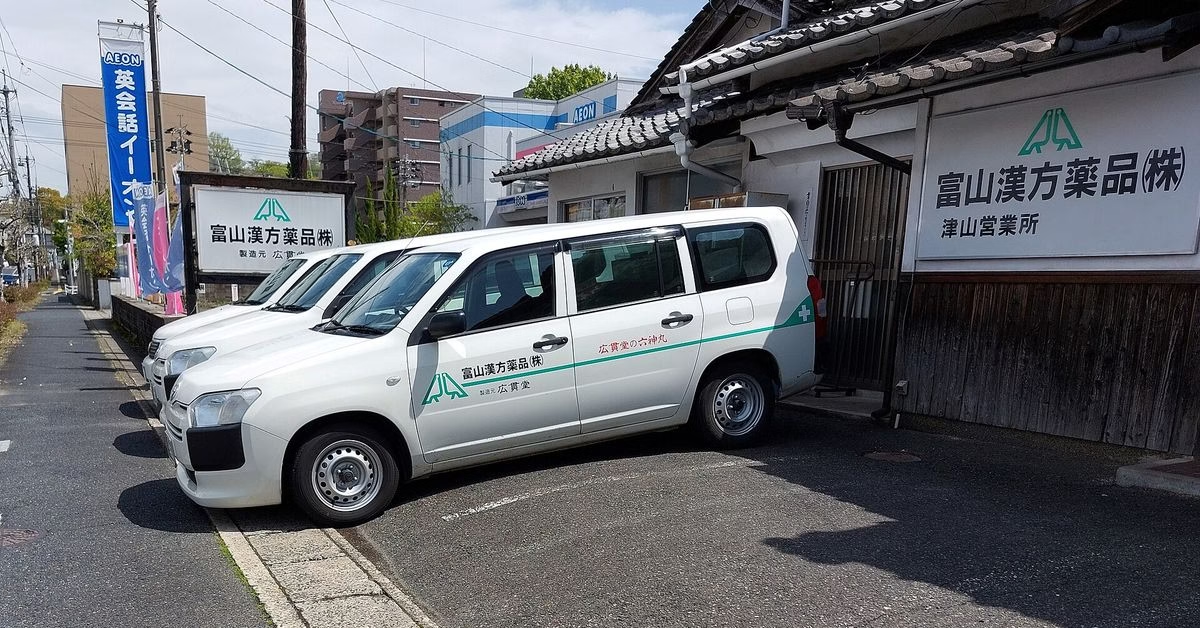
A car can drive well and still be a bad buy if its history doesn’t add up. Which papers matter depends on where the car comes from: a fresh import should have its Japanese auction sheet and import documents, while a car already on Kenyan plates needs an ownership search. Run whichever apply before money moves.
Check the Japanese Auction Sheet
Most used cars imported from Japan were bought at auction, and each one went through the auction house’s own inspection. The result is the auction sheet: an overall grade, an interior grade, the recorded mileage and a body map marking scratches, dents, rust and repaired panels with letter and number codes. A grade marked R or RA usually means the car has had accident repairs to its structure.
Ask the dealer for the sheet, then verify it yourself using the chassis number through an auction sheet verification service, rather than trusting a copy handed to you. Compare the mileage on the sheet with the odometer and service records, and check that every repair marked on the body map matches what your mechanic finds. A dealer who can’t or won’t produce the original sheet is telling you something.
Search the NTSA Records
For a car already registered in Kenya, request a motor vehicle copy of records through your account on the NTSA service portal before you commit. It shows the registered owner and whether a bank or lender holds an interest in the car from asset financing. If the person selling isn’t the registered owner, or a lender is still listed, stop until that’s resolved in writing.
Since mid-2026, NTSA has been moving logbooks to digital e-logbooks on eCitizen. Ownership updates once a transfer completes: the seller starts the transfer online and the buyer accepts it from their own account, and both need a KRA PIN. While you’re at it, check that the chassis and engine numbers on the records match the numbers stamped on the car.
Duty, KEBS and the Eight-Year Rule
Kenya only allows used imports that are right-hand drive and no more than eight years from their year of first registration, under the standard KS 1515:2000 that the Kenya Bureau of Standards enforces. In 2026 that means a first registration on or after 1 January 2019, and the cut-off moves forward a year every 1 January. Note that it’s the year of first registration that counts, not the year of manufacture.
For a fresh import, ask to see the export certificate showing the first registration date, the KEBS inspection paperwork and proof that import duty has been paid. A car that’s already registered here can be sold locally at any age; the rule applies only at import.
Pay the Right Way
Pay only into the company’s own bank account, never to a salesperson’s phone or personal account, however convenient they make it sound. Get a written sale agreement that lists the chassis and engine numbers, the price, what’s included and the condition the car is sold in, signed by someone who can actually sign for the business. Keep every receipt, and don’t release the full amount until the ownership transfer has been started.
Don’t Rush
Pressure is the oldest tool on the yard. Another buyer is coming this afternoon. The price goes up next week. This one won’t last. Almost none of it is true, and all of it is designed to get you paying before you’ve thought it through.
If something about the dealer, the car or the contract makes you uncomfortable, walk away. Kenya has no shortage of yards and no shortage of cars. Red flags that should end the conversation:
- A test drive refused or cut short.
- No original auction sheet, or a sheet that doesn’t match the car.
- Pressure to pay a deposit before faults are fixed.
- A request to pay into a personal account or by phone to a staff member.
- A seller who isn’t the registered owner, or a lender still on the records.
- A clean scan with readiness monitors that aren’t complete.
Pre-Purchase Checklist
Run through this before any money moves. Many of the mechanical checks are the same ones in the walkthrough I wrote for US buyers; what changes here is the paperwork and how much leverage you give away.
- Your mechanic: independent, paid by you, knows the make.
- Cold start: engine not run before you arrive.
- Full scan: every module, plus readiness monitors.
- Proper test drive: 20 to 30 minutes, highway, hill, hard stops, full heat cycle, then scan again.
- Underbody: on a lift, looking for leaks, rust and hidden repairs.
- Auction sheet: original, verified by chassis number, matching mileage and repairs.
- NTSA copy of records: correct owner, no lender listed, numbers match the car.
- Import papers: first registration 2019 or later for 2026 imports, KEBS paperwork, duty paid.
- Faults fixed first: re-scanned and re-driven before any deposit.
- Payment: company account only, written sale agreement, receipts kept.
Frequently Asked Questions (FAQ)
How do I buy a used car in Kenya safely?
Take an independent mechanic you pay yourself, scan every module before and after a proper test drive, verify the auction sheet or NTSA records, and never pay a deposit on a car that still has fault codes. Pay only into the company account against a written sale agreement.
What should I check when buying a used car in Kenya?
Check for fault codes and incomplete readiness monitors, leaks and hidden repairs underneath, paint thickness and panel gaps, the original Japanese auction sheet for imports, and an NTSA copy of records showing the correct owner and no lender for cars already on Kenyan plates.
What should I consider when buying a used car in Kenya?
Consider running costs and parts availability, not just the price. Japanese cars are usually cheaper to keep on the road than European ones, and a car with a known weak engine or gearbox can cost more over a few years than a pricier but tougher alternative.
What is the process of buying a used car in Kenya?
Shortlist cars, inspect and test drive with your own mechanic, verify the papers, get any faults fixed and re-checked, then pay into the company account against a signed sale agreement. The seller starts the ownership transfer on the NTSA portal and you accept it from your own eCitizen account using your KRA PIN.
Can I import a car older than 2019 into Kenya in 2026?
No. In 2026 KEBS only allows right-hand-drive used cars first registered on or after 1 January 2019. The cut-off moves forward every 1 January, so 2020 becomes the earliest allowed year of first registration from 2027. Cars already registered in Kenya can still be sold locally at any age.
Make the Car Prove Itself Before You Pay
The used car market in Kenya isn’t going to change because one buyer is careful. What changes is your outcome. Take your own mechanic, scan the car before and after a proper drive, check the papers yourself and never let a deposit go on a car that still has problems. The dealer who agrees to all of that is usually the one worth buying from. The one who won’t has just saved you a lot of money.
MotorQuips is taking its first import enquiries. Tell me what you need, and I’ll shortlist cars in Japan and send you the auction sheet, inspection photos and the full CIF price before you pay anything.
- Auction sheet checked for grade, mileage and damage marks
- Right-hand drive and the 8-year rule checked before you commit
- You pay the exporter directly, on an invoice in your own name
- Introduction to a licensed clearing agent for KRA clearance
Sourcing fee: 3% of the CIF price (minimum KSh 50,000), paid only once you approve a specific car. Duty, clearing costs and shipping insurance are separate.
Tell me what you’re looking for