

Open the gearbox tunnel of a BMW 3 Series, a Ram 1500, a Range Rover or a Toyota Supra and you will find the same thing: an eight-speed automatic from the German supplier ZF. The ZF 8HP has been in production since 2009, it has been built under licence in the US, and it now ends up in everything from pickups to Rolls-Royces. That spread is the best argument for it. It is not perfect, though. Its makers call the fluid lifetime while ZF itself recommends changing it, and the most common faults are leaks rather than worn internals. Here is who uses it, what changed across four generations, and how long one really lasts.
Table of Contents
What the Eight-Speed Actually Is

The name is a description. 8HP stands for eight speeds, a hydraulic torque converter and planetary gearsets, the same basic recipe as the traditional automatic in most cars. What made it different in 2009 was how much it got out of that recipe: four planetary gearsets and five shift elements (three clutches and two brakes) give eight forward gears, and only two of those elements are open in any gear, which cuts the drag that wastes fuel. It is built for engines mounted lengthways, so you find it in rear-drive and four-wheel-drive cars, not in front-drive hatchbacks.
If you want the wider picture of how an automatic differs from a manual, a CVT or a dual-clutch, the main gearbox types and how each one works are laid out separately. What matters here is that the 8HP is a conventional automatic done unusually well, which is why it spread the way it did.
Why So Many Carmakers Use It
Carmakers rarely share a gearbox with their rivals by choice. Most of them used to build their own automatics, and many still do. The 8HP broke that pattern for three reasons, and they explain why the same ZF transmission sits behind a BMW four-cylinder and a supercharged V8.
One Box, Many Engines
ZF designed the 8HP as a modular family rather than a single gearbox. Versions are named by torque rating: the 8HP45 and 8HP50 cover four- and six-cylinder engines up to about 500 Nm, the 8HP70 and 8HP75 handle big diesels and V8s, and the 8HP90 and 8HP95 take the most powerful petrol engines. Hybrid versions swap the torque converter for an electric motor in the same housing. For a carmaker, that means one supplier, one set of controls engineering and one gearbox that fits a whole range, from the base model to the flagship.
It Beat the Alternatives on Their Own Ground
In the late 2000s the dual-clutch looked like the future for sporty cars and the CVT for economy cars. The 8HP shifted quickly enough, and smoothly enough, to take business from both. Some performance models dropped their dual-clutch boxes for it, and it delivers the economy of a wide ratio spread without the rubber-band feel or the torque limits of a belt CVT. The trade-offs between those designs are the whole story behind which gearbox type lasts longer, and the 8HP is the best case for the conventional automatic side of that argument.
Licensed, Not Just Bought
Chrysler went further than buying the gearbox. It took a licence, began building its own versions at its Kokomo plant in Indiana in 2013 and sold them as the TorqueFlite 8, coded 845RE and later 850RE. ZF also opened a plant in Gray Court, South Carolina, and builds the 8HP in Shanghai. A design built on three continents by two companies is about as close as the car industry gets to an industry standard.
Which Cars Use It

The list is long enough that it is easier to say who does not use it: Mercedes-Benz builds its own automatics, Toyota and Lexus mostly use Aisin, and front-drive cars use transverse gearboxes. The 8HP is everywhere else that an engine sits lengthways. These are the main users, with the names makers give it on their spec sheets.
| Maker | Examples | Notes |
|---|---|---|
| BMW | Nearly every rear- and all-wheel-drive model since the early 2010s, 1 Series to X7 | Called Steptronic. BMW is ZF’s biggest customer |
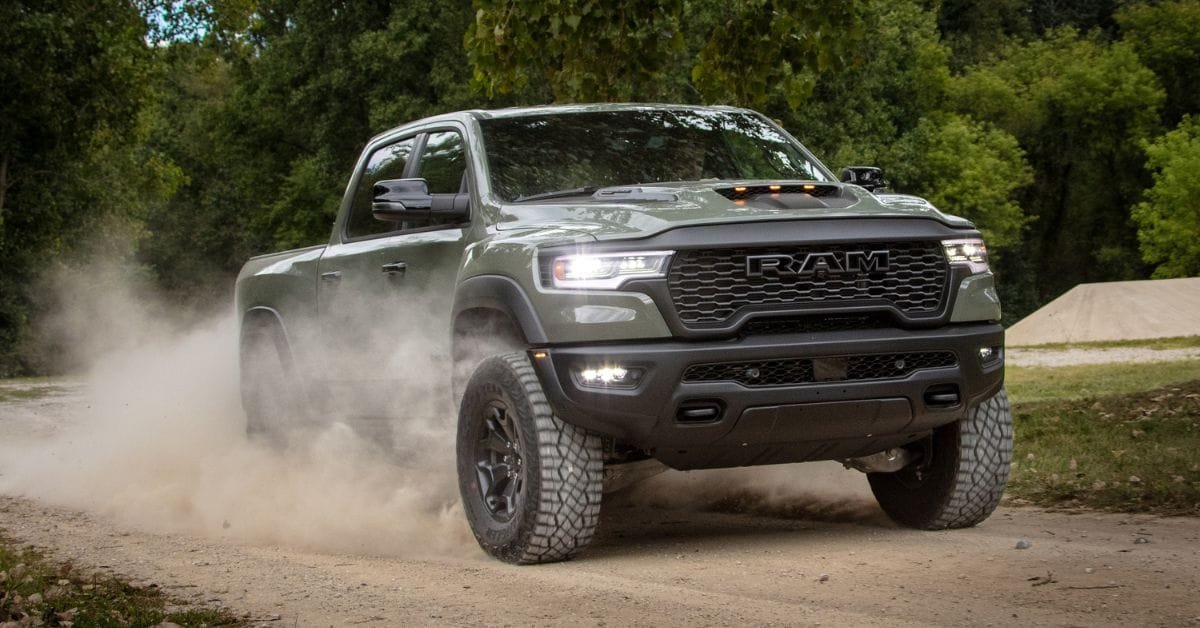
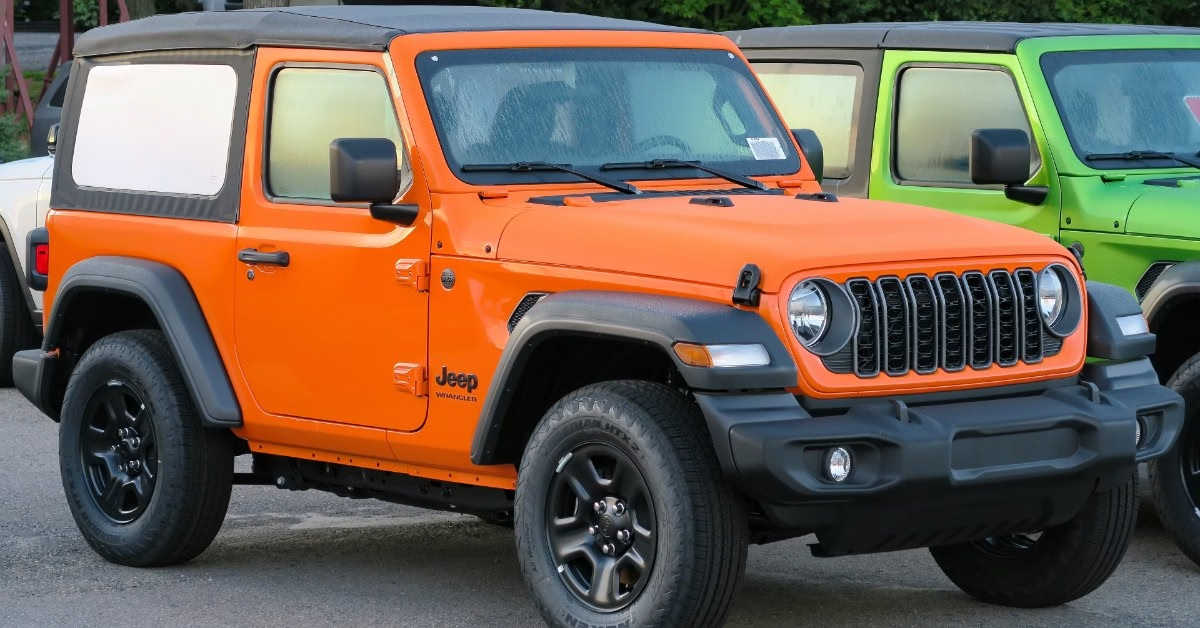
| Stellantis | Ram 1500, Jeep Grand Cherokee, Wrangler JL, Gladiator, Dodge Charger, Challenger and Durango, Chrysler 300 | Sold as TorqueFlite 8; V6 versions are the US-built 845RE and 850RE |
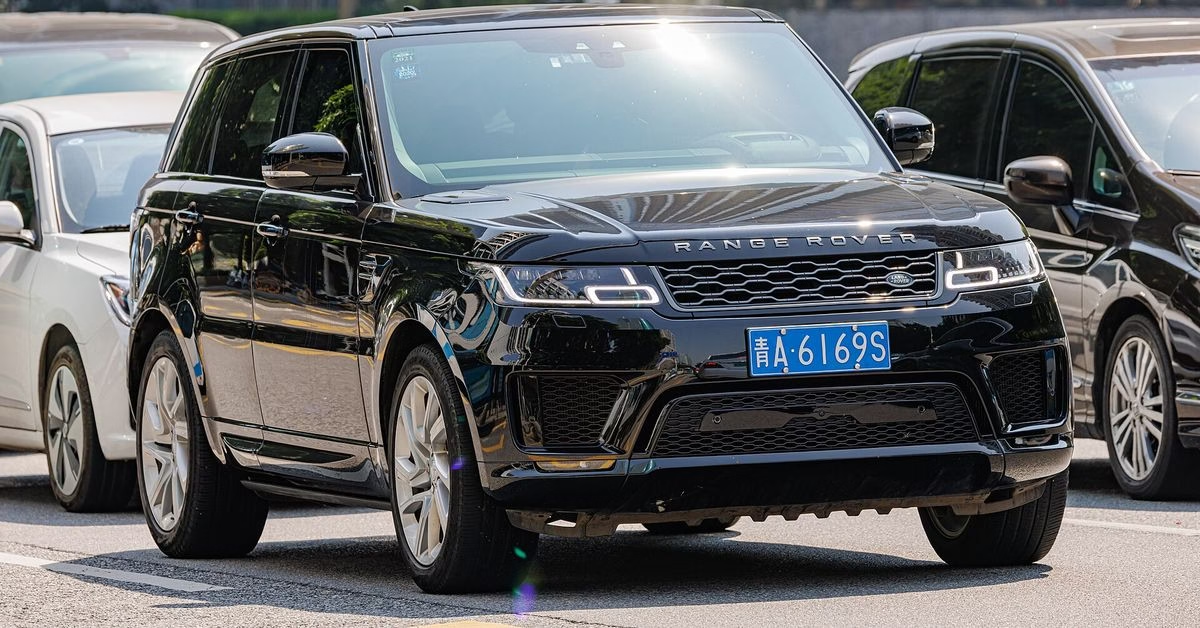
| Jaguar Land Rover | Range Rover, Range Rover Sport, Discovery 5, Defender L663, XE, XF, F-Pace | Across petrol, diesel and hybrid versions |
| Volkswagen Group | Audi’s larger lengthways models, VW Touareg, VW Amarok V6 | Audi calls it Tiptronic |
| Toyota | GR Supra (A90) | The Supra shares its drivetrain with the BMW Z4 |
| Others | Alfa Romeo Giulia and Stelvio, Maserati, Rolls-Royce, Bentley, Ineos Grenadier | Low-volume makers get a proven gearbox they could never afford to develop |
If you are shopping used, the badge matters less than the version code. A 3.6 V6 Jeep and a diesel Range Rover both have an eight-speed ZF, but one carries a lighter-duty unit and the other a heavier one, and parts and fluid capacity differ between them.
The Four Generations
The 8HP has been updated in steps rather than replaced, so a 2011 car and a 2024 car share the same basic layout. Each generation chased lower fuel use and, from the third onwards, easier hybrid integration. The changes matter for buyers mainly because parts, software and fluid procedures differ between them.
| Generation | Production from | Main versions | What changed |
|---|---|---|---|
| First | 2009 (BMW 760Li) | 8HP45, 8HP55, 8HP70, 8HP90 | The original eight-speed layout, replacing ZF’s six-speed |
| Second | 2014 (BMW 520d) | 8HP50, 8HP75, 8HP95 | Wider ratio spread and less internal drag; ZF claimed up to 3% better economy |
| Third | 2018 | 8HP51, 8HP76 | Further efficiency work and hybrid-ready controls |
| Fourth | 2022 (Saarbrücken) | Mild-hybrid, plug-in and combustion versions | Power electronics moved inside the case; plug-in motor up to 160 kW |
First and Second Generation: the Ones Most Used Buyers Meet
Most used cars on the market today carry a first- or second-generation unit. The first went into production at Saarbrücken in 2009 in BMW’s V12 760Li and spread quickly to the rest of BMW’s range, Audi, Jaguar and Land Rover. The second entered volume production in July 2014, debuting in the BMW 520d as the 8HP50. ZF widened the gap between first and top gear, made the engine stop sooner at traffic lights and trimmed drag inside the gearbox. Rebuilders treat the two as different units: valve bodies and some internals do not swap across.
Third and Fourth Generation: Built for Hybrids
The third generation, from 2018, refined the second and prepared it for electrification. The fourth is the bigger change. ZF began building it at Saarbrücken in April 2022, starting with two mild-hybrid variants, and it now covers combustion, mild-hybrid and plug-in cars from one modular design. The power electronics that used to sit outside the gearbox are now inside the case, and plug-in versions can drive the car on electric power alone. In 2025 ZF showed an update called the 8HP evo, with plug-in output raised from 160 kW to 200 kW and a full-hybrid version without a charging socket, aimed at the growing US hybrid market.
“Lifetime” Fluid and the Real Service Interval
This is the single most useful thing to know about the 8HP, and the place where owners get mixed messages. Many carmakers, BMW among them, list the gearbox oil as a lifetime fill with no scheduled change. ZF, which designed and builds the gearbox, does not quite agree.
What ZF Says
ZF’s own data sheet for LifeguardFluid 8, the oil it specifies for the 8HP, says its gearboxes are generally filled for life but that it recommends an oil change after 150,000 km (about 93,000 miles). It adds that changing sooner can make sense with high temperatures and heavy loads, or where the car’s past use is unknown. An earlier ZF service sheet for its 8HP oil change kit was stricter still, at 80,000 to 120,000 km or eight years, depending on driving style. In practice, lifetime means the life of the warranty, not the life of the car.
Why It Is Not a Simple Drain and Fill
There is no dipstick. The oil pan is plastic with the filter built in, so a service means replacing the whole pan, and the level has to be set with the gearbox at a specific oil temperature, read through a diagnostic tool. Overfill or underfill it and shift quality suffers. Fourth-generation units add a further step, because the fill routine runs through the car’s own software. Budget for a specialist with the right scan tool and genuine or approved fluid, not a quick-lube bay.
How Long Does It Last?
The honest answer is longer than most of the cars around it. Hard internal failures are uncommon, and rebuilders generally describe the 8HP as one of the tougher modern automatics. Well-kept units commonly pass 150,000 miles (240,000 km) without internal work, which compares well with the CVTs that make up much of the used market. What goes wrong tends to be cheaper, and mostly happens outside the gears themselves.
Leaks at the Pan, the Connector Sleeve and the Cooler Lines
The most common complaint is oil seeping from the plastic pan gasket, the sealing sleeve where the electrical connector passes into the gearbox, or the oil cooler connections. A light film is not an emergency, but a real leak drops the oil level, and a low level is what eventually hurts the clutches. Fixing it usually means a new pan, sleeve and fresh oil, which is a few hundred dollars at an independent specialist rather than a gearbox.
Mechatronic Faults and Shift Quality
The mechatronic unit, which combines the valve body and the gearbox computer, sits inside the oil. When it develops electrical faults the car may throw codes, shift harshly or drop into limp mode, and owner reports point to some Jaguar Land Rover models more than others. Many shift complaints, especially harsh low-speed changes, are fixed with software updates and an adaptation reset rather than parts, so ask for the update history before assuming the worst.
The Shifter Recall Was Not the Gearbox
Fiat Chrysler recalled over a million vehicles in 2016, including the Grand Cherokee, Charger and 300, because drivers were leaving cars in neutral or drive with a confusing electronic gear selector. That was a lever and software problem, not a gearbox fault, but it often gets mixed up with the gearbox in owner forums. Check that recall work was done on any affected car you look at.
What a Replacement Costs
If the worst does happen, a remanufactured 8HP70 or 8HP75 unit typically costs about $3,900 to $4,300 before labour, plus a refundable core charge, from US remanufacturers. US repair shops typically quote around $5,500 to $10,000 installed for a Ram 1500 or a BMW, depending on the version and whether a dealer or an independent does the work (prices checked November 2026). That is a lot of money, but it is closer to the cost of a rebuilt CVT than to the cost of a European dual-clutch.
Buying a Used Car With One
Because the gearbox is reliable, the checks are short. They focus on how the car was looked after and what the seller has not told you.
- Look underneath: oil on the pan, the connector area at the side of the gearbox or the cooler lines. Wet is a negotiating point; dripping is a repair.
- Drive it cold and hot: shifts should be almost imperceptible. A thump into drive or reverse, a flare between gears or slurred changes at low speed need explaining.
- Scan it: stored transmission codes, especially communication or solenoid faults, tell you more than a short test drive.
- Ask about the oil: a car past 100,000 km with a record of an oil and pan change is worth more than one on its original fill.
- Check software and recalls: a dealer can confirm both from the VIN.
These checks matter most on big, heavy SUVs. The same gearbox sits in many of the used luxury SUVs that are safer bets, and it is rarely the reason one of them turns into a money pit.
The Eight-Speed in Kenya’s Imports
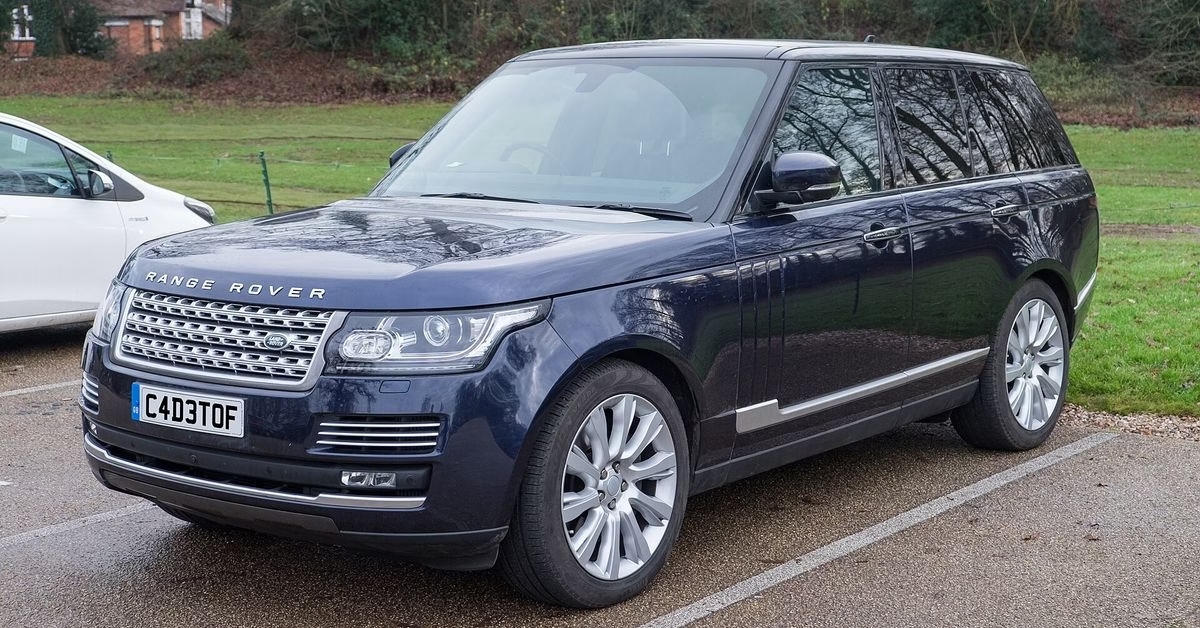
Kenyan buyers meet the 8HP mainly in European SUVs imported from the UK, Japan and South Africa: Range Rover Sports and Discovery 5s, Defenders, BMW X5s and X3s, and the V6 Volkswagen Amarok. Most Japanese imports, from the Prado to the Harrier, use Aisin or CVT gearboxes instead. Two of the conditions ZF names as reasons to change the oil early apply to almost every one of these cars here: heat and heavy loads, and an unknown history. An import that has crossed two owners and a sea voyage rarely comes with a gearbox oil record, so treat an oil and pan change as part of the purchase price on anything past 80,000 km. Use a specialist who can read the oil temperature with a diagnostic tool, and insist on ZF or carmaker-approved fluid.
Frequently Asked Questions
Is the ZF 8 speed transmission reliable?
Yes, by modern automatic standards. Internal failures are uncommon, and most problems are oil leaks, mechatronic electrical faults or shift quality that software can fix. Changing the oil around 100,000 to 150,000 km, and sooner in heat or with heavy loads, helps it last.
Which cars use a ZF transmission?
The eight-speed goes in most BMWs, the Ram 1500, Jeep Grand Cherokee and Wrangler, Dodge Charger and Challenger, Range Rover, Discovery and Defender, larger Audis, the VW Touareg and Amarok V6, the Toyota GR Supra, Alfa Romeo Giulia and Stelvio, and Rolls-Royce and Bentley models.
How much does a ZF 8 speed transmission cost to replace?
A remanufactured unit typically costs about $3,900 to $4,300 before labour and a refundable core charge. Installed, US shops typically quote around $5,500 to $10,000 depending on the car and the version (prices checked November 2026).
Does the eight-speed really have lifetime fluid?
Many carmakers list it that way, but ZF recommends an oil change after 150,000 km, and sooner with high temperatures, heavy loads or an unknown service history. The level has to be set at a specific oil temperature, read with a diagnostic tool.
Is the TorqueFlite 8 the same as the ZF eight-speed?
Yes. The TorqueFlite 8 is the name Chrysler, Dodge, Jeep and Ram use for the same design. The V6 versions, the 845RE and 850RE, are built by Stellantis in Kokomo, Indiana under a ZF licence, while V8 and diesel models use ZF-built units.
The Short Version
The 8HP earned its place in so many cars by being efficient, smooth and tough enough for a V8 pickup. The weak points are real but cheap compared with most modern automatics: leaks, occasional electronics and an oil that is called lifetime but is better changed around 100,000 to 150,000 km, sooner in heat or under load. Buy a car with one, check for leaks and codes, budget for that first oil service, and the gearbox is unlikely to be what you end up worrying about.