
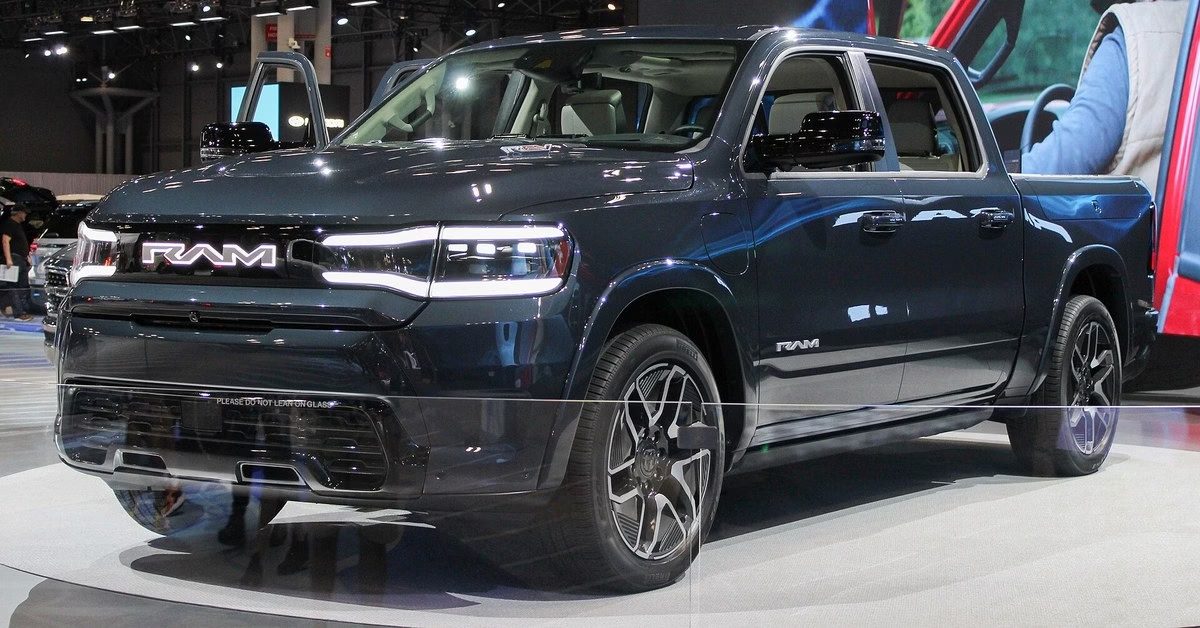
Ram, Ford, Jeep and Scout are all betting their next electric trucks on the same idea, and it is not a new one. So, what is an EREV? It is an extended range electric vehicle: an EV whose wheels are only ever driven by electric motors, with a small petrol engine on board that does nothing but make electricity when the battery runs low. You charge it and drive it like an EV, then fill it up like a car when you go further. Here is how the system works, how it differs from a plug-in hybrid and a pure EV, which models you can buy, and who it actually suits.
Table of Contents
EREV vs PHEV vs BEV at a Glance
All three plug in, and all three can drive on electricity alone. The difference is what happens when the battery runs out, and what actually turns the wheels.
| EREV (range-extended EV) | PHEV (plug-in hybrid) | BEV (battery electric) | |
|---|---|---|---|
| What drives the wheels | Electric motors only | Electric motor, petrol engine, or both | Electric motors only |
| Job of the petrol engine | Generator only | Drives the wheels and charges the battery | No engine |
| Typical electric range | About 90 to 150 miles in the new US trucks | About 15 to 60-plus miles | About 250 to 350 miles in most new models |
| Total range | 500 to 700-plus miles | Similar to a petrol car | Battery range only |
| Refuel or recharge | Either | Either | Charging only |
| How it feels to drive | Always like an EV | Like an EV until the engine joins in | Always like an EV |
| Examples | BMW i3 REx, Ram 1500 REV, Leapmotor C10 REEV | Toyota RAV4 Plug-in Hybrid, BMW X5 xDrive50e | Tesla Model Y, Chevrolet Equinox EV |
How an EREV Works
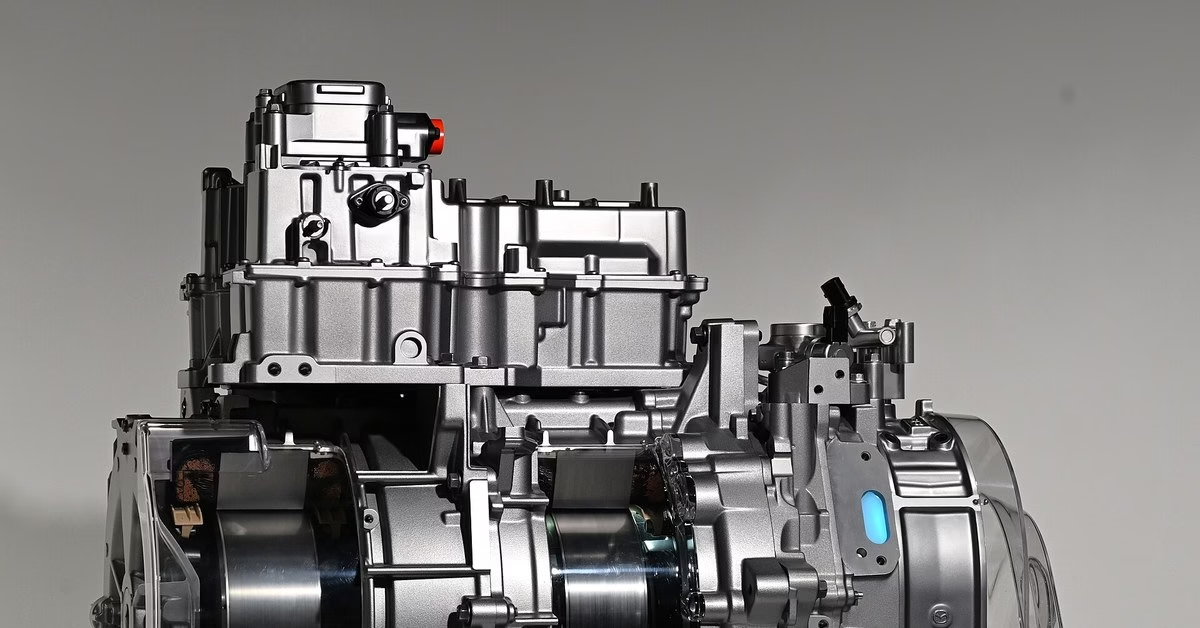
The US Department of Energy’s fuel economy site files EREVs under plug-in hybrids, as “series” plug-ins: only the electric motor turns the wheels, and the petrol engine only generates electricity. That one rule shapes everything else about the car, and it breaks down into three parts.
A Real EV Battery and Motors
An EREV is built like an EV first. It has electric drive motors, often one on each axle, and a battery big enough for a full day of normal driving. The Ram 1500 REV pairs a 92 kWh pack with motors front and rear for a targeted 145 miles (233 km) of electric range. That is several times what most plug-in hybrids manage, and it means many owners will go weeks without starting the engine.
An Engine That Only Makes Electricity
The engine is connected to a generator, not to the wheels. In the Ram it is a 3.6-litre V6 driving a 130 kW generator, fed from a 27-gallon (102-litre) tank, for a targeted total range of 690 miles (1,110 km). Mazda’s MX-30 R-EV uses a small single-rotor rotary engine for the same job, shown above, and Scout’s Harvester system uses a Volkswagen four-cylinder. Because the engine never has to respond to the accelerator directly, it can run at its most efficient speed, and it can be smaller and simpler than a car’s main engine.
Electric First, Then Generator
In normal use the car drives on battery power until the charge falls to a set level, then starts the engine to hold the battery there and keep you moving. Most EREVs also let you start the generator early, to save battery for a town at the end of a motorway run, or to keep charge in reserve for towing. Either way, the driving experience stays the same: instant electric torque, one-pedal regenerative braking and no gear changes, because regenerative braking and the motors work exactly as they do in a pure EV.
EREV vs PHEV: The One Difference That Matters
A conventional plug-in hybrid has an engine that can drive the wheels, through a gearbox or a power-split system, as well as a battery and motor. An EREV’s engine can’t. That sounds like a technicality, but it changes how each car behaves on the road and what it is good at.
Electric Range and Feel
Because the motors do all the work, an EREV needs a bigger battery and stronger motors than a plug-in hybrid. The upside is far more electric range, and a car that never changes character when the battery runs down. A plug-in hybrid usually has 15 to 60-plus miles of electric range, according to the Department of Energy, and the engine joins in for hard acceleration or high speed. If you want to compare the plug-in and regular hybrid options in more depth, the habit that decides between a hybrid and a plug-in hybrid is worth reading first.
Efficiency Once the Battery Is Flat
This is where the plug-in hybrid often wins. An EREV turns fuel into electricity and then electricity into motion, losing a little energy at each step, so at steady motorway speeds a well-designed parallel hybrid can use less fuel. Ram’s quoted figure for the REV once the battery is depleted is about 20 mpg, broadly what a petrol full-size pickup gets. In town, where stop-start driving suits electric drive and regenerative braking, the gap narrows or reverses. The fair summary is that an EREV is at its best when most of your miles are electric and the generator is a backup, not the main power source.
The Grey Areas
The labels blur in practice. General Motors marketed the 2011 to 2019 Chevrolet Volt as an EREV, yet the Department of Energy notes that it could link its engine to the wheels at motorway speeds once the battery was depleted. Ram says the REV’s generator can also boost power to the motors when you need it, which is still series operation because the engine never drives the wheels mechanically. Chinese makers often use the term REEV (range extender electric vehicle) for the same layout. When in doubt, ask one question: can the engine turn the wheels? If not, it is an EREV.
EREV vs BEV

Against a pure battery EV, the EREV’s case is simple: it removes range and charging worries without giving up electric driving for daily use. Scout’s numbers show the trade clearly. Its Traveler and Terra are planned with up to 350 miles of range as pure EVs, or about 150 electric miles plus a generator for more than 500 miles in total with the Harvester option, using a much smaller battery. Scout’s chief executive has said around 85% of reservations are for the range-extended versions.
The costs are real, though. An EREV carries a fuel tank, an engine, an exhaust and their emissions equipment, so it has more parts to service, including occasional oil changes for an engine that may run only a few hours a month. It still burns fuel on long trips. And for a buyer who can charge at home and rarely drives far, a BEV does the same daily job with less complexity. If you’re new to how EVs charge and run, the basics of EV ownership cover the battery side of the story.
The Pros and Cons of an EREV
Put together, the strengths and weaknesses look like this.
- For: EV driving every day, with 100 miles or more of electric range in the newest models.
- For: no range anxiety, and towing or long trips without planning around chargers.
- For: a smaller, cheaper battery than a long-range EV for the same practical range.
- Against: once the battery is flat, fuel use is often no better than a petrol car’s, especially on the motorway.
- Against: two power systems to maintain, plus extra weight.
- Against: few models on sale yet in the US, and the US federal tax credit for plug-in vehicles ended on 30 September 2025.
EREVs You Can Buy, and the Ones Coming
The US has had only a handful of EREVs so far, and the big launches keep slipping. China, by contrast, has turned range extenders into a mainstream choice, especially for large family SUVs. Here is where things stand in November 2026.
The Early Ones: Chevrolet Volt and BMW i3 REx
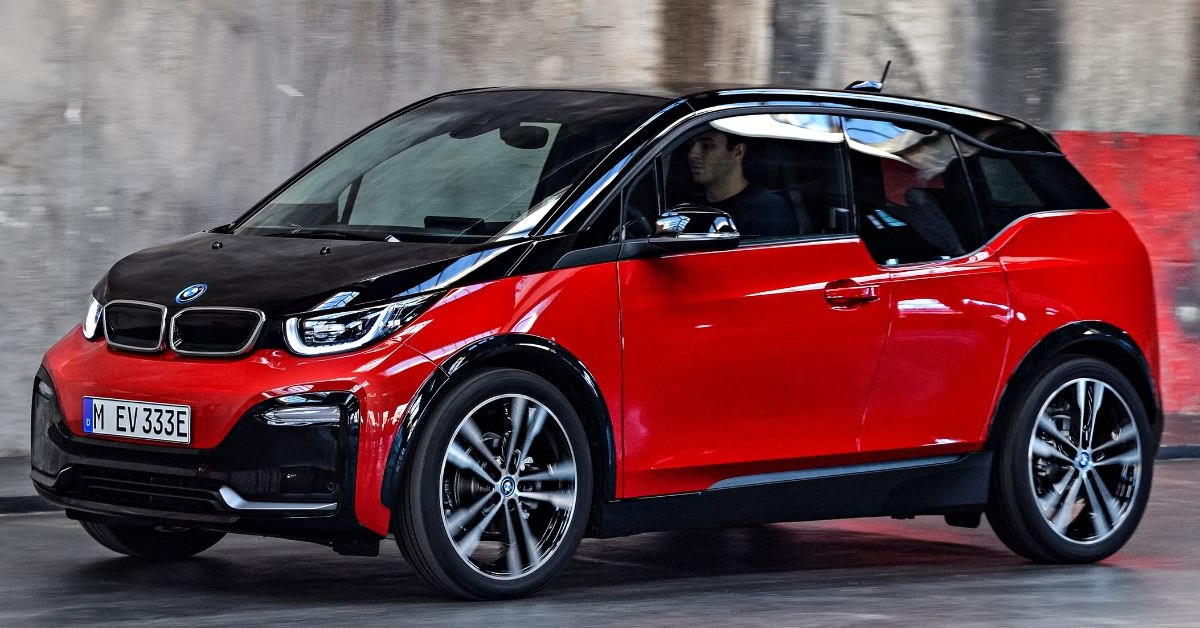
The Volt brought the term to the mainstream, although it was really a blend of series and parallel operation. The purest early example was the BMW i3 with its optional range extender, or REx, a 647 cc two-cylinder engine mounted beside the rear motor. The EPA classified the i3 REx as a series plug-in hybrid, and used examples are still a cheap way into the idea, as long as the battery and the small engine have been looked after.
The New US Trucks and SUVs
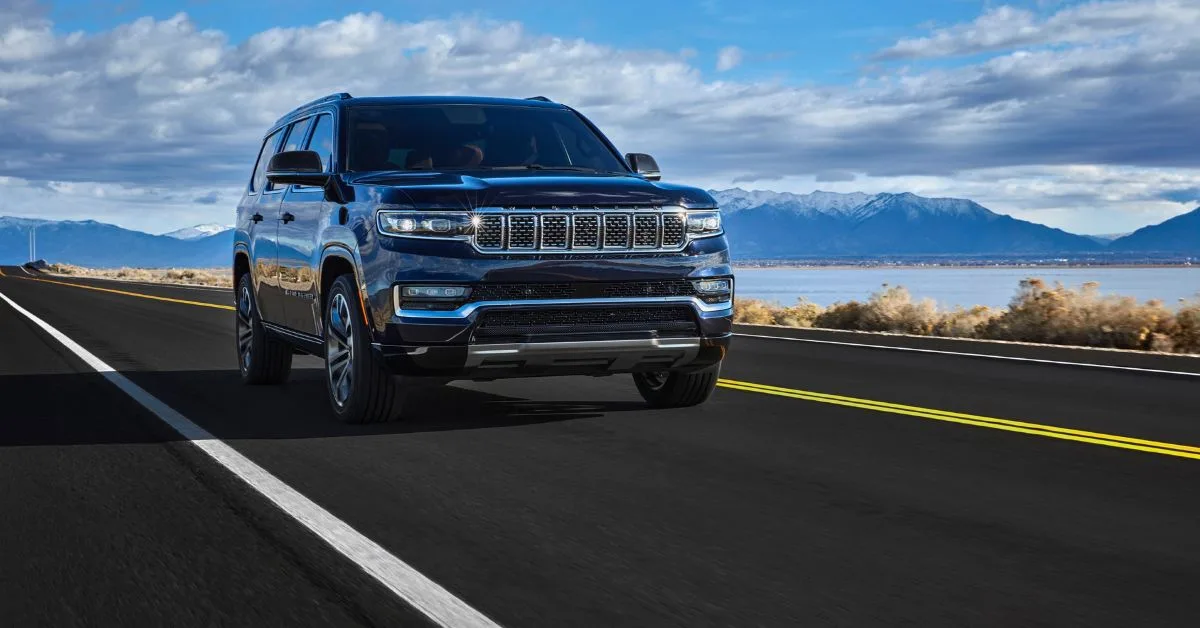
Four big names are behind the current wave, and all of them are trucks or truck-based SUVs, where towing makes battery-only range hardest to live with.
- Ram 1500 REV: 145 miles electric, 690 miles total, 14,000 lb towing. Production has reportedly slipped to around April 2027, and the price is expected to start well above $65,000 (KSh 8.45 million).
- Jeep Grand Wagoneer EREV: the same powertrain as the Ram, with production reported to start in November 2026.
- Ford F-150 Lightning EREV: announced in December 2025 to replace the all-electric Lightning, with an estimated range of more than 700 miles. Ford has not given a launch date.
- Scout Traveler and Terra Harvester: about 150 miles electric and more than 500 in total, with production planned from late 2027 and prices expected to start under $60,000 (KSh 7.8 million).
Europe, China and Beyond
Outside the US, the choice is wider. Mazda sells the MX-30 R-EV with its rotary generator in Europe and Japan. Leapmotor, part-owned by Stellantis, sells the C10 REEV in Europe, Australia and South Africa, where it launched in October 2025 with a quoted 145 km of electric range and 970 km in total. In China, brands such as Li Auto have built whole lineups of large range-extended SUVs, and the format now sits alongside plug-in hybrids as one of the country’s main electrified options.

Who Should Buy an EREV?
An EREV makes the most sense if you can charge at home or work, most of your daily driving fits inside its electric range, and you regularly do something a BEV makes awkward: towing, long rural trips, or travel where fast chargers are thin on the ground. That is exactly why the US makers are starting with pickups.
It makes less sense if you can’t charge regularly, because then you are mostly running a heavy car on its generator, or if most of your driving is long motorway runs, where a regular hybrid or a diesel is usually more efficient. If you rarely leave town and can charge at home, a pure EV is simpler and has fewer parts to wear out.
Range Extenders and e-Power Cars in Kenya
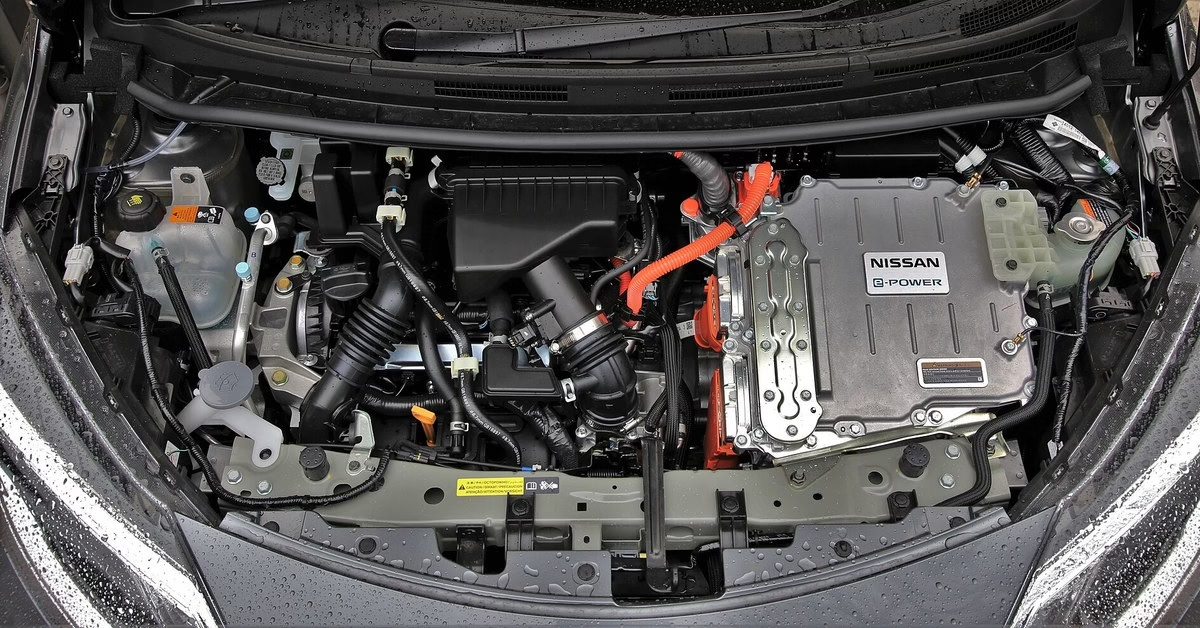
Plug-in EREVs are still rare in Kenya. We couldn’t find a franchise dealer selling one, though the Leapmotor C10’s launch in South Africa shows the format is reaching the continent. Kenyan drivers already know the idea in another form, however: Nissan’s e-Power cars, such as the Note e-Power and Serena e-Power that arrive as used Japanese imports. They work like an EREV without the plug. A petrol engine only charges a small battery and the electric motor drives the wheels, so they feel like an EV in traffic, but every kilometre ultimately comes from petrol.
For a true EREV, the attraction here would be the same as in the US: electric running for the daily commute, charged overnight at home on a 240 V supply, with a petrol engine for upcountry trips where chargers are scarce. Until one is sold locally with parts and service support, buying an imported EREV means relying on a specialist for both the high-voltage system and the engine.
Frequently Asked Questions
What does EREV stand for?
Extended range electric vehicle. It is a plug-in car whose wheels are driven only by electric motors, with a petrol engine that works purely as a generator to recharge the battery and extend the range. Some makers call the same layout a REEV, or range extender electric vehicle.
What kind of vehicle is an EREV: a hybrid or an EV?
Both, depending on who is counting. The US Department of Energy groups EREVs with plug-in hybrids as series plug-ins, but they drive like electric vehicles, because the engine never turns the wheels.
Can you drive an EREV without ever charging it?
Yes. The generator keeps it running on fuel alone, but you lose most of the point, because fuel use on the generator is often no better than a comparable petrol car. An EREV pays off when most of your miles come from the plug.
Is an EREV better than a PHEV?
It depends on how you drive. An EREV usually has far more electric range and always drives like an EV, which suits charging at home with occasional long trips or towing. A plug-in hybrid is often more efficient on long motorway runs once the battery is empty.
Does an EREV need oil changes?
Yes, because it still has a petrol engine. It may run so little that oil changes are set by time rather than mileage, and some systems start the engine now and then to keep it in good condition.
The Bottom Line
An EREV is an electric car with a petrol generator as a safety net. It drives like an EV, goes as far as a petrol car, and suits buyers who can charge at home but still tow or travel long distances. The catch is that it is only as efficient as the share of miles you drive on electricity. For the official definitions, the Department of Energy’s guide to how plug-in hybrids work and its Alternative Fuels Data Center page on plug-in hybrids explain the series and parallel layouts side by side.