
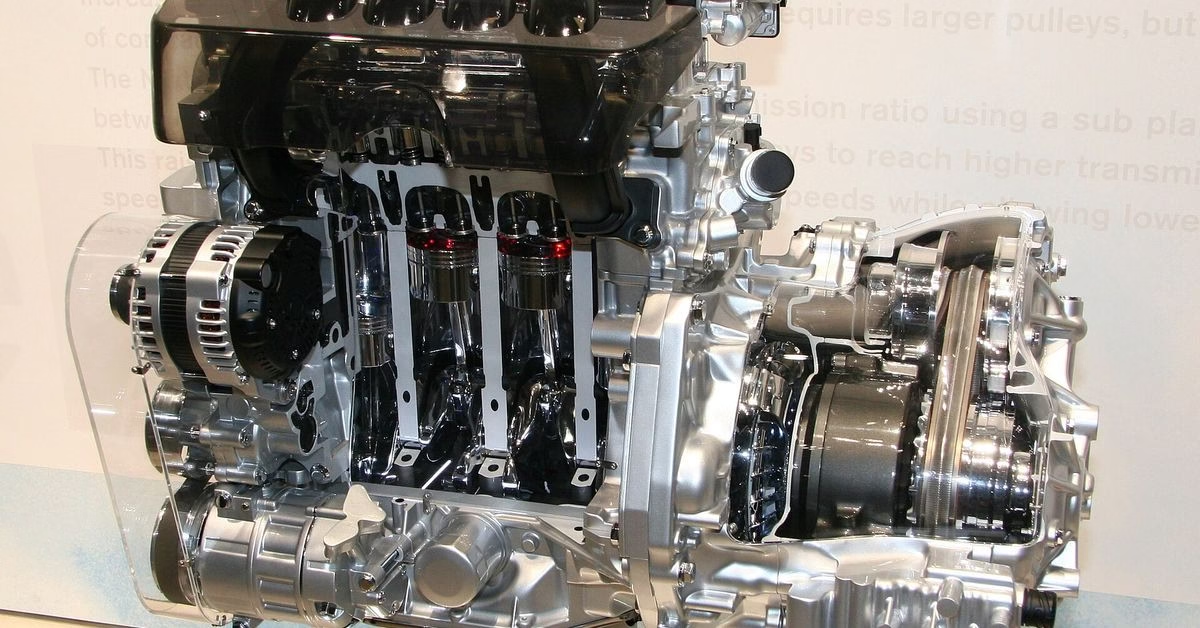
Ask three dealers how often a CVT needs new fluid and you can get three answers, from every 25,000 miles to never. The confusion is mostly the makers’ own doing, because many US schedules only tell you to inspect the fluid unless you drive in “severe” conditions, which describes most real driving. This CVT fluid change guide sorts it out maker by maker: what Nissan, Honda, Toyota, Subaru and Mitsubishi actually publish, what the job costs in 2026, which fluid each gearbox needs, and when a fresh fill is worth doing on a high-mileage car.
Table of Contents
Intervals, Fluids and Costs by Maker at a Glance
The official schedules below are the published US ones unless stated. The last column is what we would do on a car you plan to keep, which is usually sooner than the maker asks.
| Maker | Fluid | What the schedule says | What we’d do | Typical US cost |
|---|---|---|---|---|
| Nissan | Genuine NS-3 (NS-2 on older units) | Inspect every 10,000 miles; replace every 60,000 miles under severe use (2019 Rogue) | Every 30,000 to 40,000 miles | $189 to $229 (KSh 24,600 to 29,800), Rogue |
| Honda | Honda HCF-2 | When the Maintenance Minder shows code 3 | Follow the Minder, sooner with hills or towing | $183 to $217 (KSh 23,800 to 28,200), 2026 CR-V |
| Toyota | Toyota CVT Fluid FE (TC on older units) | Inspect; replace at 60,000 and 120,000 miles only under special conditions (2026 Corolla) | Every 60,000 miles, or 40,000 in hard use | $238 to $305 (KSh 30,900 to 39,700), Corolla |
| Subaru | Subaru High Torque CVTF (Lineartronic) | Inspect at major services; replace only if needed or under severe use | Every 50,000 to 60,000 miles | $494 to $530 (KSh 64,200 to 68,900), Outback |
| Mitsubishi | Mitsubishi genuine CVT fluid | Australia: every 90,000 km, or 40,000 km under severe use (2022 Outlander) | Every 30,000 to 40,000 miles | $223 to $284 (KSh 29,000 to 36,900), Outlander |
Cost ranges are RepairPal’s averages for a transmission fluid service on each model, last updated in September 2026, and include parts and labour.
Why CVT Fluid Matters More Than Ordinary Transmission Fluid
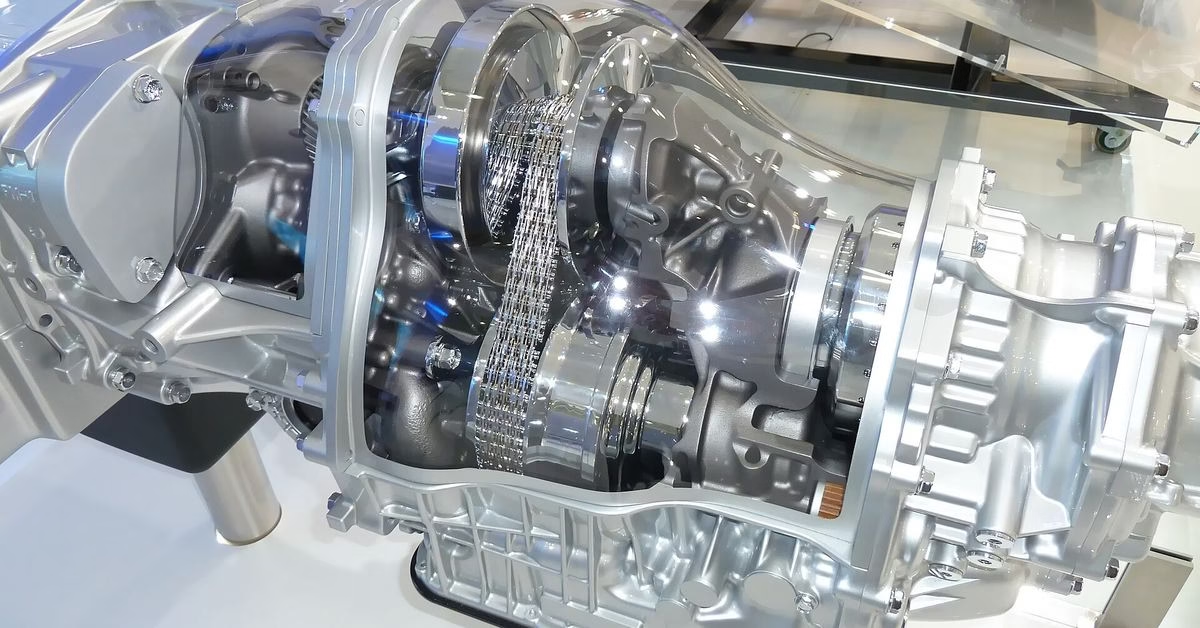
A CVT has no fixed gears. It runs a steel belt, or a chain in a Subaru, between two cone-shaped pulleys, and hydraulic pressure clamps the pulleys so the belt can carry the engine’s power. The fluid is part of that grip. It is blended with specific friction properties so the belt bites on smooth steel without slipping, while still lubricating and cooling everything else.
Heat and time wear those properties down long before the fluid looks dirty. Tired fluid lets the belt slip a fraction, the slip scores the pulley faces, and the metal it sheds ends up circulating through the valve body. That is why fluid neglect sits behind so many of the judders and failures owners report, and why a service that costs a couple of hundred dollars matters on a gearbox that can cost several thousand to replace. If your car already shows the warning signs, start with which CVTs fail and the symptoms that point to real wear.
It is also why each maker insists on its own fluid. Nissan’s owner’s manuals warn that using anything other than genuine NS-3 can damage the gearbox, Honda specifies HCF-2, Toyota uses CVT Fluid FE in its current units, and Subaru has its own Lineartronic fluid. A good aftermarket fluid that is explicitly approved for your gearbox can work, but a “universal” CVT fluid is a gamble on a part that is very expensive to lose.
How Often Should CVT Fluid Be Replaced?
Most schedules have two columns: normal and severe. On many CVTs the normal column only says “inspect”, which owners often read as lifetime fluid. The severe column is where the replacement interval lives, and its conditions are broad. Mitsubishi’s list is typical: dusty or hilly roads, long idling, frequent hard braking, towing, taxi or rental use, and more than half the time in heavy traffic or in temperatures of 32 °C (90 °F) and above. If any of that sounds like your week, the severe schedule is your schedule.
Nissan
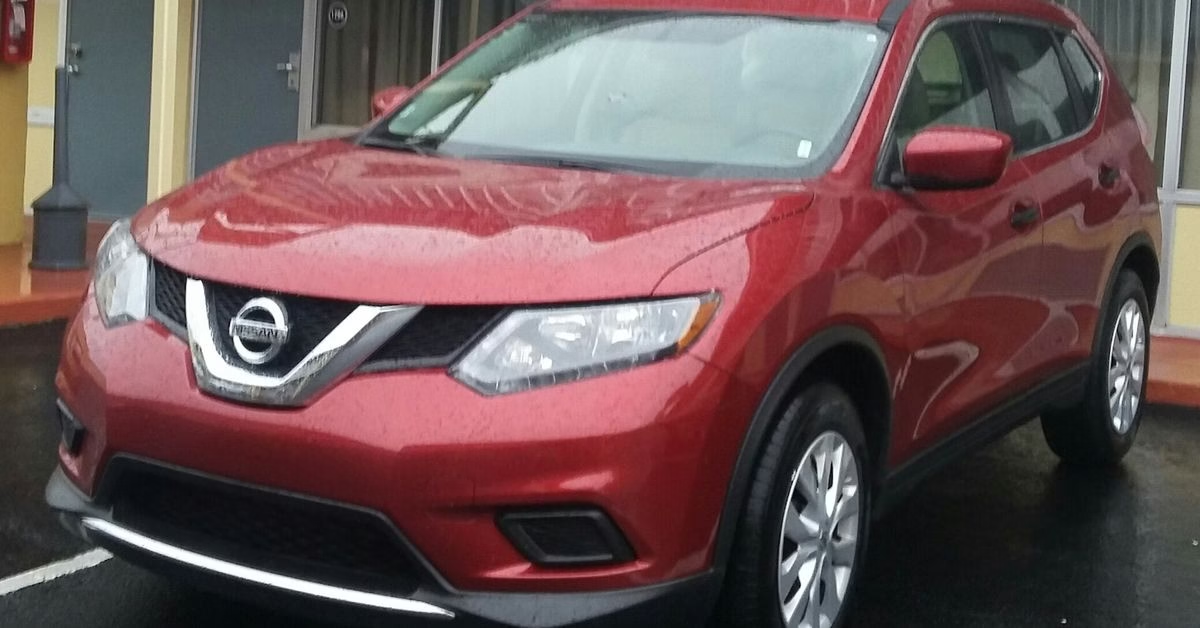
Nissan’s own schedule for the 2019 Rogue 2.5 says to inspect the CVT fluid every 10,000 miles (16,000 km) or 12 months, and lists no replacement under normal use. Under severe use, it calls for new fluid every 60,000 miles (96,000 km). The Rogue Hybrid of the same year is stricter, at every 30,000 miles normally and every 15,000 miles under severe use. Nissan’s newer schedules follow the same pattern, so check your exact year on Nissan’s maintenance schedule site.
Given the Jatco CVT’s record, 60,000 miles is too long for most owners. Many Nissan dealers and independent specialists suggest a drain and fill every 30,000 to 40,000 miles, and that is what we would do on any Rogue, X-Trail, Altima, Sentra or Versa you plan to keep.
Honda
Honda doesn’t print a fixed mileage for most models. The Maintenance Minder works out when service is due from how the car is driven, and sub-code 3 on the dash means “replace transmission fluid”. Honda’s owner’s manuals add that driving in mountains at low speed or towing raises transmission temperatures and calls for fluid changes more often than the Minder suggests. In practice, owners commonly see code 3 somewhere between about 30,000 and 60,000 miles.
Use HCF-2 in a conventional Honda CVT, such as the Civic, CR-V, HR-V, Accord 1.5 or Fit. Honda’s hybrids with the two-motor e:HEV system use a different gearbox, so check the manual before buying fluid. The 2014 to 2017 Civic and the 2016 to 2020 HR-V are the cars where a fresh fill matters most, because both had judder or belt-wear campaigns.
Toyota
Toyota’s US guide for the 2026 Corolla has the transmission fluid inspected every 30,000 miles, and replaced at 60,000 and 120,000 miles only under special operating conditions such as towing or carrying heavy loads. Corolla manuals for other markets take a similar line: inspect at the first 100,000 km (62,000 miles) or 72 months, then every 20,000 km.
Toyota’s CVTs are the most forgiving of the five, so a change at around 60,000 miles is reasonable for gentle use, and nearer 40,000 miles for a car that sees hills, heat or heavy traffic. Current units, including the Direct Shift-CVT in the Corolla and the 2.0 RAV4, take CVT Fluid FE. Some older Super CVT-i units specified CVT Fluid TC, so match the fluid to the label or the manual, not to the car’s name. Toyota’s hybrids use a planetary eCVT that needs a different fluid entirely.
Subaru

Subaru’s US schedules treat the Lineartronic’s fluid as an inspection item at major services rather than a timed replacement. The 2021 schedule, for example, lists “CVT fluid, inspect” at its 60,000-mile, 48-month service, with no fixed replacement. Its severe-use notes are where a replacement interval appears, and the Lineartronic also takes more fluid than most small CVTs, which is a big part of why Subaru’s service costs about twice as much as the others in the table.
Many Subaru specialists recommend new fluid somewhere between 60,000 and 100,000 miles, and some owners do it every 30,000. We would aim for 50,000 to 60,000 miles, and sooner on the 2010 to 2015 cars whose CVTs Subaru later covered with a ten-year warranty extension.
Mitsubishi

Mitsubishi is the most explicit of the five, at least outside the US. Its Australian schedule for the 2022 Outlander replaces the CVT fluid every 90,000 km (about 56,000 miles) under normal use and every 40,000 km (about 25,000 miles) under severe use, and the Eclipse Cross and ASX carry the same 40,000 km severe interval in Mitsubishi Australia’s published schedules. US booklets vary by model and year, so check yours.
Mitsubishi’s CVTs come from Jatco, the same supplier as Nissan’s, so the same caution applies. Treat 30,000 to 40,000 miles as the sensible interval on an Outlander, Outlander Sport, Eclipse Cross or Mirage.
What It Costs to Replace CVT Fluid
For most small CVT cars in the US, a fluid service costs roughly $150 to $350 (KSh 19,500 to 45,500). Independent shops usually charge $150 to $280 (KSh 19,500 to 36,400) and dealers $180 to $350 (KSh 23,400 to 45,500), according to 2026 price surveys. RepairPal’s model-by-model averages, updated in September 2026, land in the same range for most cars.
| Model | Average cost (parts and labour) |
|---|---|
| Nissan Rogue (all years) | $189 to $229 (KSh 24,600 to 29,800) |
| Honda CR-V (2026) | $183 to $217 (KSh 23,800 to 28,200) |
| Toyota Corolla (all years) | $238 to $305 (KSh 30,900 to 39,700) |
| Mitsubishi Outlander (all years) | $223 to $284 (KSh 29,000 to 36,900) |
| Subaru Outback (all years) | $494 to $530 (KSh 64,200 to 68,900) |
Three things push the bill up. The first is the fluid itself: genuine CVT fluid costs more than ordinary transmission fluid, and a 4-litre can of Toyota CVT Fluid FE sells for around $100 to $120 (KSh 13,000 to 15,600) online in the US. The second is capacity, which is why the Subaru costs so much more. The third is the procedure: many CVTs need the level set at a precise fluid temperature with a scan tool, which takes time a basic quick-lube shop may not spend. A double drain and fill, which replaces more of the old fluid, typically costs $280 to $340 (KSh 36,400 to 44,200) on a Honda.

Drain and Fill, or Flush?
Most makers specify a drain and fill: remove the drain plug, let the fluid run out, refill and set the level hot. It only replaces part of the fluid, often about a third to a half, because the rest sits in the torque converter, cooler and valve body. That is fine, because regular drain and fills keep the overall fluid fresh, and a second drain and fill a few hundred miles later gets most of the old fluid out on a car that has been neglected.
A machine flush pushes new fluid through the whole system under pressure. It replaces more fluid in one go, but some specialists blame it for dislodging debris into the valve body on high-mileage units, and Honda specialists in particular avoid it. Unless your maker’s procedure calls for a flush, ask for a drain and fill with the correct fluid, the level set to the factory procedure, and the old fluid shown to you.
Can You Do It Yourself?
On some cars, yes. Draining is easy; filling is the hard part. Many modern CVTs have no dipstick, and the level is set through a check plug at a specific fluid temperature, read with a scan tool. Overfilling or underfilling a CVT can cause the very slipping and overheating you are trying to prevent. If you don’t have the procedure for your exact gearbox and a way to read fluid temperature, pay a shop that does.
Should You Change the Fluid on a High-Mileage CVT?
There is an old warning that changing the fluid on a high-mileage automatic that has never had it done can make it fail, because fresh fluid strips away deposits the worn gearbox depends on. We couldn’t find good evidence that the service itself causes failures. The more likely story is that a gearbox already on its way out fails soon after, and the service gets the blame.
For a CVT that drives normally, a drain and fill with the correct fluid is still the right call, even at 100,000 miles. What new fluid can’t do is fix wear. If the car already slips, flares or judders, fresh fluid may soften the symptom for a while, but the belt or pulleys are probably damaged. The same “lifetime fluid” debate plays out in geared automatics too, including ZF’s eight-speed, whose maker recommends changes its customers often skip, and it is one reason the CVT versus automatic choice comes down to how a car has been looked after.
CVT Fluid Service on Kenya’s Japanese Imports
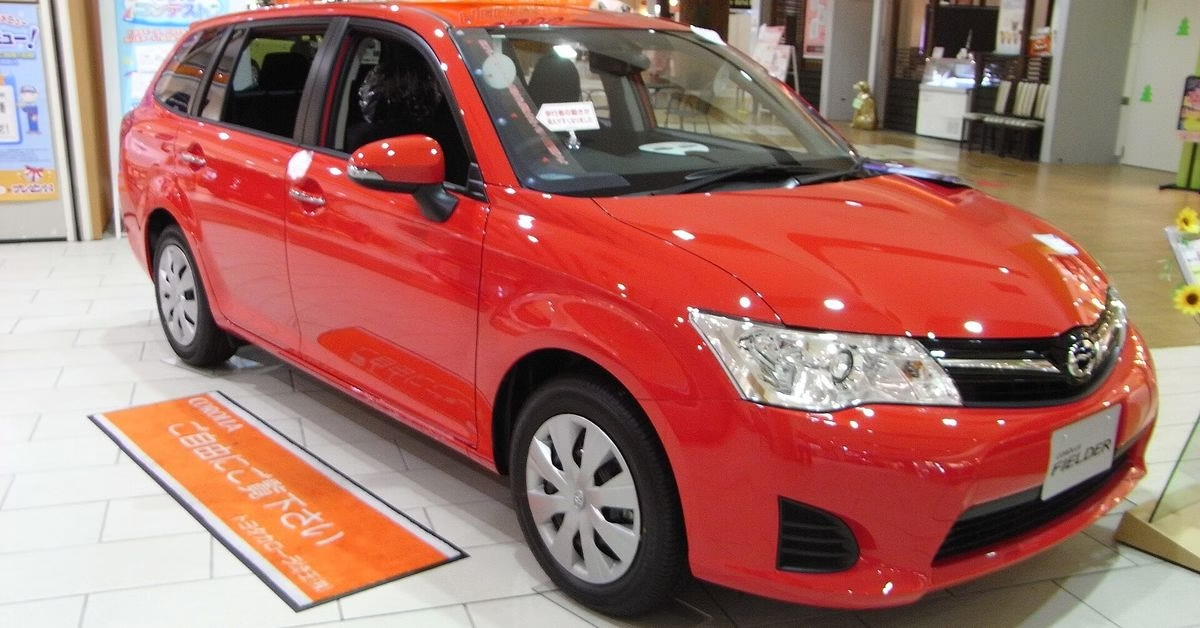
Most of Kenya’s popular small cars run CVTs: the Toyota Fielder and Axio with Super CVT-i, the Nissan Note and X-Trail with Jatco units, and Subaru Foresters with Lineartronic. Slow traffic, heat, hills and rough roads put almost every one of them on the severe schedule. A fresh import’s history is also often thin, so the safest assumption is that the fluid has never been changed.
Genuine fluid is easy to find. A 4-litre can of Toyota CVT Fluid FE sells for about $23 to $50 (KSh 3,000 to 6,500) from Kenyan parts sellers, checked in November 2026, and NS-2, NS-3 and Subaru fluid are widely stocked too. Plan on new fluid soon after you buy, then roughly every 30,000 to 40,000 km (about 20,000 to 25,000 miles) on a Jatco-equipped Nissan, and every 60,000 km or so (about 37,000 miles) on a Toyota. Those are shorter than the US figures above because nearly all driving here counts as severe. Insist on the correct fluid for the gearbox, not whatever the garage has open. Anyone weighing the two Toyota wagons can see what a Fielder really costs to buy in Kenya.

Frequently Asked Questions
How often should CVT fluid be replaced?
It depends on the maker and how you drive. Many schedules only ask for an inspection under normal use and a replacement every 25,000 to 60,000 miles under severe use. For most drivers, every 30,000 to 40,000 miles on a Nissan or Mitsubishi, 40,000 to 60,000 miles on a Toyota and 50,000 to 60,000 miles on a Subaru is a sensible rule, while Hondas follow the Maintenance Minder.
How much does it cost to replace CVT fluid?
Usually $150 to $350 (KSh 19,500 to 45,500) in the US in 2026, with RepairPal’s averages at about $190 to $305 for a Rogue, CR-V, Corolla or Outlander. Subarus cost more, at around $500 (KSh 65,000), because the Lineartronic takes more fluid.
Can I use a universal CVT fluid?
It is a risk. CVT fluid has to give the belt the right grip, so makers specify their own: Nissan NS-3, Honda HCF-2, Toyota CVT Fluid FE and Subaru’s Lineartronic fluid. Use the genuine fluid, or an aftermarket one explicitly approved for your exact gearbox.
Is CVT fluid lifetime fluid?
No. Some normal-use schedules only list an inspection, but the same booklets call for replacement under severe use, which covers short trips, heavy traffic, heat, hills and towing. Most cars are driven that way, so plan on regular replacement.
Is it safe to replace the fluid on a high-mileage CVT that has never had it done?
Generally yes, if the gearbox still drives normally. Use the correct fluid and a drain and fill rather than a machine flush. If the car already slips or judders, new fluid won’t repair the wear, so have the gearbox checked first.
The Bottom Line
CVT fluid is not lifetime fluid, whatever a normal-use schedule seems to imply. Use the severe schedule if your driving matches it, which for most people it does, and use the exact fluid your gearbox specifies. As a rule of thumb, that means new fluid every 30,000 to 40,000 miles on a Nissan or Mitsubishi, when the Minder asks on a Honda, every 40,000 to 60,000 miles on a Toyota depending on use, and every 50,000 to 60,000 miles on a Subaru. A couple of hundred dollars every few years is the cheapest protection a CVT can get.