
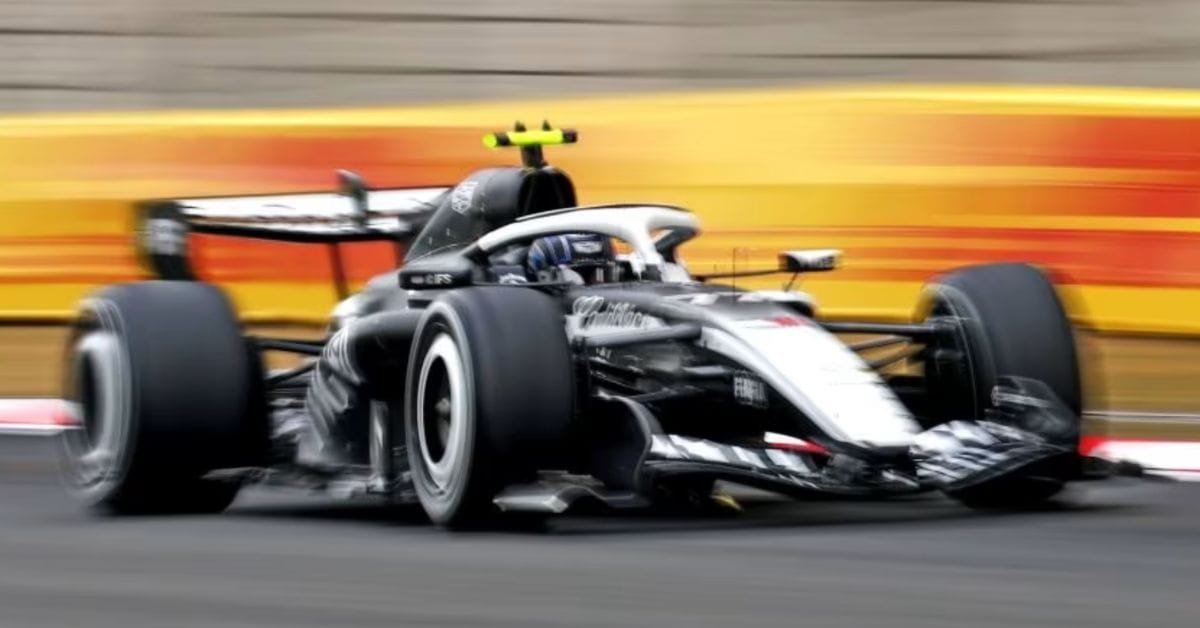
The Cadillac F1 team arrived in 2026 as Formula 1‘s 11th entry, the first brand-new independent constructor to join the grid since Haas in 2016, and the most recognizably American name the sport has seen in decades. Backed by General Motors and built with more than 520 staff across four facilities, it carried enormous expectations and two experienced drivers in Sergio Perez and Valtteri Bottas. Three races are now in the books: Australia, China, and Japan. This is our full verdict on the Cadillac F1 team, what those early results actually mean, and where this operation goes from here.
Table of Contents
Built From Nothing in Record Time
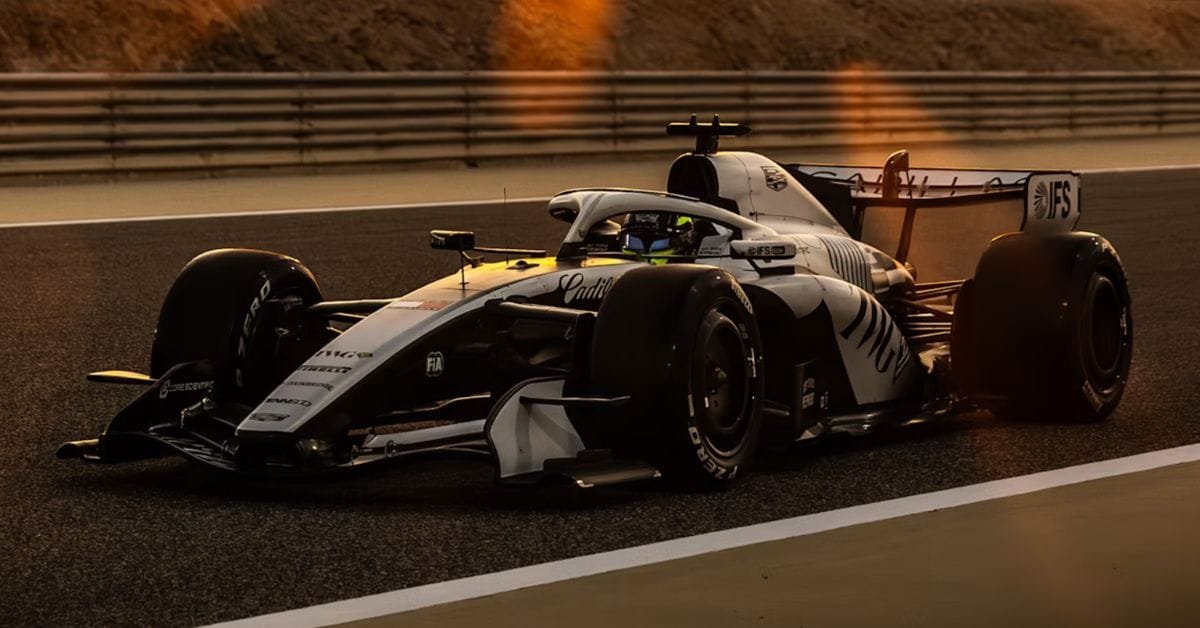
The scale of what General Motors assembled to put Cadillac on the grid deserves some context. The team advertised 595 positions, received 143,265 applications, and had more than 520 staff in place by the end of 2025. It operates out of four locations: Fishers, Indiana; Concord, North Carolina; Warren, Michigan; and a race team and chassis design facility in Silverstone, England.
On the technical side, the team brought in some serious names. Former Formula 1 chief technical officer Pat Symonds joined as a consultant. Nick Chester, who spent years at the former Team Enstone (Renault/Alpine), serves as technical director. Former Scuderia Ferrari race engineer Xavi Marcos is chief race engineer. This isn’t a startup built on hope; it’s a startup built on experience.
For power, Cadillac runs Ferrari customer engines until 2029, when General Motors’ own power unit program, being developed at a new facility in Concord, North Carolina, is expected to come online. Ferrari’s 2026 unit has proven competitive, and being on the same supply as Haas gives Cadillac a solid technical foundation to build on.
The 2026 Rules Reset: A Level Playing Field?
The 2026 Formula 1 season brought the biggest regulation overhaul the sport had seen in years, covering everything from aerodynamics to power units. New active aero, a 50-50 split between combustion and electric power, smaller and lighter cars, and a stripped-back approach to downforce all reset the competitive order in ways that no one could fully predict in advance.
We covered all of the changes in depth in our full breakdown of the 2026 F1 regulation changes. For Cadillac specifically, this reset mattered enormously. Unlike established teams retrofitting years of technical development into a new framework, Cadillac had the luxury of designing their car from day one around the new regulations. No legacy setups to unlearn, no ingrained aero philosophy to abandon.
In pre-season testing, Cadillac logged more than 1,700 km across the two Bahrain test sessions, running both drivers through race simulations and steadily refining setup. Bottas’s best lap on the final day was only 3.3 seconds off the pace benchmark, well within the 107% rule margin and ahead of at least one other car on outright pace. The signs were cautiously encouraging.
Race 1, Australia: History Made in Melbourne
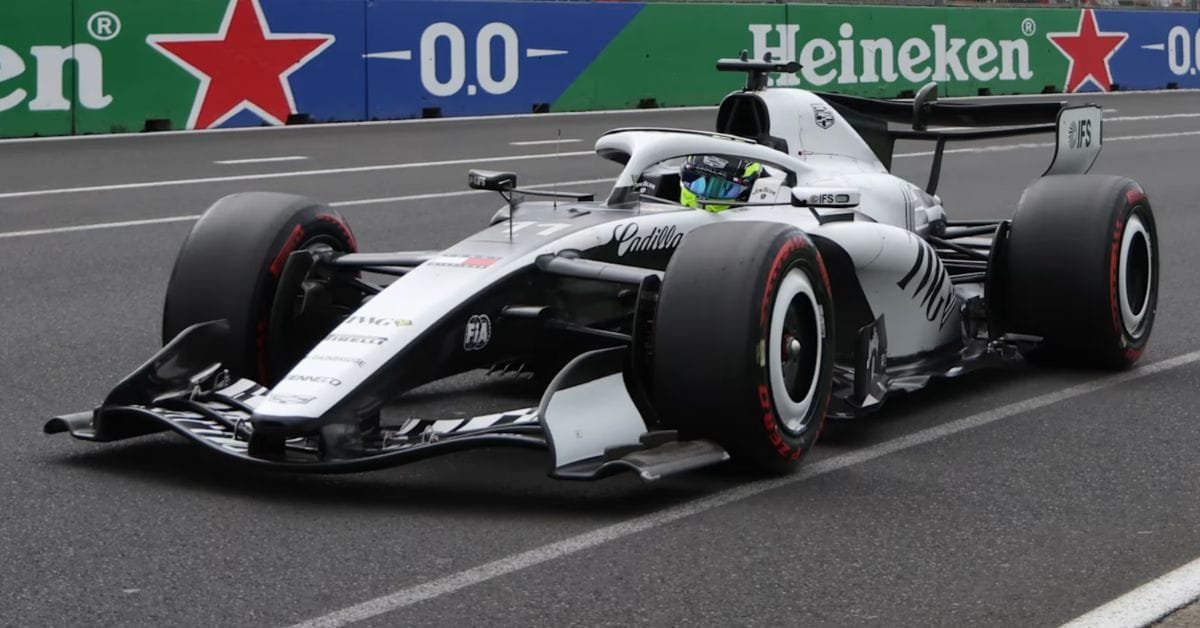
Perez qualified P18 and Bottas P19 at the Australian Grand Prix on March 8, ahead only of those who couldn’t set a time at all. In the race, the story quickly became complicated: Bottas required a steering wheel change early on, then retired on lap 16 with a fuel system failure. Perez, meanwhile, circulated reliably, held his position, and crossed the line in 16th, three laps down on race winner George Russell.
“Our first race as a team is done. Completing the race is incredible and a real achievement just one year after the entry was confirmed. Now this is over, we need to move on to adding performance so we can really race hard.”
Team Principal Graeme Lowdon was open about the frustration of Bottas’s mechanical failure but equally clear that a first-race finish from a brand-new team is never something to dismiss. By any reasonable measure of what a debut grand prix should deliver, Australia was a qualified success.
Races 2 and 3: Building the Foundation
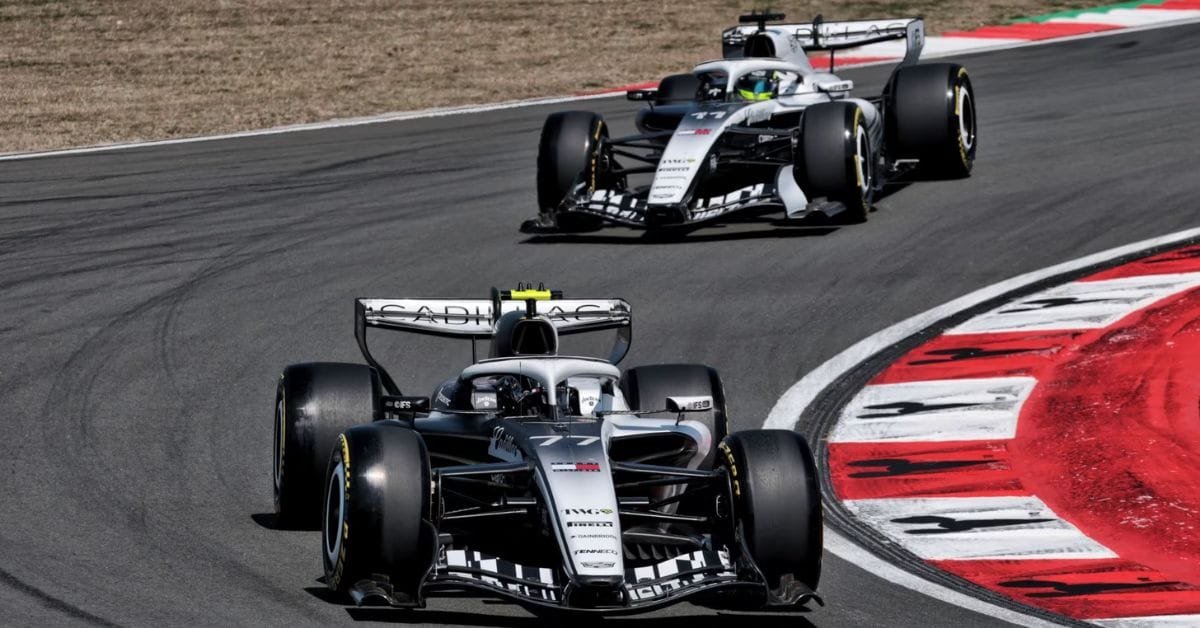
China (Round 2) and Japan (Round 3) told a story of incremental, unglamorous progress, which is exactly what this project needs right now.
In Shanghai, both cars finished the full race distance. Bottas crossed in 13th, Perez in 15th, each one lap down on the leader. A chaotic race with multiple retirements and DNS entries inflated those positions somewhat, but the headline was that Cadillac completed the first back-to-back race weekends in its history without losing a car to a technical failure. That operational reliability is genuinely hard-earned.
Japan was tougher. Perez finished 17th, Bottas 19th, with the team qualifying on raw pace alone at the back of the grid without benefit of anyone else’s failure or confusion. Kimi Antonelli won for Mercedes to take the championship lead at just 19 years old. Cadillac was the last to receive a lap count, but both cars made it home.
Cadillac F1 Team: 2026 Race Results (Rounds 1-3)
| Race | Perez | Bottas |
|---|---|---|
| R1 – Australia | P16 (Finished) | DNF (Lap 16) |
| R2 – China | P15 (+1 lap) | P13 (+1 lap) |
| R3 – Japan | P17 | P19 |
| Constructor Points | 0 | 0 |
What the Numbers Actually Mean
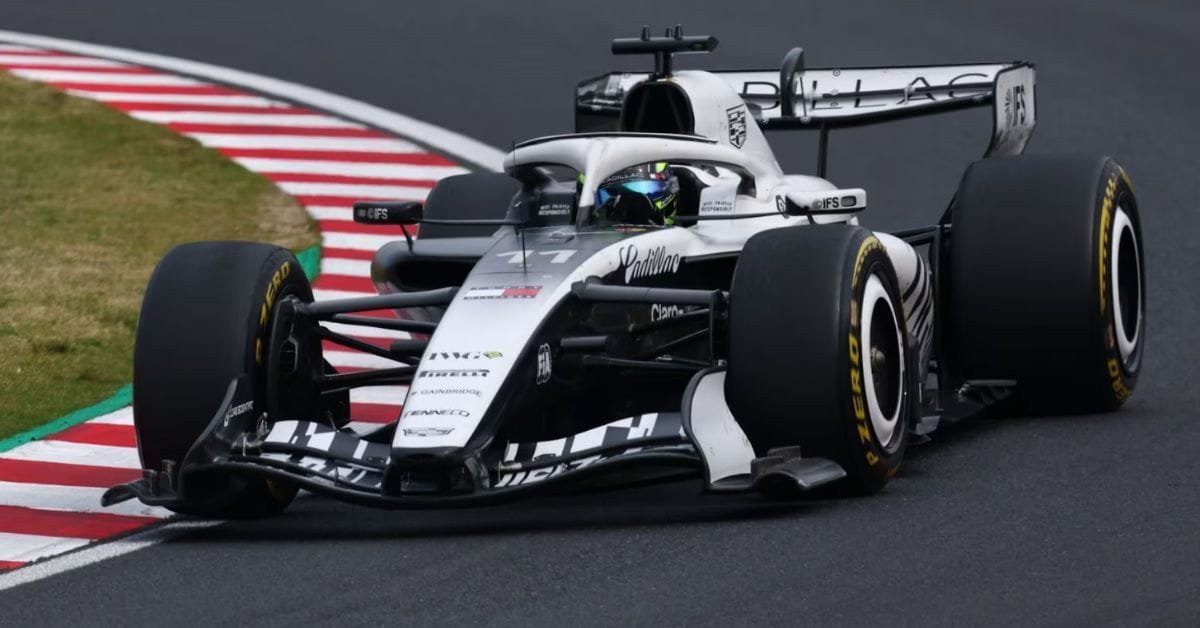
Zero points after three races. A qualifying gap of roughly three to four seconds to pole. Both drivers yet to feature in a fight with a midfield car. On the surface, the numbers are sobering.
But context is everything. The last new independent team to join F1, Haas in 2016, scored points on its debut, which was extraordinary but also largely explained by its deep reliance on Ferrari’s technical supply chain. The 2010 entries (HRT, Lotus, Virgin) never escaped the back, some of them folding within a few years.
Cadillac’s trajectory is more like the former than the latter. The technical team is experienced, the resources are genuine, and the operational reliability is improving race by race. Pat Symonds has noted publicly that running two cars as a new team isn’t twice as hard as running one; it’s closer to four times harder. The fact that Cadillac has managed it across three consecutive weekends says something.
According to a detailed look at Cadillac’s early progress from PlanetF1, Perez is already targeting the team’s first championship points by the summer break. The field’s back half is genuinely compressed in 2026: Aston Martin has been in serious difficulty with its Honda power unit, and the lower midfield shuffle on any given weekend creates genuine opportunities for a team that can simply finish consistently.
The American Angle: More Than Lap Times
For those of us keeping one eye on the American motorsport story, the Cadillac project carries weight that goes beyond the constructor standings. General Motors, one of the most storied names in American automotive history, is on the Formula 1 grid. The team’s race and chassis operations run out of Silverstone, but its roots and identity are unmistakably domestic, with infrastructure spread across Indiana, North Carolina, and Michigan.
Colton Herta, the IndyCar standout who was on the shortlist for a race seat before experience won out, is currently racing in FIA Formula 2 with Cadillac’s backing, developing toward a potential F1 opportunity. The next generation of the story is already being written.
With the Bahrain and Saudi Arabian Grands Prix cancelled for April due to safety concerns in the region, the next race on the calendar is the Miami Grand Prix on May 1-3. There is no bigger moment for an American F1 team than a home race. If Cadillac can score points there, or even run competitively, the narrative shifts considerably.
Verdict: Progress Over Polish
The honest assessment of the Cadillac F1 team after three races is this: it is going about as well as the data suggested it would, and maybe slightly better. The results are humble. The points column is empty. The pace gap to the leaders is large. But the operational foundation is sound, the technical staff is credible, and both drivers are lapping consistently and bringing data home every weekend.
New Formula 1 teams aren’t built in a single season. They are built across several, through accumulated learning, iterative development, and the kind of institutional experience that only comes from racing. Cadillac is three races into what is a multi-year project, and by the only metrics that matter at this stage, it is passing its exams.
Miami is next. Watch closely.