
Most CVTs never give their owners any real trouble. The ones that do tend to come from a short list of makers and model years, and the carmakers have quietly admitted it through warranty extensions, software updates and, in Nissan’s case, class-action settlements. That paper trail is the most useful guide to CVT transmission problems you’ll find, because it shows exactly which gearboxes the makers themselves stopped trusting. The short answer: Nissan’s Jatco units from the 2010s carry the most risk, early Subaru Lineartronics and the Honda HR-V come next, and Toyota’s CVTs have the cleanest record. Here’s what fails, how to spot it, and how to buy around it.
Table of Contents
How a CVT Works, and Why It Fails Differently
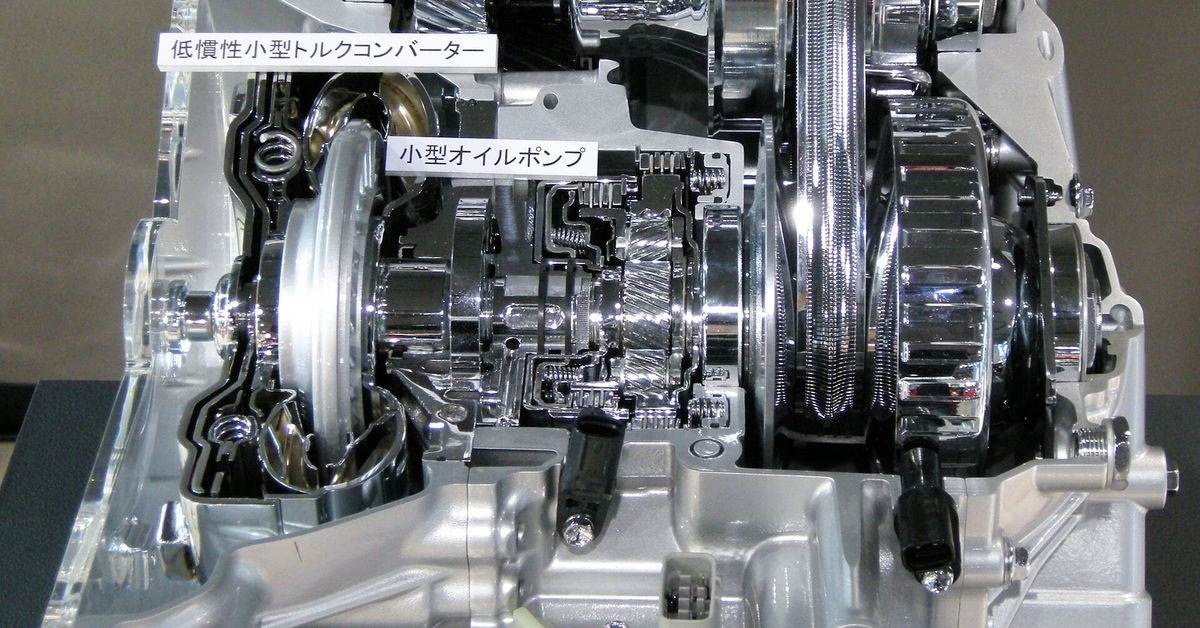
A conventional automatic switches between fixed gears using planetary gearsets and clutch packs. A CVT has no fixed gears at all. It runs a steel belt (or, in Subarus, a chain) between two cone-shaped pulleys, and hydraulic pressure squeezes or opens each pulley so the belt rides higher or lower. Change the diameters and you change the ratio, smoothly and without steps.
That design is light and efficient, but it puts everything on grip. The belt only transmits power because the fluid and the clamping pressure let it bite into smooth steel. If the fluid degrades, the pressure is wrong or the software engages drive before the belt is properly clamped, the belt slips, the pulley faces get scored and metal ends up in the fluid. That’s why CVT failures so often start with a judder or a slip rather than a clunk, and why fluid and software matter more here than in most gearboxes. For how the CVT fits into the wider history of automatics, manuals and dual-clutch units, see the full story of how car transmissions evolved.
Which Cars Have CVT Problems?
The cleanest way to answer this is to follow what the carmakers did, not what forums say. A warranty extension, a software campaign or a recall costs a manufacturer real money, so it only happens when the failure rate is high enough to hurt. Here’s the record by maker, from the most documented trouble to the least.
| Maker | Models and years affected | What the maker did (US) |
|---|---|---|
| Nissan | 2014-2018 Rogue, 2015-2018 Pathfinder | CVT cover extended from 5 years/60,000 miles to 7 years/84,000 miles after a class-action settlement |
| Nissan | 2012-2017 Versa, 2014-2017 Versa Note, 2013-2017 Sentra, 2013-2016 Altima, 2013-2017 Juke | Extra 24 months/24,000 miles of CVT cover through settlements |
| Nissan | 2017-2018 Altima, 2018-2019 Sentra, Versa and Versa Note | Extra 24 months/24,000 miles, active from May 2023 |
| Subaru | Many 2010-2018 CVT models, including the Forester, Outback, Legacy, Impreza and Crosstrek | CVT cover extended to 10 years/100,000 miles in several waves |
| Subaru | 2019-2020 Ascent, 2020 turbo Legacy and Outback | Safety recall for chain slip that could break the drive chain |
| Honda | 2016-2020 HR-V | Software update plus 7 years/150,000 miles of CVT cover for belt wear |
| Toyota | No comparable programme found | Direct Shift-CVT with a launch gear from 2018 |
Nissan and Jatco
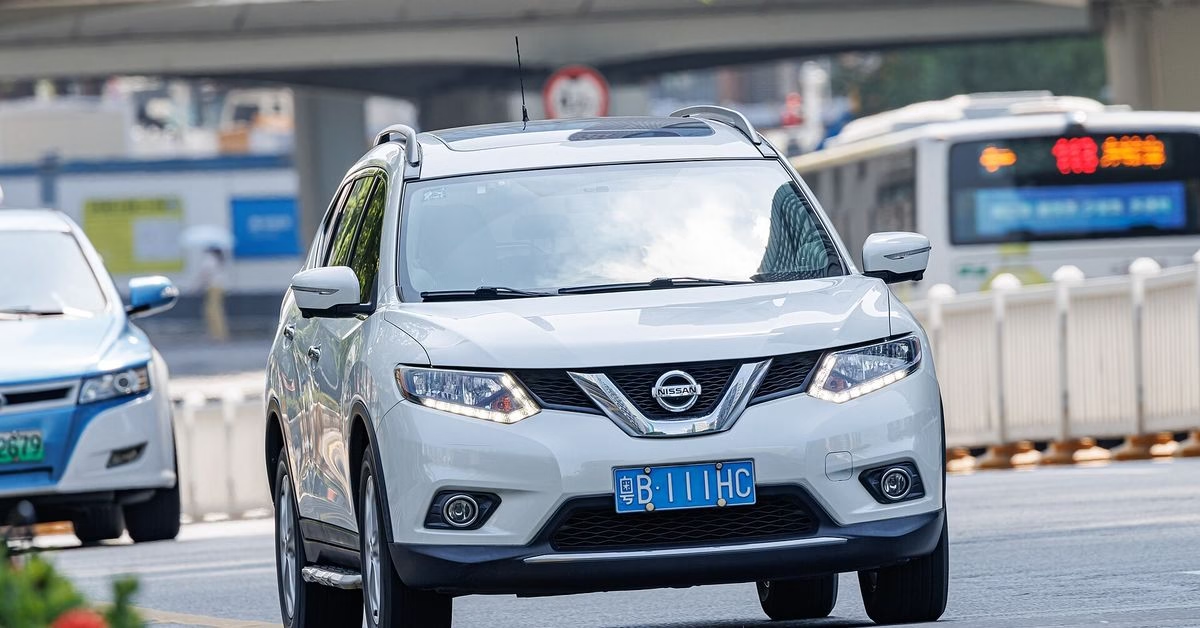
Nissan bet harder on the CVT than anyone, and almost all of its units come from Jatco, its affiliated gearbox maker. The Rogue (sold as the X-Trail outside North America), Pathfinder, Altima, Sentra, Versa and Juke all used them. Owners reported judder, hesitation, whining and outright failure, and the lawsuits followed. A court gave final approval in March 2022 to a settlement that pushed CVT cover on 2014-2018 Rogues and 2015-2018 Pathfinders to seven years or 84,000 miles, as Nissan’s own dealer bulletin filed with NHTSA confirms. Earlier and later settlements did the same for the smaller cars, adding two years or 24,000 miles of cover.
Nissan settled without admitting a defect, and its later units have been revised. But for anyone shopping a used 2013-2019 Nissan with a CVT, those extensions have now run out on almost every car, so any failure is yours to pay for.
Subaru Lineartronic
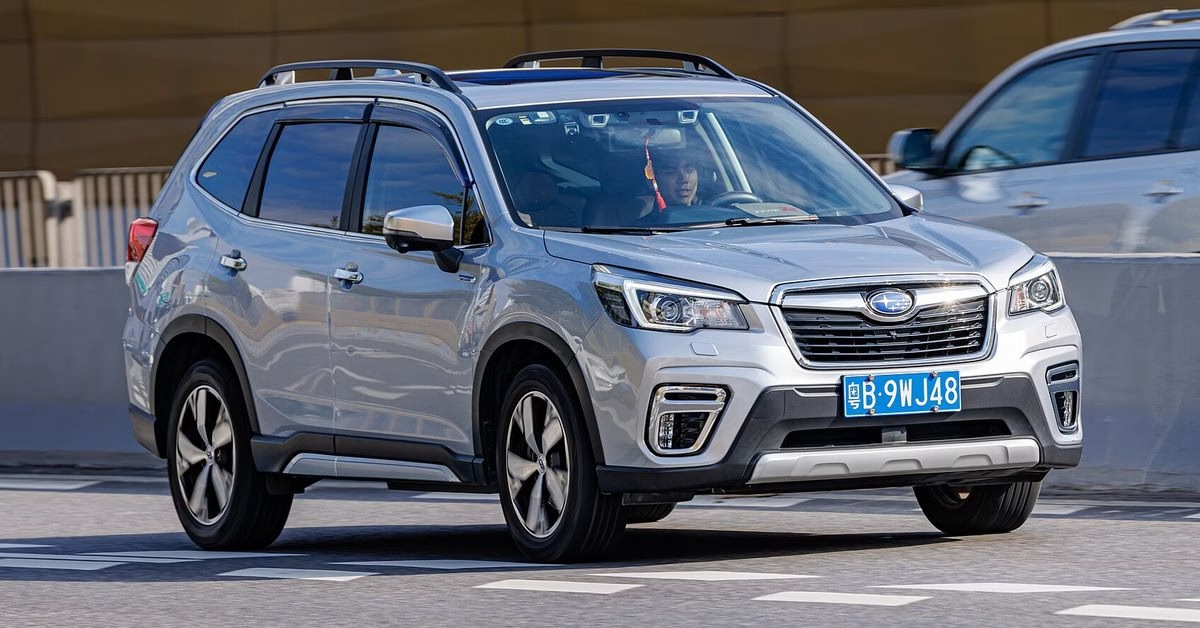
Subaru’s Lineartronic uses a chain instead of a belt and went into almost every Subaru from the early 2010s. Subaru extended CVT cover to ten years or 100,000 miles on a long list of 2010-2018 models, including the 2018 Forester, Outback, Legacy, Impreza, Crosstrek and WRX, while saying the extension wasn’t a response to any specific defect. The problems owners describe on the older cars are hesitation, shudder when slowing and valve-body or torque-converter faults.
The bigger warning is newer. In December 2021 Subaru recalled nearly 200,000 2019-2020 Ascents and 2020 turbo Legacys and Outbacks because a software error could let the clutch engage before the drive chain was fully clamped. The chain could slip, break its guide and eventually snap. Dealers reprogrammed the control unit and replaced any gearbox showing slip.
Honda
Honda’s CVTs have a mixed record rather than a bad one. The 2012-2014 CR-V got a software fix for a judder under light acceleration, and some 2015 CR-Vs got another for belt slip at highway speeds. The serious case is the 2016-2020 HR-V (the Vezel in Japan): Honda found the CVT belt could wear early, added a software update that warns the driver, and extended CVT cover to seven years or 150,000 miles. Honda’s hybrids use different gearboxes and aren’t part of this story.
Toyota
Toyota came to belt CVTs cautiously and has the quietest record of the big Japanese makers. We couldn’t find a US settlement or blanket CVT warranty extension anything like Nissan’s or Subaru’s. Its older Super CVT-i, fitted to cars such as the Corolla, Axio and Fielder, has a broadly good reputation, though high-mileage examples still judder when the fluid is neglected.
Its newer Direct Shift-CVT, launched in 2018 for the Corolla and later used in the 2.0 RAV4 and Harrier, adds a real first gear for pulling away. Toyota says the launch gear exists because belt efficiency is poor at low ratios, so the gear takes the hardest work off the belt. That’s exactly where weaker CVTs struggle, which helps explain the better record. Toyota’s hybrids use a planetary eCVT with no belt at all, which is a different and very durable design.
Mitsubishi
Mitsubishi buys its CVTs from Jatco too, using the same CVT8 family as the X-Trail in the Outlander, RVR (ASX or Outlander Sport) and Eclipse Cross, and the smaller CVT7 in the Mirage. It hasn’t faced the same legal action, but the hardware is closely related, so the same checks and the same fluid discipline apply.
The Symptoms to Watch For
CVT faults usually announce themselves early. The trick is knowing which odd feelings are normal for a CVT and which ones mean wear.
- Judder or shudder: a vibration, usually under light acceleration between about 20 and 45 mph. Honda’s own bulletins describe exactly this. It often points to the torque converter lock-up or tired fluid.
- Slipping or flaring revs: the engine speed jumps without the car speeding up, especially on hills or at highway speed. This is the belt or chain losing grip.
- Whining or droning: a rising whine that tracks road speed suggests bearing or pulley wear. Some engine drone under load is normal; a new mechanical whine isn’t.
- Delayed engagement: a pause or a thump when you select Drive or Reverse.
- Limp mode: a warning light, a flashing D on some Hondas and Subarus, and power cut to protect the gearbox, often after a hot run or a long climb.
Any of these with a stored transmission fault code is reason to walk away from a used car, or to get a specialist’s opinion quickly on your own.
Is a CVT Reliable?
It depends almost entirely on who made it and when. A blanket answer is useless here, so here’s the honest verdict by maker.
- Toyota: the safest bet. The launch-gear Direct Shift-CVT from 2018 and the older Super CVT-i both have good records when the fluid is looked after.
- Subaru: avoid 2010-2015 cars without proof of gearbox work. Later Lineartronics are better, but check that recall work is done on 2019-2020 Ascents and turbo Outbacks and Legacys.
- Honda: generally sound, with the 2016-2020 HR-V the one to check carefully for the belt update.
- Nissan and Mitsubishi (Jatco): the highest risk, especially 2013-2019 Nissans. Buy only with full fluid history, a clean scan and a test drive long enough to get the gearbox properly hot.
One more caveat. A CVT is rarely economical to repair outside a dealer replacement, so a failure late in a car’s life often writes off the car rather than the gearbox. That’s the real reason to buy carefully.
How Long Does a CVT Last?

No carmaker publishes a design life for its CVTs, so any single number you read is a guess. The warranty extensions are the closest thing to an official signal: Nissan settled on seven years or 84,000 miles for the Rogue, Honda on seven years or 150,000 miles for the HR-V, and Subaru on ten years or 100,000 miles. Those lines mark the point each maker was willing to stand behind.
In practice, a well-maintained Toyota or later Subaru CVT can run far past 100,000 miles (160,000 km), while a neglected early Jatco unit can fail well before that. How a car was driven matters too. Heavy loads, towing, steep hills, long idles in hot traffic and hard launches all heat the fluid, and heat is what kills a CVT.
Fluid Changes and Maintenance
CVT fluid is not the same as ordinary automatic transmission fluid. It has to let the belt grip the pulleys, so each maker specifies its own: Nissan NS-2 or NS-3, Toyota CVT Fluid FE, Subaru’s own Lineartronic fluid and Honda HCF-2. The wrong fluid can ruin the gearbox, and a cheap universal fluid is a false saving.
Intervals vary more than most owners expect. Nissan’s US schedules for the 2019 Rogue and Altima call for an inspection every 10,000 miles or so and a full replacement every 60,000 miles under severe driving. Many Subaru and Toyota schedules list CVT fluid as an inspect item rather than a fixed replacement, which some owners read as lifetime fluid. It isn’t, and the severe-use conditions (short trips, heat, hills, heavy traffic, towing) describe how a lot of cars are actually driven. If your car fits those conditions, treat the severe schedule as the real one.
Buying a Used CVT Car

A used CVT car can be a good buy, but the checks have to be stricter than for a conventional automatic, because the repair bill is so large.
- Ask for fluid history: receipts showing the correct fluid at sensible intervals are worth more than a low odometer reading.
- Scan for codes: plug in a scanner that reads transmission codes, not just engine codes. Stored or recently cleared codes are a warning.
- Drive it hot: at least 20 to 30 minutes, including a hill, a stretch at highway speed and gentle acceleration from 20 to 45 mph, where judder shows up.
- Check the campaigns: run the VIN through the maker’s recall and service-campaign lookup to confirm software updates and recall repairs were done.
- Know the model year: match the car against the table above before you get attached to it.
If you’re still deciding between gearbox types, a CVT is usually smoother and more economical, while a conventional automatic copes better with heavy loads and tends to cost less to rebuild. How manuals and automatics compare in traffic is worth reading too.
CVTs in Kenya’s Japanese Imports
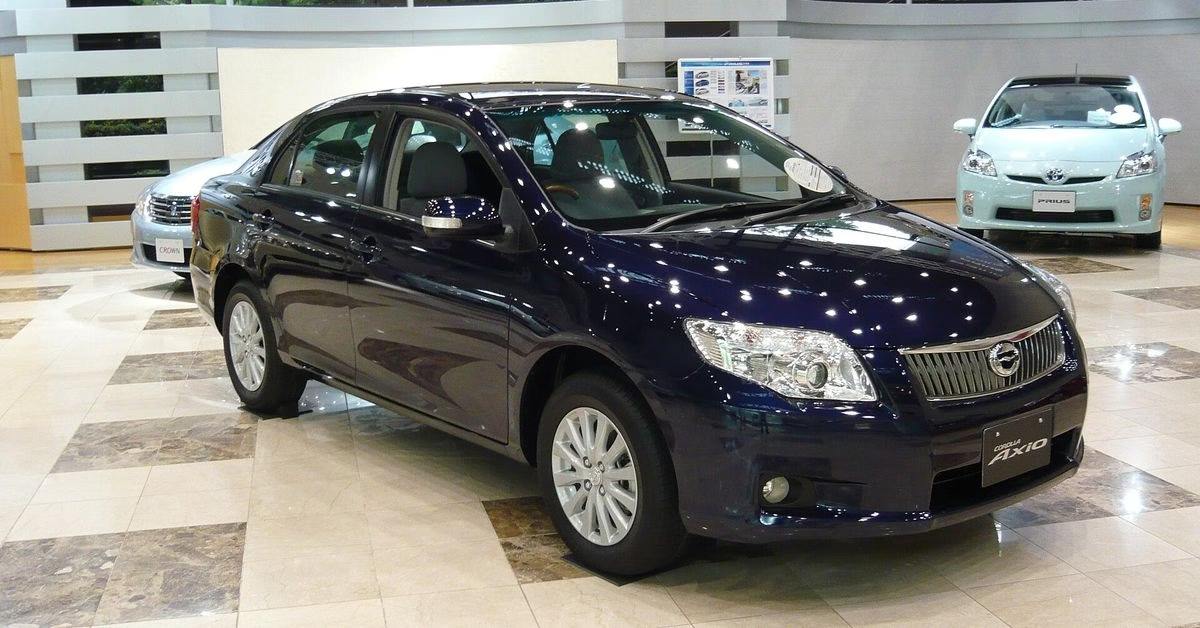
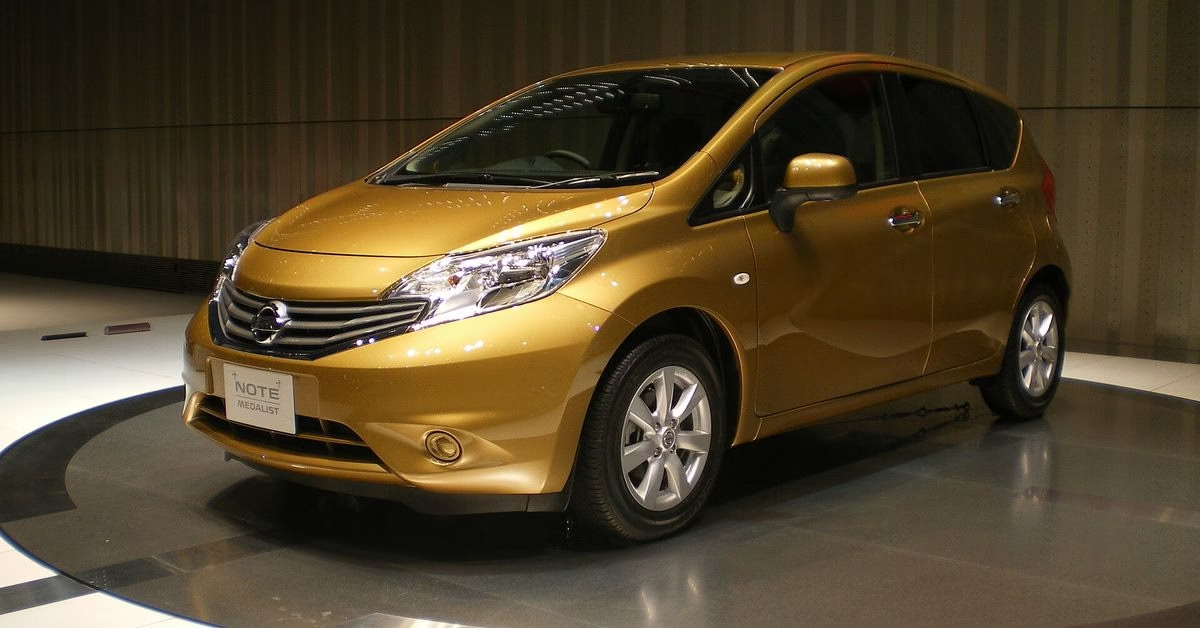
In Kenya, and anywhere else that runs on used Japanese imports, the CVT question matters even more, because most of the popular small cars and SUVs have one. The Toyota Fielder and Axio, in both the E140 and E160 generations, use Toyota’s Super CVT-i. The Nissan Note (E12) uses Jatco’s small CVT7, which adds a two-speed auxiliary gearbox. The X-Trail (T32) uses the larger Jatco CVT8, the same family as the US Rogue. The Subaru Forester (SK) uses Lineartronic, and the 2.0 RAV4 (MXAA52 and MXAA54) uses the Direct Shift-CVT, while the 2.5 RAV4 uses a conventional automatic.
Two things make CVT care harder here. Many cars do years of stop-start crawling in heavy traffic, often on steep murram or hilly roads, which is severe-use driving by any maker’s definition. And a fresh import’s service history is often thin, so the fluid may never have been changed. Treat an unknown CVT as due a fluid change from the right fluid on day one, and favour the Toyota units over the Jatco ones if you’re choosing between otherwise similar cars. Before you hand over a deposit on any of them, read through the dealer traps and test-drive tricks Kenyan buyers run into.
Frequently Asked Questions
What cars have CVT transmission problems?
The most documented cases are 2013-2019 Nissans with Jatco CVTs, including the Rogue (X-Trail), Altima, Sentra, Versa and Pathfinder, many 2010-2018 Subarus with Lineartronic, and the 2016-2020 Honda HR-V. Each led to extended CVT warranties in the US. Toyota has the cleanest record.
Are Nissan CVT transmission problems still a risk?
Yes on older cars. Nissan extended CVT cover on 2014-2018 Rogues to seven years or 84,000 miles and added two years or 24,000 miles on several smaller models, but those extensions have now expired on almost every car. Buy only with fluid records and a clean transmission scan.
Does Subaru still have CVT problems?
The worst problems sat in 2010-2015 cars, which Subaru covered with a 10-year or 100,000-mile CVT warranty. Later Lineartronics are better, but 2019-2020 Ascents and 2020 turbo Legacys and Outbacks were recalled for chain slip, so check the recall was done.
Are Toyota CVTs reliable?
Toyota CVTs have the best record of the major makers. The Direct Shift-CVT used from 2018 adds a launch gear that takes the load off the belt when pulling away, and the older Super CVT-i in cars like the Fielder and Axio is durable when the fluid is changed with Toyota CVT Fluid FE.
How long does a CVT last?
No maker publishes a lifespan. A well-maintained Toyota or later Subaru CVT can run well past 100,000 miles (160,000 km), while a neglected early Jatco unit can fail much sooner. Fluid condition, heat and how hard the car is driven matter more than the odometer.
The Bottom Line
A CVT isn’t a bad gearbox by default. It’s a sensitive one, and the makers’ own warranty extensions show which versions didn’t cope. Toyota’s are the safest, Honda’s and later Subaru’s are reasonable with care, and 2010s Nissans are the ones to approach with a scanner, a long test drive and a fluid receipt in hand. Choose the model year carefully, keep the right fluid in it and you remove most of the risk.