
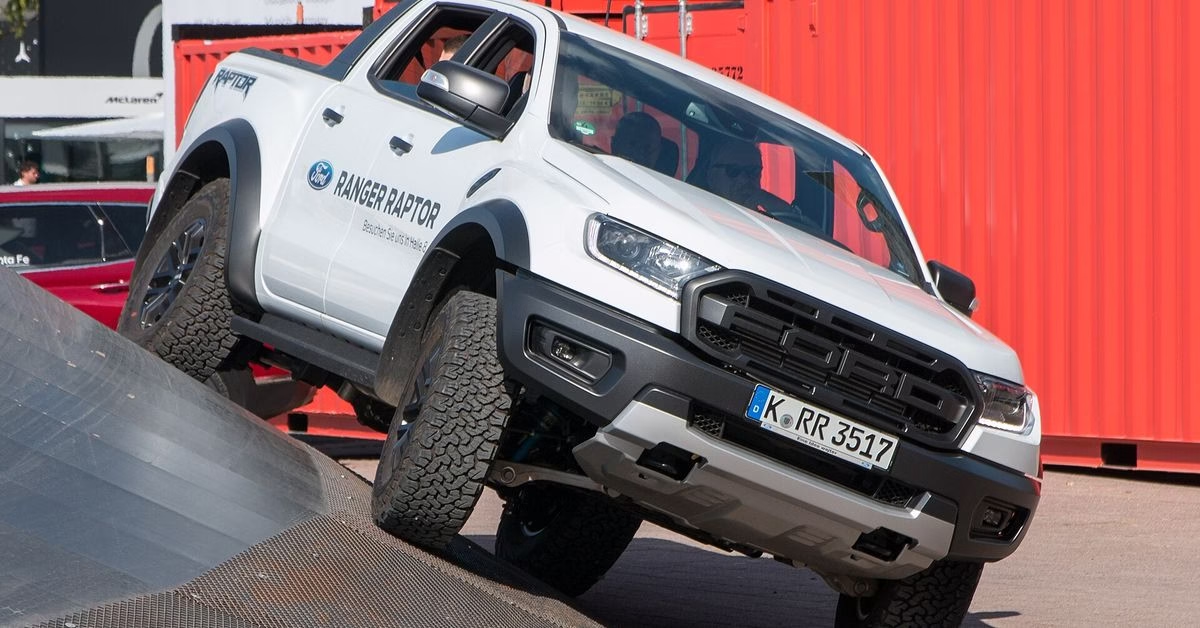
The Ranger has been one of the most popular pickups outside North America for more than a decade, and most of the ones for sale now are on their second or third owner. It isn’t a bad truck, but its ford ranger problems gather around a short list of parts: the 3.2 diesel’s oil pump and EGR cooler, injectors that suffer on dirty fuel, and the recalled pump gears in the 10-speed automatic. Which of them apply to the truck in front of you depends on its year, its engine and the market it was built for. This guide goes through each engine in turn, lists the recalls to check by VIN, and finishes with what to look at before you pay anything.
Table of Contents
The Weak Spots at a Glance
Ford has sold several quite different trucks under the Ranger name, so start by working out which one you’re looking at. The table covers the global T6 Ranger from 2011, the US version of it, and the current generation.
| Generation | Years | Engines | Main weak spots | How serious |
|---|---|---|---|---|
| PX | 2011 to 2015 | 2.2 and 3.2 diesel | EGR cooler, 3.2 oil pump, injectors | Engine-ending if ignored |
| PX2 | 2015 to 2018 | 2.2 and 3.2 diesel | Same engine faults, plus a DPF on many trucks | Engine-ending if ignored |
| PX3 | 2018 to 2022 | 2.2, 3.2 and 2.0 bi-turbo diesel | 10-speed pump gear recall, late software recalls | Check the recall paperwork |
| US Ranger | 2019 to 2023 | 2.3 EcoBoost petrol | Harsh 10-speed shifts, early recalls | Moderate |
| Current generation | 2022 on | 2.0 and 3.0 V6 diesel, petrol in some markets | V6 camshaft recall, software recalls | Too new to judge |
Two things stand out. The expensive engine faults belong to the older five-cylinder trucks, and the gearbox trouble belongs to the newer 10-speed ones. A well-kept truck from either group can be a good buy, but the checks you need are different.
The 3.2 Five-Cylinder
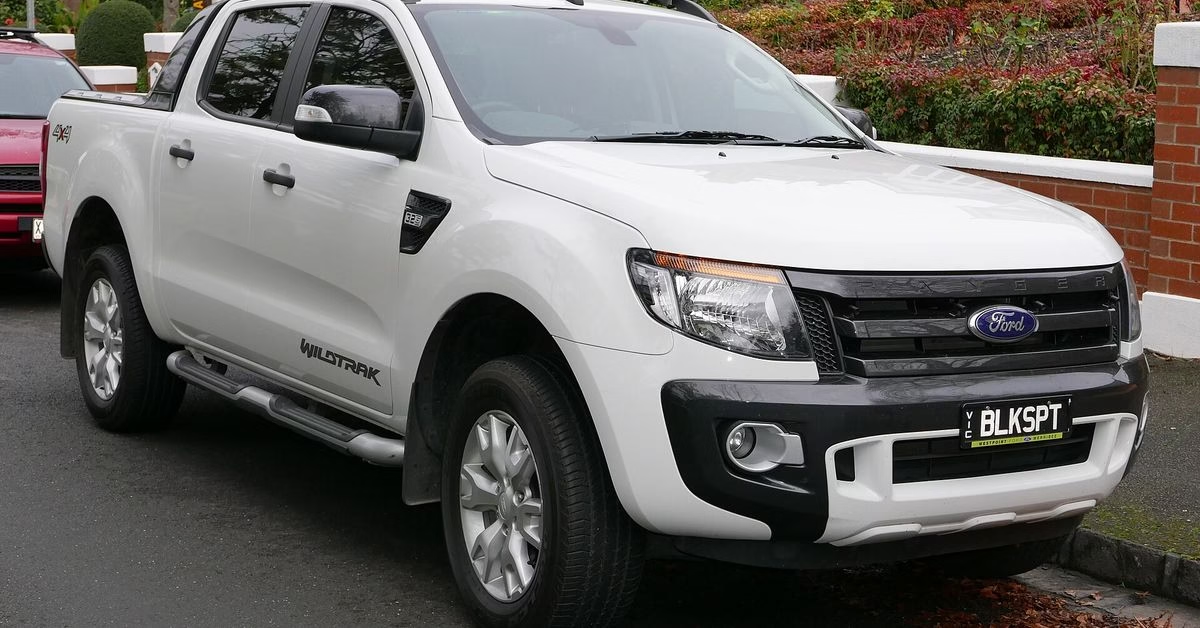
The 3.2 is the engine most people want in a used PX, and it’s the one with the most stories attached. It’s a torquey, long-legged diesel that specialists say can cover big distances, but it has four weak points that turn a good truck into a costly one if nobody has looked after them.
The Oil Pump That Can Lose Its Prime
The 3.2 uses a chain-driven, variable-flow oil pump that sits in the sump. It saves a little fuel, but it can’t always re-prime itself. If the old oil is left draining for more than about ten minutes during a service, the pump can empty too, and the engine then starts with no oil pressure. Revving it to make the warning light go out makes things worse, not better.
The safe routine is quick: new filter, drain, plug back in, refill, start. The oil light should go out within about five seconds. If it doesn’t, switch off, because the pump has drained and needs priming before the engine runs again. Some owners who plan to keep the truck have the factory pump replaced with a conventional gear-driven one while the sump is off, which removes the problem altogether.
EGR Cooler Leaks and Overheating
Both the 2.2 and the 3.2 have an exhaust gas recirculation cooler at the back of the engine, fed by two coolant lines. It can split inside. A slow split shows up as coolant disappearing with no visible leak, and if nobody notices, the engine overheats and the head gasket goes. A sudden split can send coolant into the cylinders, where it bends connecting rods or cracks the head.
Checking the coolant level every week or two is the cheapest protection there is. When you’re buying, ask whether the cooler has been replaced and get the cooling system pressure-tested. Proof of a recent cooler is worth paying extra for, because the repair is at the owner’s cost.
Leaking Injectors and Dirty Fuel
Some 3.2 owners have reported injectors leaking fuel from as early as 70,000 km. The signs are a rattle from the engine, misfires, an idle that hunts up and down, and rising fuel use. A badly leaking injector can wash fuel onto a piston until it melts a hole in the crown. Contaminated fuel speeds all of this up, which is why a good fuel filter and water separator matter so much on this engine. Some specialists replace injectors at around 100,000 km rather than wait for symptoms.
Hoses, Sensors and Limp Mode
The smaller faults are cheaper but just as common. The rubber intercooler hoses can split, which drops power and sends black smoke out of the exhaust. Early trucks had crank angle sensor failures, and the exhaust temperature sensor under the manifold is another regular. A sticking piston in the injection pump can overheat the fuel and put the truck into limp mode, sometimes without storing a fault code. On 2011 to 2014 trucks, Ford also ran a service campaign for a heater hose that could rub through under the fuel filter.
The 2.2 Four-Cylinder and the Six-Speed Gearboxes
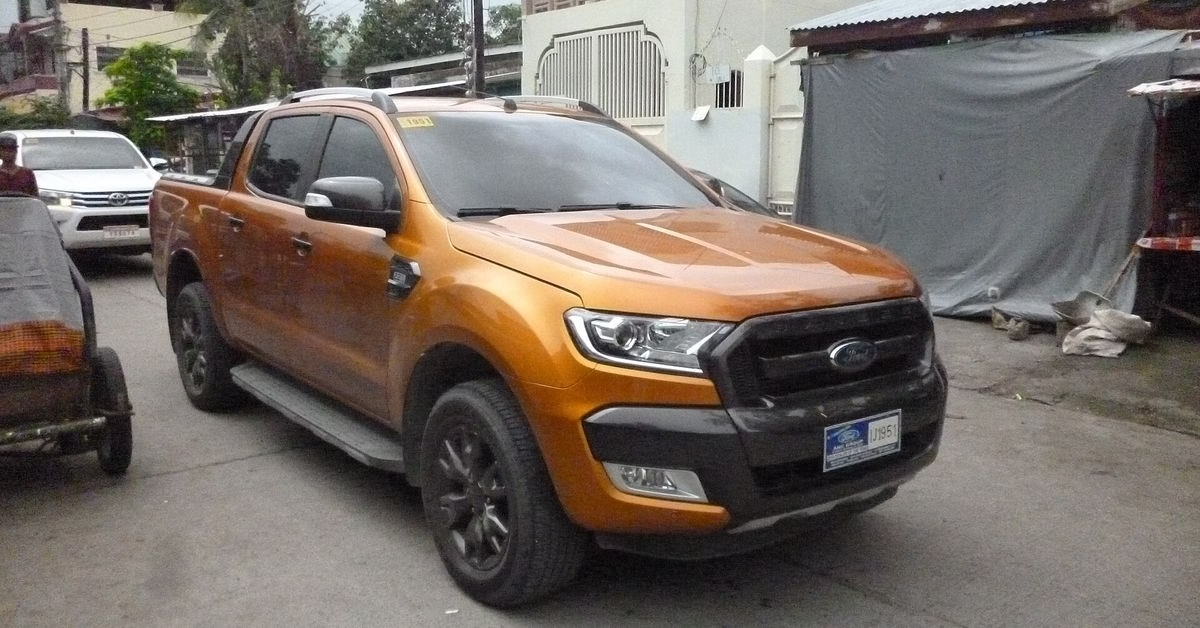
The 2.2 is the four-cylinder sibling of the 3.2, and the two share more than their badges suggest. The gearboxes behind them, a six-speed manual and the six-speed 6R80 automatic, have their own habits too.
Where the 2.2 Differs
The 2.2 uses the same style of EGR cooler, so the coolant checks above apply in full. It also used a vane-type oil pump that caused trouble for some owners, so the careful oil-change routine is worth following on a 2.2 as well. It works less hard than the 3.2 in a fully loaded truck, which helps, but a 2.2 that has spent its life towing at its limit will have aged faster than the odometer suggests.
The 6R80 Automatic
The six-speed automatic is tough when its fluid is fresh and cool, and much less so when it isn’t. Its fluid is often treated as lifetime fill, and specialists who rebuild them recommend changing it far sooner, especially on trucks that tow. Watch for slow, lazy upshifts, clunks and erratic shifting, which can point to old fluid, a failed output speed sensor or a faulty lead frame inside the box. In mid-2014 Ford also issued a service bulletin for a growl from some 6R80s when shifting from park into drive or reverse.
One fault deserves special attention. The factory transmission cooler shares a unit with the engine coolant, and if it fails internally the two fluids mix. That can wreck the gearbox quickly. Milky or pink-tinged coolant, or gearbox fluid that looks like a strawberry milkshake, is a reason to walk away.
Manual Trucks: Clutch and Flywheel
Manual PX Rangers use a dual-mass flywheel, which smooths out the diesel’s vibration but wears the clutch faster under heavy loads. A judder when pulling away or a stiff shift from first to second are the usual signs. The fix is a new clutch and often a new flywheel, and many owners switch to a solid flywheel at that point.
The 2.0 Bi-Turbo and the 10-Speed
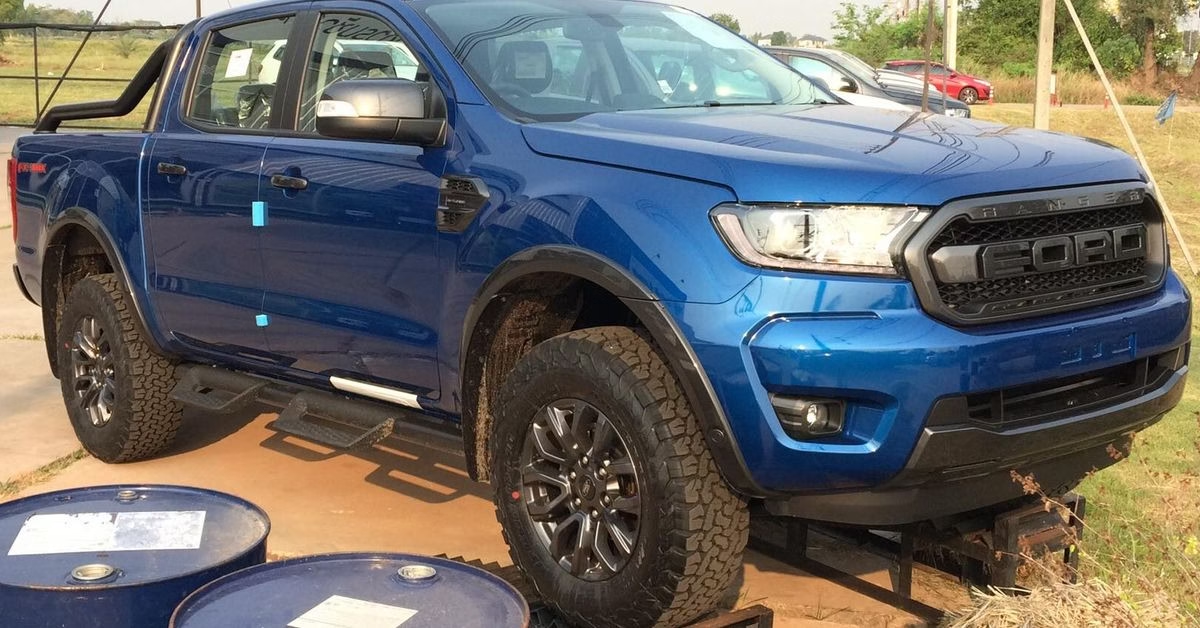
From the 2018 PX3 update, Ford added a 2.0-litre twin-turbo four-cylinder paired with a 10-speed automatic co-developed with GM. It’s quicker and smoother than the 3.2, and so far it hasn’t built the five-cylinder’s reputation for oil pump and EGR trouble. It also has fewer years and kilometres behind it, so the record is shorter. The gearbox is where the paperwork matters.
The Pump-Gear Recall, and Its Sequel
In June 2020, Ford Australia recalled 15,924 Rangers and 5,044 Everests because the 10-speed’s fluid pump gears could fail while driving. That drops hydraulic pressure in the gearbox and can leave the truck without drive, although Ford said steering, brakes and the other safety systems keep working. The Australian campaigns, 20S10 and 20S11, cover PX Rangers built from 19 December 2017 to 15 October 2019. South Africa followed with its own recall in 2026 for 2017 to 2020 model-year trucks sold there and in Botswana, Lesotho and eSwatini.
The fix didn’t always stick. Australia issued a follow-up for some 2019 and 2020 trucks over a software issue, and a 2026 UK notice says the original software repair may not have been delivered properly on some vehicles. So a stamp in the service book isn’t enough. Check the VIN against both the original and any follow-up campaign before you buy.
Shift Quality
Beyond the recall, the most common complaint about the 10-speed is the way it shifts: harsh changes from first to second, hunting between gears and unexpected downshifts. Ford has issued service bulletins and software updates for this in several markets, so a truck that shifts badly may only need an update and a fluid service. One that slips, flares or has burnt-smelling fluid needs a specialist’s opinion before you go further.
The US Ranger, 2019 to 2023
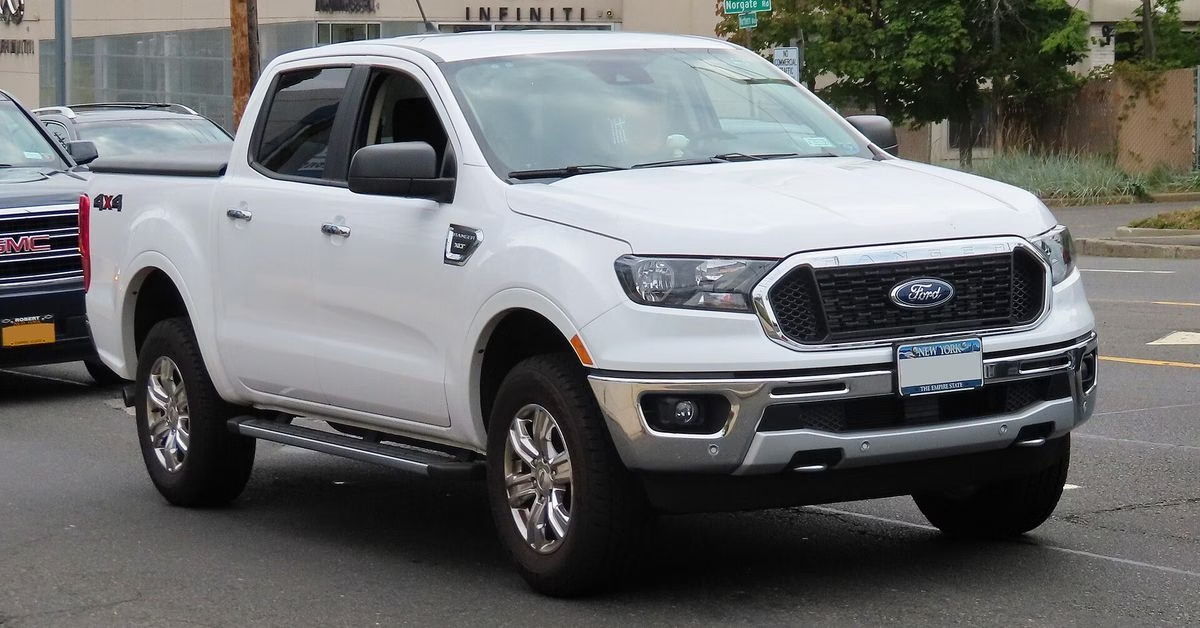
The Ranger returned to the US for 2019 as a version of the global T6 truck, with a 2.3-litre EcoBoost petrol engine and the same 10-speed automatic. It’s a different proposition from the diesel trucks above, and from the older compact Ranger that was sold in the US until 2011, which is a separate truck altogether.
Its first recall came early. NHTSA campaign 19V-071 covered 2,992 2019 Rangers built from June 2018 to January 2019 that could be shifted out of park without pressing the brake. Ford also issued service bulletins for harsh shifting and warning lights on the 10-speed in 2019 to 2021 Rangers, and some early 2019 trucks were held for an inspection of the 2.3’s balance shaft and oil pump assembly. The gearbox makes up a large share of owner complaints filed with NHTSA for the 2019 truck, so test-drive one properly, from cold, before you commit.
The Current Ranger: Early Recalls
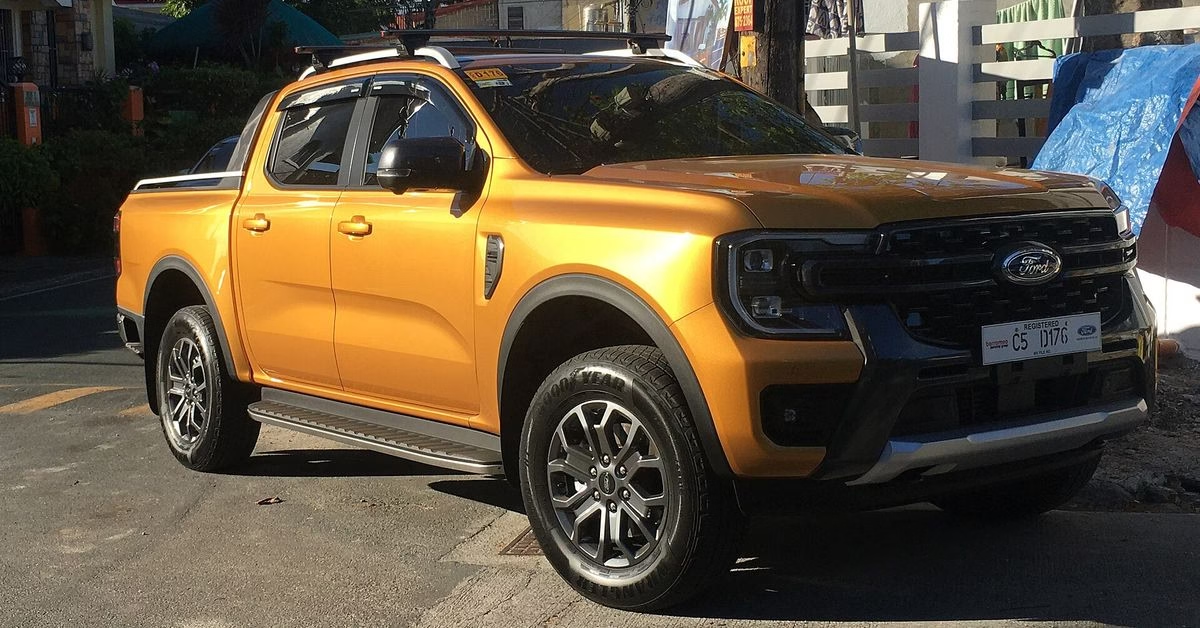
The current Ranger arrived in 2022 with a 3.0-litre V6 diesel at the top of the range, and it has been a sales hit. Its record so far is a mix of software fixes and one serious engine recall, so it isn’t yet the safe default its popularity suggests.
Ford Australia recalled 13,490 Rangers and Everests from the 2022 to 2025 model years with the V6 diesel over a possible camshaft defect that could lead to engine failure. Other recalls covered driver’s seatbelts that could be assembled incorrectly on 1,380 vehicles built in 2022, and a software fault that could stop the truck suddenly at low speed without the brake lights coming on. That last one had a second round in 2026 for trucks the first campaign missed. Early owners also reported driveline vibration, and by January 2023 Ford said it had replaced nine Rangers in Australia where repairs couldn’t be resolved.
None of this rules the current truck out. It means a used one needs its recall history checked as carefully as a PX does, and that long-term reliability data simply doesn’t exist yet.
Recalls to Check by VIN
Recall numbers and build dates differ by market, so treat this as a starting list, not a complete one. These are the campaigns most likely to matter on a used truck. Run the VIN through Ford, the NHTSA recall lookup for US trucks, or Australia’s government recall register for Australian ones.
| Campaign | Trucks affected | Problem |
|---|---|---|
| 20S10 and 20S11 (Australia) | PX built 19 Dec 2017 to 15 Oct 2019 | 10-speed pump gears can fail, loss of drive |
| 25SE3 (Australia) | Some 2019 and 2020 model-year trucks with the 10-speed | Software issue, same pump gear risk |
| 17S43 (Australia) | PX sold Jul 2016 to Apr 2018 | Grass can gather near the exhaust and catch fire |
| 18S06 (Australia) | PX built May 2011 to May 2015 | Door latch spring can break |
| 19S12 (Australia) | PX built Mar 2016 to Jul 2018 | Twisted front brake hose can wear through |
| 23S40 (Australia) | 2021 and 2022 PX | Can shift into park below 6 km/h if the battery runs low |
| 24E02 (Australia) | 2021 and 2022 PX | Excess soot and frequent DPF regenerations |
| 19V-071 (US) | 2019 Rangers built Jun 2018 to Jan 2019 | Can shift out of park without the brake pressed |
The 24E02 campaign is a reminder that DPF trouble isn’t unique to Ford. Toyota’s Hilux had its own long run of DPF complaints on the 1GD, so judge any modern diesel by how it has been driven, not just by its badge.
What to Check Before You Buy
Most of the expensive faults above give some warning, and a careful hour with the truck will catch the majority of them. Bring a mechanic who knows Rangers if you can, and go through this list.
- Service history: regular oil changes from a workshop that knows the 3.2’s oil pump, plus any record of an EGR cooler, injectors or gearbox fluid.
- Coolant: the level, the colour and any sign of oil or gearbox fluid in it. Ask for a pressure test.
- Cold start: the oil light should go out within a few seconds, with no rattle or uneven idle that points to injectors.
- Diagnostic scan: stored codes for the gearbox, sensors or DPF. If a seller wants to fix them later, don’t pay a deposit until they’re fixed and checked again.
- Recall paperwork: for any 10-speed truck, proof of the pump gear campaign and any follow-up, matched to the VIN.
- Test drive: long enough to get fully warm, with a hill, a motorway run and some stop-start traffic, watching for slow, harsh or hunting shifts.
- Modifications: a lift of more than about 50 mm puts extra strain on the front CV joints and the centre bearing, and a remapped engine works its turbo and injectors harder.
Buying a Ranger in Kenya
Kenya’s 8-year rule changes which Rangers you can import. From 1 January 2026, an imported vehicle has to be right-hand drive and first registered in 2019 or later, which rules out every PX and PX2 and leaves only late PX3s and the current truck. Most of those will have the 2.0 bi-turbo and the 10-speed, or a 3.2 with the six-speed, and the ones from South Africa may be covered by that country’s 2026 gearbox recall. Older PX Rangers on Kenyan roads are locally registered trucks, and their service history is often the hardest thing to establish.
Fuel quality matters more here than the spec sheet suggests. Kenya’s diesel standard is 10 ppm sulphur, but a waiver has allowed up to 50 ppm since May 2026, and water in the fuel is a bigger risk to injectors than sulphur. Keep the factory filter fresh and drain the water separator often. Ford’s Kenyan distributor sells the current Ranger, but fewer independent workshops are confident with the 3.2, the bi-turbo or the 10-speed, so find one before you buy. If you’re still deciding between trucks, a used Ranger looks different next to a Hilux once running costs come in.
Frequently Asked Questions (FAQ)
Which faults are most common on a used Ranger?
On diesel PX Rangers, the common problems are a leaking EGR cooler, an oil pump that can lose its prime after a careless oil change, leaking injectors on the 3.2, split intercooler hoses and sensor faults. On 2018 and later trucks with the 10-speed automatic, the gearbox pump gear recall and harsh shifting are the main issues.
What are the Ford Ranger 3.2 problems to watch for?
The main Ford Ranger 3.2 problems are the variable-flow oil pump, which can lose its prime if oil drains too long during a service, an EGR cooler that can split and leak coolant, injectors that can leak from around 70,000 km, and split intercooler hoses. All of them are manageable with good servicing and a weekly coolant check.
Is the 2.0 bi-turbo Ranger reliable?
The engine itself has a shorter record than the 3.2 and hasn’t built the same reputation for oil pump or EGR failures. Most reported Ford Ranger 2.0 bi turbo problems involve the 10-speed automatic behind it, including a recall for pump gears that could fail, so check the recall work by VIN.
Is a 2019 Ford Ranger a good used buy?
It can be, but the 2019 Ford Ranger common problems depend on where it was sold. A US 2019 Ranger has the 2.3 EcoBoost and had early recalls and gearbox complaints, while a 2019 PX3 elsewhere may need its 10-speed pump gear recall confirmed. Either way, a full service history and a long test drive matter more than the year.
Can I import a used Ford Ranger into Kenya?
Yes, if it is right-hand drive and was first registered in 2019 or later, under the rule in force from 1 January 2026. That means a late PX3 or the current Ranger. Check every recall by VIN before you pay, including South Africa’s 2026 gearbox recall if the truck comes from there.
A Good Ranger Is a Documented One
The Ranger’s faults are well known, which is good news for buyers. A PX with a replaced EGR cooler, careful oil changes and clean injectors is a strong truck, and a 10-speed with its recall work done and fresh fluid is a pleasant one to drive. The trucks to avoid are the ones with no paper trail, because the repairs that history would have shown you are exactly the expensive ones. Buy the records first and the truck second.