

Most drivers never think about brake fade until it is already happening. That unsettling moment when you press the pedal and the car just keeps going, long past where it should have stopped. Brake fade is a gradual loss of stopping power caused by heat buildup in the braking system, and it is more common than most people realize.
It is not just a track-day problem; it can strike on any sustained descent, during heavy towing, or after repeated hard stops. Understanding what causes it, how to recognize the early warning signs, and what you can do to prevent it could genuinely make a difference in a critical moment. If you have ever wondered how brakes actually fail under pressure, this guide covers everything.
Table of Contents
What Is Brake Fade?
Brake fade is the temporary loss of braking effectiveness that occurs when components in your braking system get too hot. Every time you press the brake pedal, friction between the pads and rotors converts your car’s kinetic energy into heat. Under normal driving conditions, your brakes dissipate that heat quickly enough to keep working properly. When heat builds up faster than it can escape, the system starts to break down.
This is not a niche motorsport concern. On a long mountain descent, in stop-and-go traffic while towing a trailer, or even after several emergency stops in quick succession, everyday drivers can encounter genuine brake fade. The physics are simple: heat in, not enough heat out.
The Three Types of Brake Fade
Not all brake fade feels the same, and knowing the differences helps you respond correctly.
| Type | What Causes It | Pedal Feel |
|---|---|---|
| Pad Fade | Resin in pads vaporizes at high temp | Firm but weak |
| Fluid Fade | Brake fluid boils; gas enters lines | Soft / spongy |
| Green Fade | New pads not yet bedded in | Inconsistent |
Pad Fade (Friction Fade)
This is the most common type. When brake pads reach extreme temperatures, the binding resin in the pad material begins to vaporize. The resulting gas forms a thin film between the pad and the rotor, dramatically reducing the friction your brakes rely on. The pedal still feels firm, but the car takes noticeably longer to stop. Standard semi-metallic pads can begin showing pad fade around 570°F (300°C). Higher-grade ceramic and carbon-metallic pads handle significantly more heat before fading sets in.
Fluid Fade
If heat transfers from the rotors and calipers into the brake fluid itself, the fluid can reach its boiling point. Once brake fluid boils, it converts to gas, and unlike liquid, gas is compressible. The result is a pedal that sinks deeper and deeper before doing anything useful, or in severe cases, one that goes nearly to the floor. This is the most alarming type of fade to experience at speed, and it is directly tied to the condition of your brake fluid.
Green Fade (New Brake Break-In Fade)
This one catches first-time brake job owners off guard. Fresh brake pads need a bedding-in process to perform properly. During the first few hundred miles after installation, off-gassing from the new pad material can cause a mild version of friction fade. It is normal, not a defect, and it resolves once the pads are properly broken in through a series of progressive stops.
What Causes Brake Fade?
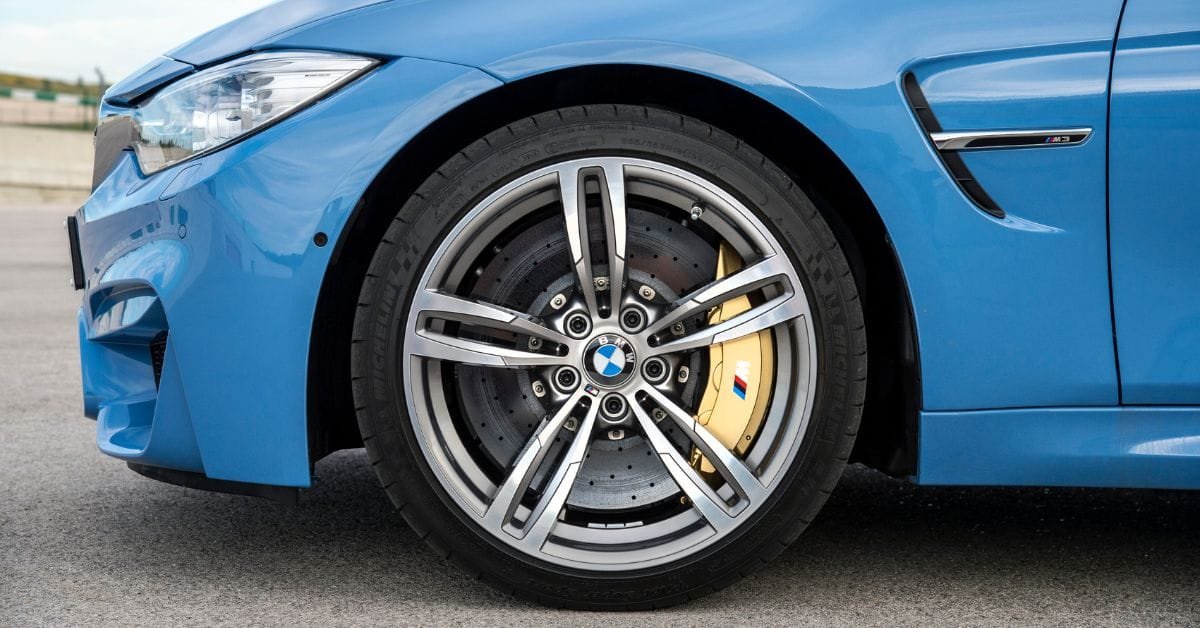
Heat is the root cause every time. These are the most common situations where heat builds up faster than your brakes can handle:
Long descents. When you ride the brakes down a steep hill for an extended stretch, you are continuously generating heat with no opportunity for the system to cool between applications. This is where a lot of everyday drivers first encounter brake fade, particularly on unfamiliar mountain roads.
Repeated hard stops. If you are doing high-speed stop-and-go driving, such as on a busy mountain highway or a winding entrance ramp, the brakes never fully recover between applications. Each stop starts at a higher baseline temperature than the one before.
Heavy loads and towing. The more weight your vehicle is carrying, the more energy your brakes must convert into heat with every stop. Towing a trailer, boat, or camper on a downhill grade is one of the most reliable recipes for brake fade.
Old or contaminated brake fluid. Brake fluid absorbs moisture from the atmosphere over time, even in a sealed system. Water in the fluid dramatically lowers its boiling point, making the fluid fade far more likely under moderate use. According to the Car Care Council, brake fluid should be inspected at least once a year and typically replaced every two to three years.
Worn or low-grade pads. Thinner pads have less material to absorb and dissipate heat. Budget pads also tend to have lower temperature ratings than premium alternatives, meaning fade can set in under conditions that better pads would handle without issue.
Warning Signs You’re Experiencing Brake Fade
Catching brake fade early gives you time to respond safely. These are the signals to pay attention to:
The pedal feels longer. You press the brake and notice you have to push further than usual before the car responds—an early sign of pad or fluid fade.
Reduced deceleration. The car slows, but without the urgency you expect. You are pressing harder and getting proportionally less in return.
A burning smell. Overheated brake pads produce a sharp, acrid, chemical odor. If you catch this mid-descent, do not dismiss it.
A soft or spongy pedal. The classic indicator of fluid fade. When the pedal feels soft or sinks toward the floor, the fluid may be boiling.
How to Prevent Brake Fade
Prevention is far easier than managing brake fade mid-drive. Most of it comes down to technique, awareness, and basic maintenance.
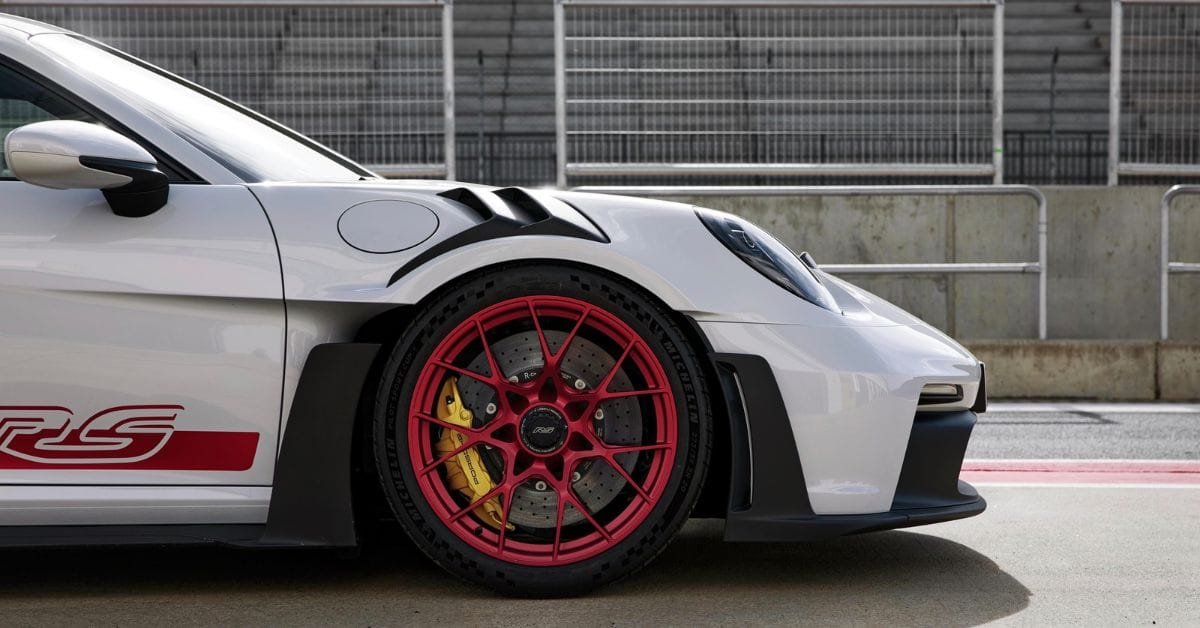
Use Engine Braking on Descents
This is the single most effective technique for controlling brake temperatures on long downhill grades. Instead of holding the brake pedal down continuously, shift into a lower gear and let the engine’s resistance help manage your speed. For those of us driving automatics, most modern transmissions have a Low or Sport mode designed for exactly this purpose. If your car has paddle shifters, downshifting before you start a descent is even more effective. The goal is to arrive at the bottom of a grade with brakes that have barely been used.
Brake Firmly and Intermittently, Not Lightly and Continuously
This is the point most people get backwards. Riding the brake pedal lightly and continuously generates constant heat while actually providing less stopping force. Instead, apply the brakes with firm, deliberate pressure for a few seconds, release completely, coast, and then reapply as needed. That cycle gives the system a chance to dissipate heat between applications, which makes a significant difference over a long descent.
Keep Your Brake Fluid Fresh
Because brake fluid is hygroscopic (meaning it absorbs moisture from the air), it degrades even if you never have a brake problem. Have it tested or replaced on the manufacturer’s recommended schedule, typically every two years or 30,000 miles. Before any mountain road trip or heavy towing run, have the fluid checked. Upgrading from DOT 3 to DOT 4 or DOT 5.1 fluid gives you a meaningfully higher boiling point and more thermal headroom before fluid fade becomes a risk.
Choose Pads That Match Your Driving
The pads that came on your car from the factory are engineered for everyday street driving. For most of us, those are perfectly adequate. But if you regularly tow heavy loads, drive mountain roads, or put your car through demanding stop-and-go conditions, pads with a higher temperature rating are worth considering. Our guide to changing brake pads on a Toyota Corolla walks through what to look for when selecting pads; the same selection logic applies across most makes and models.
Do Not Overload Your Vehicle
Every extra pound increases the kinetic energy your brakes have to manage on every stop. If you are planning a long drive with a heavy load or towing near capacity, be more conservative with your braking throughout the trip, and more deliberate about engine braking on any grades.
- Downshift immediately. Drop into a lower gear to engage engine braking and take load off the brakes.
- Brake intermittently. Apply firm pressure, release, coast, repeat. Do not hold the pedal down.
- If the pedal goes soft, pump it. Pumping can temporarily rebuild pressure with fluid fade.
- Pull over as soon as it is safe. Even ten minutes of cooling time can substantially restore braking performance.
- Do not cool the rotors with water. A sudden temperature change can warp the discs.
- Have the system inspected before continuing if fade was severe or the pedal felt spongy.
Regular Maintenance Is the Best Prevention

Brake fade rarely happens in a properly maintained braking system under normal driving conditions. Keeping your brake pads at a healthy thickness, your fluid fresh, and your rotors in good shape keeps you well ahead of the risk. For hybrid owners, the calculus is a little different: regenerative braking systems reduce how often the friction brakes are used, which can actually cause brake fluid to degrade faster than pad wear would suggest. Our piece on how often to service a hybrid car covers those nuances and what to watch for.
An annual brake inspection and fresh fluid every two years costs a fraction of what a brake fade incident can. Your braking system is not the place to defer maintenance; treat it like the safety-critical system it is, and brake fade becomes a problem you read about rather than one you experience.