
Few engines feel as effortless as a big diesel V8. Twin turbos, torque from tickover and a range of 1,000 km on a tank made these engines the flagships of the 2000s and 2010s, and then emissions rules killed almost all of them. That leaves the used market, where a V8 diesel SUV can be the best long-distance tool you ever own or a financial sinkhole. We’ve ranked 12 of them on three things: the faults owners and specialists keep reporting, what parts and repairs cost, and how well each copes with rough roads and long distances. The countdown runs from the riskiest buy to the safest.
Table of Contents
The Ranking at a Glance
Here’s the whole list before we get into each one. The ratings compare these SUVs with each other, and the countdown ends on the safest buy. Two entries, the Ford Excursions, were only ever sold in North America, which matters if you’re shopping anywhere else.
| Rank | SUV | Known faults | Parts and repair cost | Rough-road fit |
|---|---|---|---|---|
| 12 | Bentley Bentayga Diesel | Medium | Extreme | Low |
| 11 | Audi SQ7 TDI | High | High | Low |
| 10 | Mercedes-Benz ML and GL 420 CDI | High | High | Medium |
| 9 | Ford Excursion 6.0 Power Stroke | High | Medium | Medium |
| 8 | Range Rover 3.6 TDV8 | Medium | High | Medium |
| 7 | Audi Q7 4.2 TDI | Medium | High | Medium |
| 6 | Porsche Cayenne S Diesel | Low | High | Medium |
| 5 | Volkswagen Touareg V8 TDI | Medium | Medium | Medium |
| 4 | Range Rover 4.4 TDV8 and SDV8 | Low | High | High |
| 3 | Ford Excursion 7.3 Power Stroke | Low | Low | Medium |
| 2 | Toyota Land Cruiser 200 and Lexus LX 450d | Medium | Medium | High |
| 1 | Toyota Land Cruiser 70 V8 | Low | Low | High |
12. Bentley Bentayga Diesel
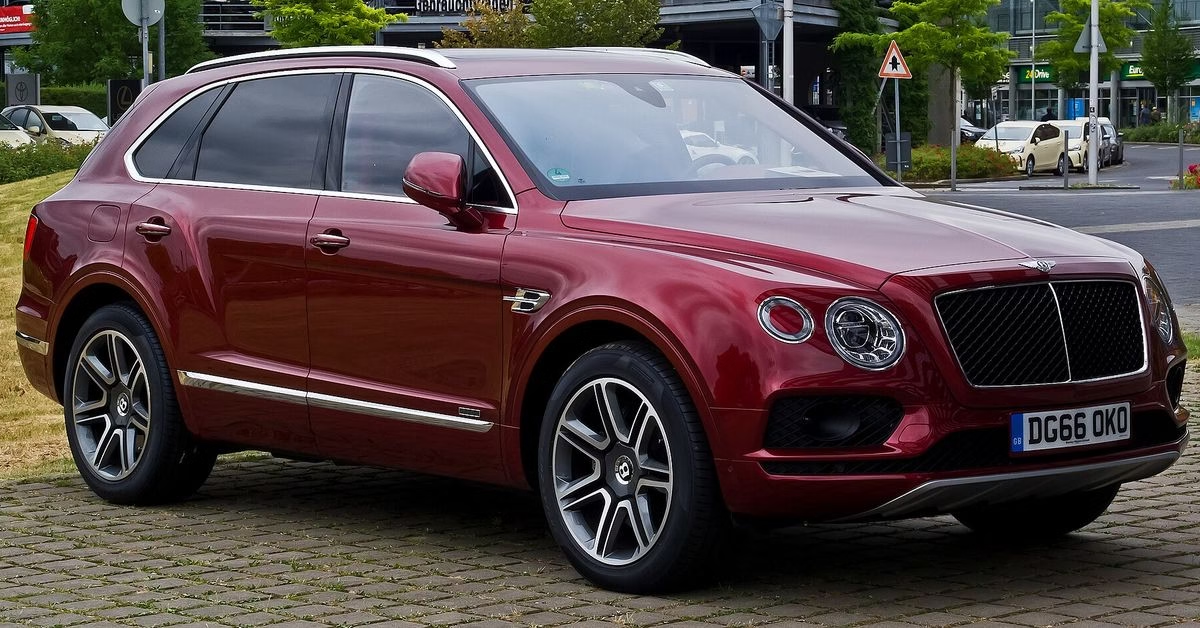
| Years | 2016–2018 in Europe; longer in some other markets |
| Engine | 4.0-litre twin-turbo V8 diesel with an electric compressor |
| Output | About 435 PS and 900 Nm |
| Biggest risk | Bentley parts prices on complex hardware |
The Bentayga Diesel was Bentley’s first diesel car, launched in late 2016 with the same advanced 4.0-litre V8 that later went into the Audi SQ7. It didn’t last long in Europe. Bentley pulled it from sale there in 2018, citing changing laws, the shift in public attitudes against diesel and its plans for electrification, though it stayed on sale in 13 other markets, including South Africa and Australia.
It sits at the bottom of this list not because the engine is weak but because everything around it is expensive. The V8 shares its electric compressor, twin turbos and complex emissions hardware with the SQ7, but every part comes through a Bentley dealer at Bentley prices. Air suspension, adaptive anti-roll systems and a cabin full of electronics add more to go wrong.
Depreciation makes the buy-in look tempting. The running costs don’t fall with it. Buy one only with a full Bentley service history and, ideally, a warranty, and treat it as a luxury tourer for good roads rather than a tool for rough ones.
11. Audi SQ7 TDI
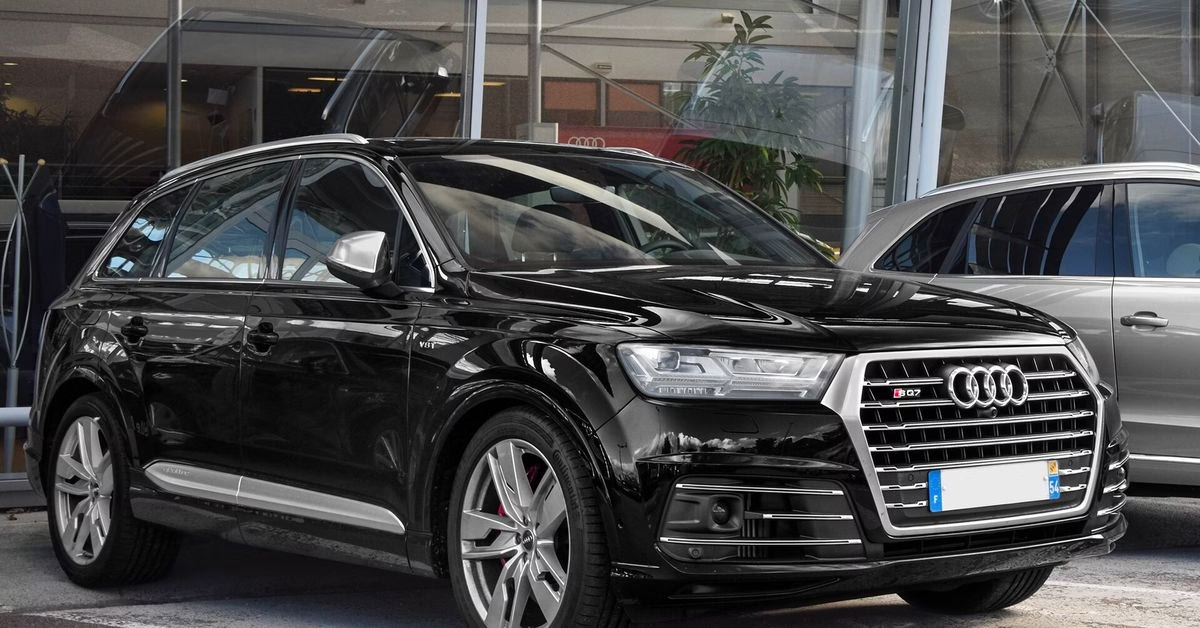
| Years | 2016–2020 |
| Engine | 4.0-litre twin-turbo V8 diesel with a 48-volt electric compressor |
| Output | About 435 PS and 900 Nm |
| Biggest risk | Electric compressor and doubled emissions hardware |
The SQ7 is the most technically ambitious diesel on this list. Its 4.0-litre V8 uses two turbochargers plus an electrically driven compressor, powered by a 48-volt system and a lithium-ion battery under the boot floor, to kill turbo lag. The result is brutal performance for a seven-seat SUV, with 0 to 100 km/h in under five seconds.
All that hardware is also the problem. The electric compressor can fail, causing poor pull-away and stop-start faults, and a UK specialist guide put a replacement at about £2,277 in 2023. There are two EGR systems and two diesel particulate filters, oil can be diluted by diesel during filter regeneration, and air suspension compressors fail on later cars. Owners so far report the car as reasonably reliable, but nobody yet knows what a high-mileage SQ7 costs to keep alive.
Audi replaced the diesel with a petrol V8 in 2020, so the SQ7 TDI is now a used-only buy. If you want one, buy late, buy with history and keep a warranty in place for as long as you own it.
10. Mercedes-Benz ML and GL 420 CDI
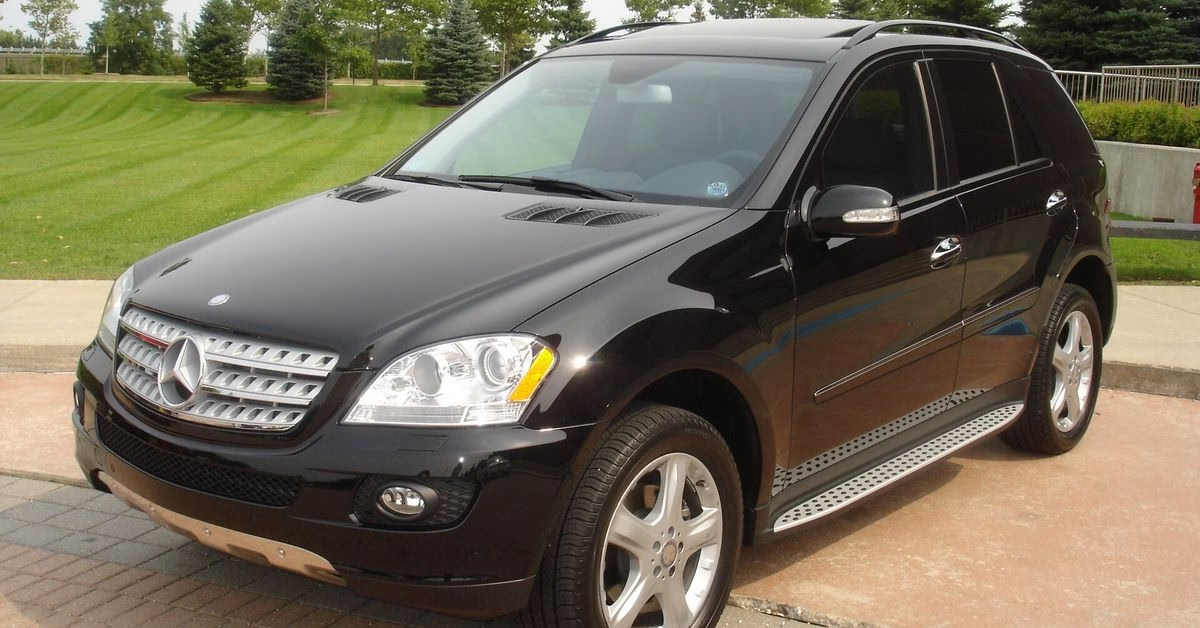
| Years | 2006–2010 (420 CDI, then 450 CDI) |
| Engine | 4.0-litre twin-turbo V8 diesel (OM629) |
| Output | 306–320 PS and 700–730 Nm |
| Biggest risk | Intake sludging that needs the engine out to fix |
Mercedes fitted its OM629 V8 diesel to the ML and the seven-seat GL as the 420 CDI from 2006, renaming it the 450 CDI for 2009 and 2010. It’s a smooth, strong engine with a 75-degree V-angle, a balancer shaft and variable-geometry turbos, and a well-kept example covers huge distances. One UK owner reported needing only about 1.5 litres of top-up oil in 30,000 miles at 175,000 miles.
The trouble is what happens when one isn’t driven hard enough. Specialists warn that the inlet tracts are prone to sludging on cars that don’t get regular long runs, and the fix is expensive because the engine has to come out. There are two EGR valves, both common failures, and the V8’s torque can stretch the transfer-box chain, which shows up as a machine-gun rattle when pulling away. Gearbox control units commonly fail past 100,000 miles, and the air suspension is another known weak point.
The counterintuitive advice is that a higher-mileage car can be the safer buy, because its intake problems may already have been dealt with. Ask for proof, and listen for that transfer-box rattle on the test drive.
9. Ford Excursion 6.0 Power Stroke
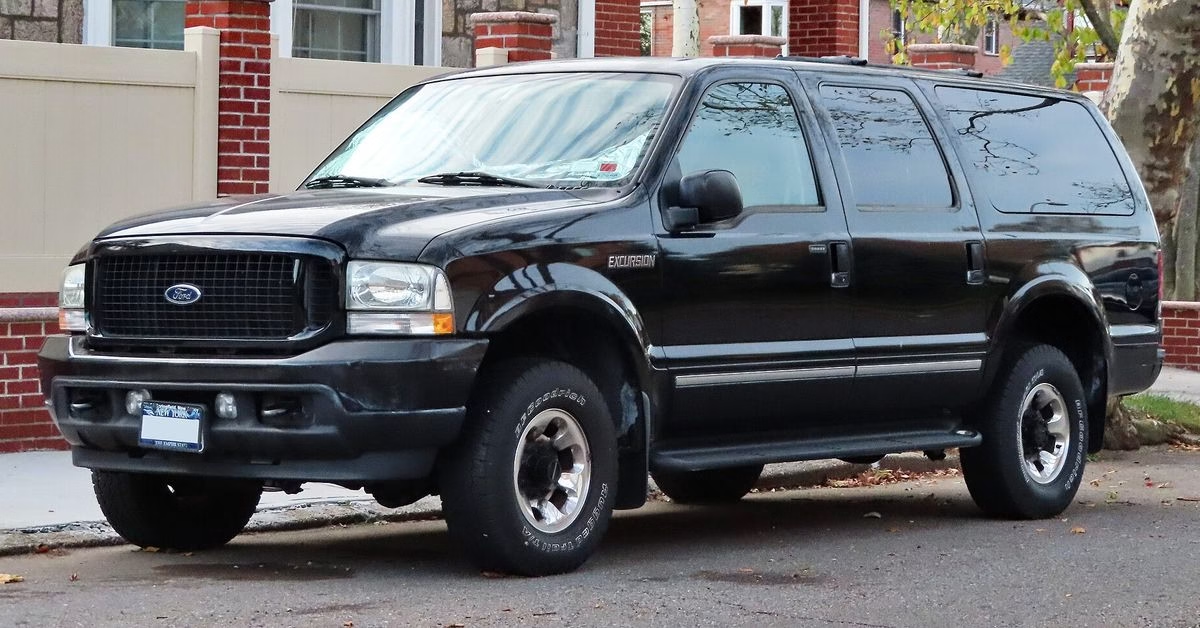
| Years | 2003.5–2005 (sold only in North America) |
| Engine | 6.0-litre turbo V8 diesel |
| Output | About 325 hp |
| Biggest risk | Head gaskets, EGR cooler and oil cooler failures |
The Excursion was the biggest SUV Ford ever built, sold in the US, Canada and Mexico from 2000 to 2005, and it shows up twice on this list because the engine under the bonnet changes everything. In 2003.5, Ford swapped the 7.3-litre Power Stroke for a new 6.0-litre V8, and the 6.0 earned one of the worst reputations of any modern diesel.
The failures are well documented. EGR coolers crack from constant exposure to hot exhaust gas, the oil cooler clogs and raises oil temperatures, which damages the injectors and high-pressure oil pump, and the stock head bolts stretch, especially on tuned engines, blowing head gaskets. The 6.0 uses four head bolts per cylinder against the 7.3’s six. The injection control module is sensitive to voltage, so a weak battery can kill it.
There’s a well-known way out. A “bulletproofed” 6.0, with head studs, upgraded coolers and the other common fixes done, can be dependable, and later trucks fixed many early flaws. Without receipts for that work, price the truck as if you’ll be paying for it yourself.
8. Range Rover 3.6 TDV8
| Years | 2006–2010 (Range Rover and Range Rover Sport) |
| Engine | 3.6-litre twin-turbo V8 diesel |
| Output | 272 PS and 640 Nm |
| Biggest risk | Age: turbos, air suspension and electrics |
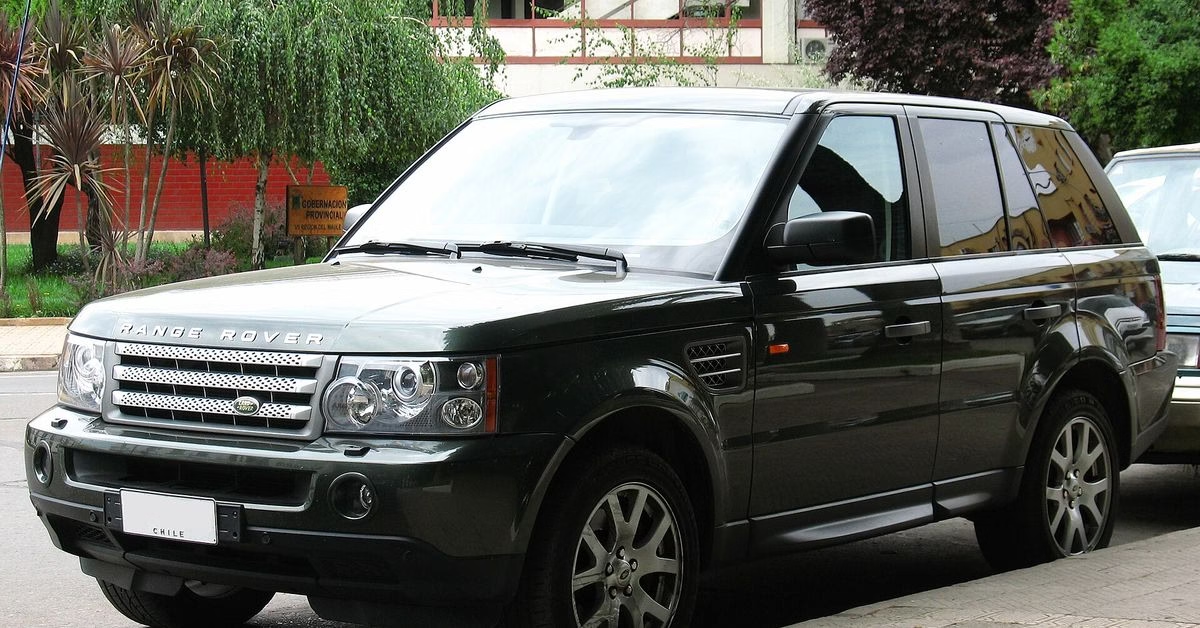
The 3.6 TDV8 arrived in 2006 and gave the Range Rover and Range Rover Sport the torque their size demanded. It was a big step up from the old six-cylinder diesels, and it’s now the cheapest way into a V8 diesel Range Rover.
Owners’ experience of the engine itself is mostly good, with plenty of cars past 250,000 km on their original V8. The reported problems are turbo failures, often linked by owners to neglected oil changes, and occasional bottom-end bearing failures on high-mileage cars run on long service intervals. The bigger risk is everything else on a 15- to 20-year-old Range Rover: air suspension, electrics and the costs that come with any complex luxury SUV of that age.
Keep oil changes short, with some owners changing oil every 10,000 to 13,000 km rather than waiting for the long factory interval, and budget for suspension work. One owner who suffered a bearing failure found a dealer short engine quoted at many times the cost of a specialist rebuild, so find a good independent before you need one.
7. Audi Q7 4.2 TDI
| Years | 2007–2015 (first-generation Q7) |
| Engine | 4.2-litre twin-turbo V8 diesel |
| Output | 326–340 PS and 760–800 Nm |
| Biggest risk | Timing chain wear and air suspension |
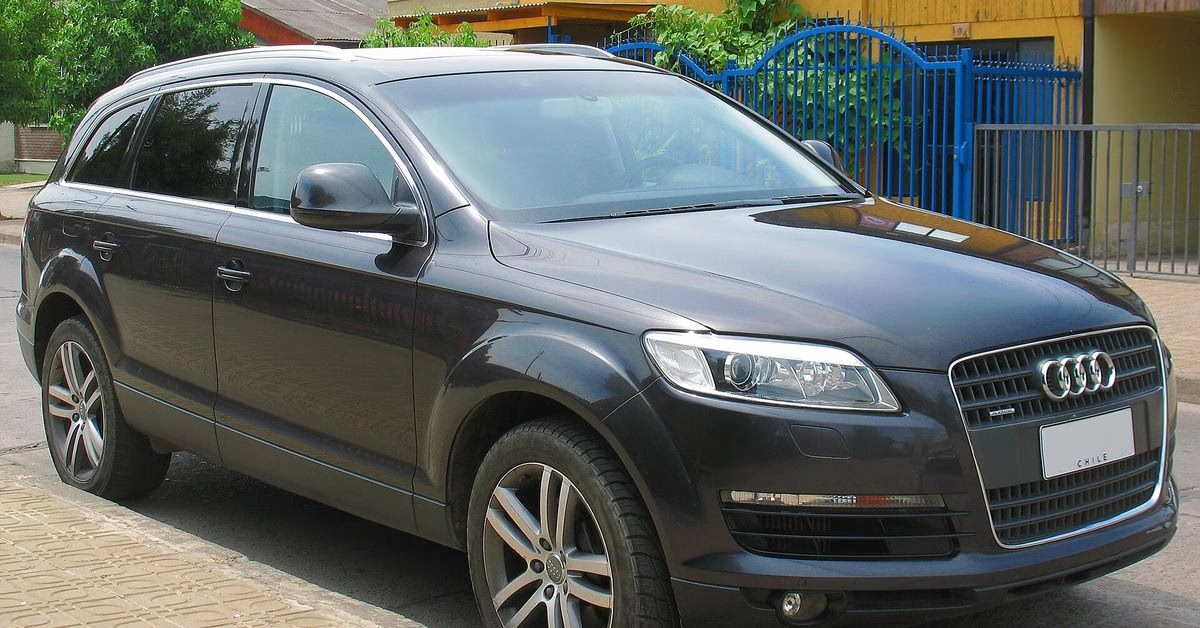
The first-generation Q7 with the 4.2 TDI was one of the most effortless family SUVs of its time: seven seats, quattro, and a V8 diesel that could tow and cruise without strain. It’s the same engine family that went on to power the Cayenne S Diesel and the Touareg V8 TDI, and it’s now cheap to buy.
Its weak spots are well known among specialists. The timing chain tensioners wear, which shows up as a rattle on start-up, and replacing a timing chain on this engine is a big, costly job. Injectors dislike poor fuel, the EGR valve clogs on cars used for short trips, and the DPF needs regular highway runs to regenerate. Like most big luxury SUVs of the era, the Q7 also has air suspension that sags and compressors that wear out.
Listen for chain rattle on a cold start, look for DPF and EGR warning history, and check that the car sits level after being parked overnight. A well-maintained example is a lot of car for the money; a neglected one quickly isn’t.

6. Porsche Cayenne S Diesel
| Years | 2013–2018 (second-generation Cayenne) |
| Engine | 4.2-litre twin-turbo V8 diesel |
| Output | About 382 PS and 850 Nm |
| Biggest risk | Porsche running costs and air suspension |
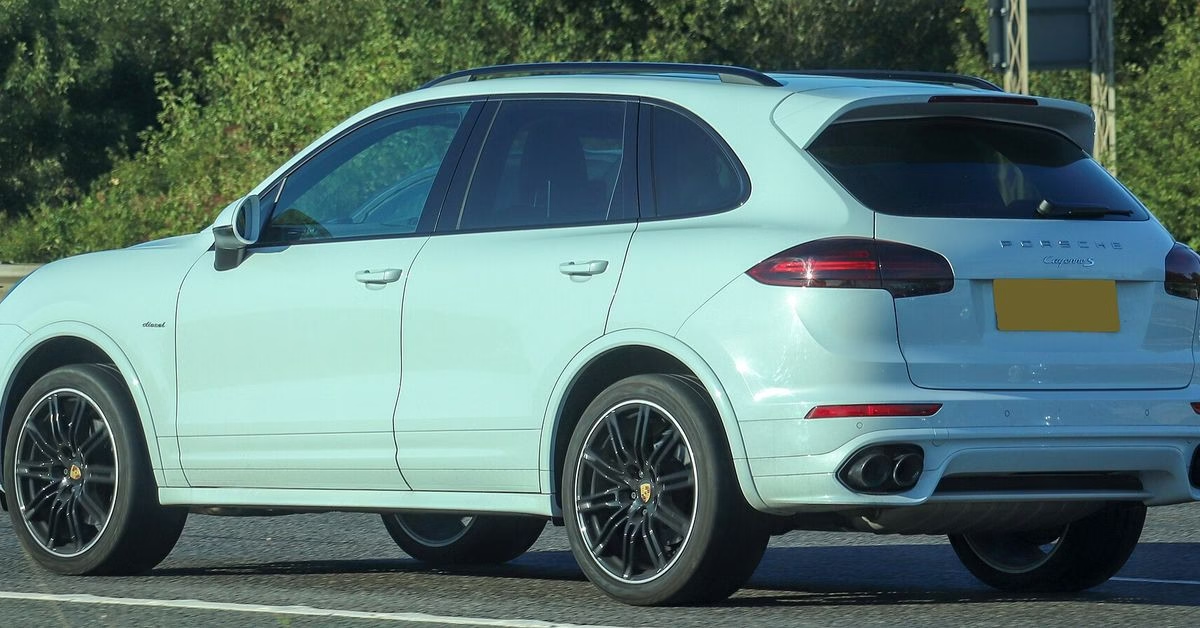
Porsche announced the Cayenne S Diesel in September 2012 and put it on sale in early 2013, using the latest version of the Audi-developed 4.2 V8 diesel. With 850 Nm, it was the torquiest Cayenne of its day, and it pairs that with the sharpest chassis of any SUV on this list.
Owner data on this specific engine is thin but encouraging. A French owner survey logged no timing chain, EGR or oil consumption complaints, with single reports scattered across the gearbox, the DPF and the injection system. The same survey called the engine excellent and its weight the main drawback, and recommended air suspension to keep the chassis from being overstressed.
So why only sixth? Because it’s still a Porsche to maintain. Brakes, tyres, suspension and servicing cost more than on the Touareg that shares much of its engineering, and air suspension adds another expensive system to age. It ranks above the Q7 because its later engine has a cleaner record.
5. Volkswagen Touareg V8 TDI
| Years | 2010–2018 (4.2); 2019–2020 (4.0) |
| Engine | 4.2-litre or 4.0-litre twin-turbo V8 diesel |
| Output | 340 PS and 800 Nm (4.2); 421 PS and 900 Nm (4.0) |
| Biggest risk | Timing chain past about 250,000 km |
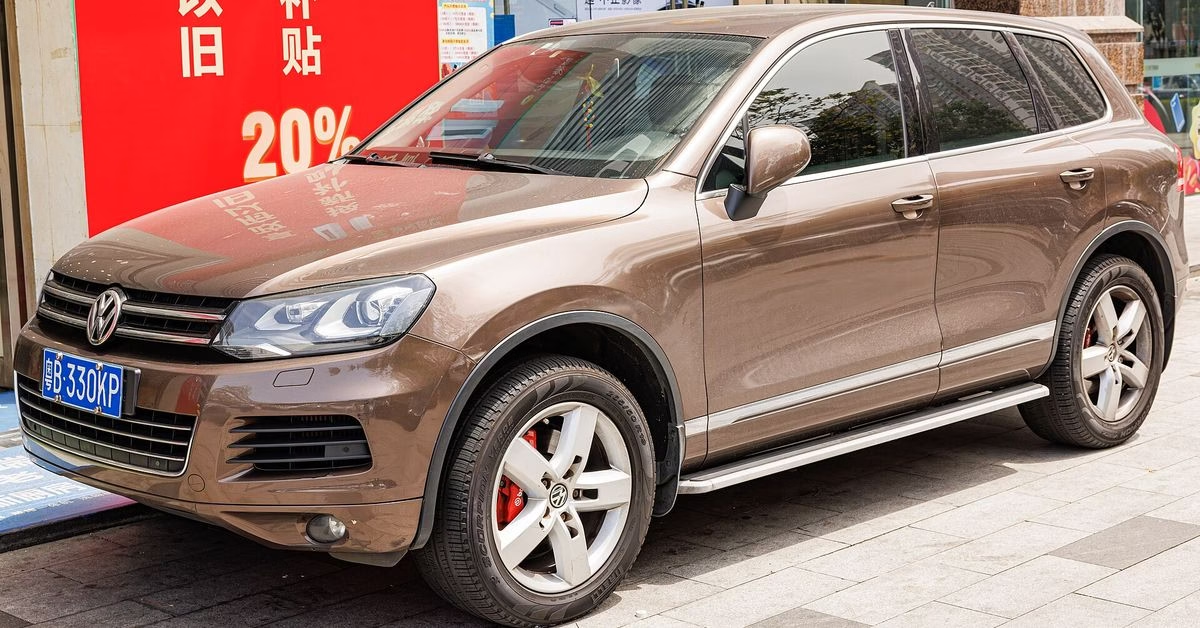
The Touareg is the cheapest way into the Volkswagen Group’s V8 diesels. The second-generation car used the 4.2 V8 TDI with 340 PS and 800 Nm, and the third generation brought the 4.0-litre V8 with 421 PS and 900 Nm, enough for 0 to 100 km/h in 4.9 seconds. Volkswagen ended it in 2020 with a 400-car Last Edition sold only in Germany, and said it was its last V8 diesel.
The 4.2 has a solid reputation, with problems mostly appearing at high mileage and an expected life of around 360,000 km. Its known weak points are the timing chain, which usually needs attention after about 250,000 km and is costly to do, plus the crankshaft pulley and EGR valve. The piezo injectors don’t tolerate poor fuel, and skimping on oil changes hurts the turbos and hydraulic lifters.
It ranks this high because it offers the same engine family as the Audi and Porsche at Volkswagen parts prices. The 4.0 is rarer and newer, so the 4.2 is the one most buyers will meet.
4. Range Rover 4.4 TDV8 and SDV8
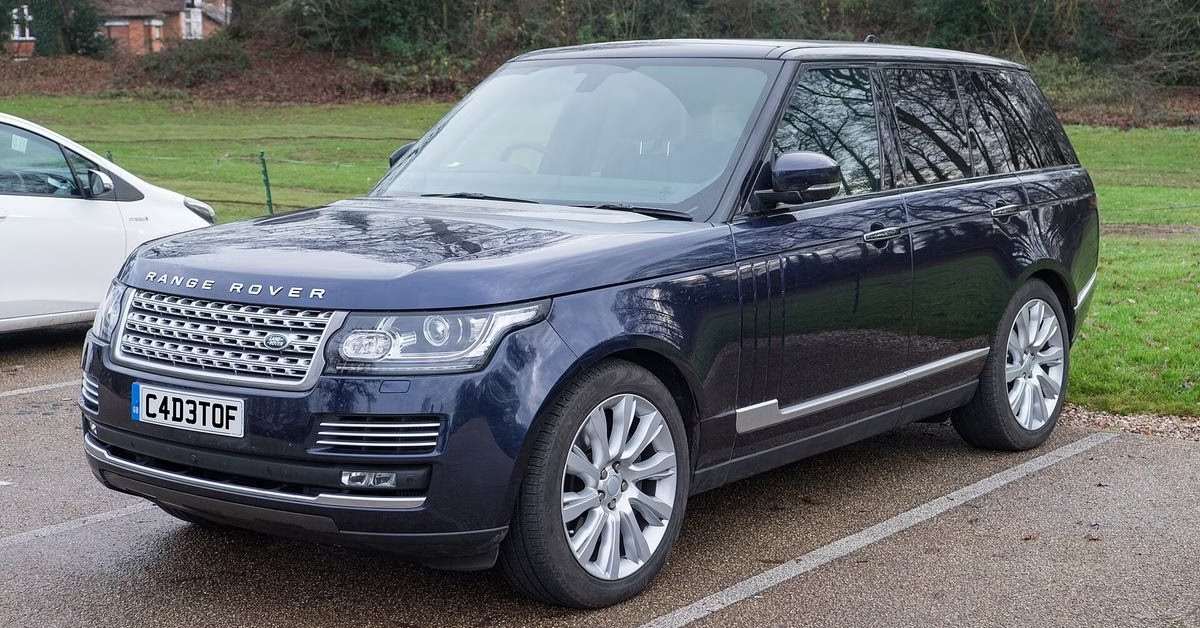
| Years | 2010–2020 (Range Rover and Range Rover Sport) |
| Engine | 4.4-litre twin-turbo V8 diesel |
| Output | 313–339 PS and 700 Nm |
| Biggest risk | Oil cooler seals, EGR valves and air suspension |
The 4.4 replaced the 3.6 in 2010 and became the engine of choice in both the Range Rover and the Range Rover Sport, later badged SDV8. It’s the most surprising result of our research: a UK specialist buying guide for the current-shape Range Rover calls it a good and reliable engine, and notes that it avoids the crankshaft bearing problems of Land Rover’s V6 diesels and their costly timing belt.
Its faults are real but fixable. Oil cooler seals leak, letting oil into the coolant, and owners report the fix as new gaskets, new O-rings and a cooling system flush, though leaving it too long can damage the EGR valve. EGR valves are a common failure on their own, and turbo breather pipes leak oil. The rest of the car is the bigger concern: air suspension compressors and air springs fail, and early cars of the newer generation had electrical glitches.
For rough roads, a Range Rover is far more capable than the German SUVs above it, which is why it ranks fourth. Buy one with the oil cooler work done and an independent specialist lined up.
3. Ford Excursion 7.3 Power Stroke
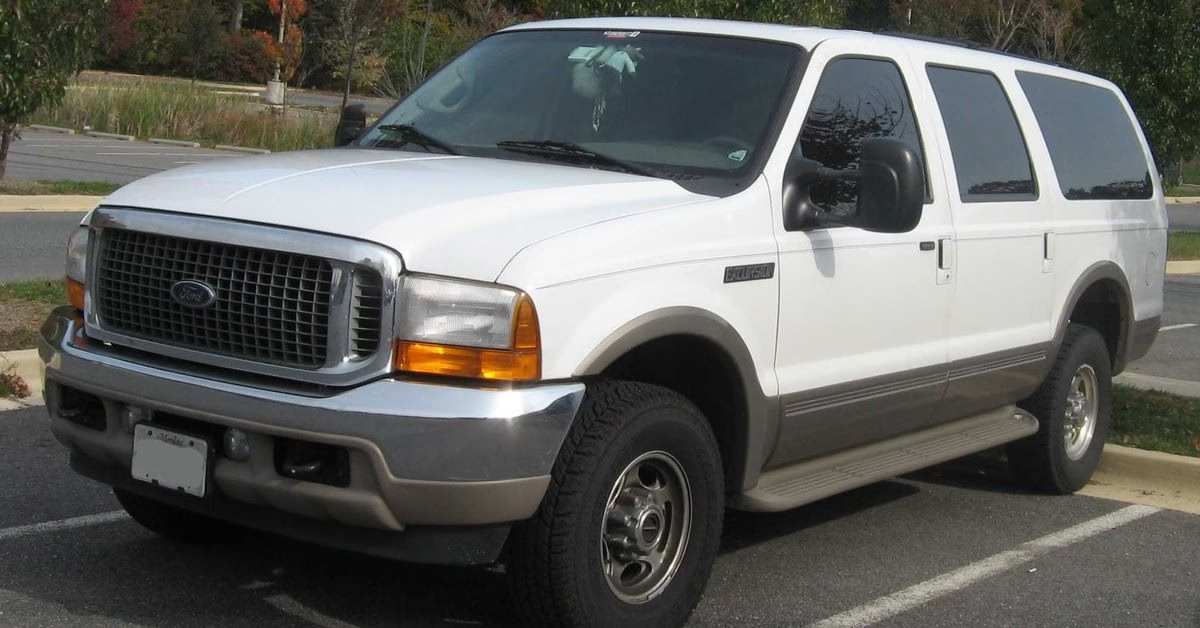
| Years | 2000–2003 (sold only in North America) |
| Engine | 7.3-litre turbo V8 diesel |
| Output | About 250 hp |
| Biggest risk | Camshaft position sensor and the 4R100 gearbox |
Same SUV, opposite fate. With the 7.3-litre Power Stroke, the Excursion became one of the most durable diesel SUVs ever built. The engine was simple, under-stressed and built with six head bolts per cylinder, and its injectors often last 200,000 miles or more.
Its weak points are small by comparison. The camshaft position sensor is a known failure that can stop the engine, the fixed-geometry turbo is laggy, and the 4R100 automatic gearbox is weaker than the engine in front of it. Powdered-metal connecting rods in 2001 to 2003 engines can fail, but only when owners push power far beyond stock.
There’s one big catch outside North America. Ford only sold the Excursion in the US, Canada and Mexico, and only in left-hand drive, so for buyers in right-hand-drive markets it’s a curiosity rather than a shopping option, and its body and interior parts would have to be imported. In North America, it’s the best-value V8 diesel SUV you can buy.
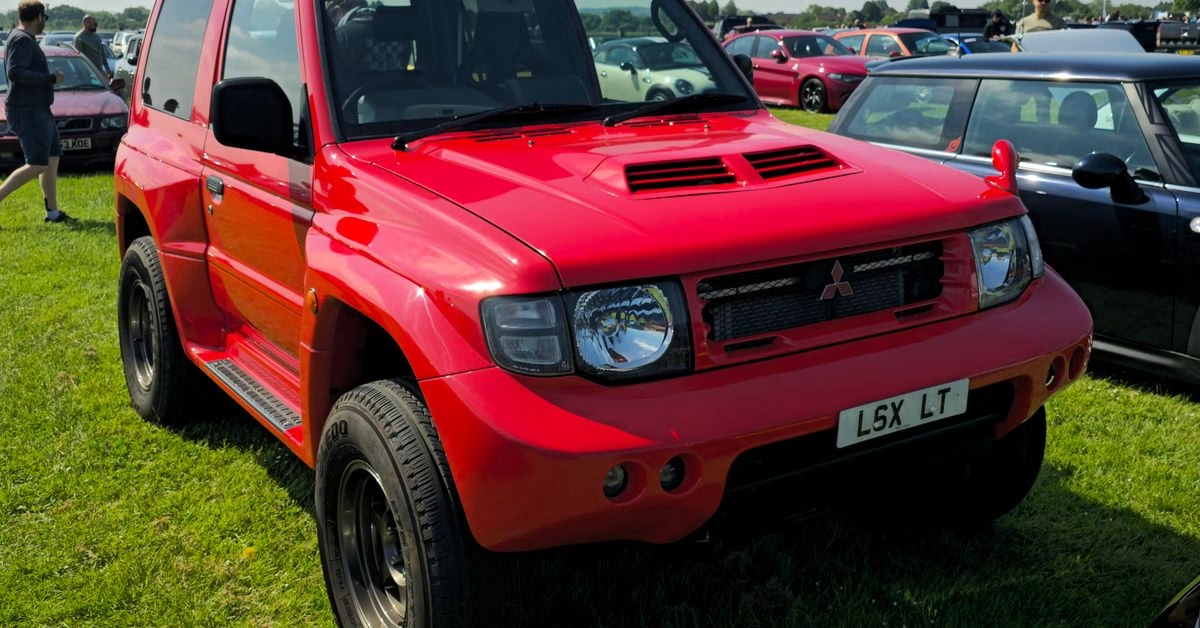
2. Toyota Land Cruiser 200 and Lexus LX 450d
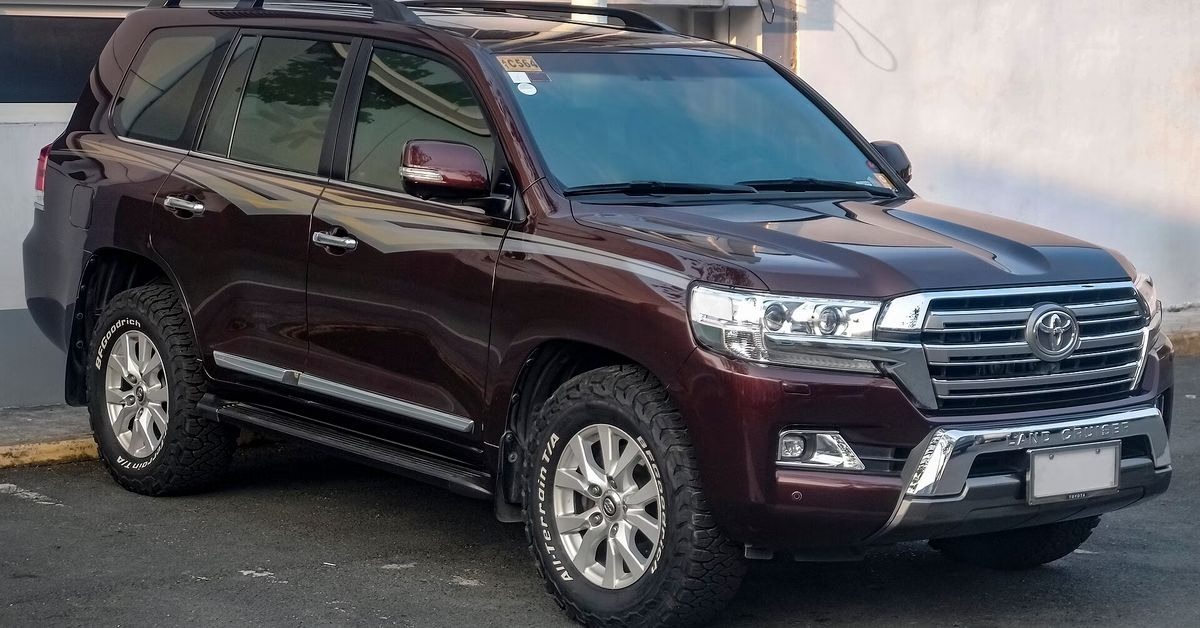
| Years | 2007–2021 (Land Cruiser 200); from 2015 (LX 450d) |
| Engine | 4.5-litre twin-turbo V8 diesel (1VD-FTV) |
| Output | 195–200 kW and 650 Nm in Australian-market cars |
| Biggest risk | DPF and injector washers on 2015-on cars |
The Land Cruiser 200 went on sale in Japan in September 2007 with the twin-turbo version of Toyota’s first V8 diesel, the 4.5-litre 1VD-FTV. In Australian spec it made 195 kW and 650 Nm at launch, rising to 200 kW with the 2015 update. Its luxury twin, the Lexus LX 450d, launched in Russia in October 2015 with the same engine, but it was sold in only a handful of markets, so the Land Cruiser is the one most buyers will find.
It isn’t flawless. From 2015, the engine gained a diesel particulate filter, and early DPF cars had problems serious enough for Toyota to recall 2015 and 2016 models. The piezo injectors that arrived at the same time had seating washers that let fuel leak into the cylinders, which in bad cases stopped the DPF from regenerating and led to engine replacements under warranty. Specialists also report dust getting past the airbox seal, which can trigger limp mode and damage the right-hand turbo, and Toyota itself says these V8s use a small amount of oil as normal.
Every one of those faults has a known fix, and the rest of the car is about as tough as a luxury SUV gets. The 1VD itself ranks fifth of the seven Toyota diesels we rated, held back by those injector washers rather than its core design. For a pre-2015 car, the main jobs are greasing the tailshaft universal joints and checking the airbox. For a later one, ask whether all eight injectors were done with updated washers, not just the one that failed.
1. Toyota Land Cruiser 70 V8
| Years | 2007–2025 in Australia; still sold in some other markets |
| Engine | 4.5-litre single-turbo V8 diesel (1VD-FTV) |
| Output | 151 kW and 430 Nm at launch |
| Biggest risk | Clutch wear on modified or heavily loaded trucks |
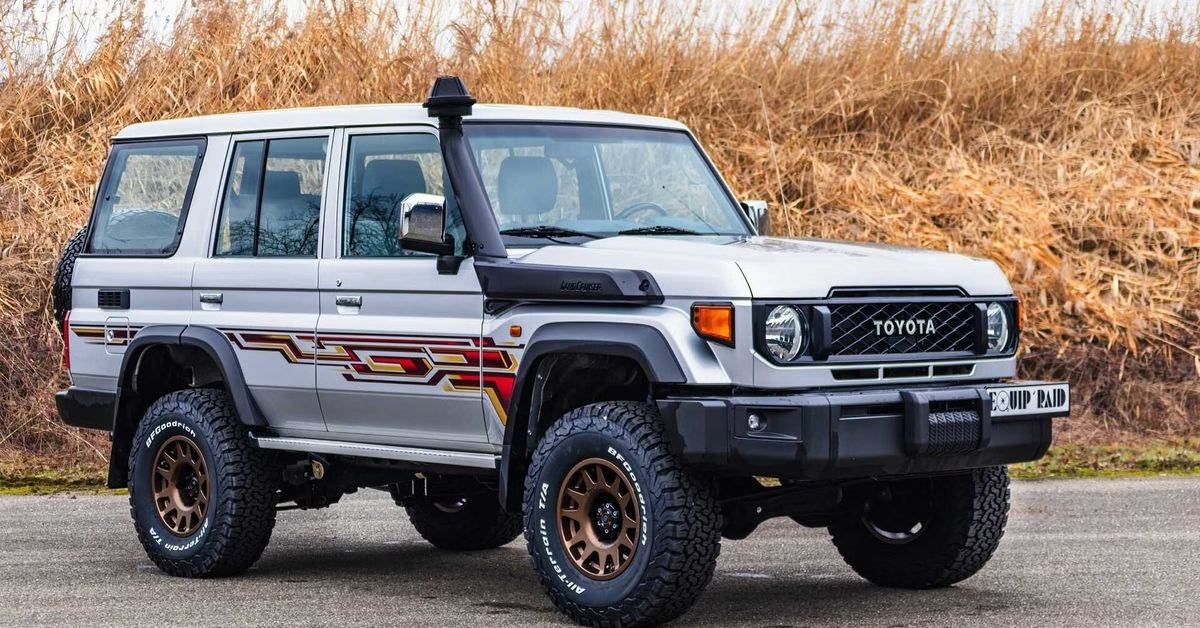
The Land Cruiser 70 got the 1VD-FTV in March 2007, in a simpler single-turbo form with 151 kW and 430 Nm. It’s the least powerful engine on this list and the safest buy, because it sits in the simplest vehicle: a ladder frame, solid axles, a manual gearbox, and no air suspension or complex electronics to fail far from help.
Toyota Australia ended the V8 wagon, Troop Carrier and most pickups in September 2024 and the last V8 cab chassis in late 2025, replacing it with the 2.8-litre 1GD four-cylinder, which makes 20 Nm more torque. That turned the V8 70 into a used-only truck there almost overnight, and Toyota’s own farewell announcement noted that orders had been paused for almost two years beforehand.
Its known weakness is the clutch, which wears early on trucks that are tuned, run oversized tyres or tow heavily. Toyota strengthened it on 2016-on DPF models, but tuners still fit heavy-duty clutches to modified trucks. Like the 200, it uses some oil as normal, so check the level often. Look after those two things and the V8 70 is the closest thing on this list to a truck that simply doesn’t stop.

Honourable Mentions
A few more V8 diesel SUVs deserve a mention, even if they’re too rare, too old or too thinly documented to rank fairly.
- Mercedes-Benz G 400 CDI: the V8 diesel G-Class of the early 2000s, rare and highly prized, but with too little reliability data to place.
- Hummer H1: the civilian version of the military Humvee, offered with a 6.5-litre V8 turbo diesel and about as basic and tough as an SUV gets.
- Chevrolet Suburban and Tahoe 6.5 diesel: the 1990s American option, slow by modern standards but simple, with a following among overlanders.
- Audi Q7 V12 TDI: not a V8, but the logical extreme of this list, with a 6.0-litre V12 diesel making 500 PS and enormous torque.
Frequently Asked Questions (FAQ)
Can you still buy a new V8 diesel SUV?
In most markets, no. Volkswagen, Audi, Porsche, Bentley and Land Rover have all dropped their V8 diesels, and Toyota Australia ended the Land Cruiser 70 V8 in 2025. The Land Cruiser 70 V8 remains on sale in a few other markets, but for most buyers a V8 diesel SUV is now a used purchase.
What is the most reliable V8 diesel SUV?
The Toyota Land Cruiser 70 and 200 with the 1VD-FTV engine have the best combination of engine durability and tough construction. The Ford Excursion with the 7.3 Power Stroke is equally durable but was only sold in North America.
Does the Nissan Patrol have a V8 diesel?
No. The Y62 Patrol was offered only with a 5.6-litre petrol V8, and earlier Patrols used six- and four-cylinder diesels such as the TD42 and ZD30.
Are German V8 diesel SUVs worth buying used?
They can be, with a full service history and a warranty. The Touareg V8 TDI offers the same engine family as the Audi and Porsche at lower running costs, while the SQ7 and Bentayga Diesel carry the highest repair bills.
Buy the History, Not the Badge
The pattern across all 12 is the same: the engines themselves are mostly strong, and the risk lives in the emissions hardware, the air suspension and how the previous owner drove and serviced the car. A V8 diesel used for short trips will clog its filters whatever badge it wears. Buy the one with long-run history, short oil-change intervals and receipts for the known fixes, and even the risky end of this list becomes a lot more reasonable. Buy the Toyota, and you may never need to think about it.