
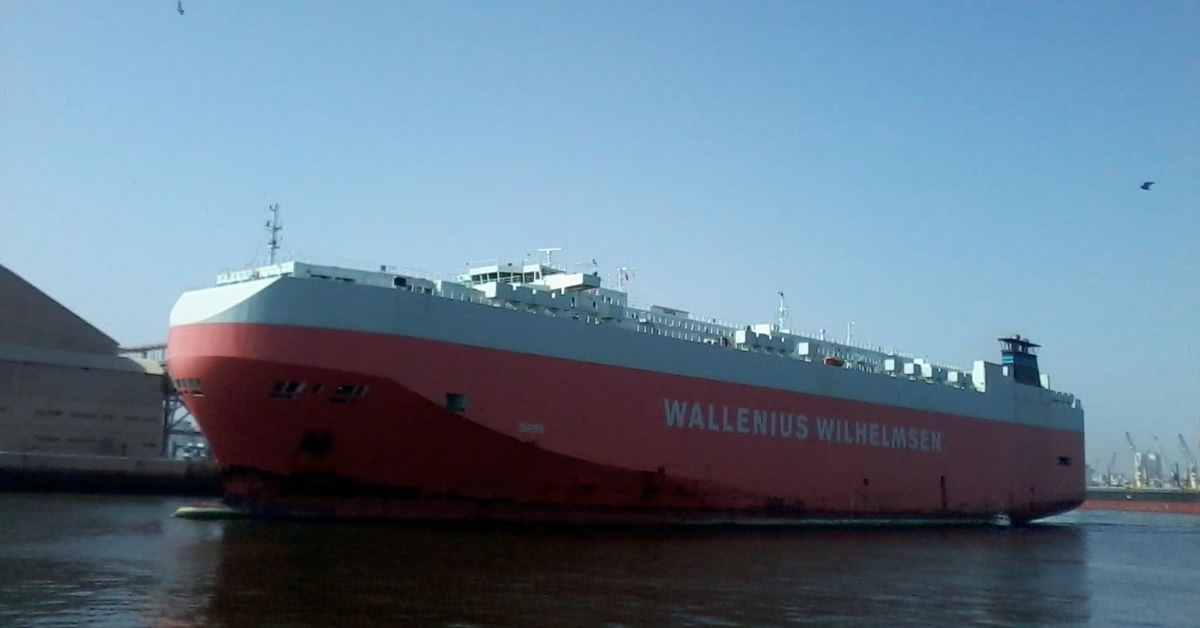
Buying straight from Japan cuts out the yard, the yard’s markup and most of the yard’s stories. It also puts every decision on you: the car, the exporter, the paperwork and the tax bill. If you’re working out how to import a car from Japan to Kenya, the process itself is not complicated, but each step has one or two traps that cost buyers real money. This guide walks through the rules you have to meet first, the route from auction to your driveway, how the duty is worked out with a full example, and the mistakes that catch first-time importers most often.
Table of Contents
The Rules Before You Shop
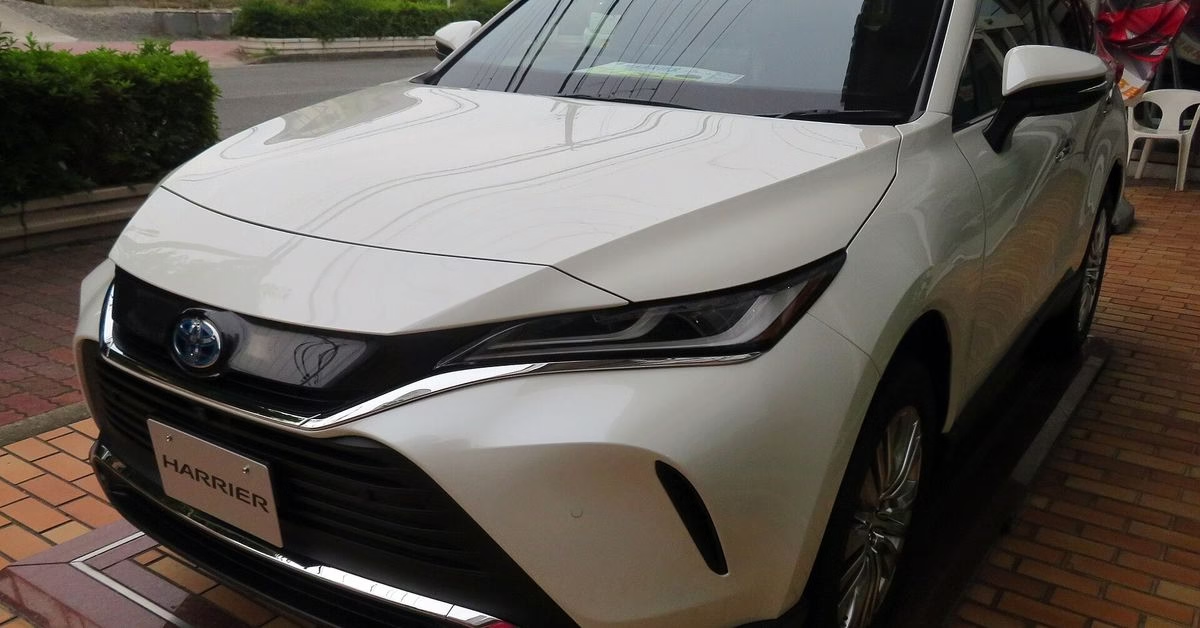
Two rules decide which cars you can even look at, and a third decides whether the car gets off the ship without extra cost. Check all three before you fall for a listing.
The 8-Year Rule
Kenya limits used imports to cars no more than eight years old, counted from the year of first registration. From 1 January 2026, the Kenya Bureau of Standards only accepts cars first registered on or after 1 January 2019, under the KS 1515:2000 inspection code. The cut-off moves forward a year each January, so a 2019 car bought late in the year leaves you very little room if shipping runs late. What counts is the first registration date on the Japanese export certificate, not the build year or the model year.
Right-Hand Drive Only
Kenya drives on the left, and only right-hand drive cars are accepted. Almost everything sold new in Japan is right-hand drive, but a few imported models and grey-market cars there are not, so confirm it on the listing and the export certificate.
The Roadworthiness Certificate
Cars shipped from Japan need a Certificate of Roadworthiness from KEBS’s appointed inspection company, Quality Inspection Services Japan (QISJ), before they leave. The inspection checks the car against the Kenyan standard and confirms its age and identity. A car that arrives without the certificate faces inspection at Mombasa, and KEBS has charged 5% of the customs value for that, on top of the delay. Ask your exporter to book QISJ as part of the price.
From Auction to Your Driveway
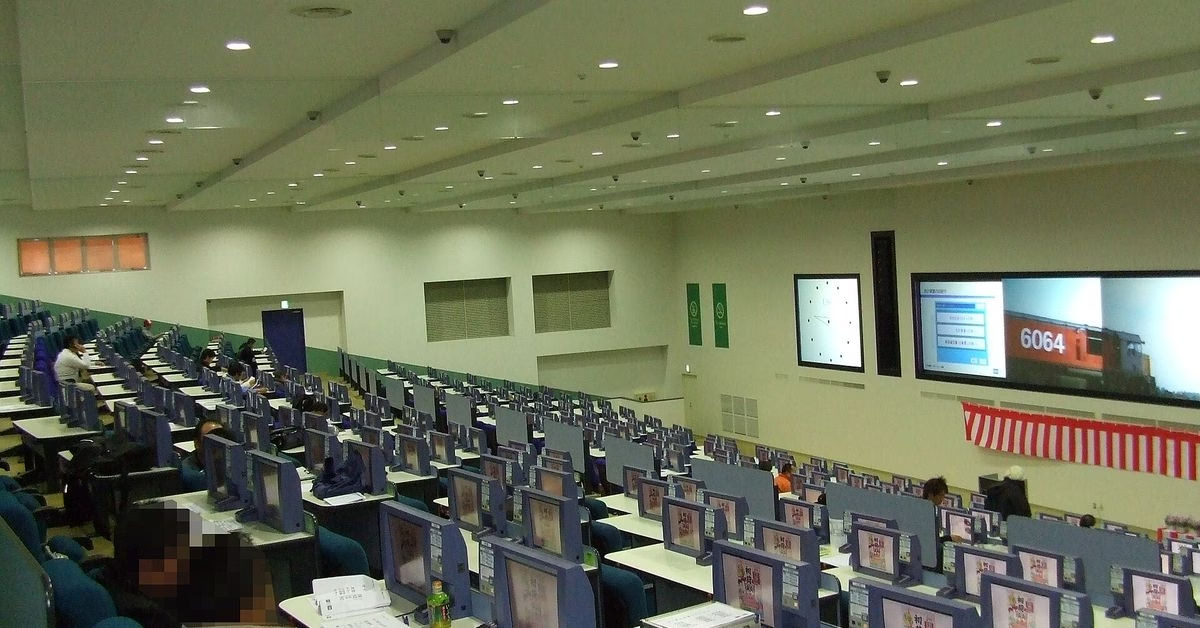
Most Japanese export cars pass through a dealer auction before they reach an exporter’s yard, and the auction’s paperwork is the best record of the car you’ll ever get. The route from there to Kenya has six steps, and the order matters.
Choose the Car and the Exporter
You can buy from an exporter’s own stock, which is quicker, or ask them to bid at auction for you, which gives more choice. Either way, the exporter matters as much as the car. Look for a company with a physical address in Japan, a long trading record, reviews from Kenyan buyers you can actually contact, and membership of an exporters’ association such as JUMVEA. A website and a WhatsApp number are not a track record.
The Japan Auction Sheet Check
The auction sheet is a one-page inspection report written by the auction’s own inspector. It gives an overall grade, an interior grade, the mileage, and a body map marked with codes for scratches, dents, rust and panels that have been repaired or replaced. A high grade such as 4 or 4.5 means a clean car for its age. R or RA means it has had accident repairs, which isn’t always a deal-breaker but should change the price.
Ask for the original sheet, not a typed summary, and match the chassis number on it to the one on the export certificate. A sheet that has been altered or swapped is one of the most common import scams. If the exporter won’t show it, walk away. Independent verification services can confirm a sheet against the auction’s records for a small fee, which is worth paying on any car above the cheapest end.
Pay Safely
Ask for a pro forma invoice in your own name showing the car, its chassis number and the full CIF price, meaning the car plus shipping and insurance to Mombasa. Pay by bank transfer to the exporter’s company account in Japan. Never send money to a personal account or to a middleman in Kenya who promises to forward it.
Inspection and Shipping
Once paid, the exporter deregisters the car, books the QISJ inspection and puts it on a roll-on, roll-off car carrier to Mombasa. The voyage usually takes several weeks, depending on the port and the sailing schedule. Before the ship docks, you should have the bill of lading, the commercial invoice, the export certificate and the Certificate of Roadworthiness, either as originals or as copies your clearing agent can use.
What It Really Costs
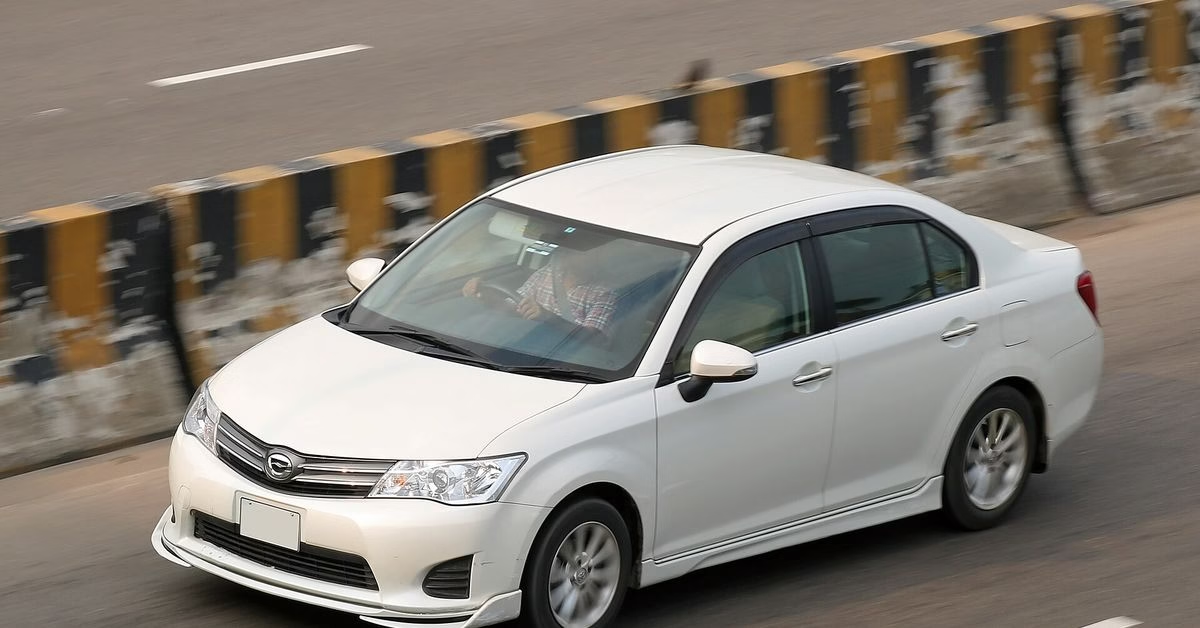
The price in Japan is only the start. Duty, port charges, clearing and registration can add a sum close to the car’s own price, and most first-time importers underestimate it because they work from the invoice. KRA doesn’t.
How KRA Values the Car
The Kenya Revenue Authority doesn’t tax what you paid. It starts from its Current Retail Selling Price, or CRSP, a list of what each model and grade would cost new in Kenya, and then depreciates it by the car’s age. A car up to a year old gets no reduction, a two-year-old car 20%, and so on up to 65% for an eight-year-old car. That’s why a cheap auction buy can still carry a large duty bill. KRA’s own assessment at entry is final, so treat any online KRA car duty calculator as a guide, not a quote.
The Five Taxes
Car import duty in Kenya is really five charges stacked on top of each other, at the rates in force in late 2026:
| Charge | Rate | Charged on |
|---|---|---|
| Import duty | 35% | Customs value |
| Excise duty | 20% up to 1,500cc; 25% for petrol 1,501 to 3,000cc and diesel 1,501 to 2,500cc; 35% above that | Customs value plus import duty |
| VAT | 16% | Customs value plus import duty and excise |
| Import Declaration Fee | 2.5% | Customs value |
| Railway Development Levy | 2% | Customs value |
Engine size moves the bill more than anything else you control. A 1,500cc car sits in the lowest excise band, which is one reason the Axio, Fielder and Note are so common here.
A Worked Example
Take an illustrative car: a 2021 petrol model with a 1.8-litre engine and a CRSP of KSh 4 million, imported in 2026. At five years old it gets 50% depreciation, and its 1.8 engine falls in the 25% excise band. Using the method published by the major Kenyan duty calculators, the numbers come out like this, at about KSh 130 to the dollar in early November 2026:
| Item | Amount |
|---|---|
| Customs value | About $6,300 (KSh 817,000) |
| Import duty (35%) | About $2,200 (KSh 286,000) |
| Excise duty (25%) | About $2,100 (KSh 276,000) |
| VAT (16%) | About $1,700 (KSh 221,000) |
| Import Declaration Fee (2.5%) | About $160 (KSh 20,000) |
| Railway Development Levy (2%) | About $130 (KSh 16,000) |
| Total taxes | About $6,300 (KSh 819,000) |
Add the CIF price, port charges, the clearing agent’s fee and registration, and you have the real cost of importing a car to Kenya from Japan. Get your own figure from KRA’s calculator for the exact model and grade before you pay anything in Japan.
Clearing at Mombasa
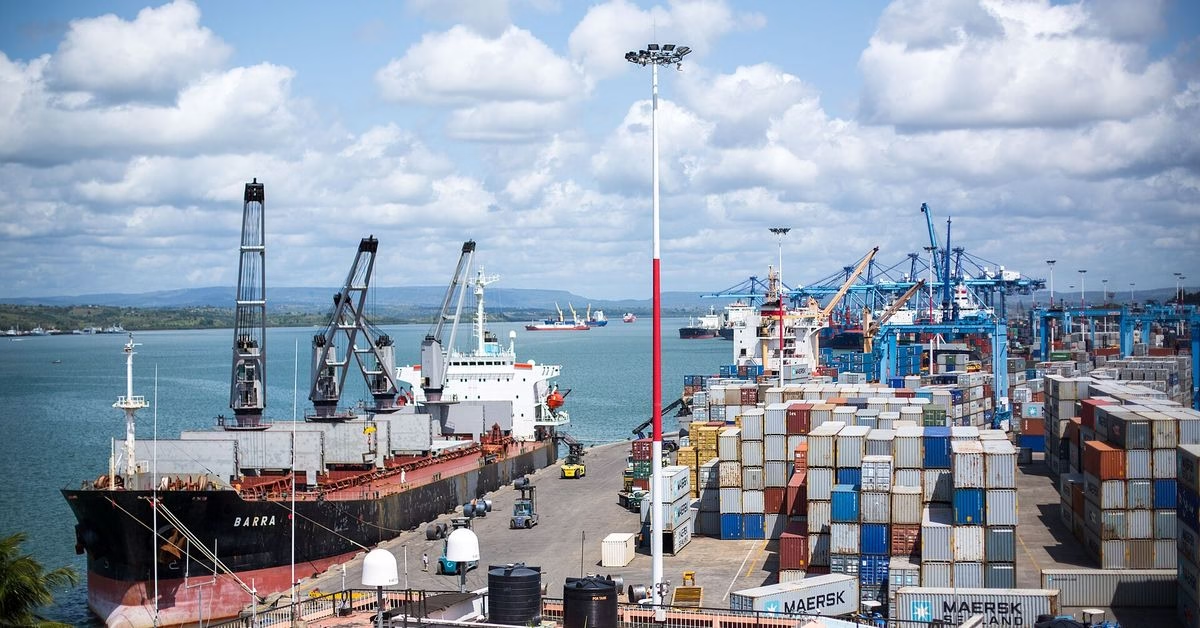
You’ll need a licensed clearing agent, and choosing one is the second-biggest decision after the exporter. The agent lodges your import entry with KRA, pays the duty from funds you provide, settles port and shipping-line charges, and gets the car released. Ask for a written quote that separates the duty, which goes to KRA, from the agent’s own fee and the port costs, and pay duty only against KRA’s official assessment.
Speed matters here. Port storage charges start once the free period ends, so have the documents and the duty money ready before the ship arrives. A car that sits for weeks because of a missing document can run up charges that wipe out the saving you made by importing.
Registering With NTSA
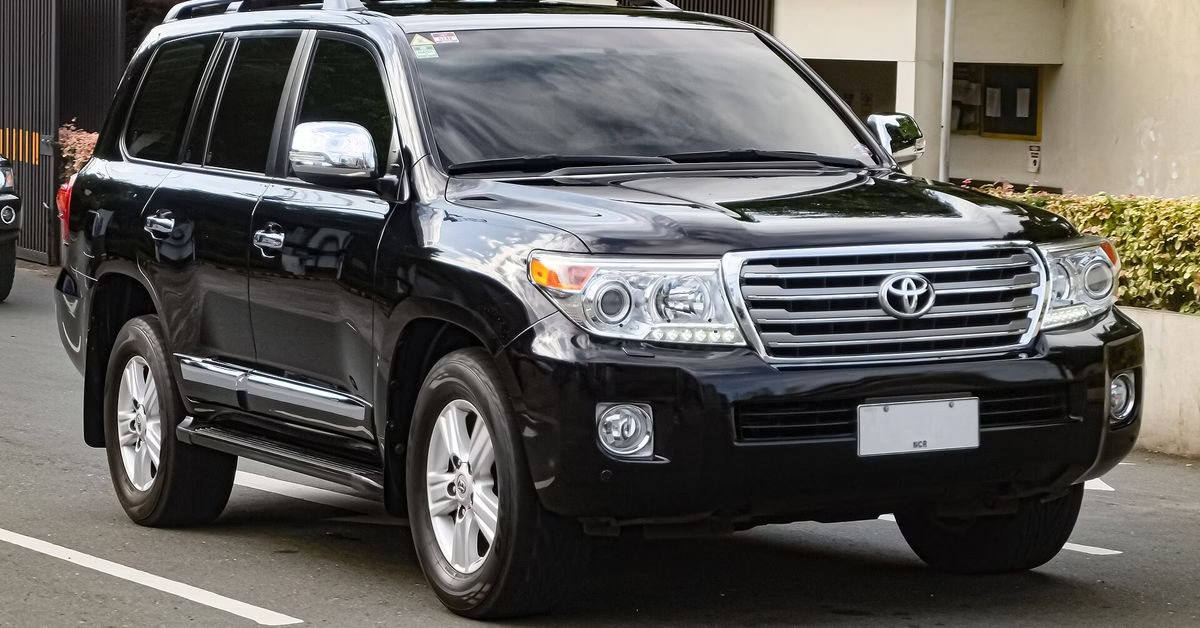
Once KRA has released the car, it needs Kenyan registration through NTSA on eCitizen. Most clearing agents handle this as part of their service, and you’ll need your ID and KRA PIN. You get number plates and, in time, the logbook in your name. Check that every detail on the logbook, especially the chassis number, matches the export certificate and the auction sheet before you consider the job done.
Mistakes That Cost Buyers Money
Most import horror stories come down to a handful of avoidable errors. These are the ones that come up again and again.
- Budgeting from the invoice: the duty is based on KRA’s CRSP, not on what you paid, so a bargain in Japan can still be expensive here.
- Cutting it fine on age: a car that only just meets the 8-year rule can miss it if shipping is delayed past 31 December.
- Skipping the auction sheet: photos show you what the seller wants you to see. The sheet shows what the inspector found.
- Paying the wrong account: money sent to a personal account or a local middleman is the hardest to recover.
- Shipping without a Certificate of Roadworthiness: the destination inspection fee and the delay cost more than doing it in Japan.
- Choosing an agent on price alone: a cheap agent who leaves the car in storage is the most expensive one.
Importing avoids many of the yard tricks Kenyan buyers run into, but it swaps them for paperwork you have to manage yourself. If you’re not sure which model to bring in, start with the ones that hold up best here.
Frequently Asked Questions (FAQ)
What is the cost of importing a car to Kenya from Japan?
The cost of importing a car to Kenya from Japan is the CIF price plus KRA taxes, port charges, the clearing agent fee and registration. The taxes alone can approach the price of the car, because KRA works from its own retail price list for the model, depreciated by age, rather than from your invoice.
How is car import duty in Kenya calculated?
KRA takes its Current Retail Selling Price for the model, depreciates it by the car’s age, and charges import duty of 35%, excise of 20% to 35% depending on engine size, VAT of 16%, an Import Declaration Fee of 2.5% and a Railway Development Levy of 2%. KRA’s assessment at entry is final.
How do I do a Japan auction sheet check?
Ask the exporter for the original auction sheet, check that its chassis number matches the export certificate, and read the overall grade, interior grade, mileage and damage map. Grades of R or RA mean accident repairs. Independent services can verify a sheet against the auction’s records for a small fee.
Can I still import a 2018 car into Kenya?
No. From 1 January 2026, KEBS accepts only right-hand drive cars first registered on or after 1 January 2019. The cut-off moves forward each January, so a 2019 car will no longer qualify from 1 January 2027.
How long does importing a car to Kenya from Japan take?
Allow roughly one to three months from payment to registration. Shipping usually takes several weeks, and clearing at Mombasa can take days or weeks depending on how ready your documents and duty payment are when the ship arrives.
Slow Down and Check Twice
Importing from Japan rewards patience. Check the age and the drive side first, get the original auction sheet, pay only an exporter’s company account, insist on the roadworthiness certificate, and work out the duty from KRA’s figures before you commit. Do those five things and the rest of the process is mostly waiting for a ship. Rules and rates change, so confirm the current ones with KEBS and KRA before you buy.
MotorQuips is taking its first import enquiries. Tell me what you need, and I’ll shortlist cars in Japan and send you the auction sheet, inspection photos and the full CIF price before you pay anything.
- Auction sheet checked for grade, mileage and damage marks
- Right-hand drive and the 8-year rule checked before you commit
- You pay the exporter directly, on an invoice in your own name
- Introduction to a licensed clearing agent for KRA clearance
Sourcing fee: 3% of the CIF price (minimum KSh 50,000), paid only once you approve a specific car. Duty, clearing costs and shipping insurance are separate.
Tell me what you’re looking for