
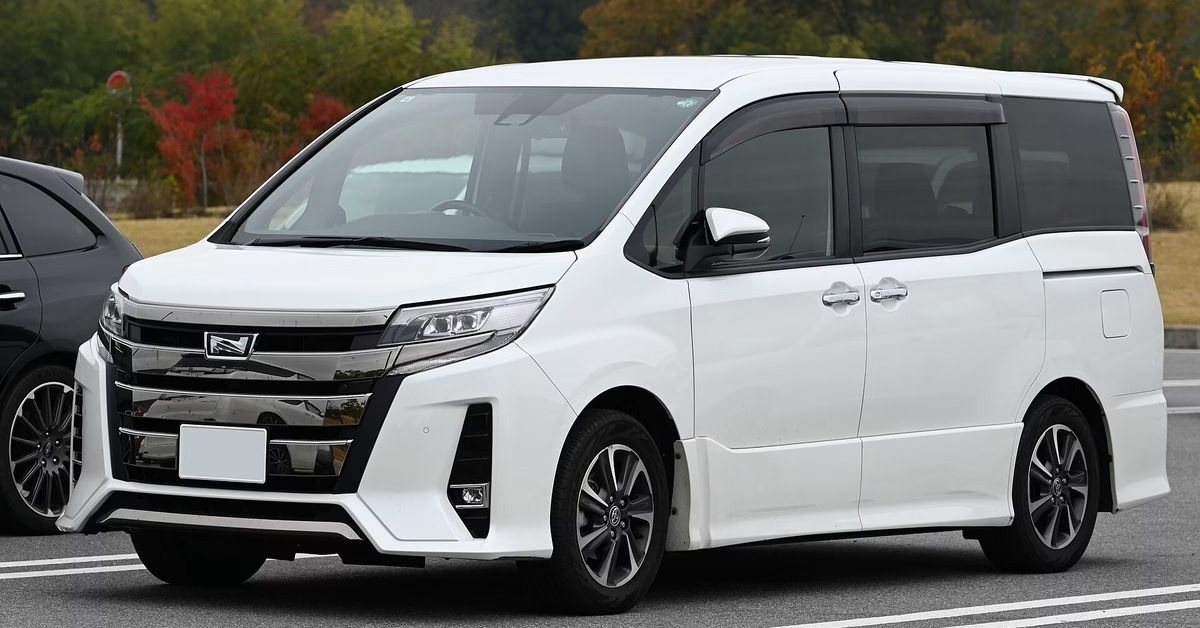
Most Kenyan car buyers aren’t choosing between brands. They’re choosing between a handful of Japanese models that fill every yard and every listing site, and the question is which one fits their money and their life. This list sorts the best cars to buy in Kenya by budget first, then by what you’ll use the car for, with typical asking prices and the one thing to check on each. It covers hatchbacks, sedans, wagons and people carriers. If you want an SUV, we’ve ranked those separately, and the link is below.
Table of Contents
The Best Cars at a Glance
Prices are typical asking prices from Kenyan listing sites Garisea and Magari Deals, checked in October and November 2026, at about KSh 130 to the dollar. Asking prices aren’t sale prices, and condition moves them more than the year does. Only cars first registered in 2019 or later can be imported now, so older years are locally used cars.
| Car | Best for | Typical price | Years to look at |
|---|---|---|---|
| Toyota Vitz | First car, town driving | $5,400 to $11,200 (KSh 700,000 to 1.45 million) | 2012 to 2019 |
| Nissan Note | Low running costs | $4,200 to $13,500 (KSh 550,000 to 1.75 million) | 2014 to 2020 |
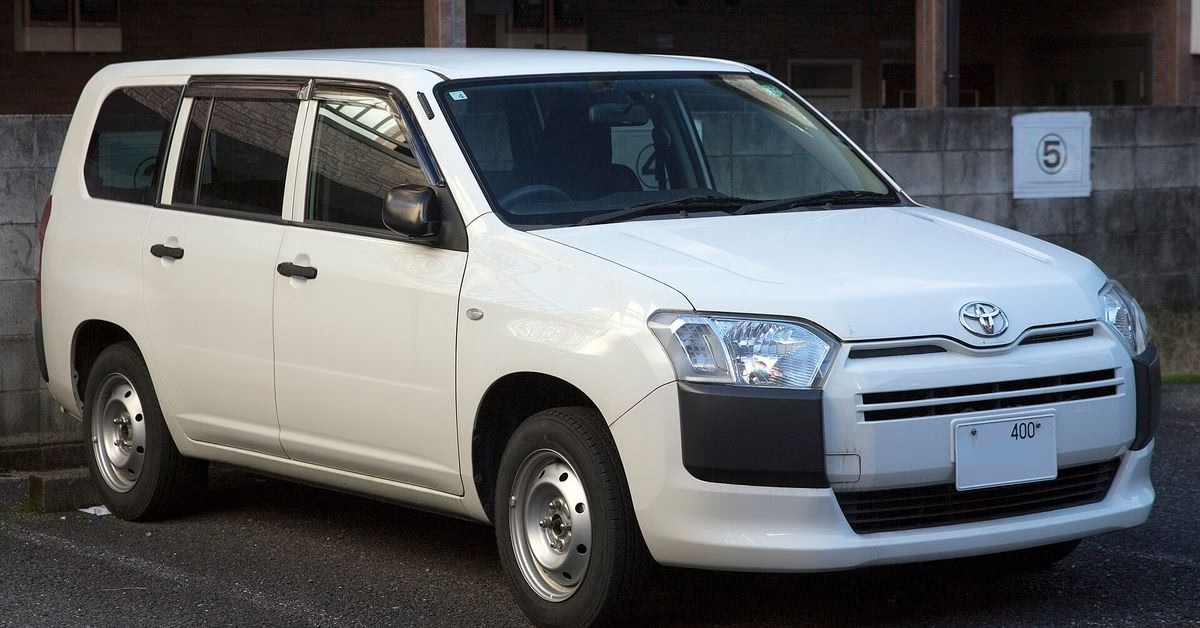
| Toyota Probox | Business and deliveries | $5,400 to $12,700 (KSh 700,000 to 1.65 million) | 2015 to 2020 |
| Toyota Axio | Everyday sedan | $10,000 to $14,600 (KSh 1.3 to 1.9 million) | 2016 to 2019 |
| Toyota Fielder | All-rounder, small families | $10,800 to $16,200 (KSh 1.4 to 2.1 million) | 2016 to 2019 |
| Toyota Sienta | Seven seats on a budget | $15,400 to $16,900 (KSh 2 to 2.2 million) | 2019 to 2020 |
| Toyota Noah | Big families, ride-hailing | $20,000 to $22,300 (KSh 2.6 to 2.9 million) | 2016 to 2019 |
Under $7,700 (KSh 1 Million)
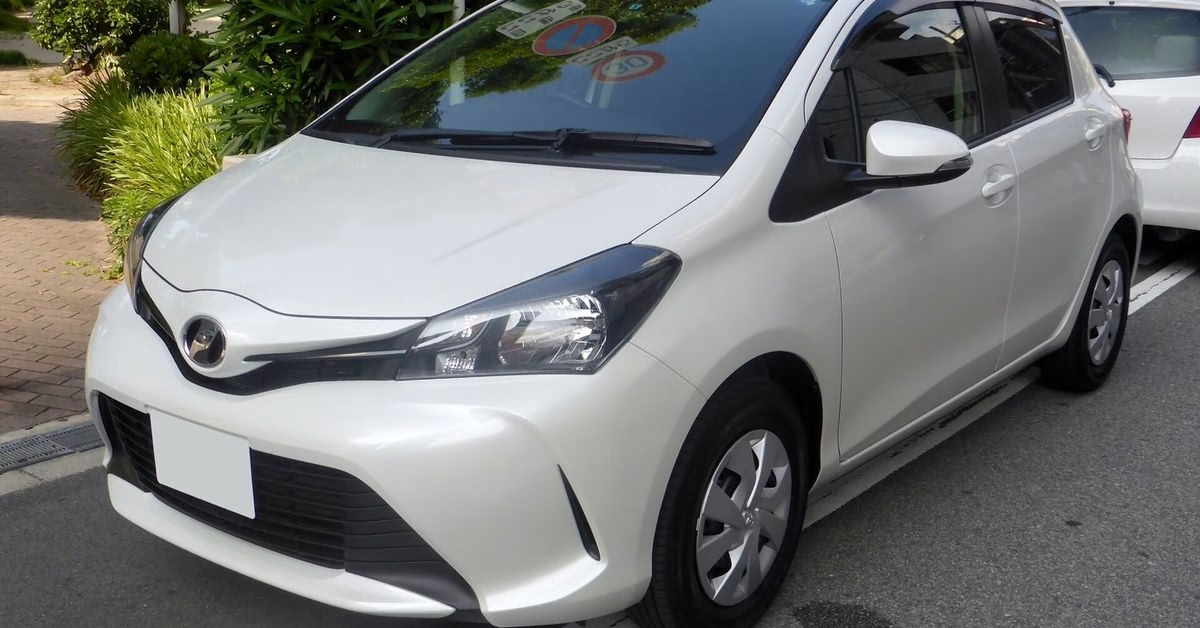
Be realistic about this budget. The 8-year rule means nothing under KSh 1 million can be freshly imported, so every car here is locally used and roughly a decade old. That’s fine if the history is good, but the inspection matters more than the badge.
Toyota Vitz (2012 to 2015)
The third-generation Vitz is the default first car for a reason: it’s small, cheap to fuel and insure, and every mechanic knows it. Typical asking prices run from about $5,400 to $7,700 (KSh 700,000 to 1 million) for 2012 to 2015 cars. The 1.0 is fine in town, but the 1.3 copes better with a full car on the highway. Check the CVT for slipping or judder on the test drive.
Nissan Note (2014)
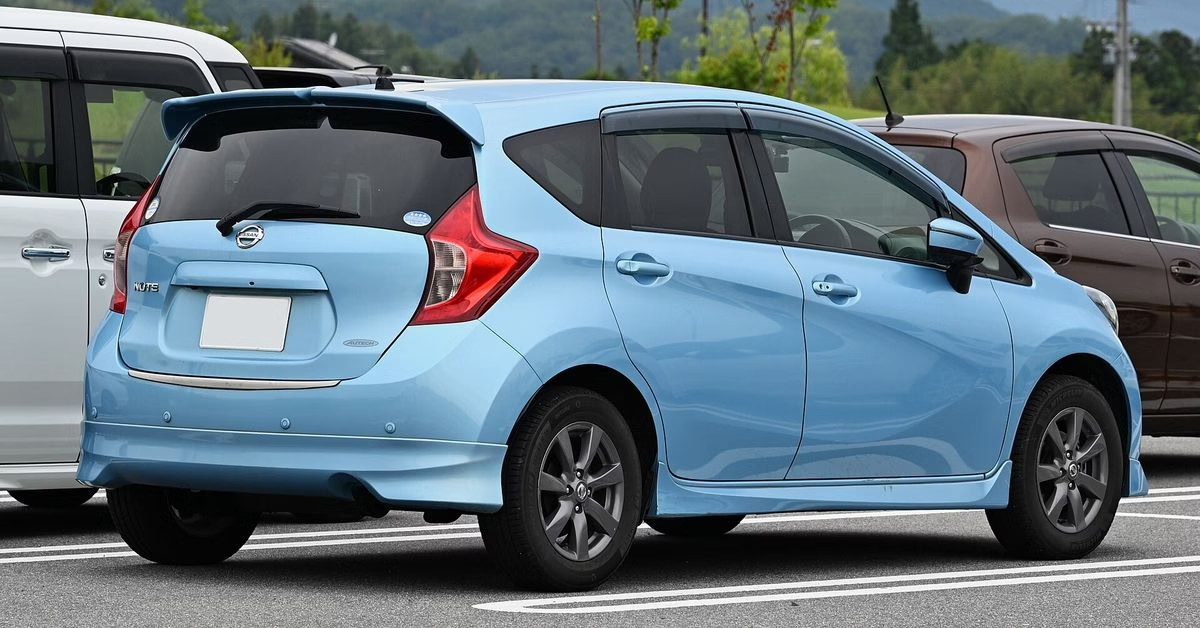
The Note E12 gives you more cabin and boot space than a Vitz for similar money, with typical prices of about $4,200 to $6,900 (KSh 550,000 to 900,000) for older cars. The catch is the gearbox. Petrol Notes use a Jatco CVT, and the Nissan CVTs with the worst record come from the same supplier, so fluid-change records matter more here than on a Toyota.
Toyota Probox (2015)
A Probox is the most practical car you can buy for under a million, with a flat load floor and a reputation for surviving abuse. Typical prices for older ones run from about $5,400 to $7,700 (KSh 700,000 to 1 million). Most have worked for a living, so expect high mileage, and check the suspension, the CVT and the body for signs of overloading.
An Older Fielder (2012 to 2014)
If you can stretch to the top of this budget, a 2012 to 2014 Fielder brings wagon space and Toyota running costs. Typical prices sit around $6,500 to $10,400 (KSh 850,000 to 1.35 million), so the good ones are just over the line. Budget for a full service when you buy, because many have had a long first life.
$7,700 to $15,400 (KSh 1 to 2 Million)
This is where most Kenyan buyers land, and where the choice is best. You can get a newer small car, or a 2016 to 2019 Axio or Fielder, which is the sweet spot for value. Only the 2019 cars in this band can still be imported.
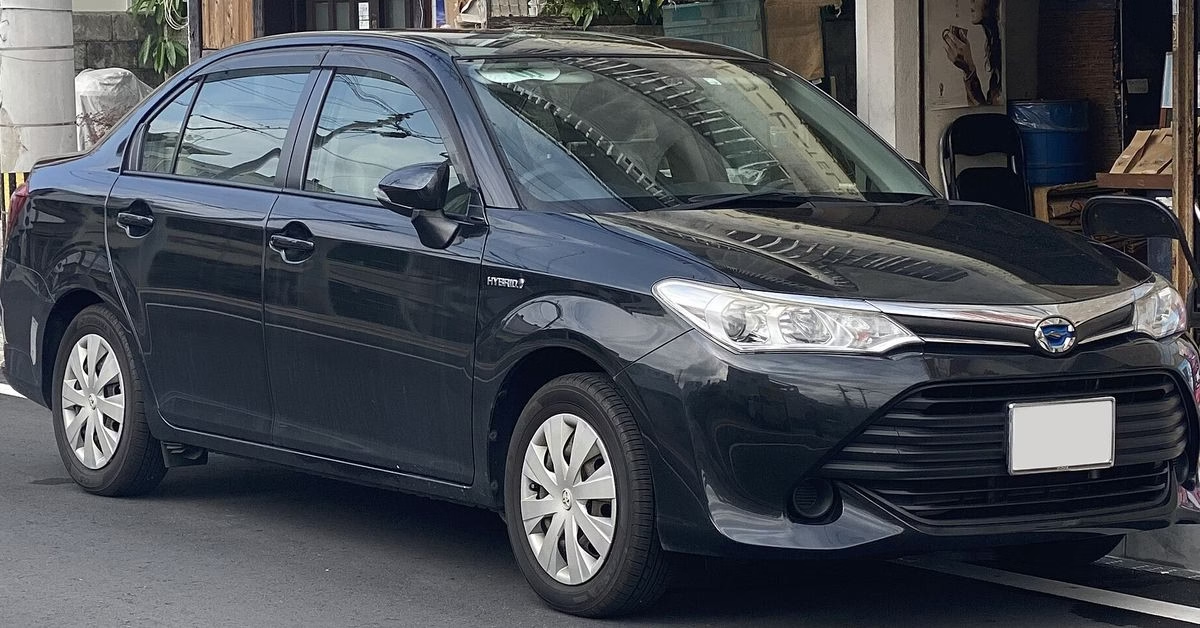
Toyota Axio (2016 to 2019)
The Axio is the sensible sedan: comfortable, frugal and easy to resell. The Toyota Axio price in Kenya typically runs from about $10,000 to $14,600 (KSh 1.3 to 1.9 million) for 2016 to 2019 cars, with 2019 models at the top. The hybrid version saves fuel in traffic but needs a healthy hybrid battery, so ask for a battery check. On any Axio, look for a clean CVT and signs of taxi or ride-hailing use, which shows up as worn seats and very high mileage.
Toyota Fielder (2016 to 2019)
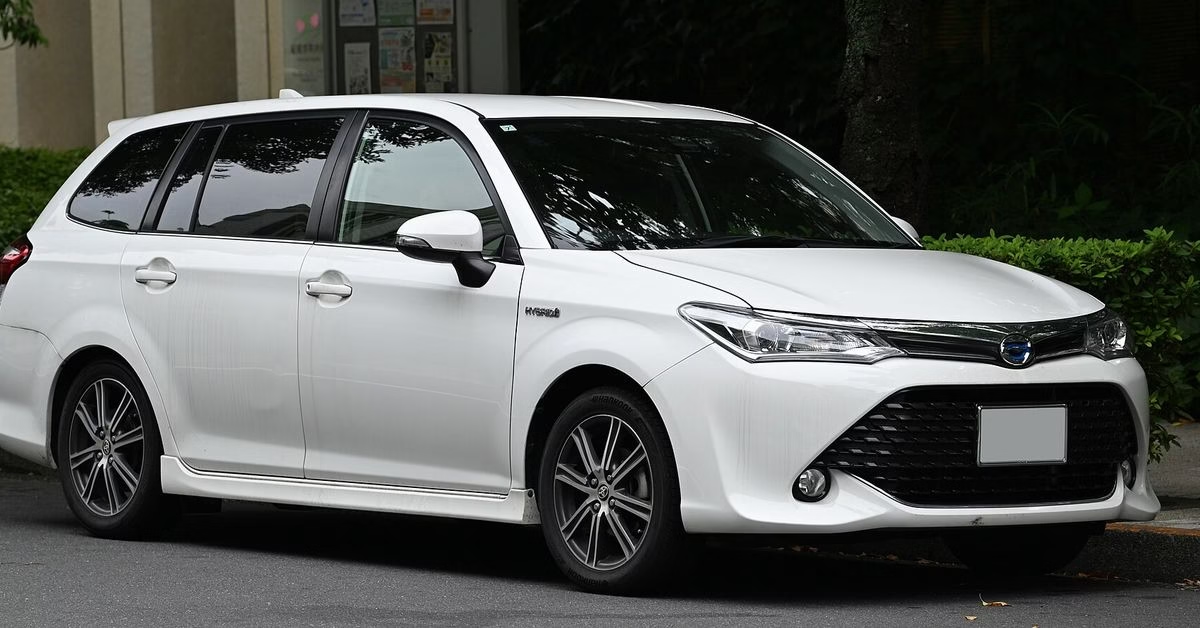
The Fielder is the Axio’s wagon sibling and probably the best all-round car on this list. The Toyota Fielder price in Kenya typically runs from about $10,800 to $16,200 (KSh 1.4 to 2.1 million) for 2016 to 2019 cars, a little above an Axio of the same year. You pay for a much bigger boot, which suits small families and anyone who carries stock. The same checks apply: CVT behaviour, hybrid battery health and signs of commercial use.
A Newer Vitz or Note e-Power (2018 to 2020)
If you’d rather have a newer small car than an older big one, a 2018 or 2019 Vitz typically asks about $10,400 to $11,200 (KSh 1.35 to 1.45 million). The Note e-Power is the interesting option: a petrol engine charges a battery that drives the wheels, so there’s no CVT to worry about and fuel use in traffic is low. Typical prices run from about $11,200 to $13,500 (KSh 1.45 to 1.75 million) for 2019 and 2020 cars. It’s a more complex car, so pick one with a full service record.
A Newer Probox (2018 to 2020)
For a business, a 2018 to 2020 Probox at about $10,800 to $12,700 (KSh 1.4 to 1.65 million) makes more sense than a nicer sedan. It carries more, costs little to fix and holds its value with traders. The hybrid version, sold from 2018, cuts fuel bills on town routes.
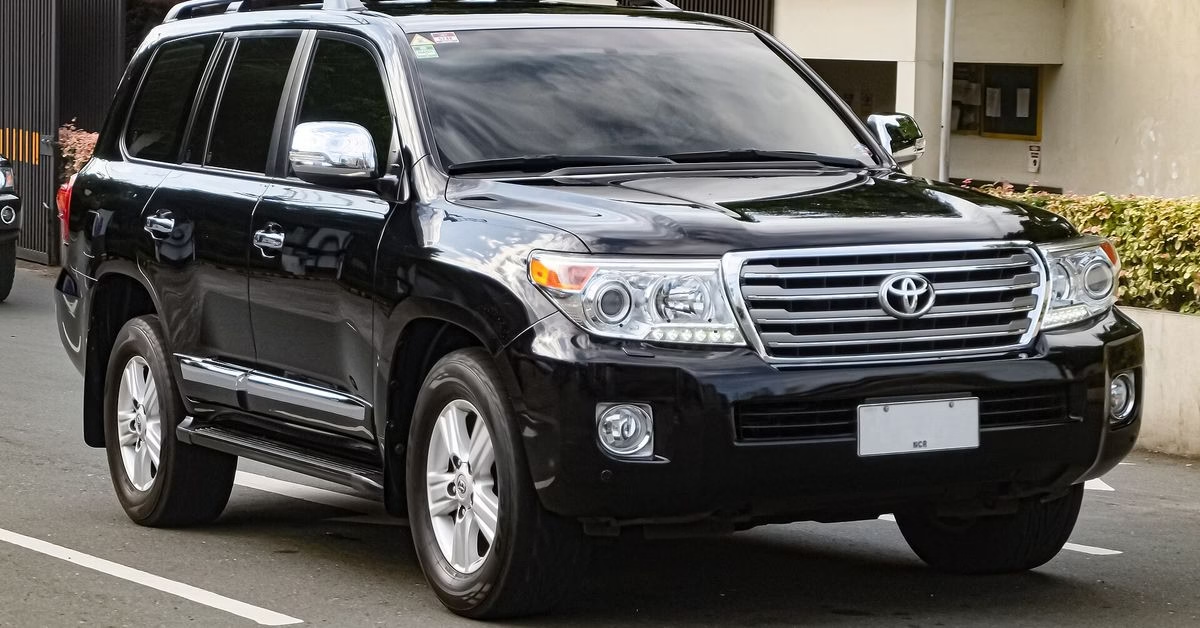
$15,400 to $23,000 (KSh 2 to 3 Million)
Above KSh 2 million, the question shifts from what’s reliable to how many people you need to carry. This is where people carriers make sense, and where a small SUV becomes an option too.
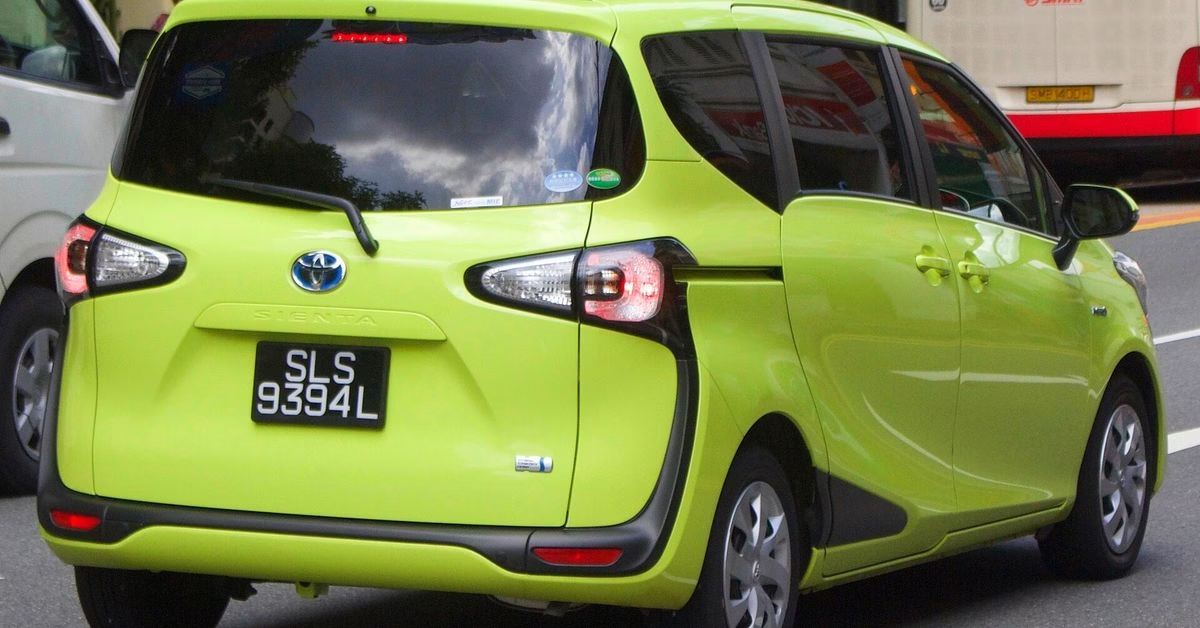
Toyota Sienta (2019 to 2020)
The Sienta squeezes seven seats into a car not much bigger than an Axio, with sliding rear doors that make school runs easier. Typical asking prices for 2019 and 2020 cars run from about $15,400 to $16,900 (KSh 2 to 2.2 million), and the hybrid is the one to have if you drive in traffic. The third row is for children, not adults.
Toyota Noah (2016 to 2019)
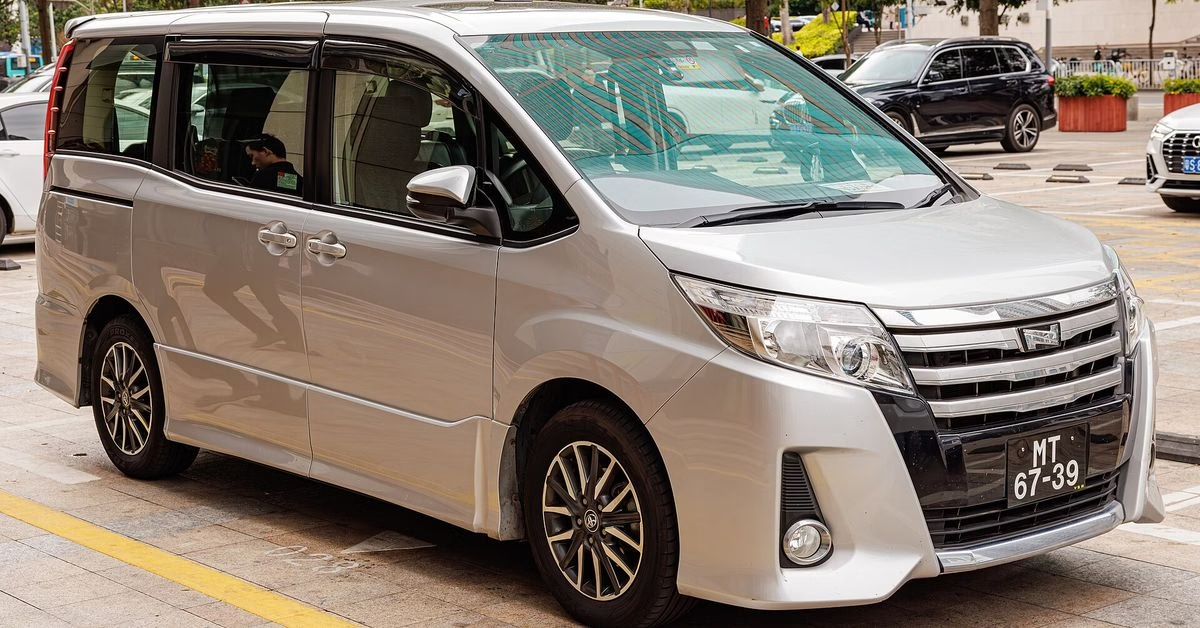
The Noah is the full-size version: eight seats, sliding doors and room for luggage too. Typical prices run from about $20,000 to $22,300 (KSh 2.6 to 2.9 million) for 2016 to 2019 cars. Many work in ride-hailing and school transport, so check mileage, the sliding door mechanisms and the CVT carefully.
Above $23,000 (KSh 3 Million)
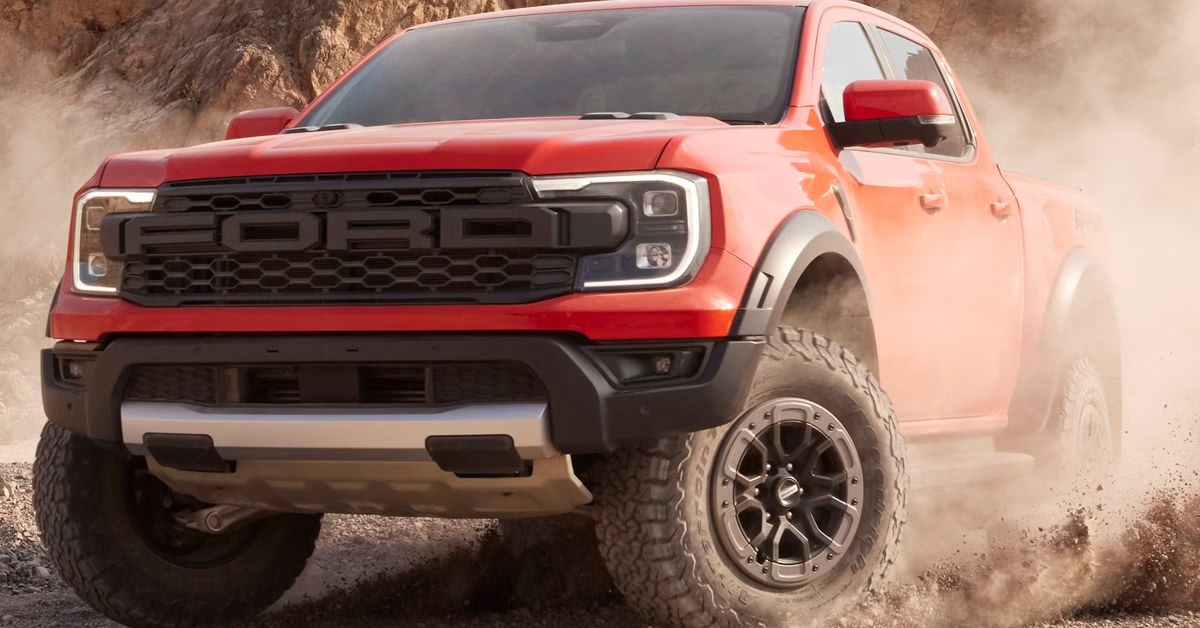
At this money, most Kenyan buyers move to an SUV or a pickup, and we’ve covered both in more depth. The Harrier, RAV4, Forester and Prado are ranked in the used SUVs that hold up best on Kenyan roads, with prices and the risks of each. For work, a Hilux or Ranger is the usual choice, and the card below compares them.
The Best Car for Your Use
Budget narrows the list, but how you’ll use the car should make the final choice.
- First car: a Vitz. It’s forgiving, cheap to run and easy to sell when you move up.
- Daily commute in traffic: a hybrid Axio or Fielder, or a Note e-Power, for the lowest fuel bills.
- Small family: a Fielder for the boot, or a Sienta if you need seven seats.
- Business and deliveries: a Probox. Nothing else here carries as much for as little.
- Big family or ride-hailing: a Noah.
- Rough roads upcountry: none of these. Look at an SUV or a pickup with real ground clearance.
Fuel Economy: The Hybrids Win
With fuel at today’s prices, the hybrid versions of the Axio, Fielder, Sienta and Probox, and the Note e-Power, are worth a look even though they cost a little more to buy. They save most in stop-start town traffic and least on long highway runs. The trade-off is the hybrid battery: get it checked before you buy, and ask how much a replacement costs locally, because an old one changes the maths. A small petrol Vitz remains the cheapest car here to fuel without the battery question.
Import or Buy Locally?
From 2026, only cars first registered in 2019 or later can be imported, under KEBS rules. So under about KSh 1.3 million, you’re mostly buying locally used. Above that, importing a 2019 or newer car becomes possible, and the import route with its auction sheet and duty maths can work out cheaper than a yard. Whichever route you take, the checks are the same, and the dealer tricks to watch for at a yard are worth knowing before you visit one.
Frequently Asked Questions (FAQ)
What are the best fuel efficient cars in Kenya?
Among common used cars, the best fuel efficient cars in Kenya are the hybrid Toyota Axio, Fielder, Sienta and Probox, and the Nissan Note e-Power, especially in town traffic. A small petrol Vitz is the most economical choice without a hybrid battery to worry about.
What are the best cars under 1 million in Kenya?
The best cars under 1 million in Kenya are locally used 2012 to 2015 Toyota Vitz, a 2014 Nissan Note, an older Toyota Probox, or a 2012 to 2014 Fielder at the top of the budget. None can be freshly imported at that price because of the 8-year rule.
What is the Toyota Fielder price in Kenya?
Typical asking prices for a 2016 to 2019 Toyota Fielder run from about KSh 1.4 to 2.1 million, around $10,800 to $16,200, based on Kenyan listings checked in late 2026. Older 2012 to 2014 cars ask roughly KSh 850,000 to 1.35 million.
What is the Toyota Axio price in Kenya?
Typical asking prices for a 2016 to 2019 Toyota Axio run from about KSh 1.3 to 1.9 million, around $10,000 to $14,600, based on Kenyan listings checked in late 2026. Hybrid versions and 2019 cars sit at the top of that range.
Should I import a car or buy one locally in Kenya?
Only cars first registered in 2019 or later can be imported from 2026, so cheaper cars are almost always locally used. For newer cars, importing can cost less than a yard, but you take on the paperwork, the duty calculation and the wait yourself.
Buy the Car That Fits, Then Check It Properly
Every car on this list is a good choice when it’s in good condition, and a bad one when it isn’t. Pick the model that fits your budget and your life, then spend your effort on the individual car: its history, its gearbox and, for hybrids, its battery. A well-kept Vitz will serve you better than a tired Fielder, whatever the price difference.
MotorQuips is taking its first import enquiries. Tell me what you need, and I’ll shortlist cars in Japan and send you the auction sheet, inspection photos and the full CIF price before you pay anything.
- Auction sheet checked for grade, mileage and damage marks
- Right-hand drive and the 8-year rule checked before you commit
- You pay the exporter directly, on an invoice in your own name
- Introduction to a licensed clearing agent for KRA clearance
Sourcing fee: 3% of the CIF price (minimum KSh 50,000), paid only once you approve a specific car. Duty, clearing costs and shipping insurance are separate.
Tell me what you’re looking for