
Most new cars with an automatic gearbox now use one of three designs, and the badge on the boot rarely tells you which. The CVT vs automatic question matters because the two age differently, cost different amounts to fix and feel different on the road. The short version: a CVT saves fuel and suits gentle commuting, while a conventional automatic with a torque converter is the safer long-term bet for towing, heavy loads and high mileage. Dual-clutch gearboxes sit in between and have their own catch. Here’s how each one works, what the numbers say, and which to buy.
Table of Contents
The Short Answer
Here’s how the three gearboxes compare on the things owners notice. Costs are typical out-of-warranty figures in US dollars, and they vary widely by model.
| CVT | Conventional automatic | Dual-clutch (DCT) | |
|---|---|---|---|
| How it changes ratio | Belt or chain between two variable pulleys, no fixed gears | Planetary gearsets and clutch packs behind a torque converter | Two clutches, one for odd gears and one for even |
| Fuel economy | Usually the best of the three in town | Close to a CVT with 8 to 10 gears | Good, especially on the highway |
| Driving feel | Smooth, but can drone under hard acceleration | Smooth and familiar | Fast, crisp shifts, can be jerky in traffic |
| Reliability record | Mixed: good from Toyota, poor on some older Nissan and Subaru units | The most proven design | Mixed: the weak point is low-speed clutch wear |
| Towing and heavy loads | Usually rated lower | Best suited | Varies by unit |
| Typical replacement cost | $3,000 to $8,000 | $2,900 to $7,100 | Varies widely by unit |
How Each Gearbox Works
The difference comes down to whether the gearbox has fixed gears at all. For the longer story of how both designs developed, see the history of manual, automatic and continuously variable gearboxes.
The CVT
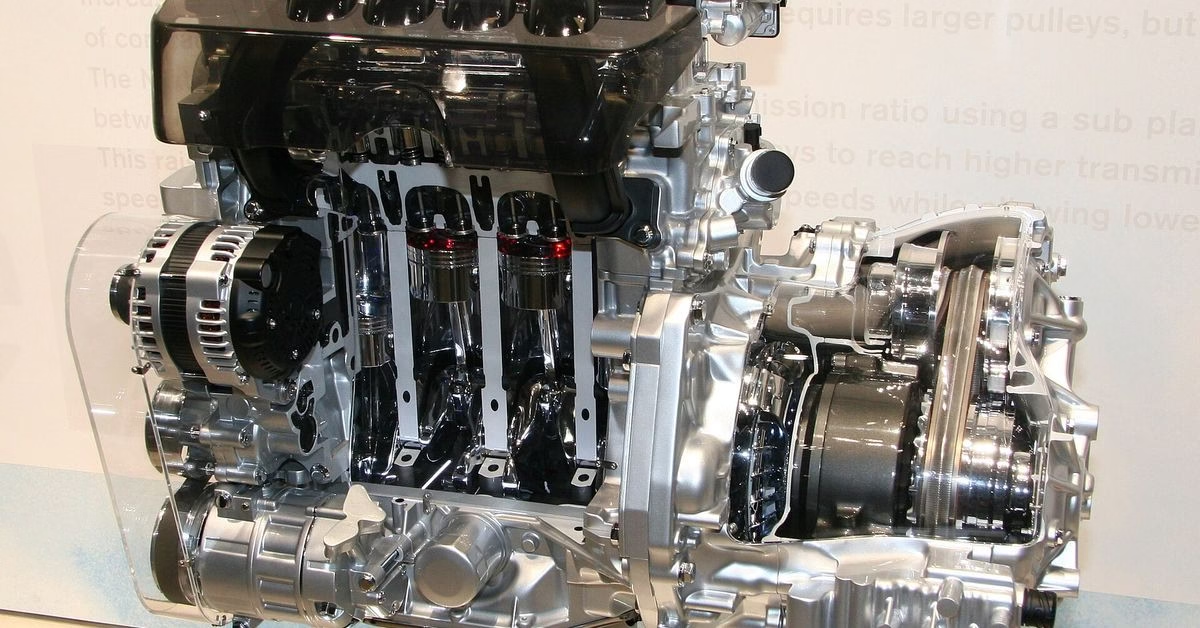
A continuously variable transmission runs a steel belt (or, in Subarus and some Audis, a chain) between two cone-shaped pulleys. Hydraulic pressure moves the pulley halves apart or together, so the belt rides higher or lower and the ratio changes smoothly with no steps. That lets the engine sit at its most efficient speed while the car speeds up. The weakness is grip: the belt only carries power because clamping pressure and the right fluid let it bite on smooth steel, so heat, worn fluid and heavy loads hurt it more than they hurt a geared box.
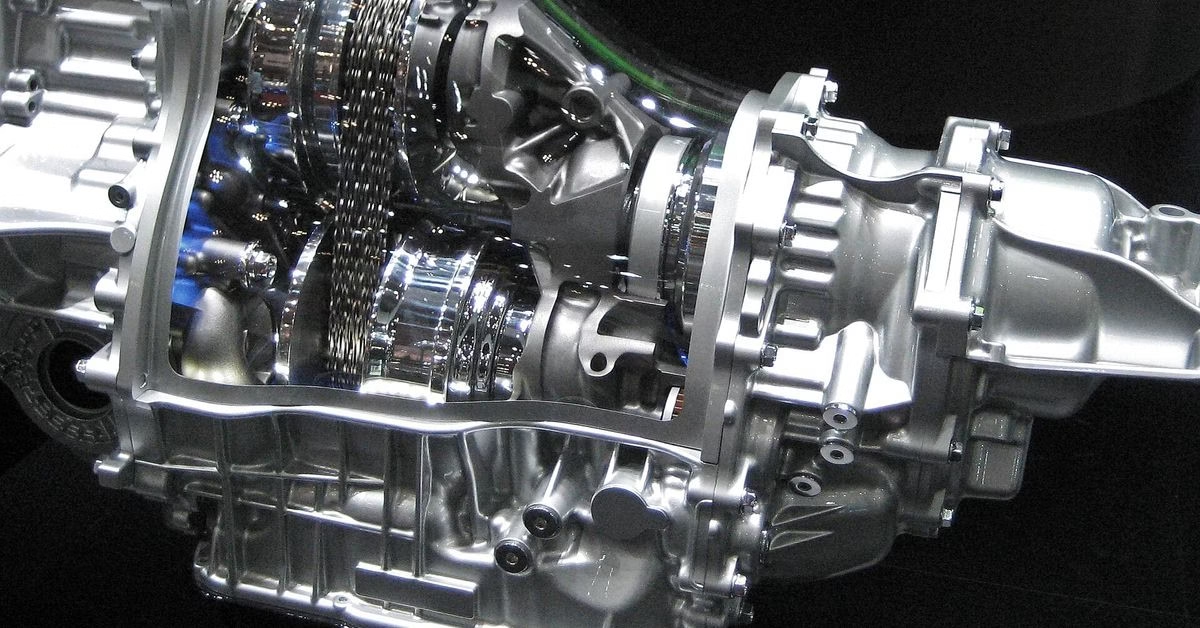
Toyota’s answer to the CVT’s weak spots is the Direct Shift-CVT, which adds a real first gear for pulling away before handing over to the belt. Toyota says the design cuts belt load at launch and improves fuel efficiency by 6% over its previous unit, according to Toyota’s own technical description. Those are the maker’s figures, not independent tests.
The Conventional Automatic
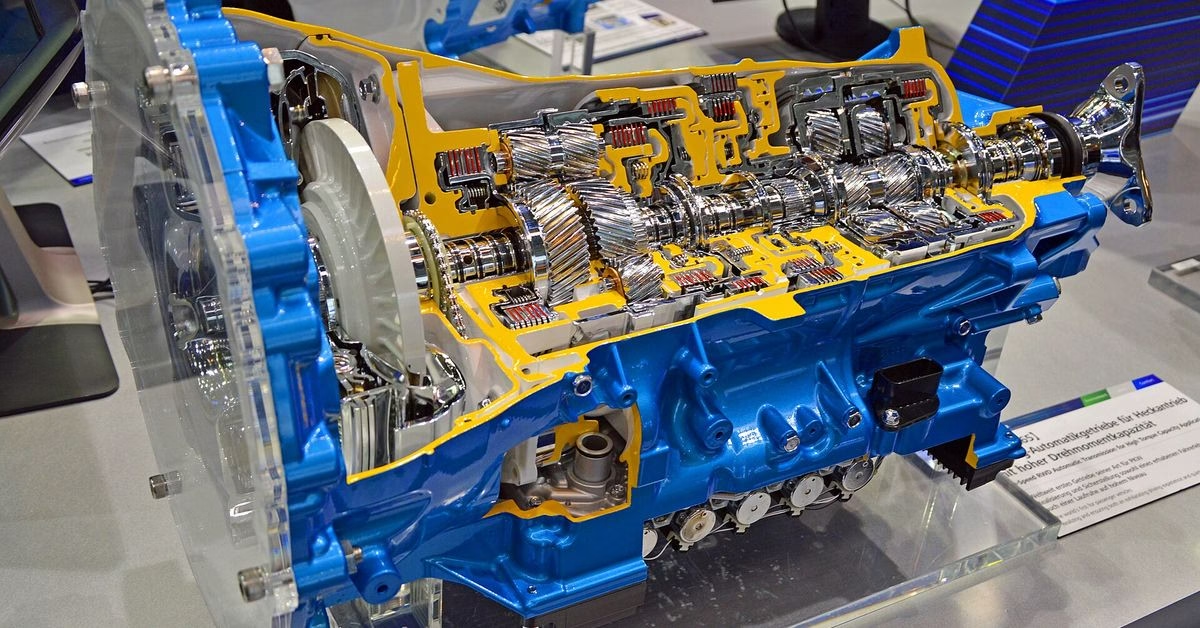
A conventional automatic uses a torque converter, a fluid coupling that lets the engine idle while the car is stopped, and a set of planetary gearsets that clutch packs lock in different combinations to make each gear. Older units had four or five speeds. Modern ones have eight, nine or ten, which closes most of the fuel-economy gap to a CVT because the engine is rarely far from its best speed. The design has been refined for decades and handles torque and heat well, which is why trucks, large SUVs and performance cars still use it.
Fuel Economy: Where the CVT Earns Its Place
The best evidence comes from cars that switched gearboxes without changing engines. When Hyundai replaced the six-speed automatic in the Accent sedan with a CVT for 2020, the EPA combined rating rose from 32 mpg to 36 mpg. Subaru saw a similar gain when the 3.6-litre Legacy moved from a five-speed automatic to a CVT, picking up about 3 mpg combined despite weighing more.
Those gains are largest against older automatics with few gears. Against a modern eight or ten-speed, the difference shrinks to a mile or two per gallon, and on the highway it can disappear. If fuel cost is your main concern, compare the exact model and engine on the EPA’s fuel economy site rather than assuming the CVT wins.
One point that confuses buyers: many hybrids, including Toyota’s, are labelled as having an “eCVT”. That isn’t a belt-and-pulley CVT. It’s a planetary gearset blended with electric motors, with no belt to slip, and it has a very good durability record. Treat it as a separate thing.
Reliability: Which Lasts Longer?
On average, a well-built conventional automatic outlasts a CVT, and it’s more forgiving when it isn’t looked after. A CVT depends on fluid condition and clamping pressure in a way a geared box doesn’t, so skipped fluid changes, overheating in heavy traffic and towing beyond the rating shorten its life faster. A well-maintained CVT should last at least 100,000 miles, and many go much further, but the spread between good and bad examples is wider.
The bigger factor is who made it. Toyota’s CVTs have a strong record, while a handful of Nissan and Subaru units from the 2010s drove most of the type’s bad reputation, to the point that the makers extended warranties. The CVTs with the worst record, maker by maker are listed separately, along with the symptoms to watch for. Nissan itself has moved some larger models, such as the Pathfinder, back to conventional automatics.
Conventional automatics aren’t trouble-free either. Some early eight, nine and ten-speed units had rough shifting and software complaints, though these were more often irritating than terminal. The practical rule is the same for both: the specific gearbox and its service history matter more than the type.
Repair and Replacement Costs
When a gearbox fails out of warranty, both types are expensive. Typical estimates for replacing a CVT run from about $3,000 to $8,000, according to CarGurus, while Kelley Blue Book puts a general transmission replacement at about $2,900 to $7,100 (both checked November 2026). The headline numbers overlap. The difference is in what happens before replacement: an automatic can often be repaired or rebuilt by an independent shop, while most CVTs are swapped for a new or remanufactured unit, because parts and specialist knowledge are harder to find.
Routine costs favour neither much. Both need fluid changes, and a CVT must get its own specific fluid, never a generic automatic fluid. Many makers list long or “lifetime” intervals, but changing the fluid sooner is cheap insurance on any automatic gearbox you plan to keep past 100,000 miles.
How They Feel to Drive
A CVT is smooth around town because there are no shifts at all. Under hard acceleration, though, the engine can rise to high revs and stay there while the car catches up, which drivers describe as a drone or a rubber-band feeling. Most makers now program fake “steps” into their CVTs to make them feel more like a geared box, and these work reasonably well.
A modern automatic feels familiar: the revs rise and fall with each shift, and kickdown is clean. It’s also the better choice for towing and steep, loaded climbs, where a CVT may be rated lower or run hot. If you’re still weighing a manual too, the case for and against a stick shift in traffic covers that side.
Where a Dual-Clutch Gearbox Fits
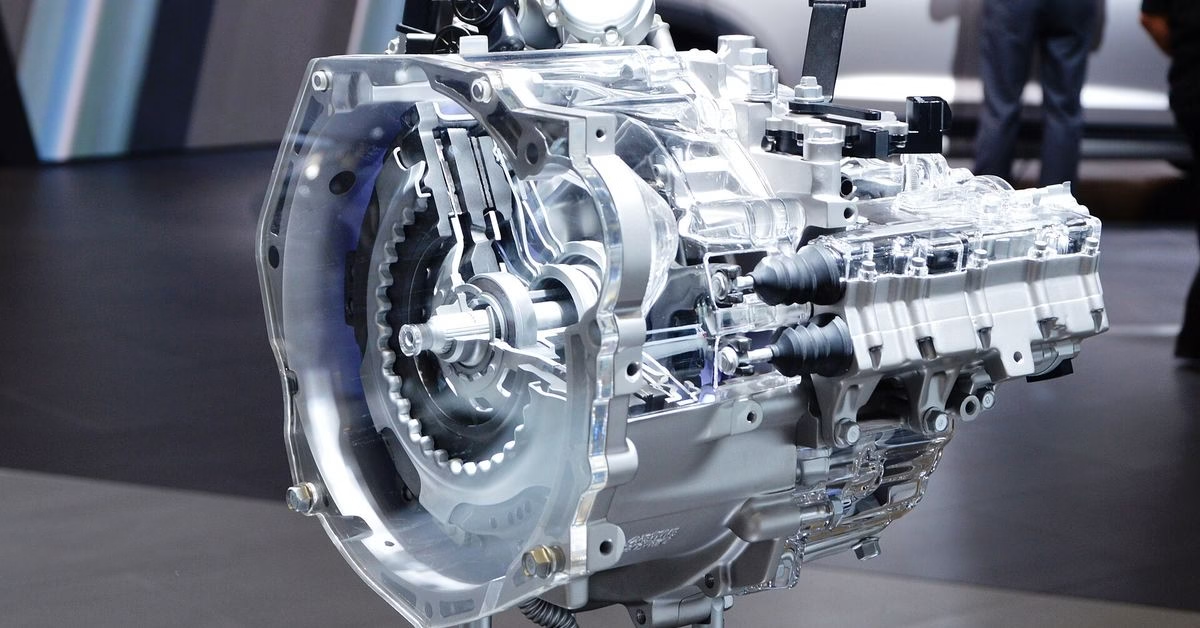
A dual-clutch transmission is essentially two manual gearboxes in one case, with one clutch for the odd gears and one for the even. The next gear is always ready, so shifts take a fraction of a second. That makes DCTs popular in performance cars and in efficient small cars from Volkswagen, Hyundai and Kia.
Compared with a CVT, a DCT is more efficient at highway speeds and far more engaging, but it’s worse in stop-start traffic. Crawling makes the clutches slip, which wears them and can cause judder. Dry-clutch units suffer most, and Ford’s dry-clutch PowerShift gearbox in the 2012 to 2016 Focus and 2011 to 2016 Fiesta is the cautionary tale: the problems led to a class-action settlement covering almost 2 million owners. Wet-clutch DCTs, which bathe the clutches in oil, cope with heat much better.
So the choice is simple. If most of your driving is in heavy traffic, a CVT or conventional automatic is easier to live with. If you drive mostly on open roads and like a sharp gearbox, a wet-clutch DCT is a good choice.
Which Should You Buy?
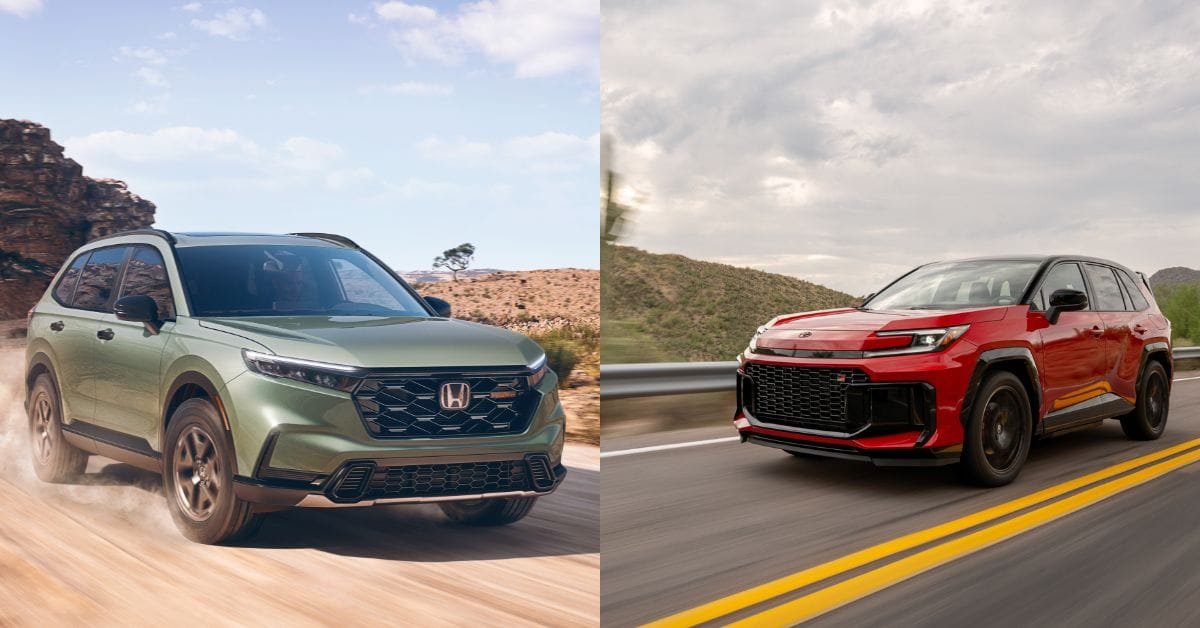
- Commuting and city driving: a CVT from a maker with a good record, such as Toyota or Honda, gives the best fuel economy and a smooth ride.
- Towing, heavy loads or steep roads: a conventional automatic.
- Keeping a car past 150,000 miles: a conventional automatic, unless the CVT has a long, clean service history.
- Buying used without records: lean towards a conventional automatic, and avoid the CVTs with documented problems.
- Enjoying the drive on open roads: a wet-clutch DCT or a modern automatic with paddles.
- Best of both: a full hybrid, whose eCVT avoids the belt entirely.
Whichever you choose, check the gearbox properly before you buy: a cold-start test drive, a scan for stored transmission codes and proof of fluid changes will tell you more than the gearbox type.

CVTs and Automatics in Kenya’s Japanese Imports
In Kenya the choice is often made for you. Most small Japanese imports, including the Vitz, Axio, Fielder, Nissan Note and X-Trail T32, use CVTs, while the Prado, Land Cruiser and Hilux use conventional automatics. Older hybrid Honda Fits use a seven-speed dual-clutch gearbox. Nairobi traffic and heat are hard on CVT fluid, so for a CVT import, ask for fluid-change records and check for judder or slipping on the test drive. The checks that catch a bad car at a Kenyan yard apply to the gearbox too.
Frequently Asked Questions (FAQ)
Is a CVT better than an automatic?
For fuel economy and smooth commuting, usually yes. For towing, heavy loads and long-term durability, a conventional automatic is the safer choice. The maker matters as much as the type: Toyota CVTs have a strong record, while some older Nissan and Subaru units do not.
Which is more reliable, a CVT or a traditional automatic?
On average, a conventional automatic lasts longer and tolerates neglect better. A well-maintained CVT should reach 100,000 miles or more, but it is more sensitive to fluid condition, heat and heavy loads, and failed units are usually replaced rather than rebuilt.
CVT vs DCT: which is better?
A CVT is smoother and easier to live with in stop-start traffic. A dual-clutch gearbox shifts faster, feels sportier and is efficient on the highway, but its clutches wear and can judder in heavy traffic, especially on dry-clutch units.
How long does a CVT last compared with an automatic?
A well-maintained CVT typically lasts at least 100,000 miles, and many go well past that. Conventional automatics commonly reach 150,000 miles or more. Regular fluid changes with the correct fluid make the biggest difference to either.
Do hybrid cars use a CVT?
Many hybrids, including Toyota’s, use what makers call an eCVT. It is a planetary gearset combined with electric motors, not a belt and pulleys, so it does not share the belt CVT’s weaknesses and has a very good durability record.
The Bottom Line
A CVT isn’t a bad gearbox, and a conventional automatic isn’t automatically a good one. The CVT wins on fuel and smoothness for everyday commuting. The automatic wins on toughness, towing and long-term peace of mind. The DCT suits drivers who spend more time on open roads than in traffic. Pick by how you drive and how long you’ll keep the car, then judge the individual gearbox by its maker and its service history.